Find the Best Gas Line Plumbing Companies for Your Business
No obligation • Fast responses • Nationwide coverage

Why you can trust Search a Plumber
Search a Plumber is a leading United States resource for finding and evaluating professional plumbing services. Our team researches licensing, experience, and customer feedback to create unbiased, fact-driven overviews. Companies cannot pay to change ratings or placement, ensuring homeowners get trustworthy information.
Search providers near you
Top Gas Line Plumbing Companies in Kent, Washington Ranked
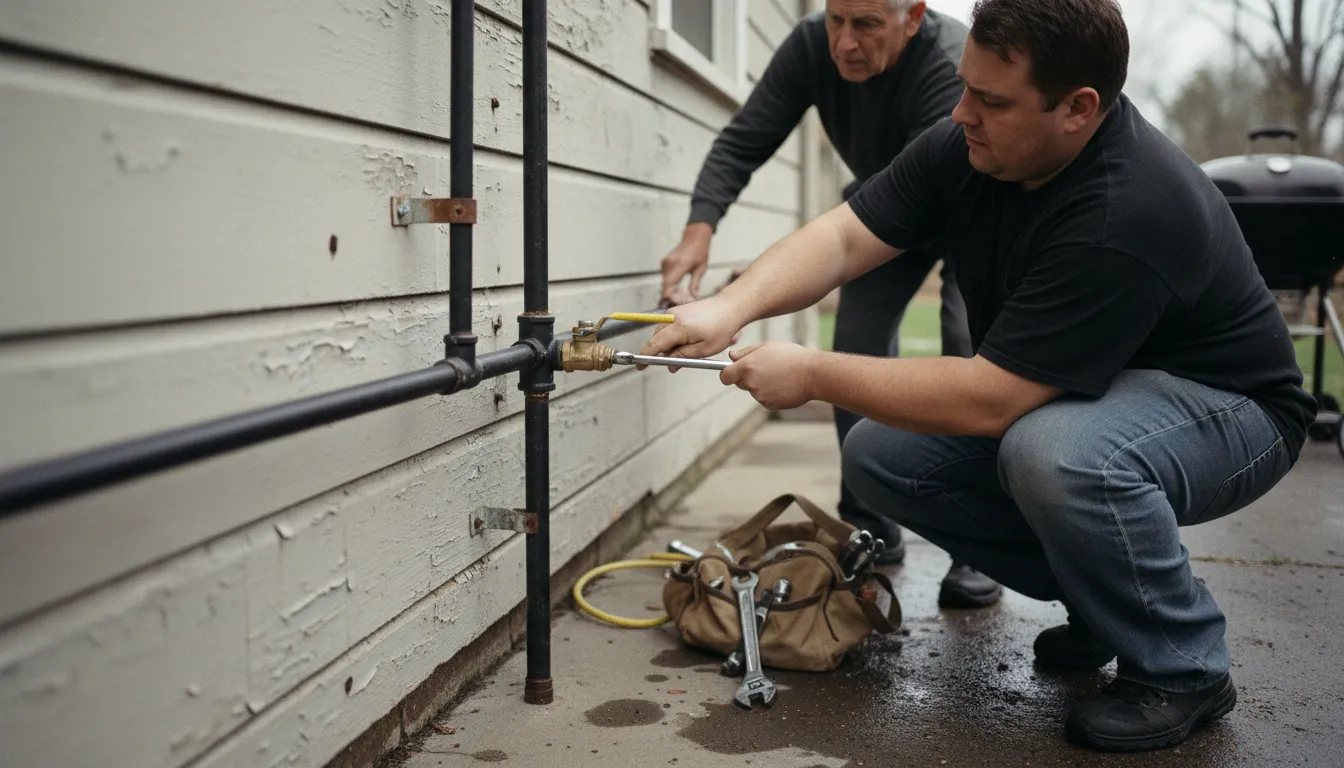
Installing or repairing a gas line is a critical project that ensures the safe and efficient delivery of natural gas or propane to your home's appliances. Proper gas piping work is essential for safety, code compliance, and the reliable operation of your furnace, water heater, stove, or fireplace. This guide provides Kent homeowners with a clear understanding of the process, regulations, and what to look for when seeking qualified professionals for gas line services.
Anthony's Plumbing Company
2624 47th Ave SW, Seattle, WA 98116
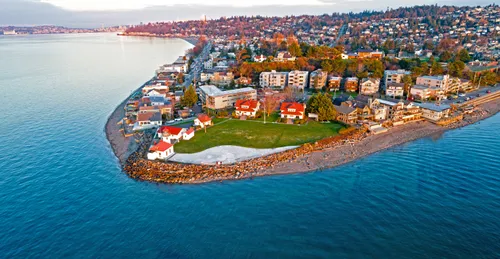
Anthony's Plumbing Company is a licensed and insured plumbing service based in Seattle, WA. They provide residential and commercial plumbing solutions including gas line installation, drain repairs, and custom steam shower systems. The company emphasizes clean and professional work practices, using high-quality, safe materials and adhering to all code protocols. They offer free in-home consultations within their service area and have a strong focus on customer satisfaction, building lasting relationships with clients. Their service area includes multiple neighborhoods around Seattle and nearby cities.
Wesnor Plumbing and Heating
1705 N 82nd St, Seattle, WA 98103
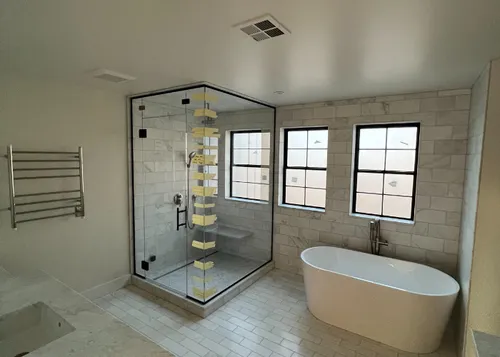
Wesnor Plumbing and Heating provides a wide range of plumbing and heating services in Seattle, WA, including residential and commercial work. Their offerings cover water heater repair and installation, drain cleaning, sewer camera inspections, hydro jetting, leak detection, repiping, and gas line installation. They are authorized service providers for Rheem and Moen water heaters and hold a gas piping mechanic license, ensuring qualified handling of natural gas services. With extensive experience and licensed, bonded, and insured plumbers, Wesnor emphasizes quality workmanship and customer satisfaction. They also offer rapid response for flooding emergencies.
Eco Electric, Plumbing, Heating and Air
126 S Spokane St, Seattle, WA 98134
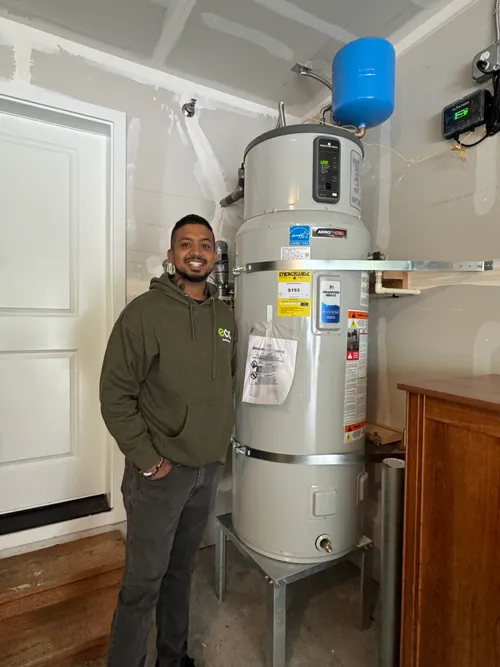
Eco Electric, Plumbing, Heating and Air provides a range of home services in Seattle, WA, including leak detection plumbing and gas line installation. Serving the Puget Sound area, they offer electrical, plumbing, heating, and air conditioning solutions designed to improve home efficiency and sustainability. Their team brings over 10 years of combined experience and uses advanced technology for detailed inspections and durable repairs. The company is fully licensed, insured, and bonded, and offers financing options to help homeowners manage repair and upgrade costs.
Pars plumbing
417 212th St SW, Bothell, WA 98021
Pars Plumbing is a plumbing service provider located in Seattle, WA, specializing in water heater repair and installation as well as gas line installation. They focus on delivering efficient and clean workmanship with attention to detail. Pars Plumbing is known for their thoughtful execution and clear communication throughout the project.
George Gas Piping
601 12th Ave NW, Issaquah, WA 98027
George Gas Piping is a plumbing service based in Seattle, WA, specializing in gas piping installation for both residential and commercial projects. Their services include water heater and tankless water heater installation, furnace installation, and gas line installation and repair. They have expertise in gas repiping, appliance hookups, and supplying new gas piping from the street to homes. With over 10 years of experience, George Gas Piping serves multiple areas including Kent, Redmond, Renton, Kirkland, Issaquah, Woodinville, Sammamish, Bellevue, Bothell, and Seattle.
Understanding Gas Piping Systems
A gas piping system is a network of pipes that delivers fuel from the utility meter or propane tank to various appliances in your home. In Kent, these systems must be meticulously planned and installed according to strict codes to prevent leaks, which can pose serious safety hazards. Whether you're adding a gas fireplace, relocating a stove, or upgrading an old line, the work involves specific materials, pressure testing, and mandatory inspections by the City of Kent and King County.
Common reasons for needing gas line work include:
- New Appliance Installation: Adding a gas range, dryer, tankless water heater, or outdoor kitchen.
- Home Additions or Renovations: Extending gas service to a new room or living space.
- System Repairs: Addressing leaks, corrosion, or damage to existing pipes.
- Safety Upgrades: Replacing outdated black iron pipe or ensuring proper sizing for modern appliances.
The Step-by-Step Installation Process in Kent
A professional gas line installation follows a defined sequence to ensure safety and pass inspection. Here's what you can expect from a qualified contractor.
1. Planning, Permits, and Utility Location
Before any digging begins, your contractor will survey the property and apply for the necessary permits through the City of Kent's Development Engineering portal. This is a non-negotiable first step. They will also contact 811 to have all public underground utilities marked. For private lines, private locating services may be needed. This planning phase determines the optimal route for the new gas pipe.
2. Trenching and Excavation
Once the path is clear, excavation begins. King County and national codes mandate that underground gas lines be buried at a minimum depth, typically at least 18 inches for steel pipe, to protect them from damage 1 2. The trenching cost can vary significantly, often ranging from $50 to $200 per linear foot, depending on soil conditions, obstacles, and the length of the run.
3. Pipe Installation and Connection
The contractor will lay the new pipe in the trench. For underground sections in Kent, corrosion-resistant materials like yellow polyethylene (PE) plastic pipe are commonly used for their durability. The pipe is carefully connected to the main gas supply line and run to the appliance location, where a shut-off valve and the proper connector (appliance flex line) are installed.
4. The Critical Pressure Test
This is the most important safety step. The entire new section of piping is sealed and pressurized with air to 1.5 times its intended working pressure (but not less than 3 psi) for a minimum of 10 minutes. A gauge is attached, and the contractor monitors for any pressure drop. They will also use a soapy water solution on all joints and connections to check for tell-tale bubbles that indicate a leak 3.
5. Inspection and Backfill
For the installation to be approved, a city or county inspector must witness the pressure test. The test gauge must remain visible and stable throughout the inspection 4. Only after passing this inspection can the trench be carefully backfilled. The final step involves the utility company or your contractor turning the gas on and verifying proper operation at each appliance.
Find the perfect gas line plumbing companies for your needs
Get personalized recommendations and expert advice
Key Safety and Code Requirements
Adhering to local codes isn't just about legality-it's about safety. Key requirements for gas line work in Kent include:
- Licensed Professionals: All gas piping installation and repair must be performed by a licensed plumbing or gas contractor. This ensures they understand the complex codes and safety protocols.
- Proper Materials: Only approved materials like specific grades of steel, copper (for certain gases), or polyethylene can be used. The wrong material can corrode or fail.
- Safe Leak Detection: Never use an open flame to check for a gas leak. The only approved method for homeowners and professionals during testing is a soapy water solution 5.
- Clearances: Underground pipes must have specified clearance from other utilities, foundations, and structures to prevent future damage during other excavation work 6.
Cost Considerations for Gas Line Projects
Costs for gas line services in Kent vary based on project scope, materials, and labor. Understanding the components can help you evaluate estimates.
- Permits and Testing: Permit fees and the required pressure test typically cost between $100 and $300.
- Trenching/Excavation: As mentioned, this is often a major cost driver, ranging from $50 to $200 per foot.
- New Line Installation: Running a new gas line from the meter to a single appliance can range from $200 to over $2,000, heavily dependent on the distance and complexity of the run 7 8.
- Repair Work: Fixing a leak or repairing a section of pipe generally costs between $150 and $700+, depending on the location and accessibility of the problem 9.
Signs You May Need Gas Line Repair
Being proactive about gas line issues is crucial. Contact a professional immediately if you notice:
- The distinct rotten egg smell of mercaptan (added to natural gas).
- Hissing or whistling sounds near a gas line.
- Dead or discolored vegetation in an otherwise healthy lawn along the pipe path.
- Unexplained higher-than-normal gas bills.
- Physical damage to exposed piping from corrosion or impact.
Choosing a Qualified Service Provider
When your project involves gas, choosing the right professional is paramount. Look for a contractor who:
- Holds a current, valid Washington state plumbing license with a gas piping endorsement.
- Pulls all required City of Kent permits for the job.
- Provides detailed, written estimates that break down labor, materials, and permit fees.
- Has strong local references and positive reviews specifically for gas line work.
- Clearly explains the process, including the pressure test and inspection schedule.
- Offers a warranty on their workmanship.
Frequently asked questions
Sources
Footnotes
-
Installing gas piping - King County, Washington - https://kingcounty.gov/en/dept/dph/health-safety/environmental-health/plumbing-gas-piping/installations/installing-gas-piping ↩
-
How Deep Are Gas Lines Buried? - J.D. Power - https://www.jdpower.com/cars/shopping-guides/how-deep-are-gas-lines-buried ↩
-
Frequently Asked Questions - CivicPlus.CMS.FAQ - https://www.rpvca.gov/faq.aspx?TID=40 ↩
-
Engineering Permits | City of Kent - https://www.kentwa.gov/pay-and-apply/apply-for-a-permit/development-engineering ↩
-
Cost of Natural Gas Piping in Kent, WA - https://kentgaslineservice.com/cost-of/natural-gas-piping ↩
-
Cover and Clearance Requirements for Transmission Lines ... - PGE - https://www.pge.com/assets/pge/docs/account/service-requests/a-04.pdf ↩
-
Cost of Natural Gas Line Installation in Kent, WA - https://kentgaslineservice.com/cost-of/natural-gas-line-installation ↩
-
Cost of Gas Pipe Installation in Kent, WA - https://kentgaslineservice.com/cost-of/gas-pipe-installation ↩
-
Cost of Gas Line Repair in Kent, WA - https://kentgaslineservice.com/cost-of/gas-line-repair ↩