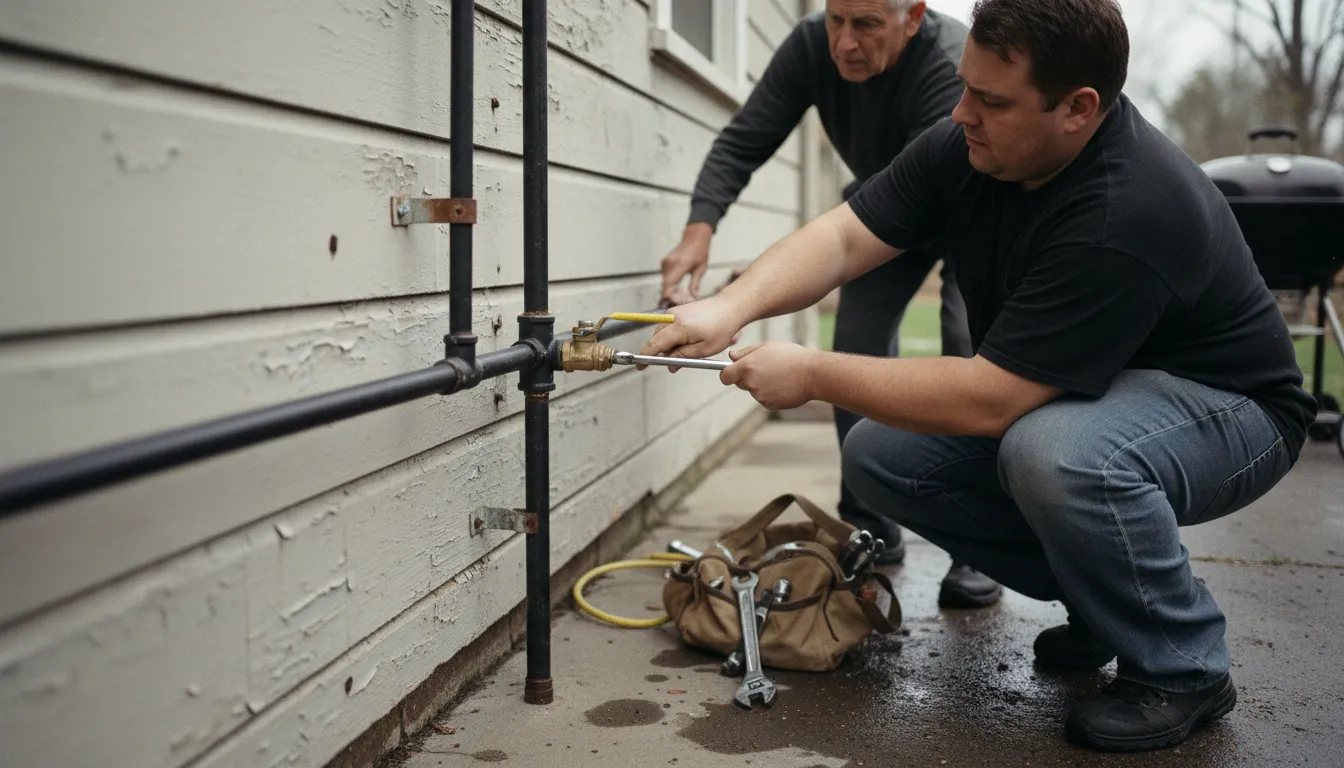
Find the Best Gas Line Plumbing Companies for Your Business
No obligation • Fast responses • Nationwide coverage

Why you can trust Search a Plumber
Search a Plumber is a leading United States resource for finding and evaluating professional plumbing services. Our team researches licensing, experience, and customer feedback to create unbiased, fact-driven overviews. Companies cannot pay to change ratings or placement, ensuring homeowners get trustworthy information.
Search providers near you
Top Gas Line Plumbing Companies in Gallatin, Tennessee Ranked
Installing or repairing a gas line is a critical project that directly impacts the safety and functionality of your home. Whether you're adding a gas fireplace, connecting a new range, or addressing a leak, proper gas piping work requires strict adherence to local codes and safety protocols. This guide explains the essential steps, local requirements, and what to expect when you need gas line services in Gallatin, helping you make informed decisions and connect with qualified local professionals.

Smooth Saling Plumbing & Water Heater Replacement
3511 Gallatin Pike Office 318, Nashville, TN 37216
Smooth Saling Plumbing & Water Heater Replacement offers a range of plumbing services in Nashville, TN, including water heater repair and installation, water softener installation, drain cleaning, leak detection, and gas line installation. The company serves Nashville and surrounding communities such as Franklin, Brentwood, Mt. Juliet, and Murfreesboro. Their licensed team provides expert plumbing solutions tailored to local homes, with capabilities including safe and precise gas line work. Smooth Saling Plumbing has been serving the Nashville area for several years, focusing on transparent pricing and customer satisfaction.
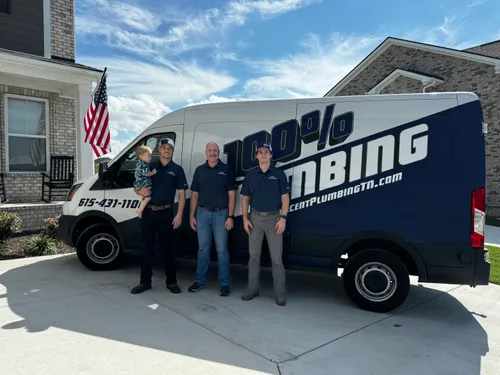
100 Percent Plumbing
3200 West End Ave #500, Nashville, TN 37203
100 Percent Plumbing is a plumbing company serving residents in Nashville, TN, and surrounding areas including Green Hills, Brentwood, and Mount Juliet. They offer a wide range of services such as sewer camera inspections, water heater repair and installation, tankless water heater services, drain cleaning, leak detection, repiping, gas line installation, and toilet repair. The company provides complete sewer line repair and replacement, along with free video camera inspections to identify piping issues. With 20 years of experience, 100 Percent Plumbing employs master plumbers skilled in handling various plumbing problems for both residential and commercial clients. They also offer after-hours emergency services to address urgent plumbing needs promptly.
Mr. Rooter Plumbing of Hendersonville
339 B Rockland Rd, Hendersonville, TN 37075
Mr. Rooter Plumbing of Hendersonville provides a wide range of plumbing services for residential and commercial customers in Nashville, TN, and nearby areas including Hendersonville and Gallatin. Their licensed plumbers handle everything from drain cleaning and water heater installation to sewer line repair and leak detection. They use advanced technology and proven methods to ensure reliable plumbing solutions. With over 50 years of national experience, Mr. Rooter Plumbing offers services backed by workmanship and parts guarantees, emphasizing customer safety and satisfaction.
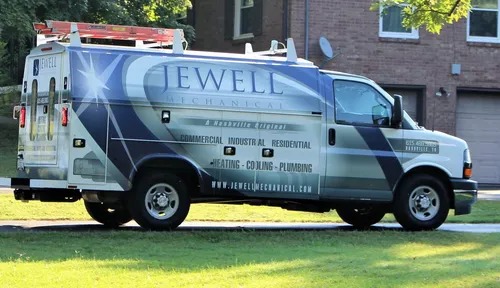
Jewell Mechanical, LLC
1000 Elm Hill Pike, Nashville, TN 37210
Jewell Mechanical, LLC provides commercial HVAC and plumbing services in Nashville, TN. They specialize in commercial heating and air conditioning installation, repair, and maintenance, as well as commercial plumbing, including medical gas line installation with certified expertise. The company serves commercial, industrial, and residential clients, offering annual maintenance plans to ensure system efficiency and reliability.
Doctor Drips Plumbing - Nashville
1101 Davidson St, Nashville, TN 37206
Doctor Drips Plumbing - Nashville offers a wide range of plumbing services in Nashville, TN, including water heater repair and installation, drain cleaning, leak detection, repiping, and gas line installation. They serve residential and commercial clients throughout Davidson County and surrounding areas, addressing local plumbing challenges such as hard water and aging pipes. The company uses advanced equipment like electronic leak detection and sewer camera inspection to diagnose and resolve issues efficiently. With over seven years of experience, Doctor Drips Plumbing provides 24/7 emergency services to respond quickly to urgent plumbing needs.
Understanding Gas Piping Projects in Gallatin
Gas line work encompasses everything from running a new line for an appliance to repairing a leak in an existing system. In Gallatin, all gas piping projects require a permit from the City of Gallatin Building Codes Department. This ensures the work meets specific safety standards for materials, depth, and installation methods. The process isn't just about connecting pipes; it involves careful planning, safe excavation, rigorous testing, and mandatory inspections to protect your property and community.
Common reasons for gas line projects include:
- New Appliance Installation: Adding a gas stove, dryer, fireplace, or tankless water heater.
- Service Line Extension: Running a new line from the meter to a new patio, outdoor kitchen, or garage.
- System Repairs: Fixing leaks, replacing corroded sections, or upgrading old piping.
- Remodels and Additions: Extending or modifying gas lines for a kitchen renovation or home addition.
The Permit Process: A Step-by-Step Guide for Gallatin Homeowners
Before any work begins, securing the proper permit is your first and most crucial step. This is not a mere formality; it's a legal requirement that triggers the city's inspection process, which is your primary safety net.
1. Application: The property owner or a licensed contractor must submit a Residential Gas Piping Permit Application to the City of Gallatin. This form details the scope of work.
2. Fees: Permit fees in Gallatin are structured based on the project type. For residential remodels or appliance change-outs, the Gas Piping Permit fee is $50 per inspection. For new construction, the fee is calculated at $0.10 per square foot under the beam. These fees typically cover both the required rough-in and final inspections.
3. Inspections: The city will conduct mandatory inspections. The rough-in inspection happens after the pipe is installed but before it's covered by walls or backfill. The final inspection occurs after all connections are made and the system is tested. If work fails an inspection, re-inspection fees apply, which start at $85.
4. Code Compliance: Your project must comply with all local amendments to the International Fuel Gas Code (IFGC). This governs pipe material, sizing, support, and where pipes can be run.
Critical Safety Steps: Before You Dig
Safety is paramount with any fuel gas project. The single most important action you can take is to Call 811 before any digging. This free service, also known as "Call Before You Dig" or "Tennessee 811," will notify all local utility companies to mark the approximate location of their underground lines (gas, electric, water, etc.) on your property 1 2. This is required by law and prevents dangerous and costly strikes.
Once lines are marked, hand-dig with care near the markings to expose the utility lines visually before using power equipment 3. For gas line work specifically, other non-negotiable safety steps include:
- Evacuate and Call for Help: If you ever smell gas (a rotten egg odor), hear a hissing sound, or suspect a leak, leave the area immediately. Do not use electrical switches, phones, or open flames. Call 911 from a safe distance and then contact your gas utility company.
- Use Licensed Professionals: Gas line installation and repair is not a DIY project. Always hire a licensed plumber or gas fitter who is insured and familiar with Gallatin's specific codes 4.
- Proper Ventilation: Ensure any area where gas appliances are installed has adequate ventilation to prevent carbon monoxide buildup.
Find the perfect gas line plumbing companies for your needs
Get personalized recommendations and expert advice
Installation & Repair Procedures: What Professionals Do
A professional gas line project follows a meticulous sequence. For a new underground line, the process typically involves:
1. Trenching: A trench is dug from the gas meter to the point of entry. Code typically requires a minimum depth of 18 inches for steel pipe, though local requirements or utility specifications may require 24 inches or more. The trench bottom must be level and free of sharp rocks or debris that could damage the pipe.
2. Piping Installation: Approved materials must be used. For underground lines, yellow polyethylene (PE) pipe is common, while black iron (steel) pipe is used indoors and for certain underground applications. All connections are made using approved fittings and methods (threaded, flared, or welded).
3. Pressure Testing: Before the trench is backfilled or walls are closed up, the new line must pass a pressure test. A common test involves pressurizing the isolated section of pipe to 10 psi with air and monitoring the gauge for 15 minutes. A pressure drop indicates a leak that must be found and repaired 5.
4. Backfilling and Connection: The trench is carefully backfilled, initially with sand or clean soil to protect the pipe 6. The line is then connected to the meter (by the utility company or a licensed professional) and run to the appliance shut-off valve.
Repair work, such as fixing a leak, follows a similar safety-first protocol: locate the leak, excavate or access the pipe with care, replace the faulty section, and conduct a new pressure test before restoring the area.
Understanding Costs for Gas Line Work in Gallatin
Costs can vary widely based on the project's complexity, length of pipe needed, and required materials. Here's a general breakdown of what you might expect:
- Permit Fees: As noted, Gallatin's fees are typically $50 for a residential repair or change-out permit, with new construction calculated by square footage 7.
- Minor Repairs: Fixing an accessible leak on an above-ground line might cost between $120 and $250, not including any repairs to drywall or landscaping needed for access.
- Leak Excavation & Repair: If a leak requires digging to reach an underground line, costs rise significantly due to labor and restoration, often ranging from $1,500 to $5,000 8 9.
- New Line Installation: Running a new line for an appliance like a stove or fireplace can range from $300 to over $1,000, heavily dependent on the distance from the meter, obstacles in the way, and material costs 10.
- Pressure Testing: A professional pressure test typically costs between $75 and $150 11.
Choosing the Right Materials and Following Code
Local codes dictate approved materials. Common types include:
- Black Iron (Steel) Pipe: Durable and standard for indoor and some outdoor applications. Requires corrosion protection if buried.
- Corrugated Stainless Steel Tubing (CSST): Flexible, yellow-coated tubing often used for running lines through walls and attics. Must be properly bonded and grounded according to code 12.
- Polyethylene (PE) Pipe: The standard yellow plastic pipe for main underground service lines due to its corrosion resistance and flexibility 13.
Key code requirements in Gallatin will address:
- Pipe Sizing: The pipe diameter must be large enough to deliver adequate gas volume (BTUs) to all appliances on the line.
- Support: Pipes must be securely supported at regular intervals.
- Drip Legs: Sediment traps (drip legs) are required at appliance connections to catch debris.
- Shut-off Valves: An accessible shut-off valve must be installed at each appliance.
Frequently asked questions
Sources
Footnotes
-
How to Install a Gas Line: Safety Tips and Best Practices? - https://www.tnstandard.com/gas-line-installation-safety-tips-and-best-practices/ ↩
-
Frequently Asked Questions - CivicPlus.CMS.FAQ - https://www.rpvca.gov/faq.aspx?TID=40 ↩
-
Dig Safe Tips: How to dig around a natural gas line with a shovel - https://www.youtube.com/watch?v=sB55FempqWk&t=23 ↩
-
RESIDENTIAL GAS PIPING PERMIT APPLICATION - https://www.gallatintn.gov/DocumentCenter/View/6251/Residential-Gas-Piping-Permit-Application-PDF ↩
-
Can I build over a gas service pipe? | LABC - https://www.labc.co.uk/news/can-i-build-over-gas-service-pipe ↩
-
Guide to Excavation - Northern Gas Networks - https://www.northerngasnetworks.co.uk/wp-content/uploads/2017/02/Excavation-Guidance.pdf ↩
-
BUILDING PERMIT FEES One - Gallatin, TN - https://www.gallatintn.gov/DocumentCenter/View/8554/2024-Permit-Fee-Schedule- ↩
-
Gas Line Repair and Replacement Costs [2026 Data] | Angi - https://www.angi.com/articles/average-gas-line-repair-and-installation-costs.htm ↩
-
How Deep Are Gas Lines Buried? - J.D. Power - https://www.jdpower.com/cars/shopping-guides/how-deep-are-gas-lines-buried ↩
-
How Much Does It Cost to Install a Gas Line? [2025 Data] - https://www.homeadvisor.com/cost/plumbing/install-or-repair-gas-pipes/ ↩
-
Gas Line Installation Cost: 2023 Guide - Super Brothers - https://www.superbrothers.com/gas-line-installation-cost-2023-guide/ ↩
-
Policy Recommendations: CSST Gas Piping Systems - NCTCOG - https://www.nctcog.org/envir/regional-building-codes/amendments/policy-recommendations-csst-gas-piping-systems ↩
-
CodeNotes: Underground Gas Piping System Requirements in the I-Codes - https://www.iccsafe.org/building-safety-journal/bsj-dives/codenotes-underground-gas-piping-system-requirements-in-the-i-codes/ ↩