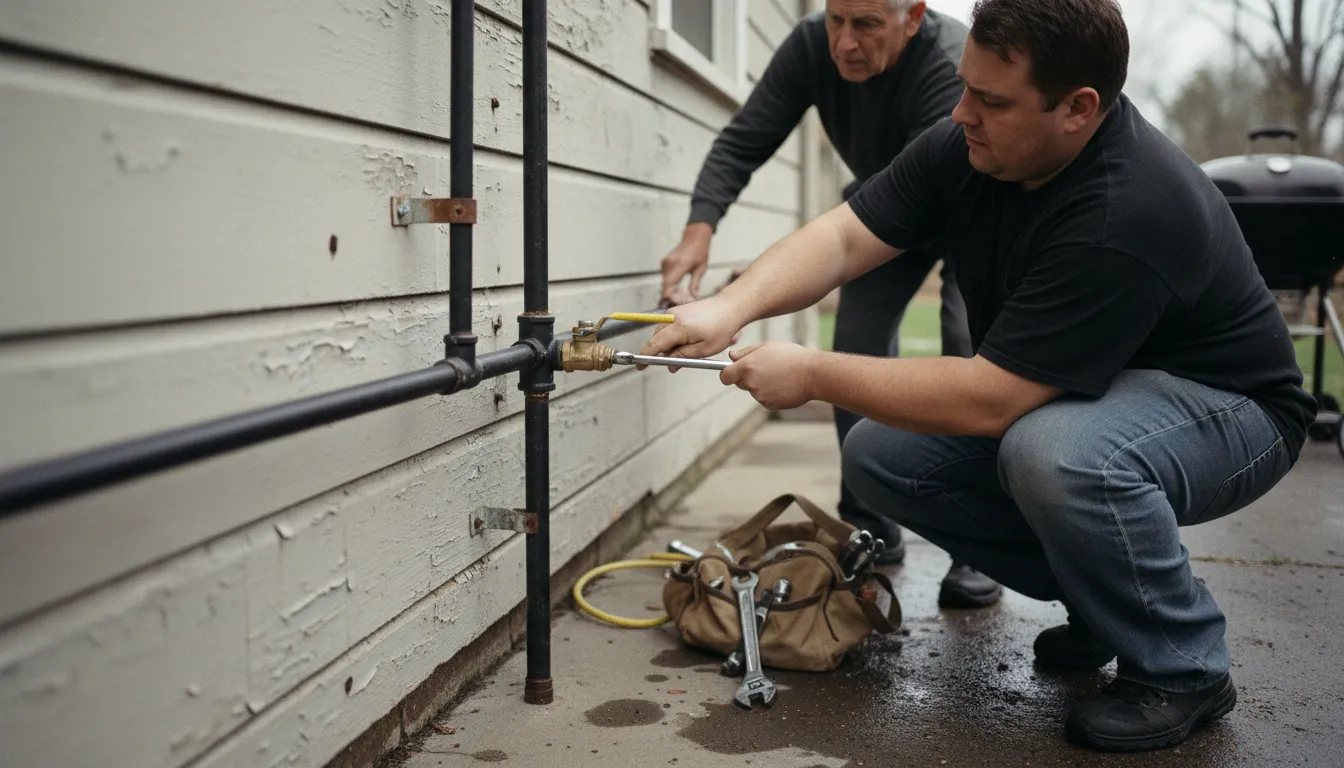
Find the Best Gas Line Plumbing Companies for Your Business
No obligation • Fast responses • Nationwide coverage

Why you can trust Search a Plumber
Search a Plumber is a leading United States resource for finding and evaluating professional plumbing services. Our team researches licensing, experience, and customer feedback to create unbiased, fact-driven overviews. Companies cannot pay to change ratings or placement, ensuring homeowners get trustworthy information.
Search providers near you
Top Gas Line Plumbing Companies in Cleveland Heights, Ohio Ranked
Natural gas is a reliable and efficient fuel source for heating, cooking, and drying in many Cleveland Heights homes. However, working with gas lines is a specialized and highly regulated trade due to the inherent safety risks. This resource is designed to help you understand the critical aspects of gas line services, from the importance of proper permits and licensed professionals to the step-by-step process of installation or repair. Whether you're connecting a new gas stove, replacing an old line, or addressing a leak, finding a qualified local expert is the most important step to ensure the job is done safely and to code.
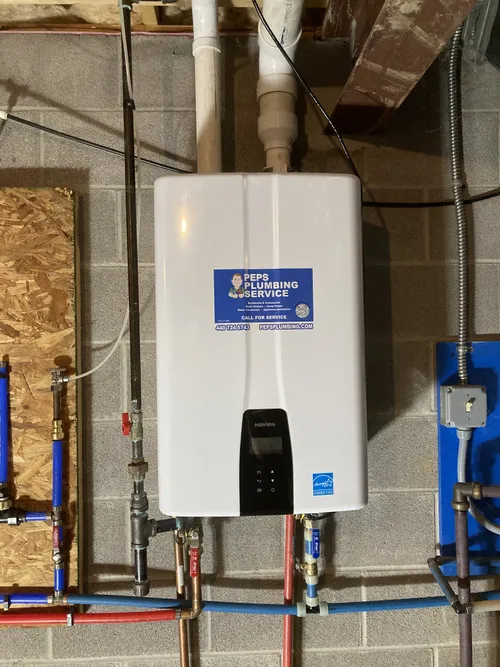
Peps Plumbing Service
153 Center St, Chardon, OH 44024
Peps Plumbing Service is a local, family-owned plumbing company serving Cleveland, OH, and surrounding areas including Chardon, Mentor, and Painesville. They provide a wide range of plumbing services such as water heater repair and installation, water softener installation, drain cleaning, leak detection, and gas line installation. Their team is equipped to handle both minor repairs and major plumbing projects, with capabilities including advanced leak detection and gas line inspections. Peps Plumbing Service emphasizes honest pricing and expert workmanship in their community-focused approach.
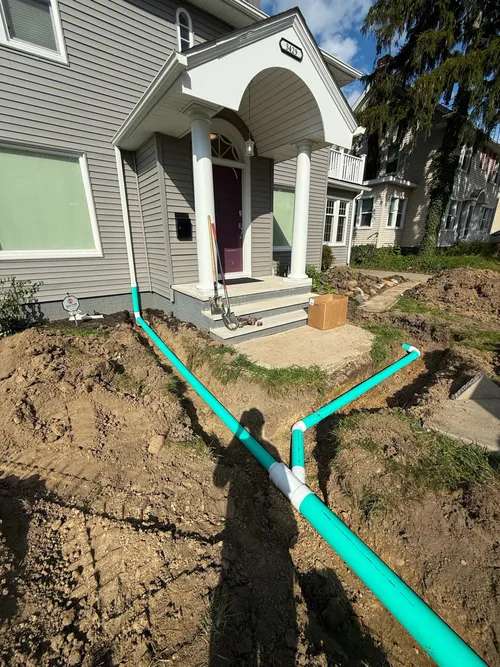
Ironclad Plumbing and Drain
Cleveland, OH
Ironclad Plumbing and Drain is a plumbing service provider based in Cleveland, OH. They specialize in sewer camera inspections, sewer line repairs, and gas line installations, along with comprehensive plumbing inspections and kitchen and bath plumbing services. Using advanced video camera technology, they can inspect deep within plumbing systems to identify and address issues with sewer and drainage lines. Their team handles a range of essential utility system projects to maintain the reliability of home infrastructure.
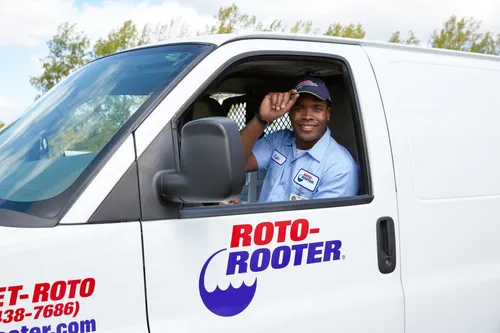
Roto-Rooter Plumbing & Water Cleanup
10574 Ravenna Rd Ste 2A, Twinsburg, OH 44087
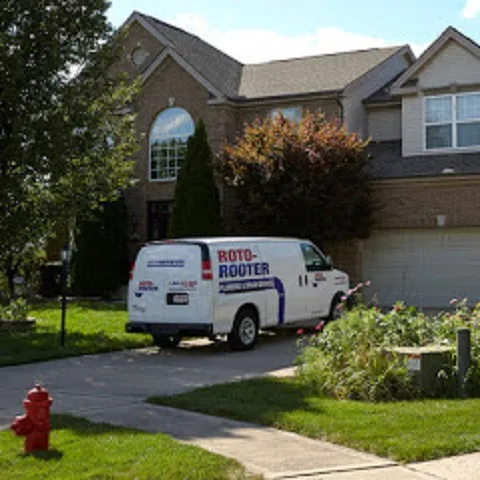
Roto-Rooter Plumbing & Water Cleanup provides comprehensive residential and commercial plumbing services in Cleveland, OH. Their offerings include water heater repair and installation, drain cleaning, sewer line repair with trenchless options, leak detection, gas line installation, and garbage disposal repair. The company also specializes in emergency flood cleanup and mold remediation. They use advanced equipment such as hydro jetting for drain cleaning and offer 24/7 availability year-round to handle urgent plumbing needs. Serving the Cleveland area, Roto-Rooter has extensive experience managing complex commercial plumbing systems and residential repairs. Their expertise in trenchless sewer repair minimizes disruption during sewer line work. The company emphasizes prompt emergency response and continuous service availability, ensuring plumbing issues are addressed at any time.
Roto-Rooter Plumbing & Water Cleanup
27575 Euclid Ave, Euclid, OH 44132
Roto-Rooter Plumbing & Water Cleanup offers a wide range of plumbing services in Cleveland, OH, including drain cleaning, sewer line repair, water heater installation and repair, leak detection, and gas line installation. They serve both residential and commercial clients, handling everything from minor repairs to complex sewer system maintenance. The company uses advanced equipment such as video camera sewer inspections and provides trenchless sewer repair options to minimize disruption. Roto-Rooter is available 24/7 for emergency plumbing services, ensuring support whenever urgent issues arise.
Plunger Plumber
5265 Commerce Pkwy W, Cleveland, OH 44130
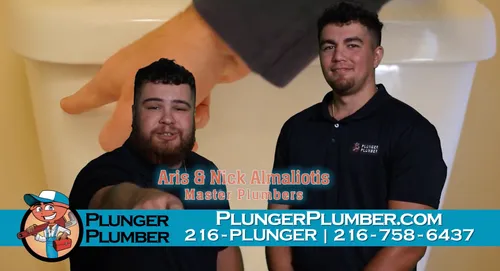
Plunger Plumber is a family-owned plumbing company serving Cleveland, OH, and the surrounding Northeast Ohio region for over 20 years. They provide a wide range of plumbing services including sewer camera inspections, drain cleaning, gas line installation and repair, water heater installation and repair, sump pump services, and trenchless sewer line repairs. Their skilled team uses advanced technology such as hydro jetting and sewer camera inspections to diagnose and resolve plumbing issues efficiently. Plunger Plumber offers 24/7 emergency services, particularly for gas line repairs, ensuring safety and prompt response for urgent plumbing needs.
Understanding Gas Line Work and Local Regulations
In Cleveland Heights, all gas line work is governed by strict safety codes and local ordinances. The Ohio Building Code (OBBC) sets the baseline for safe practices, and the City of Cleveland Heights Building Department enforces these rules through a permit and inspection system. This regulatory framework isn't just bureaucracy; it's a vital layer of protection for your home and neighborhood. Natural gas is odorless in its natural state, but a mercaptan additive gives it that distinctive "rotten egg" smell to alert you to leaks. Proper installation by a certified technician, followed by a city inspection, is your best defense against potential hazards like gas leaks, fires, or carbon monoxide poisoning.
Why Permits and Licensed Professionals Are Non-Negotiable
You might wonder if a permit is truly necessary for your project. In nearly all cases involving gas piping installation or major repair, the answer is a firm yes. The City of Cleveland Heights requires permits for running concealed gas piping (lines inside walls or underground), for any new appliance hookups, and for significant repairs or replacements. The licensed contractor you hire will typically pull this permit on your behalf, as they must be registered to work within the city 1.
The reason this is so critical is twofold. First, the permit process triggers mandatory inspections. A city inspector will examine the work at key stages to verify it meets all safety codes before the system is pressurized and put into use. Second, the utility company-like Dominion Energy Ohio-will not turn the gas back on to a new or modified system without seeing the city's final approval sticker. Attempting this work as an unpermitted DIY project or hiring an unlicensed handyman can leave you with a disconnected gas service and a significant safety liability.
The Step-by-Step Process for Gas Line Projects
A professional gas line installation or replacement follows a meticulous, multi-stage process. Understanding these steps can help you communicate effectively with contractors and know what to expect.
-
Planning and Permitting: The process begins with a site assessment. A technician will determine the best route from the gas meter to the appliance, considering obstacles and code requirements for clearances. A critical early step is calling Ohio 811 at least 48 hours before any digging to have underground utility lines marked, preventing dangerous and costly strikes. Concurrently, your contractor will secure the necessary permits from the Cleveland Heights Building Department 2.
-
Trenching and Material Preparation: For underground gas pipe installation, this phase involves excavating a trench to the code-specified depth (typically at least 18 inches deep). For interior work, access points in walls or floors are prepared. The appropriate piping material is selected based on the application-common choices include durable black steel, copper (where allowed), or flexible Corrugated Stainless Steel Tubing (CSST).
-
Installation and Connection: The new gas lines are carefully run and secured. All connections, or fittings, are made using proper techniques-thread sealant for steel pipes or specialized crimping tools for CSST. The line is connected to the main gas meter shut-off valve and run to the specific appliance location, where a shut-off valve is installed.
-
Pressure Testing: This is the cornerstone of safety verification. Before walls are closed up or trenches are filled, the entire new section of piping is pressurized with air or an inert gas to a level higher than normal operating pressure. The system is then monitored for a set period. Any drop in pressure indicates a leak that must be found and repaired before proceeding.
-
Final Inspection and Gas Turn-On: Once the system passes the pressure test, the city inspector is called for a final review. They check the workmanship, materials, and safety devices. After they grant approval, your contractor can coordinate with the gas utility to have the meter set and the gas service safely turned on and checked at each appliance 3.
Find the perfect gas line plumbing companies for your needs
Get personalized recommendations and expert advice
Key Safety Considerations for Homeowners
Safety is paramount when dealing with natural gas. Beyond hiring a licensed professional, homeowners should be aware of these critical points:
- Responding to Suspected Leaks: If you smell gas (that sulfur-like odor), hear a hissing sound near a line, or your gas appliance pilot lights keep going out, act immediately. Do not operate light switches, phones, or anything that could create a spark. Evacuate everyone from the house and call 911 or your gas utility's emergency line from a safe distance outside 4.
- Carbon Monoxide (CO) Risks: Faulty gas line connections or poorly vented appliances can lead to carbon monoxide buildup-an odorless, colorless, and deadly gas. Ensuring your gas lines are installed correctly is the first line of defense. Every home with gas appliances should also have working CO detectors installed on each level 5.
- Code Compliance is Safety: The rules in the OBBC-about pipe sizing, material types, support intervals, and clearance from electrical lines-are all based on decades of safety data. Adherence to these codes isn't optional; it's what keeps your household safe 6.
Cost Factors and Local Service Providers
The cost for gas line repair or installation in Cleveland Heights is highly variable and depends on the project's scope. A simple hookup for a gas dryer or stove in a location near an existing line might cost a few hundred dollars plus permit fees. A full gas line replacement from the meter to the house, involving trenching, can range from $1,500 to $5,000 or more, depending on the length, depth, soil conditions, and materials used 7 8 9.
The most accurate way to understand your cost is to obtain detailed quotes from licensed, insured local professionals. Several established companies serve the Cleveland Heights area, including firms like W.F. Hann & Sons, PK Wadsworth, Arco Home Services, and The Plumbing Source, all of which offer expertise in gas line services 10 11 12. When comparing quotes, ensure they include all costs: labor, materials, permit fees, and inspection coordination.
Maintaining Your Gas System
After a proper installation, maintenance is straightforward but important. Keep the area around your gas meter and appliance shut-off valves clear for easy access in an emergency. Be mindful not to damage exposed gas lines in basements or crawl spaces. Have your gas-fired appliances (furnace, water heater) serviced annually by a qualified technician, who will also check the connecting gas lines. Periodually check that flexible appliance connectors (like those behind a stove) are in good condition and not kinked or stretched.
Frequently asked questions
Sources
Footnotes
-
Plumbing Permits - City of Cleveland Ohio - https://www.clevelandohio.gov/city-hall/departments/building-housing/divisions/permits/plumbing-permits ↩
-
Building Permits | Cleveland Heights, OH - https://www.clevelandheights.gov/151/Building-Permits ↩
-
How Gas Line Installation Works: A Step-by-Step Guide - https://www.mrrooterohiovalley.com/blog/the-gas-line-installation-process-and-how-it-works ↩
-
Gas Line Installation Service in Cleveland ,OH - Chimcare - https://www.chimcare.com/location/gas-line-installation-service-in-cleveland-oh/ ↩
-
Gas Line Service In Cleveland & Northeast Ohio | Call Today - https://www.vehbrothers.com/plumbing/gas-lines/ ↩
-
§ 3135.03 Permits Required - https://codelibrary.amlegal.com/codes/cleveland/latest/cleveland_oh/0-0-0-20952 ↩
-
Seamless Gas Line Installation in Cleveland, Ohio - Wilson Plumbing - https://www.wilsonplumbingandheating.com/post/cleveland-gas-line-installation ↩
-
Gas Line Repair & Installation in Cleveland, Ohio - https://plumbingsource.net/plumbing/gas-line-services/ ↩
-
Cleveland gas line replacement cost - Wilson Plumbing - https://www.wilsonplumbingandheating.com/post/cleveland-gas-line-replacement-cost ↩
-
Gas Line Service in Cleveland, OH | Repair - WF Hann - https://wfhann.com/plumbing/gas-lines/ ↩
-
Gas Line Installation Cleveland, OH | Arco Home Services - https://www.goarco.com/plumbing-services/gas-line-installation/ ↩
-
Gas Line Repair, Replacement & Inspection in Cleveland, OH - https://www.pkwadsworth.com/plumbing/gas-line-services ↩