Find the Best Gas Line Plumbing Companies for Your Business
No obligation • Fast responses • Nationwide coverage

Why you can trust Search a Plumber
Search a Plumber is a leading United States resource for finding and evaluating professional plumbing services. Our team researches licensing, experience, and customer feedback to create unbiased, fact-driven overviews. Companies cannot pay to change ratings or placement, ensuring homeowners get trustworthy information.
Search providers near you
Top Gas Line Plumbing Companies in Santa Fe, New Mexico Ranked
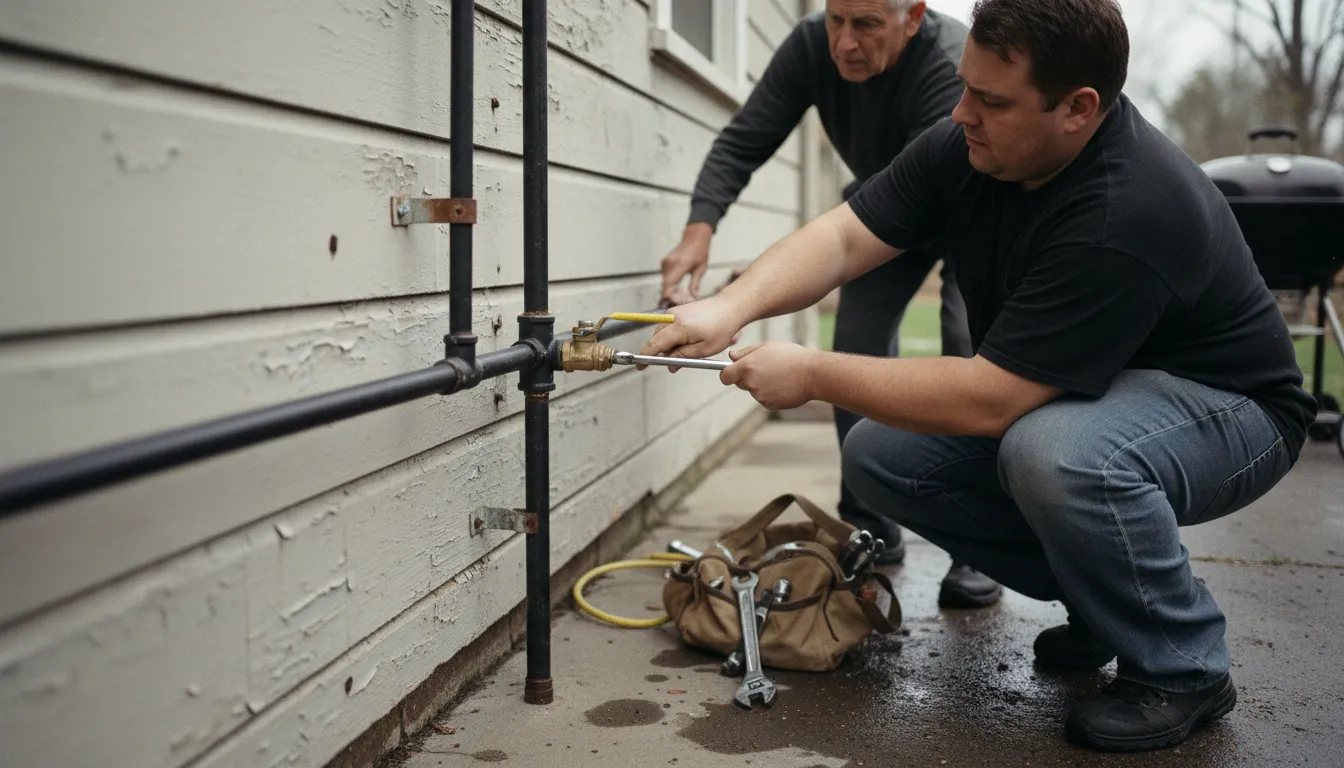
Gas line installation and repair is a critical service for safely powering appliances like stoves, water heaters, dryers, and fireplaces in your home. Proper gas piping work is essential for safety, preventing leaks, fires, and carbon monoxide poisoning. This guide will help you understand the process, regulations, and key considerations for finding qualified professionals in Santa Fe to handle your natural gas or propane line needs.
Understanding Gas Piping Work in Santa Fe
Installing or repairing a gas line is not a typical DIY project. It involves working with pressurized, flammable gas that requires strict adherence to safety protocols and building codes. In Santa Fe, this work is governed by state and local regulations designed to protect homeowners and the community. Whether you're adding a gas fireplace for those cool mountain evenings, switching to a gas stove, or connecting a backup generator, the process follows a structured path from planning to final inspection.
Professional gas fitters and plumbers handle everything from calculating the required pipe size based on appliance BTU demands to selecting the correct materials and performing mandatory leak tests. The goal is to create a secure, efficient system that delivers fuel reliably to your appliances for years to come.
The Santa Fe Permit and Inspection Process
Before any work begins, the proper permits must be secured. This is a non-negotiable step for any new gas line installation or significant alteration in Santa Fe.
- Permit Requirement: A building or trade permit is required for gas piping work. You or your contractor must apply through the City of Santa Fe's Building Permits division.
- Purpose of Permits: The permit process ensures your project is reviewed for compliance with current safety codes before work starts. It also triggers the necessary inspections.
- Fees: Permit fees vary and are often based on the project's valuation. The city also charges fees for required inspections, with a minimum fee typically around $60 for re-inspections if needed 1 2.
Inspections are mandatory and occur at key stages, usually after the pipe is run but before it is covered by walls or backfilled in a trench. A city inspector will verify the materials used, the installation methods, and the results of a pressure test. Passing inspection is crucial for legal compliance and, most importantly, for your safety.
Step-by-Step: The Gas Line Installation Journey
A professional gas line project follows a logical sequence to ensure safety and reliability.
1. Planning and Assessment
A licensed technician will first assess your needs. This includes:
- Determining the total BTU (British Thermal Unit) load of all appliances the new line will supply.
- Planning the pipe route from the meter or propane tank to each appliance.
- Selecting the appropriate pipe material (e.g., black iron pipe for rigid runs, CSST - Corrugated Stainless Steel Tubing - for flexible applications).
- Identifying any obstacles, like concrete slabs or landscaping, that might complicate the run.
2. Trenching and Path Creation
For underground lines, trenching is necessary. Professionals will:
- Call 811 to have all public underground utilities marked.
- Dig a trench to the required depth (often 12-18 inches) to protect the line from damage.
- For indoor lines, create pathways within walls, floors, or ceilings.
3. Pipe Installation and Connection
The gas pipe is then laid or secured. Technicians will:
- Cut and thread black iron pipe or unroll and cut CSST.
- Use proper gas-rated fittings and apply pipe dope or tape designed for gas connections.
- Securely fasten the pipe with hangers or straps at regular intervals.
- Connect the line to the gas meter or source and run it to the appliance shut-off valves.
4. Pressure Testing and Leak Detection
This is the most critical safety step. The entire new section of piping is pressurized with air or an inert gas and monitored with a gauge for a set period. Any drop in pressure indicates a leak that must be found and sealed before proceeding 3. Professionals use specialized leak detection solutions or electronic sniffers to locate even tiny leaks.
5. Appliance Hookup and Final Verification
Once the line passes its pressure test, the utilities can be connected. The technician will:
- Connect the flexible appliance connector from the shut-off valve to the appliance (e.g., your range or dryer).
- Check for leaks at the final connection points.
- Verify that each appliance lights and operates correctly.
- Ensure proper ventilation for combustion appliances to prevent carbon monoxide buildup.
Find the perfect gas line plumbing companies for your needs
Get personalized recommendations and expert advice
Critical Safety and Code Considerations
Working with gas demands respect for its potential dangers. Adhering to the following is paramount:
- Professional Installation Only: The risks of fire, explosion, and carbon monoxide (CO) poisoning are too great for amateur work. Always hire a licensed, certified plumber or gas fitter experienced in gas piping 4.
- Code Compliance: All work must meet the latest editions of relevant codes, such as the International Fuel Gas Code (IFGC) and local Santa Fe amendments. Professionals stay current on these requirements.
- Correct Materials: Only pipes, fittings, and sealants rated for fuel gas may be used. Using the wrong materials can lead to premature corrosion and leaks 5.
- Carbon Monoxide Detectors: Installing UL-listed CO detectors on every level of your home, especially near sleeping areas and gas appliances, is a vital backup safety measure 6.
Understanding Costs for Gas Line Projects in Santa Fe
The cost of gas line installation or repair in Santa Fe is highly variable and depends on several factors. There is no standard "per-foot" price that applies to every situation, as project complexity drives the final cost.
Key factors influencing price include:
- Linear Footage: The total length of pipe needed from the source to the appliance.
- Materials: Black iron pipe, CSST, and their respective fittings have different costs.
- Labor Intensity: Difficulty of the run (e.g., tunneling under a driveway, working in finished walls) significantly impacts labor time.
- Number of Appliances: Each additional branch or hookup adds to the project scope.
- Permit and Inspection Fees: These are separate, pass-through costs from the city 7.
Common cost components you'll see in a quote:
- Permit acquisition fees
- Cost of pipe, fittings, valves, and hangers
- Labor, often quoted as a project rate or based on an estimated number of days
- Pressure testing and leak detection
- Appliance connection fees
- Costs for trenching, patching drywall, or restoring landscaping.
To get an accurate estimate for your specific project, you must obtain detailed quotes from multiple licensed, insured plumbing professionals serving the Santa Fe area 8 9. They can assess your property and provide a breakdown of all anticipated costs.
Frequently asked questions
Sources
Footnotes
-
construction permit fees - Santa Fe New Mexico - https://santafenm.gov/document_center/document/1393 ↩
-
Santa Fe Building and Trade Permit Guide - https://www.permitflow.com/blog/santa-fe-building-permit ↩
-
Expectations During a New Gas Line Installation for Your Home? - https://magnificentplumbing.com/new-gas-line-installation-for-your-home/ ↩
-
Reliable Gas Piping in New Mexico - Expert Repairs & Installs - https://firstratephc.com/gas-piping/ ↩
-
Essential Guide to Gas Line Installation: Tips and Safety Precautions - https://gaeberly.com/gas-line-installation/ ↩
-
How to Install a Gas Line: Safety Tips and Best Practices? - https://www.tnstandard.com/gas-line-installation-safety-tips-and-best-practices/ ↩
-
Santa Fe Building and Trade Permit Guide - PermitFlow - https://www.permitflow.com/blog/santa-fe-building-permit ↩
-
Gas Piping in Santa Fe, NM - https://www.santafeexpressplumbing.net/plumbing-solutions/residential-plumbing/gas-piping/ ↩
-
Foot by Foot: Understanding Gas Line Installation Costs - https://jollyplumbing.com/gas-line-installation-cost-per-foot/ ↩