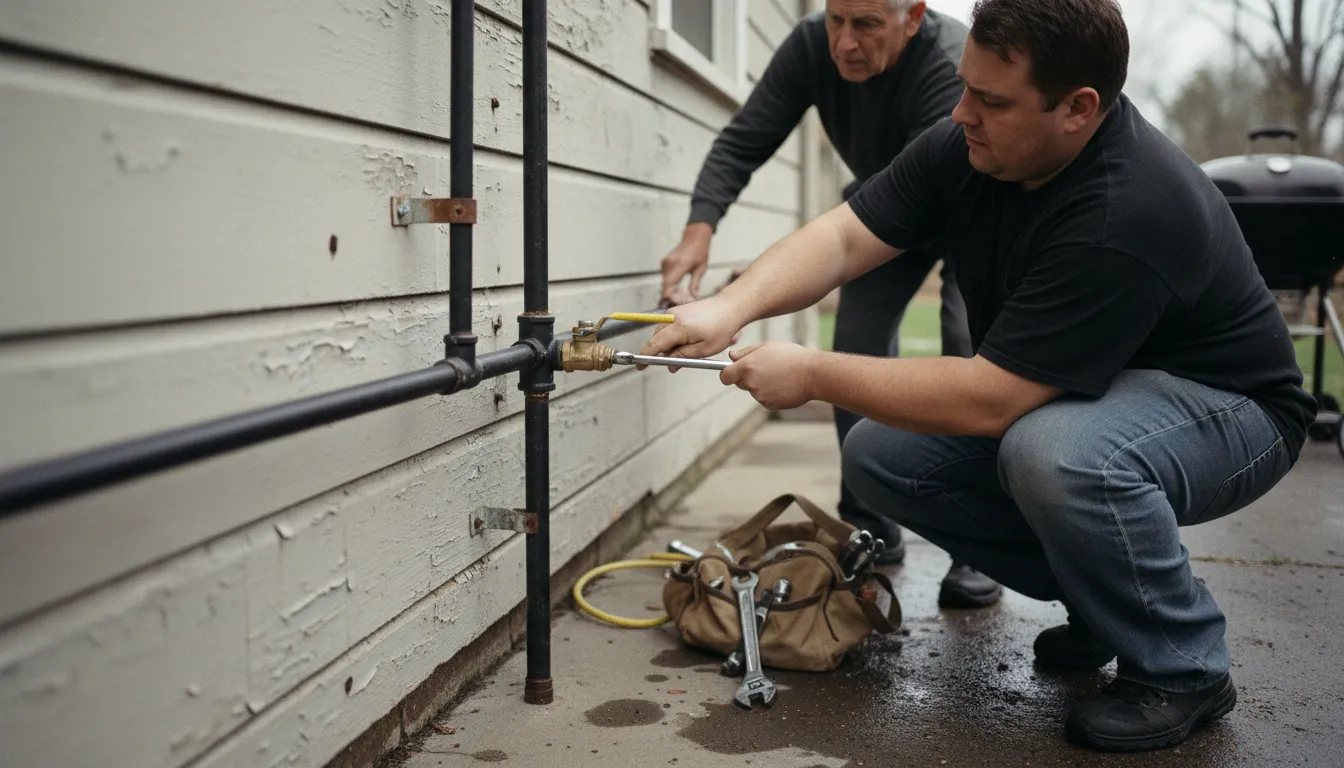
Find the Best Gas Line Plumbing Companies for Your Business
No obligation • Fast responses • Nationwide coverage

Why you can trust Search a Plumber
Search a Plumber is a leading United States resource for finding and evaluating professional plumbing services. Our team researches licensing, experience, and customer feedback to create unbiased, fact-driven overviews. Companies cannot pay to change ratings or placement, ensuring homeowners get trustworthy information.
Search providers near you
Top Gas Line Plumbing Companies in Somerville, Massachusetts Ranked
Connecting your home or business to natural gas requires specialized expertise, especially for safety-critical tasks like gas line installation and repair. This work involves running pipes from the main supply to appliances like stoves, dryers, furnaces, and water heaters. In Somerville, these projects are strictly regulated to protect property and lives, making it essential to work with licensed professionals who understand local codes. The information here is designed to help you understand the process, regulations, and what to expect when you need gas piping services in the area.
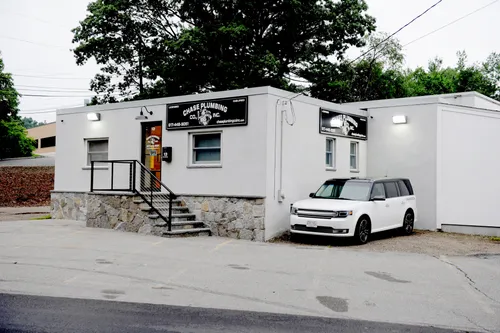
Chase Plumbing Co., Inc.
13 Adams St, Burlington, MA 01803
Chase Plumbing Co., Inc. is a licensed and insured plumbing company serving Boston, MA, and surrounding communities. They provide plumbing, heating, gas piping, and drain cleaning services for both residential and commercial properties. The company holds a Massachusetts Master Plumber license and offers expertise in gas line installation and drain cleaning. Chase Plumbing Co., Inc. serves a broad area including Lexington, Burlington, Winchester, and other nearby towns.
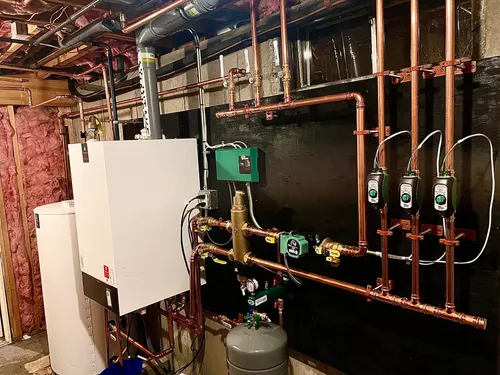
AJM Plumbing And Heating LLC
45 Exchange St, Rockland, MA 02370
AJM Plumbing And Heating LLC is a plumbing and heating service provider based near Boston, MA. They offer water heater installation, repair, and maintenance for both tank and tankless systems, along with leak detection, repiping, gas line installation, and toilet repair. The company installs high-efficiency heating systems and provides warranties on parts and labor, with tankless water heaters qualifying for Mass Save rebates. AJM Plumbing also handles gas appliance connections and plumbing winterization to protect systems from harsh New England winters. They serve a wide area including Rockland, Hull, Quincy, and other nearby communities.
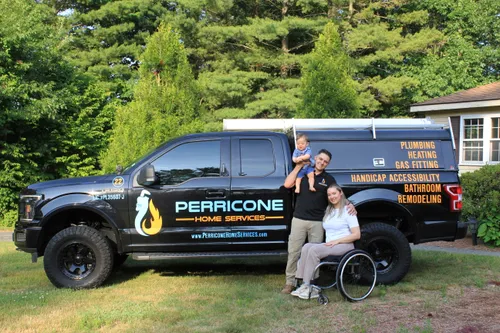
Perricone Home Services
111 Middlesex Turnpike #1103, Burlington, MA 01803
Perricone Home Services is a plumbing and gas service provider based in Boston, MA. They offer a range of services including water heater repair and installation, tankless water heater services, sump pump repair, leak detection, repiping, gas line installation, and garbage disposal repair. The company is known for thorough inspections, clear communication, and using quality materials. They have experience handling complex plumbing issues such as re-piping and interior gas leaks. Customers appreciate their detailed explanations and multiple repair options. Perricone Home Services responds promptly to emergencies, including after-hours and weekend calls, ensuring timely repairs and installations.
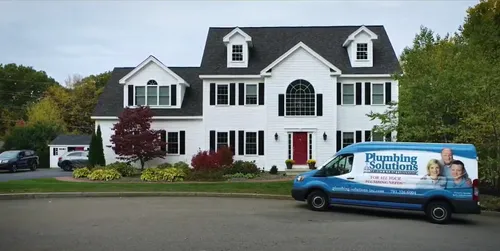
Plumbing Solutions
5 Business St, Dedham, MA 02026
Plumbing Solutions is a plumbing service provider located in Boston, MA, with over 20 years of experience. They specialize in drain cleaning, gas line installation, and toilet repair, serving the South Suburban and Metro West Boston areas. The company focuses on service, repair, and remodeling, emphasizing punctuality, cleanliness, and client satisfaction. Their capabilities include handling water and steam boilers, radiant heat systems, and gas appliance installations.
Vaughan Plumbing & Heating, LLC
Boston, MA
Vaughan Plumbing & Heating, LLC has been serving residential plumbing and heating needs in Boston, MA since 2008. The company addresses a wide range of services including water heater repair and installation, drain cleaning, leak detection, repiping, gas line installation, and toilet repair. They specialize in handling the unique plumbing challenges of Boston's older homes and harsh winters, offering expertise in winterization and emergency repairs. Vaughan Plumbing & Heating provides same-day or next-day emergency services and emphasizes clear communication and upfront pricing to keep customers informed throughout the process.
Understanding Gas Line Services
Gas line work encompasses a range of services, from installing a new line for a kitchen range to repairing a leak in an existing pipe or extending service to an outdoor grill. Whether you're upgrading appliances, adding a gas fireplace, or addressing a safety concern, proper gas piping is non-negotiable. The systems that deliver natural gas or propane must be built to exacting standards to prevent leaks, which can lead to fire, explosion, or carbon monoxide poisoning. In a dense urban environment like Somerville, where homes are often close together, adherence to these safety protocols is a community-wide responsibility.
The Critical Role of Licensing and Permits
In Massachusetts, and specifically in Somerville, it is illegal for anyone other than a licensed Master Plumber to perform work on gas lines. This isn't just a formality; it's a fundamental safety requirement. A licensed professional has the training to handle the inherent dangers of combustible gas and the knowledge of the state and local plumbing codes that govern every aspect of the installation.
The Permit Process in Somerville: Before any work begins, your plumber must obtain a building permit from the City of Somerville's Inspectional Services Department (ISD). This is typically done online through the CitizenServe portal. The permit application will require details of the work and, crucially, a current Dig Safe number (see below). There are fees associated with this permit, which are generally paid at the time of the inspection request1. The permit process ensures the city is aware of the work and that it will be inspected upon completion.
Step-by-Step: The Gas Line Installation Process
A professional gas line project follows a meticulous sequence to ensure safety and code compliance from start to finish.
1. Planning and Dig Safe (811 Call)
The first step for any project that involves digging, even just a few inches, is to call Dig Safe at 811. This free service notifies all utility companies, who will come to your property and mark the locations of their underground lines (electric, cable, water, sewer). This is a legal requirement and is essential for preventing catastrophic accidents and service disruptions. Your plumber cannot get a permit without a Dig Safe number.
2. Trenching and Path Preparation
If the new gas line needs to run underground-for instance, from the street to your house or to an outdoor appliance-trenching is necessary. This involves excavating a narrow ditch to the required depth. This step adds significant labor and cost to a project, especially if it involves navigating rocky soil, tree roots, or existing structures like patios or driveways2. For indoor runs, the plumber will plan a path through walls, floors, or ceilings to reach the appliance.
3. Pipe Installation and Materials
The licensed plumber will install the new gas piping using approved materials. In Massachusetts, common materials include black iron pipe and copper tubing (type K or L), chosen for their durability and safety with gas. The plumber will cut, thread, and fit the pipes, installing necessary shutoff valves at accessible points. Each connection is carefully sealed using pipe dope or thread sealant designed for gas lines.
4. The Crucial Pressure Test
Once the pipe run is complete but before it's connected to any appliance, the plumber performs a pressure test. This involves sealing the system and pressurizing it with air to a level higher than normal operating pressure. The pressure is then monitored for a set period. A drop in pressure indicates a leak that must be found and repaired. This test is a mandatory checkpoint for safety.
5. Appliance Hookup and Final Inspection
After a successful pressure test, the plumber can connect the new line to the appliance, ensuring proper fittings and ventilation where required. The work is not complete until the city inspector visits. The plumber will request a final inspection through the permit system. The inspector will check the entire installation for code compliance, verify the pressure test was passed, and ensure everything is safe. Only after the inspector grants final approval can the new gas line be put into active use 3 4.
Find the perfect gas line plumbing companies for your needs
Get personalized recommendations and expert advice
Safety and Regulations You Should Know
Gas line safety extends beyond the installation day. Homeowners and business owners should be aware of key regulations and signs of trouble.
- Code Compliance is Paramount: The Massachusetts State Plumbing Code dictates everything from the type of pipe used to the placement of shutoff valves and the required clearances from electrical panels and ignition sources. A licensed plumber's expertise ensures your installation meets all these requirements.
- Recognize a Gas Leak: Natural gas is odorless, but a sulfur-like odorant (smelling like rotten eggs) is added so leaks can be detected. If you smell gas, hear a hissing sound near a line, or see dead vegetation over a buried line, take immediate action5 6.
- Leak Response Protocol: Do not use electrical switches, phones, or open flames. Evacuate the area immediately and call 911 or your gas company's emergency line from a safe distance. After the emergency is secured, a licensed plumber will be needed to repair the source of the leak.
Cost Considerations for Gas Line Projects
Costs for gas piping work can vary widely based on the project's scope and complexity. The figures below are general estimates for the Massachusetts area to help set expectations; your licensed professional will provide a detailed quote based on your specific situation 7.
- Minor Repairs: Fixing a small leak behind a stove or replacing a short section of accessible pipe might range from $120 to $500.
- New Appliance Line (Simple): Running a new line from an existing main to a nearby appliance (e.g., a kitchen stove) typically averages between $500 and $2,000. This covers labor, materials, and the permit.
- New Service Line (Street to House): Installing a brand-new gas service from the street main to your home's meter is a major project. Costs often range from $2,000 to $10,000 or more, heavily dependent on the distance and difficulty of trenching.
- Major Buried Line Repair: Repairing a leak in an underground line requires locating the leak, excavation, repair, and backfilling. These projects frequently cost $1,500 to $5,000+.
The final price is influenced by labor rates (typically $80-$150/hour for a licensed plumber in this specialty), length and diameter of pipe, materials, permit fees, and most significantly, the cost of excavation and trenching if needed8 9 10.
Choosing the Right Professional in Somerville
Given the safety and regulatory stakes, your choice of provider is the most important decision. Always verify that the plumber holds a current Massachusetts Master Plumber license. They should be fully insured and willing to pull the required Somerville building permit themselves. Ask for references for similar gas line projects and ensure their quote includes a detailed breakdown of labor, materials, and permit fees. A reputable professional will be transparent about the process, from the Dig Safe call to the final inspection.
Frequently asked questions
Sources
Footnotes
-
19-005 Building Permit Fees 2.pdf - http://cms5.revize.com/revize/somerville/19-005%20Building%20Permit%20Fees%202.pdf ↩
-
Gas Line Installation in Massachusetts - Heritage Home Service - https://justcallheritage.com/massachusetts/plumbing/gas-line-installation/ ↩
-
CITY OF SOMERVILLE - Amazon S3 - https://s3.amazonaws.com/somervillema-live/s3fs-public/permit-manual.pdf ↩
-
ISD - Building Division | City of Somerville - https://www.somervillema.gov/departments/isd/building-division ↩
-
Essential Guide to Gas Line Installation: Tips and Safety ... - https://gaeberly.com/gas-line-installation/ ↩
-
New Gas Line Installation Cost: Natural Gas Piping Supplies & ... - https://www.superbrothers.com/new-gas-line-installation-cost-natural-gas-piping-supplies-custom-piping/ ↩
-
Gas Line Installation Cost: 2023 Guide - https://www.superbrothers.com/gas-line-installation-cost-2023-guide/ ↩
-
How Much Do Gas Line Installation or Repairs Cost? [2026 Data] - https://www.angi.com/articles/what-average-cost-85-run-natural-gas-line.htm ↩
-
How Much Does It Cost to Install a Gas Line? [2025 Data] - https://www.homeadvisor.com/cost/plumbing/install-or-repair-gas-pipes/ ↩
-
How Much Does Gas Line Installation Cost? (2026) - HomeGuide - https://homeguide.com/costs/gas-line-installation-cost ↩