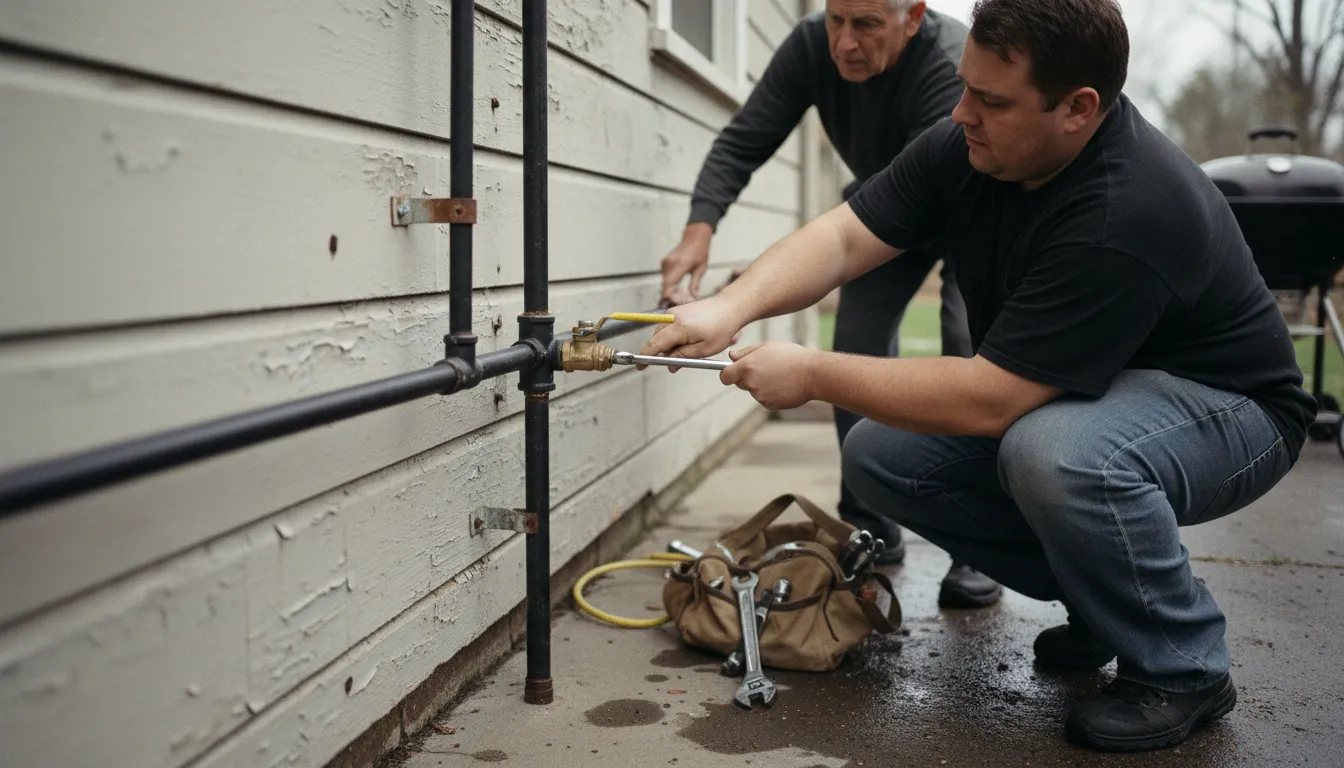
Find the Best Gas Line Plumbing Companies for Your Business
No obligation • Fast responses • Nationwide coverage

Why you can trust Search a Plumber
Search a Plumber is a leading United States resource for finding and evaluating professional plumbing services. Our team researches licensing, experience, and customer feedback to create unbiased, fact-driven overviews. Companies cannot pay to change ratings or placement, ensuring homeowners get trustworthy information.
Search providers near you
Top Gas Line Plumbing Companies in Quincy, Massachusetts Ranked
Gas line installation and repair is a critical service for connecting and maintaining the safe flow of natural gas or propane to your home's appliances. Proper gas piping work is essential for the safe operation of furnaces, water heaters, stoves, and fireplaces, ensuring your family's comfort and safety. This guide provides a detailed look at the process, regulations, and what to expect when you need professional gas line services in Quincy, helping you make informed decisions when selecting a qualified local expert.
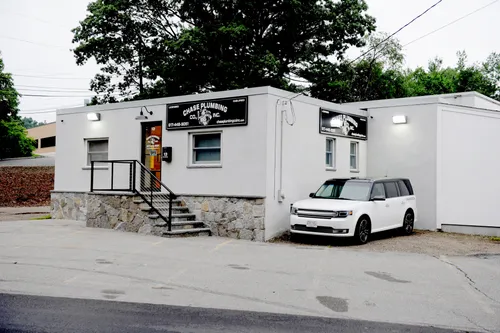
Chase Plumbing Co., Inc.
13 Adams St, Burlington, MA 01803
Chase Plumbing Co., Inc. is a licensed and insured plumbing company serving Boston, MA, and surrounding communities. They provide plumbing, heating, gas piping, and drain cleaning services for both residential and commercial properties. The company holds a Massachusetts Master Plumber license and offers expertise in gas line installation and drain cleaning. Chase Plumbing Co., Inc. serves a broad area including Lexington, Burlington, Winchester, and other nearby towns.
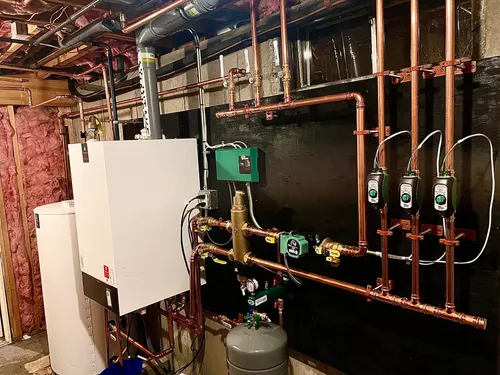
AJM Plumbing And Heating LLC
45 Exchange St, Rockland, MA 02370
AJM Plumbing And Heating LLC is a plumbing and heating service provider based near Boston, MA. They offer water heater installation, repair, and maintenance for both tank and tankless systems, along with leak detection, repiping, gas line installation, and toilet repair. The company installs high-efficiency heating systems and provides warranties on parts and labor, with tankless water heaters qualifying for Mass Save rebates. AJM Plumbing also handles gas appliance connections and plumbing winterization to protect systems from harsh New England winters. They serve a wide area including Rockland, Hull, Quincy, and other nearby communities.
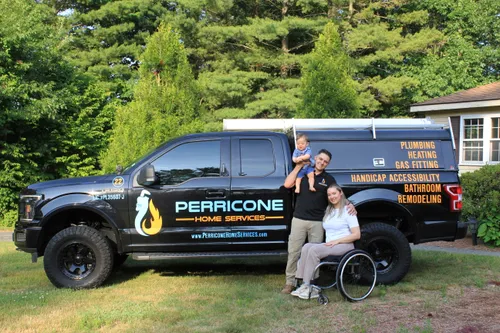
Perricone Home Services
111 Middlesex Turnpike #1103, Burlington, MA 01803
Perricone Home Services is a plumbing and gas service provider based in Boston, MA. They offer a range of services including water heater repair and installation, tankless water heater services, sump pump repair, leak detection, repiping, gas line installation, and garbage disposal repair. The company is known for thorough inspections, clear communication, and using quality materials. They have experience handling complex plumbing issues such as re-piping and interior gas leaks. Customers appreciate their detailed explanations and multiple repair options. Perricone Home Services responds promptly to emergencies, including after-hours and weekend calls, ensuring timely repairs and installations.
Plumbing Solutions
5 Business St, Dedham, MA 02026
Plumbing Solutions is a plumbing service provider located in Boston, MA, with over 20 years of experience. They specialize in drain cleaning, gas line installation, and toilet repair, serving the South Suburban and Metro West Boston areas. The company focuses on service, repair, and remodeling, emphasizing punctuality, cleanliness, and client satisfaction. Their capabilities include handling water and steam boilers, radiant heat systems, and gas appliance installations.
Vaughan Plumbing & Heating, LLC
Boston, MA
Vaughan Plumbing & Heating, LLC has been serving residential plumbing and heating needs in Boston, MA since 2008. The company addresses a wide range of services including water heater repair and installation, drain cleaning, leak detection, repiping, gas line installation, and toilet repair. They specialize in handling the unique plumbing challenges of Boston's older homes and harsh winters, offering expertise in winterization and emergency repairs. Vaughan Plumbing & Heating provides same-day or next-day emergency services and emphasizes clear communication and upfront pricing to keep customers informed throughout the process.
Understanding Gas Line Services
Gas line services encompass the installation of new fuel gas piping, the repair of existing lines, and the extension of lines to accommodate new appliances. Whether you're installing a gas stove, a tankless water heater, or a new furnace, this work involves running pipes from your gas meter to the specific appliance location. In older homes, it may also involve replacing outdated or corroded piping. Because natural gas is highly combustible, all gas fitting work must be performed to exacting safety standards by a licensed professional. In Quincy, this is not just a recommendation-it's a legal requirement enforced by local and state codes to prevent leaks, fires, and explosions.
The Quincy Permit and Inspection Process
Any new gas line installation or significant repair in Quincy requires proper permitting and inspection. This process is designed to ensure public safety and code compliance.
Local Authority: The Quincy Plumbing & Gas Department, under the city's Inspectional Services, is responsible for issuing permits and performing mandatory inspections for all fuel gas installations.
Typical Workflow: Your licensed plumbing professional will typically handle the entire permit process. This includes submitting the application, paying associated fees, and scheduling the required inspections. They ensure the planned work adheres to the Massachusetts Fuel Gas Code and any local Quincy ordinances.
Key Inspection Points: Inspections are critical checkpoints. You can expect an inspector to examine the work at specific stages, such as after the pipe is run but before it is covered (for underground lines) and again after all connections are made. The system must pass a final inspection and pressure test before the gas utility will activate the meter or before you can safely use the new appliance.
Step-by-Step: Professional Gas Line Installation
A professional gas piping job follows a meticulous sequence to guarantee safety and longevity.
- Planning and Permitting: The process begins with a site assessment and planning the pipe route. Your plumber will then secure the necessary permits from the Quincy Plumbing & Gas Department.
- Calling 811 (Dig Safe): This is a non-negotiable first step for any project involving digging. Massachusetts law requires you to call 811 at least 72 hours before excavation. This free service sends out utility companies to mark the location of all underground lines (gas, electric, water, sewer) on your property, preventing dangerous and costly strikes 1.
- Trenching: For underground lines, a trench is dug from the meter to the point of entry into your home. Depth requirements are specified by code (often 12-18 inches deep) to protect the pipe from damage.
- Pipe Installation: The licensed professional will run the appropriate type of pipe. Common materials include durable black iron (steel) pipe with threaded fittings or copper tubing, which is joined by brazing. The choice depends on local code, the application, and whether the line is indoors or outdoors.
- Connections and Fittings: All connections are made securely using approved methods. This includes connecting to the gas meter, running pipe through walls or ceilings (with proper protection), and installing the shut-off valve and flexible connector at the appliance 2.
- Pressure Testing: Before the trench is backfilled or walls are closed up, the plumber will conduct a pressure test. This involves sealing the system and pressurizing it with air to check for any leaks. A drop in pressure indicates a problem that must be fixed before proceeding.
- Final Inspection and Activation: Once the system passes the pressure test and all work is complete, a final inspection is scheduled with the city. After approval, the gas company can be called to activate the meter, and your appliances can be safely connected and tested.
Find the perfect gas line plumbing companies for your needs
Get personalized recommendations and expert advice
Critical Safety Considerations
Safety is the paramount concern with any gas system. Ignoring red flags can have catastrophic consequences.
- Smell Gas? Act Immediately: Natural gas is odorless, but a foul-smelling additive (mercaptan) that smells like rotten eggs or sulfur is added so leaks can be detected. If you smell gas inside your home:
- LEAVE the building immediately. Do not stop to open windows.
- AVOID creating any spark. Do not operate light switches, unplug appliances, or use phones or flashlights inside the home.
- CALL 911 from a safe distance away from the building.
- Professional Installation is Mandatory: Gas line work is not a DIY project. Only certified, licensed plumbers with specific training in fuel gas codes should install or repair gas piping. They have the knowledge, tools, and insurance to do the job safely and legally.
- Code Compliance Saves Lives: Adherence to the Massachusetts Fuel Gas Code ensures proper pipe sizing, material selection, support, and venting. This prevents hazards like incomplete combustion (which can produce deadly carbon monoxide), leaks, and potential explosions.
Understanding Costs for Gas Piping Projects
Pricing for gas line services in Quincy varies significantly based on the project's scope and complexity. There are no fixed rates, but understanding the factors involved can help you interpret estimates.
Project Scale and Cost Ranges:
- Small Appliance Hookup: Running a new line for a gas stove or dryer from an existing nearby line may range from $300 to $800 or more, depending on distance and complexity 3.
- New Line for a Major Appliance: Installing a new gas line from the meter to a furnace, water heater, or fireplace often falls in the range of $1,000 to $2,500+. This includes pipe, labor, permits, and the final connection 4 5.
- Large or Complex Projects: Whole-house repiping, installing a new external gas meter, or running lines for multiple new appliances (e.g., for a kitchen renovation) can cost several thousand dollars.
Key Factors Influencing Price:
- Length of Pipe Run: The distance from the meter to the appliance is a primary cost driver.
- Materials: The type and diameter of pipe required (black iron vs. copper).
- Labor Complexity: Difficulty of the run (e.g., digging through a finished basement ceiling, tunneling under a driveway).
- Permits and Inspections: Fees for Quincy permits and any associated plan reviews.
- Appliance Type: Different appliances may require specific valve types or connector kits.
Always ensure your estimate includes all permit fees, materials, labor, and a clear description of the work to be performed.
Choosing the Right Professional in Quincy
When your project involves fuel gas, selecting the right contractor is your most important decision. Look for a plumber who is:
- Licensed and Insured: They must hold a valid Massachusetts plumbing license and carry both liability and worker's compensation insurance.
- Local Experience: Familiarity with the Quincy Plumbing & Gas Department's specific inspectors and processes can streamline your project 6.
- Transparent with Permits: They should willingly handle the permit process and provide you with copies.
- Focused on Safety: They should discuss safety protocols, pressure testing, and be able to explain code requirements relevant to your job.
Frequently asked questions
Sources
Footnotes
-
Gas Line Installation: Essential Guide for Homeowners - https://www.salisburyut.com/the-basics-of-understanding-gas-line-installation-what-to-know-as-a-homeowner/ ↩
-
How to install an underground gas line - https://www.youtube.com/watch?v=XhZrhq7rW9A ↩
-
Gas Piping Services in Quincy, MA | Aspinwall Plumbing - https://www.aspinwallplumbing.com/plumbing/gas-piping/ ↩
-
Gas Line Installation in Massachusetts - Heritage Home Service - https://justcallheritage.com/massachusetts/plumbing/gas-line-installation/ ↩
-
Gas Line Services | Casper Plumbing & Heating | Quincy, MA - https://www.casperphdc.com/services/gas-line-services/ ↩
-
Plumbing & Gas Department - Inspectional Services - https://www.quincyma.gov/departments/inspectional_services/inspectional_services_departments/plumbing.php ↩