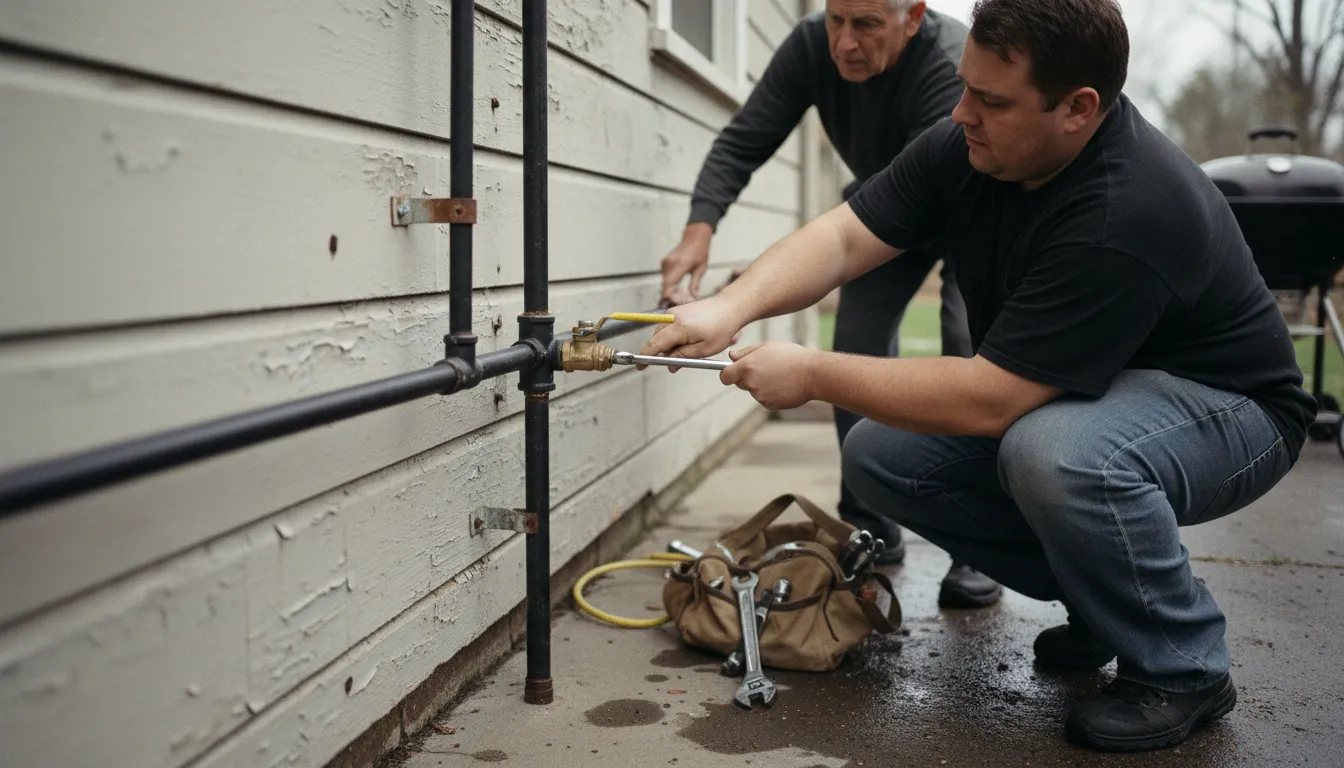
Find the Best Gas Line Plumbing Companies for Your Business
No obligation • Fast responses • Nationwide coverage
Why you can trust Search a Plumber
Search a Plumber is a leading United States resource for finding and evaluating professional plumbing services. Our team researches licensing, experience, and customer feedback to create unbiased, fact-driven overviews. Companies cannot pay to change ratings or placement, ensuring homeowners get trustworthy information.
Search providers near you
Top Gas Line Plumbing Companies in Olathe, Kansas Ranked
Navigating the world of natural gas lines for your home or business is a serious undertaking that requires precision, safety, and strict adherence to local codes. Whether you're adding a gas fireplace, installing a new range, or repairing an existing line, proper gas piping work is critical for the safety and functionality of your property. This guide explains the key processes, regulations, and considerations for gas line projects in Olathe, helping you understand what's involved so you can connect with qualified local professionals who can ensure the job is done right.

Royal Flush Plumbing & Repair
14370 NW 61st St, Parkville, MO 64152
Royal Flush Plumbing & Repair is a locally owned plumbing company serving Kansas City, MO. They provide a wide range of residential and commercial plumbing services including water heater installation and repair, drain cleaning, leak detection, gas line installation, and sewer camera inspections. The company is licensed and bonded, with over a decade of experience in the plumbing industry. They also offer 24/7 emergency plumbing services for urgent needs. Their expertise includes sewer line camera inspections to accurately diagnose plumbing issues. Royal Flush Plumbing & Repair has built a reputation for reliable service and comprehensive plumbing solutions throughout Kansas City.
Roto-Rooter Plumbing & Water Cleanup
4600 Kansas Ave Ste A, Kansas City, KS 66106
Roto-Rooter Plumbing & Water Cleanup provides a wide range of plumbing services in Kansas City, MO, including water heater repair and installation, sump pump repair, drain cleaning, sewer line repair, leak detection, repiping, gas line installation, toilet repair, and garbage disposal repair. They serve both residential and commercial clients, addressing plumbing challenges in historic and modern buildings alike. The company offers specialized services such as hydro jetting and floodwater cleanup, and they have experience with complex commercial plumbing systems. Roto-Rooter has a long history dating back to the invention of the original motorized drain snake in 1935 and offers 24/7 emergency plumbing services to handle urgent issues at any time.
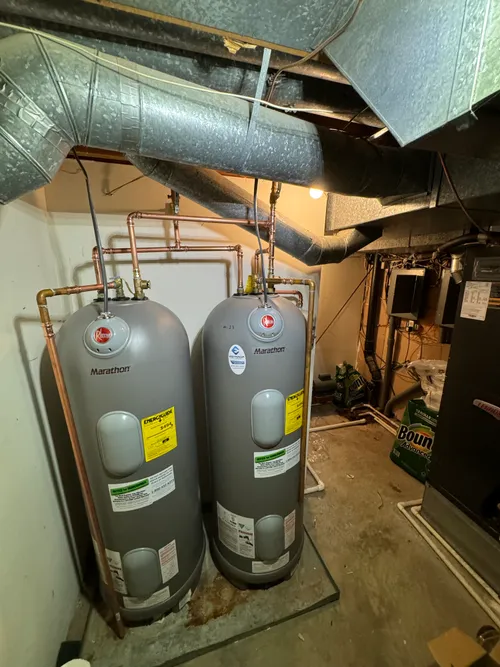
Estrada Plumbing
Kansas City, MO
Estrada Plumbing is a licensed and insured plumbing service provider based in Kansas City, MO. With 15 years of experience, they offer a range of services including water heater installation and repair, tankless water heater services, drain cleaning, leak detection, and gas line installation. They serve both residential and commercial clients, including hotels and restaurants. Estrada Plumbing also provides emergency plumbing services for issues like gas leaks and clogged drains.
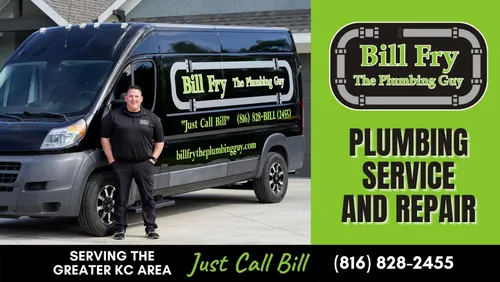
Bill Fry the Plumbing Guy
10308 State Line Rd # A, Leawood, KS 66206
Bill Fry the Plumbing Guy is a plumbing service provider based in Kansas City, MO, serving Leawood and nearby Johnson County neighborhoods including Prairie Village, Overland Park, and Mission Hills. The company offers a full range of plumbing services for both residential and commercial clients, including drain cleaning, sewer camera inspections, hydro-jetting, water heater repair and installation (tank and tankless), sump pump services, leak detection, and gas line installation. They use advanced tools like video inspections and hydro-jetting to diagnose and clear plumbing issues efficiently. The business also handles permit guidance and filing for major installations. Bill Fry the Plumbing Guy provides 24/7 emergency plumbing services to address urgent leaks, sewer backups, and water heater failures.
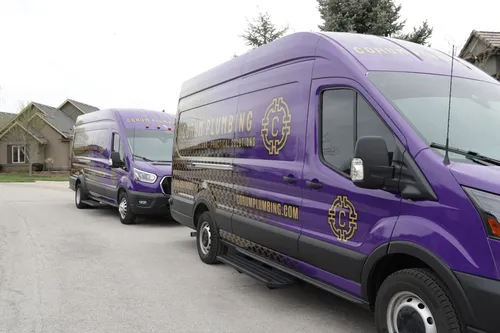
Corum Plumbing Heating & Cooling
95 SE Oldham Pkwy, Lee's Summit, MO 64081
Corum Plumbing Heating & Cooling is a plumbing company serving Kansas City, MO, and nearby areas including Overland Park, Blue Springs, Lee's Summit, and Leawood. They provide a range of plumbing services such as water heater repair and installation, sump pump repair, drain cleaning, sewer line repair, and gas line installation. The company is known for handling emergency plumbing repairs and offers 24/7 emergency service. Their team includes skilled plumbers trained by the owner to manage various plumbing needs effectively.
Understanding Gas Line Work in Olathe
Gas line installation and repair, often referred to as gas piping or fuel gas work, involves running pipes to safely deliver natural gas from the utility's main line to your appliances. In Olathe, this process is governed by a combination of city ordinances and the rules set by Kansas Gas Service (KGS), the local utility provider. This dual oversight ensures that every aspect of the system-from the meter at the street to the connection at your furnace-meets rigorous safety standards to prevent leaks, fires, or explosions.
The scope of a project can vary widely. A simple repair might involve replacing a section of exposed pipe, while a new installation could require extensive trenching across your yard. Common reasons homeowners seek this service include adding outdoor kitchens, fire pits, backup generators, or converting appliances from electric to gas. No matter the scale, the foundational steps of planning, permitting, and professional execution remain the same.
The Essential First Step: Calling 811
Before any shovel hits the ground for an underground gas line project, you must call 811. This free national service, "Call Before You Dig," notifies all relevant utility companies to send locators to your property. They will mark the approximate locations of buried lines, including not just gas, but also electric, water, sewer, and telecom cables.
This is a non-negotiable safety and legal requirement. Hitting an existing line can cause severe injury, property damage, service disruptions, and significant financial liability. You are required to make this call at least two full business days before you plan to start digging. Even if you are hiring a contractor, verify that this step is on their checklist. A reputable professional will never skip it.
Olathe Permits and Required Inspections
The City of Olathe's Building Inspections division mandates permits for most gas line installations and repairs. Your licensed plumbing contractor will typically pull these permits, which involve submitting plans and paying associated fees. The permit process ensures your project is reviewed for compliance with the International Fuel Gas Code and local amendments.
Once work begins, the city requires specific inspections before the line can be activated:
- Rough-In Inspection: After the pipe is run but before it is covered (if buried) or enclosed (if in a wall).
- Final Air Test ("Gas Line Complete"): This critical inspection involves pressurizing the entire new piping system with air to test for leaks. The system must hold pressure for a set duration to pass.
- Plumbing Final Inspection: A final overall sign-off from the city inspector.
Scheduling these inspections is the contractor's responsibility, and passing them is necessary for the city to grant final approval, allowing Kansas Gas Service to connect or re-connect the gas supply.
Working with Kansas Gas Service (KGS)
Kansas Gas Service manages the gas main in the street and the service line that runs from that main to your meter. For any new service installation or major alteration, you or your contractor must coordinate with KGS. Their guidelines specify how the meter must be set (typically straight and perpendicular to the street) and the requirements for the "pipe-out," which is the section of pipe that rises above ground to connect to the meter.
KGS will also handle the final connection of your new customer-owned piping to the meter and will purge air from the lines before introducing gas. They charge a connection fee for new service lines, which is a factor in the overall project cost.
Installation Process: From Trench to Appliance
A standard new underground gas line installation follows a detailed sequence:
- Planning and Route Mapping: A professional will map the most direct and feasible route from the meter to the appliance, avoiding major obstacles like tree roots, existing utilities, and foundations.
- Trenching: A trench is dug along the planned route. Local code dictates minimum depth (often 18-24 inches for gas lines in our region) to protect the pipe from surface activity and frost 1. The trench bed is prepared to be smooth and free of rocks.
- Piping Installation: The correct type of pipe is laid in the trench. Common approved materials include:
- Black Iron Pipe: Traditional, durable steel pipe used for exposed and buried applications. It requires threaded connections.
- CSST (Corrugated Stainless Steel Tubing): Flexible, yellow-jacketed tubing that is often easier to route through walls and attics. It must be properly bonded and grounded 2.
- Connections and Valves: The pipe is connected to the meter outlet and run to the appliance location. A dedicated shut-off valve is installed at each appliance for safety.
- Testing: As mentioned, the entire system undergoes a pressurized air test in the presence of the city inspector to confirm it is leak-free 3.
- Backfilling and Restoration: Once the pipe passes its rough-in inspection, the trench can be carefully backfilled. The yard is then restored as close as possible to its original condition.
Find the perfect gas line plumbing companies for your needs
Get personalized recommendations and expert advice
Key Safety Considerations for Gas Piping
The risks associated with natural gas make safety the paramount concern for any gas fitting project.
- Professional Installation is a Must: Gas line work is not a DIY project. Always hire a licensed plumber or contractor who is insured and experienced in fuel gas systems. They understand the complexities of pressure, ventilation, and proper material use.
- Material Matters: Using the wrong type of pipe, fittings, or sealant can lead to catastrophic failures. Professionals select materials listed for gas service and suitable for their specific application (indoor vs. outdoor, buried vs. exposed).
- Leak Detection and Regular Inspection: After installation, be aware of the smell of rotten eggs (the odorant added to gas). Consider installing UL-listed gas leak detectors. While not part of a standard real estate inspection, a specialized inspection of gas lines can identify corrosion, improper connections, or damage, providing peace of mind 4 5.
Factors Influencing Gas Line Project Costs
The cost for gas line installation or repair in Olathe is not a flat fee; it depends on several variables:
- Labor: The largest component, based on the project's complexity, time required, and the expertise of the contractor.
- Materials: The type and grade of pipe (black iron vs. CSST), fittings, valves, and trench protection.
- Trenching and Distance: The length of the run from the meter to the appliance and the difficulty of the digging (e.g., through rocky soil, under driveways) significantly impact cost.
- Permits and Fees: City of Olathe permit costs and Kansas Gas Service connection fees 6.
- Scope: A simple repair of an accessible line costs far less than installing a new line for a backyard fire pit 50 feet from the house.
Given these factors, projects can range from several hundred dollars for minor repairs to several thousand dollars for extensive new installations 7 8. The most reliable way to understand the cost for your specific need is to obtain detailed estimates from licensed local professionals.
Frequently asked questions
Sources
Footnotes
-
How to Install Natural Gas Lines Safely and Correctly - https://bluegasexpress.com/how-to-install-natural-gas-lines/ ↩
-
pipeline - Kansas Gas Service - https://www.kansasgasservice.com/media/KGS/ThePipeline/2022/KGS_Jan2022_Pipeline.pdf ↩
-
Building Inspections | City of Olathe - https://www.olatheks.gov/business/building-inspections ↩
-
How Often Should Gas Lines Be Inspected? - White Plumbing Co. - https://www.whiteplumbingcompany.com/how-often-should-gas-lines-be-inspected/ ↩
-
Do Home Inspectors Check for Gas Leaks? - https://anspect.com/do-home-inspectors-check-for-gas-leaks/ ↩
-
New Service Line Installation Guide - Kansas Gas Service - https://www.kansasgasservice.com/media/kgs/constructionservices/newservicelineinstallation_kgs.pdf ↩
-
Local Gas Line Installation In Kansas City, KS - KB Complete - https://kbcomplete.com/plumbing-services/gas-line-installation/ ↩
-
2025 Gas Line Installation Cost | Get Free Estimates - https://www.thumbtack.com/p/gas-line-installation-cost ↩