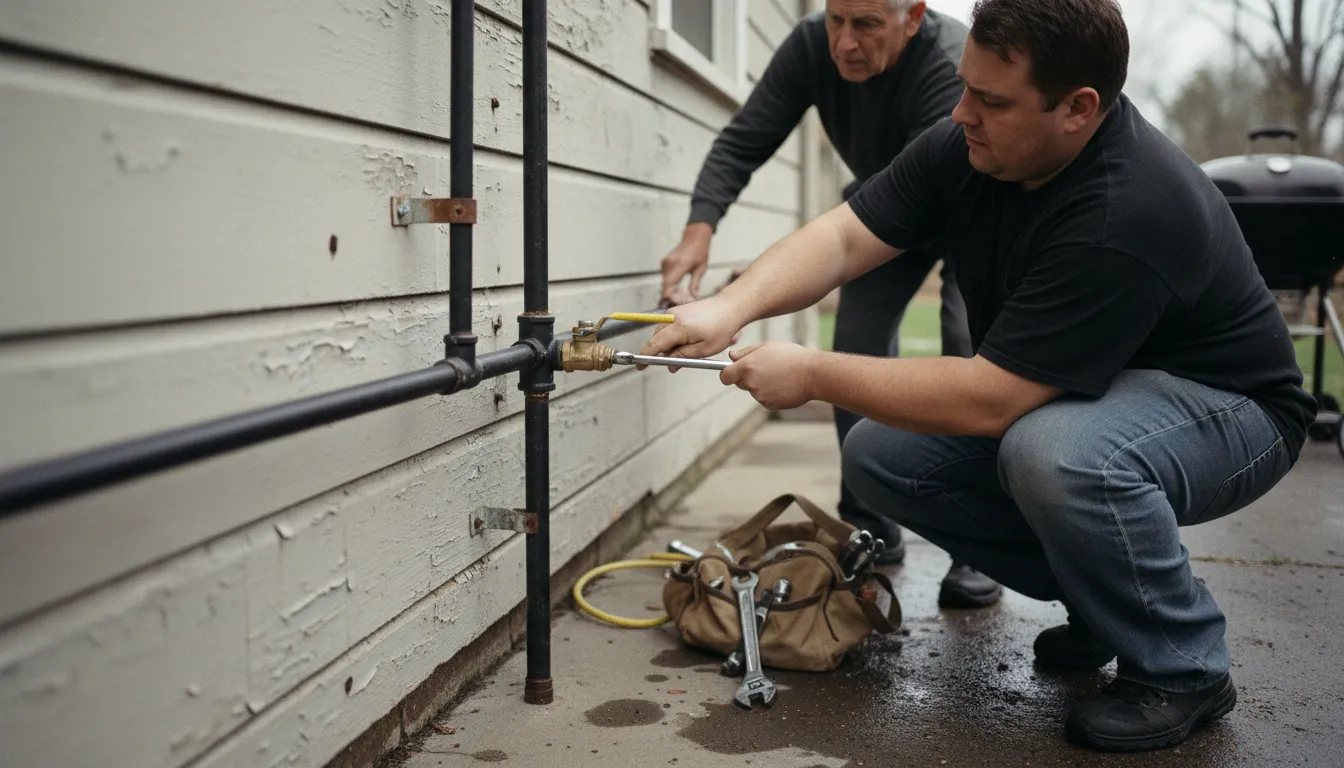
Find the Best Gas Line Plumbing Companies for Your Business
No obligation • Fast responses • Nationwide coverage

Why you can trust Search a Plumber
Search a Plumber is a leading United States resource for finding and evaluating professional plumbing services. Our team researches licensing, experience, and customer feedback to create unbiased, fact-driven overviews. Companies cannot pay to change ratings or placement, ensuring homeowners get trustworthy information.
Search providers near you
Top Gas Line Plumbing Companies in Tinley Park, Illinois Ranked
Ensuring your Tinley Park home has a safe and reliable gas supply is a critical task that requires professional expertise. Whether you're installing a new gas line for a stove, dryer, or outdoor kitchen, or repairing an existing line, this work involves strict safety codes, local permits, and specialized knowledge. This guide will help you understand the process, local requirements, and what to look for when finding qualified professionals for your gas piping project.
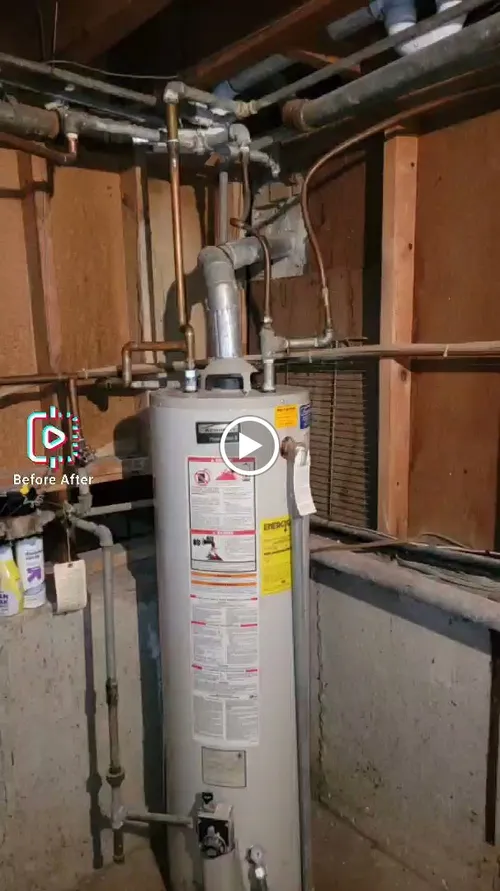
Keeley's Plumbing
270 Eisenhower Ln N #6, Lombard, IL 60148
Keeley's Plumbing is a locally owned plumbing company serving Chicago, IL, and nearby areas including DuPage County. They provide a range of plumbing services for residential and commercial clients, including drain cleaning, sewer camera inspections, sewer line repair and replacement, repiping, water heater repair, sump pump repair, gas line installation, and hydro jetting. Keeley's Plumbing uses sewer camera inspections to accurately diagnose issues before recommending repairs. The company offers 24/7 emergency plumbing services and focuses on serving a limited area to maintain local code knowledge and reduce travel times.
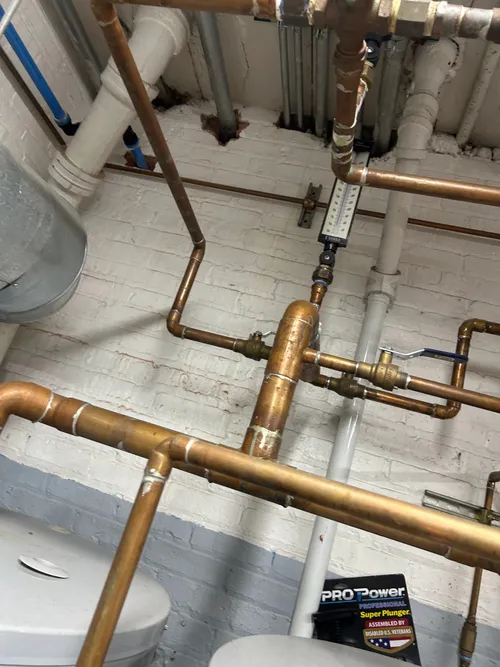
Walsh & Son Plumbing and Sewer
Chicago, IL
Walsh & Son Plumbing and Sewer is a licensed plumbing company serving Chicago, IL, and the surrounding Chicagoland area. Since 2013, this family- and woman-owned business has provided a range of plumbing services including sewer line repair, water heater installation and repair, sump pump maintenance, drain cleaning, leak detection, repiping, and gas line installation. Their team uses advanced technology for sewer camera inspections and offers a 10-year warranty on pipe installations, reflecting their commitment to durable workmanship. They also provide fast, same-day responses to plumbing issues and offer discounts for seniors, veterans, and first responders.
HorVer Gas Piping & Repair
5228 N Sheridan Rd, Chicago, IL 60640
HorVer Gas Piping & Repair is a licensed gas plumber serving Chicago, IL. The company specializes in gas leak repair, gas piping, pressure testing, and new gas line installations for residential, business, and industrial clients. With over 14 years of experience, HorVer focuses on safe, code-compliant work designed to last. Their services include certified gas line repair and pressure testing, ensuring safety and reliability for Chicago properties.
Chicago Gas Leak Repair LLC
2355 W 56th St, Chicago, IL 60636
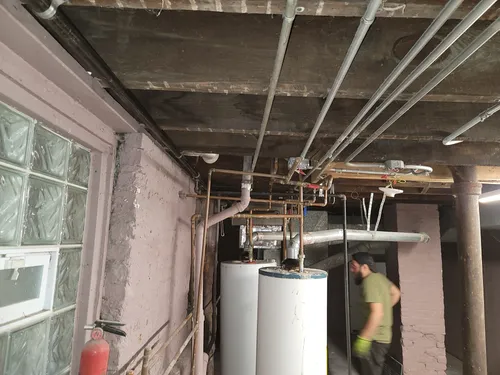
Chicago Gas Leak Repair LLC provides gas piping installations, leak repairs, and gas appliance services in Chicago, IL. With over 10 years of experience in residential, new construction, and commercial gas pipe fitting, the company handles gas line pressure testing, valve replacement, flexible hose replacement, and gas appliance installations including dryers, stoves, and water heaters. The team is led by a former utility company pipefitter with specialized gas utilities training, focusing on safety and attention to detail.
TR Miller Heating, Cooling, Plumbing and Electrical
11917 S Aero Dr, Plainfield, IL 60585
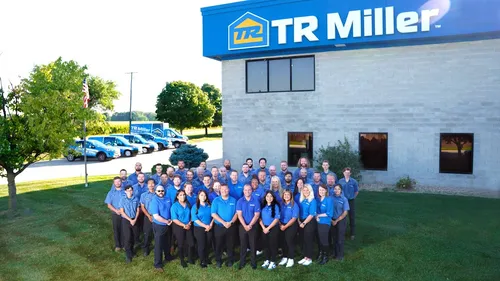
TR Miller Heating, Cooling, Plumbing and Electrical is a family-owned company serving Chicago, IL, and the Greater Chicago Area since 2008. They provide a wide range of plumbing, heating, cooling, and electrical services, including water heater repair and installation, sump pump repair, drain cleaning, gas line installation, and toilet repair. Their licensed technicians use the latest technology to deliver professional service and offer personalized recommendations tailored to each customer's needs. TR Miller also provides HVAC services such as heat pump and ductless mini-split installation, along with indoor air quality solutions like UV lights and air purifiers.
Understanding Gas Line Work in Tinley Park
Gas line installation and repair is not a typical DIY project. Working with natural gas or propane requires a deep understanding of plumbing systems, pressure dynamics, and combustible safety protocols. In Tinley Park, all gas piping work must comply with the International Fuel Gas Code (IFGC) and local amendments, which dictate everything from the type of pipe used to the depth of burial and testing procedures. The primary goal is to create a sealed, durable system that delivers fuel safely to your appliances without leaks.
Hiring a licensed professional is non-negotiable. Plumbers performing gas work in Illinois must hold the proper license, which ensures they have the training to handle the inherent risks. A qualified expert will manage the entire process, from pulling the necessary village permits to scheduling mandatory inspections, giving you peace of mind that the job is done correctly and legally.
The Tinley Park Permit and Inspection Process
Before any digging or pipe threading begins, your contractor must secure the proper permits from the Village of Tinley Park. This is a crucial step for safety and compliance.
Applying for Permits: Permits for gas line work are required and are obtained through the Village's BS&A Online portal 1. Your plumbing professional will typically handle this application, which includes details about the project scope. Permit fees can range from approximately $100 to $300, depending on the project's valuation and complexity.
Scheduling Inspections: Once work is complete but before the trench is backfilled or walls are closed up, a village inspector must examine the installation. Inspections are scheduled online or via email at building@tinleypark.org and are available in morning (8 AM - 12 PM) or afternoon (1 PM - 3:30 PM) slots. The inspector will verify that the installation meets all code requirements for materials, depth, connections, and safety.
Utility Marking (JULIE): A vital safety step that must occur before excavation is calling 811. This free service, known as JULIE in Illinois, dispatches utility companies to mark the locations of all underground public lines (like water, electric, and cable) on your property. This prevents accidental strikes, which can be dangerous and costly.
Step-by-Step: From Trench to Appliance
A professional gas line installation follows a meticulous sequence. Here's what you can expect when a licensed plumber tackles your project:
-
Site Preparation & Trenching: After JULIE has marked public utilities, the crew will excavate a trench from the main gas supply to the point of entry into your home. Code typically requires this trench to be 18 to 24 inches deep to protect the pipe from surface damage and frost. For indoor work, this involves carefully opening walls or floors to route the new piping.
-
Pipe Installation: The plumber will run approved gas piping materials. Common choices include durable black iron pipe or more flexible Corrugated Stainless Steel Tubing (CSST). The material choice depends on the application, local code, and the specific run. A tracer wire is often buried with the pipe to help locate it in the future 2.
-
Making Connections: The new pipe is carefully connected to the main gas line (often at the meter) and then run to the specific appliance shut-off valve. All fittings must be sealed properly using thread sealant or gaskets designed for gas.
-
The Critical Pressure Test: This is the most important safety check. The entire new section of pipe is sealed off and pressurized with air or an inert gas to a level higher than normal operating pressure. The system is then monitored for a set period-sometimes for just a few minutes, sometimes for several hours or more as required by code-to ensure there is no drop in pressure, which would indicate a leak.
-
Final Inspection and Backfill: After passing the pressure test, the village inspector is called to approve the work. Only after receiving this approval will the contractor backfill the outdoor trench or close up interior walls 3.
Find the perfect gas line plumbing companies for your needs
Get personalized recommendations and expert advice
Safety: The Paramount Concern
The risks associated with improper gas line work cannot be overstated. Natural gas is highly combustible, and leaks can lead to fire, explosion, or carbon monoxide poisoning. This is why every step of the process is governed by strict safety considerations.
- Licensing is Essential: Always verify that the plumber or contractor you hire is licensed to perform gas fitting work in Illinois. This license is proof of their specialized training in handling combustible gases 4.
- Code Compliance: Adherence to the IFGC and Tinley Park's local codes isn't just about legality; it's a blueprint for safety. Codes specify the correct materials, installation methods, and testing protocols to prevent failures.
- Leak Prevention: The rigorous pressure testing phase is designed solely to detect even the smallest leak before the system is ever connected to gas. Never let a contractor skip this step.
Cost Considerations for Gas Piping Projects
The cost of gas line services in Tinley Park varies significantly based on the project's scope and complexity. Here's a general breakdown of what you might expect in the Chicagoland area:
- Labor Rates: Licensed plumbers typically charge between $50 and $150+ per hour for their skilled labor 5 6.
- Project Complexity:
- Simple Hookup: Running a short line for a gas dryer or grill might cost between $500 and $1,000.
- Medium Project: Installing a line for a kitchen stove or fireplace often falls in the $1,000 to $1,500 range.
- Complex Installation: Long runs from the meter, installing a new main line, or navigating difficult landscapes (like under driveways) can range from $1,500 to $2,500 or more 7.
- Additional Costs: Remember to factor in the permit fees ($100-$300) and the cost of the pressure test itself, which can range from $75 for a basic test to $500 for a more extended, code-required test 8 9. If repairs require opening drywall or disturbing landscaping, restoration costs will add to the total.
The key takeaway is to get detailed, written estimates from multiple licensed professionals. The lowest bid may not account for all necessary permits, tests, or code-compliant materials, which can lead to problems and higher costs later 10 11.
Choosing the Right Professional for the Job
Your home's safety depends on this choice. Look for a plumbing contractor with:
- Verifiable Illinois License: Specifically for gas line work.
- Tinley Park Experience: Familiarity with the local building department, inspectors, and specific code interpretations streamlines the process.
- Insurance: Proof of liability and workers' compensation insurance.
- Detailed Estimates & Contracts: A clear scope of work, material specifications, a line item for permits and inspections, and a payment schedule.
- Positive Local References: Check reviews and ask for references from past gas line projects.
By choosing an experienced, licensed professional familiar with Tinley Park's requirements, you ensure the job is done safely, correctly, and to code, protecting your home and family for years to come.
Frequently asked questions
Sources
Footnotes
-
Building Permits - https://www.tinleypark.org/government/departments/community_development/building/building_permits.php ↩
-
Gas Line Issues and Installation | First Chicago Plumbing - https://firstchicagoplumbing.com/residential-plumbing-services/gas-line-issues-and-installation/ ↩
-
Tinley Park Gas Line Installation - TF Sullivan Plumbing - https://tfsullivan.com/tinley-park-gas-line-repair/ ↩
-
How Much Does It Cost to Install a Gas Line? [2025 Data] - https://www.homeadvisor.com/cost/plumbing/install-or-repair-gas-pipes/ ↩
-
How Much Do Gas Line Installation or Repairs Cost? [2026 Data] - https://www.angi.com/articles/what-average-cost-85-run-natural-gas-line.htm ↩
-
Gas Line Installation Cost: 2023 Guide - Super Brothers - https://www.superbrothers.com/gas-line-installation-cost-2023-guide/ ↩
-
Gas Line Installation Guide for Chicago Homeowners - https://midwestgaspiperepair.com/blog/gas-line-installation-guide-chicago ↩
-
Permit Fees - https://www.tinleypark.org/government/departments/community_development/building/permit_fees.php ↩
-
Gas Line Repair and Replacement Costs [2026 Data] | Angi - https://www.angi.com/articles/average-gas-line-repair-and-installation-costs.htm ↩
-
Underground Gas Line Installation in Chicago - https://www.fourseasonsheatingcooling.com/gas-line-installation/ ↩
-
Gas Line Installation in Chicago, IL - Intelligent Service - https://www.intelligentservice.com/plumbing/gas-lines/ ↩