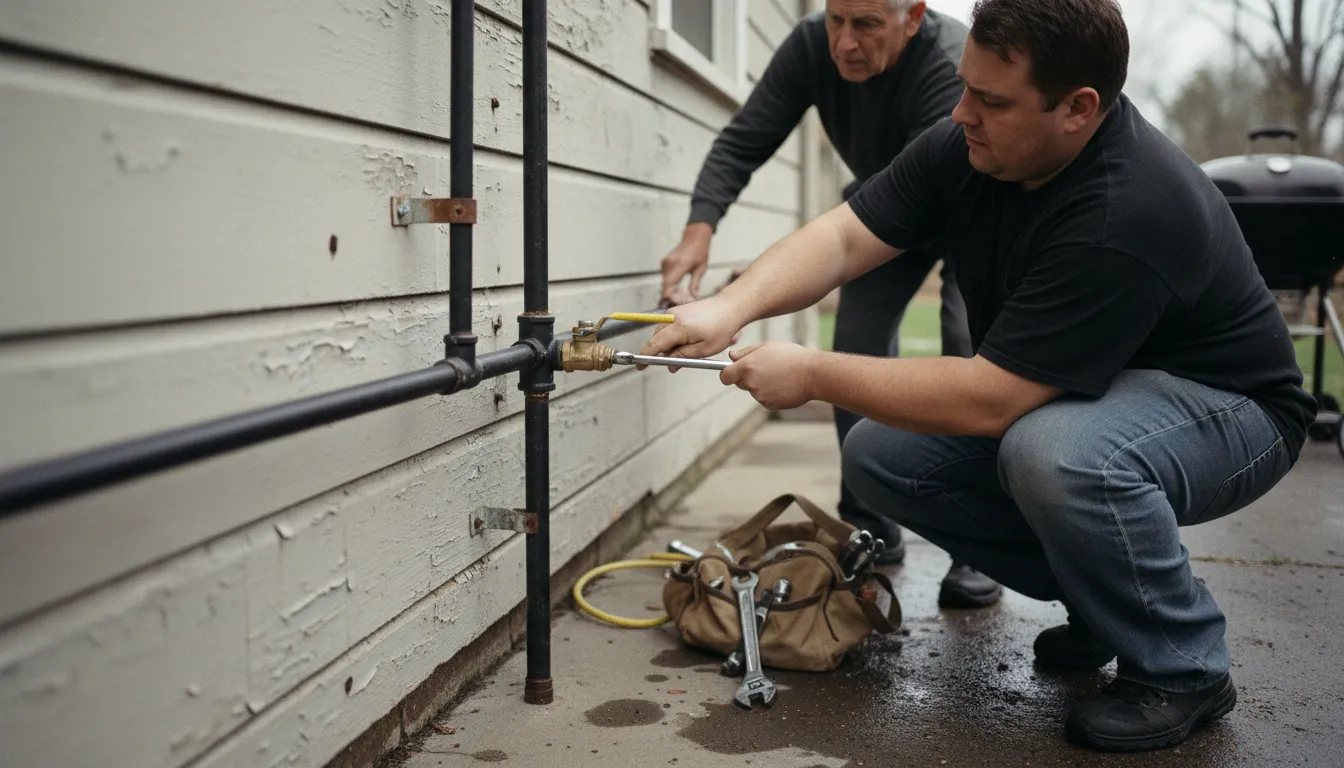
Find the Best Gas Line Plumbing Companies for Your Business
No obligation • Fast responses • Nationwide coverage

Why you can trust Search a Plumber
Search a Plumber is a leading United States resource for finding and evaluating professional plumbing services. Our team researches licensing, experience, and customer feedback to create unbiased, fact-driven overviews. Companies cannot pay to change ratings or placement, ensuring homeowners get trustworthy information.
Search providers near you
Top Gas Line Plumbing Companies in Evanston, Illinois Ranked
Installing or repairing a gas line is a critical home project that directly impacts your safety and comfort. Natural gas powers essential appliances like furnaces, water heaters, stoves, and fireplaces, but working with gas piping requires specialized knowledge and strict adherence to local codes. In Evanston, this process is governed by specific city regulations to ensure every installation is safe and compliant. This guide explains what you need to know about gas line services, from permits and procedures to safety and costs, helping you connect with qualified local professionals for your project.
Keeley's Plumbing
270 Eisenhower Ln N #6, Lombard, IL 60148
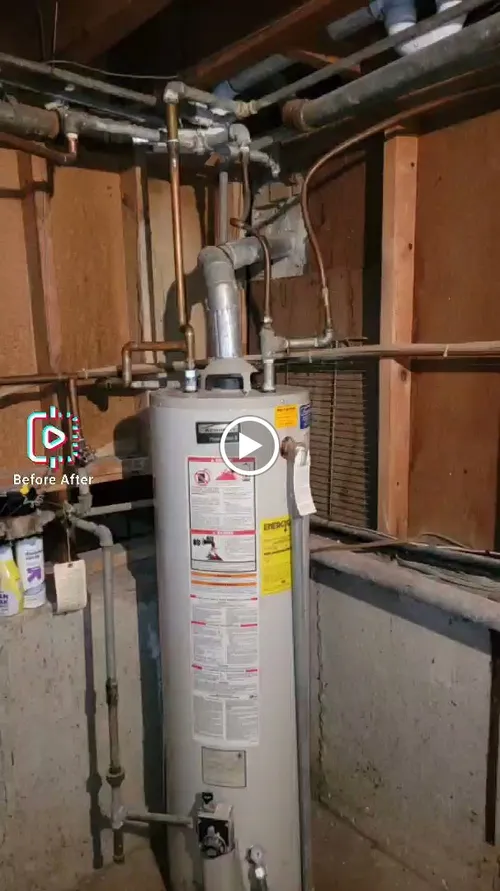
Keeley's Plumbing is a locally owned plumbing company serving Chicago, IL, and nearby areas including DuPage County. They provide a range of plumbing services for residential and commercial clients, including drain cleaning, sewer camera inspections, sewer line repair and replacement, repiping, water heater repair, sump pump repair, gas line installation, and hydro jetting. Keeley's Plumbing uses sewer camera inspections to accurately diagnose issues before recommending repairs. The company offers 24/7 emergency plumbing services and focuses on serving a limited area to maintain local code knowledge and reduce travel times.
Walsh & Son Plumbing and Sewer
Chicago, IL
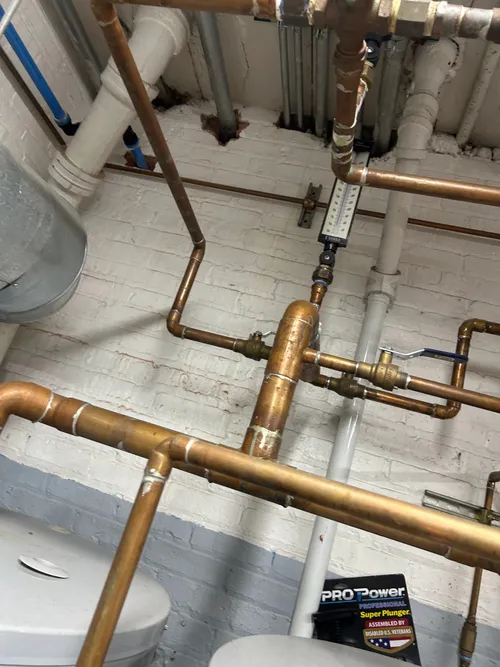
Walsh & Son Plumbing and Sewer is a licensed plumbing company serving Chicago, IL, and the surrounding Chicagoland area. Since 2013, this family- and woman-owned business has provided a range of plumbing services including sewer line repair, water heater installation and repair, sump pump maintenance, drain cleaning, leak detection, repiping, and gas line installation. Their team uses advanced technology for sewer camera inspections and offers a 10-year warranty on pipe installations, reflecting their commitment to durable workmanship. They also provide fast, same-day responses to plumbing issues and offer discounts for seniors, veterans, and first responders.
The All Pipes INC.
255 Holly Ln, Elk Grove Village, IL 60007
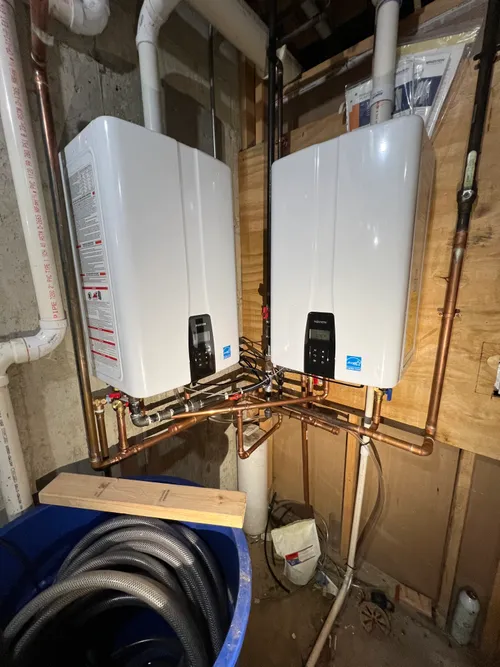
The All Pipes INC. is a licensed and insured plumbing company serving Chicago, IL. They provide a wide range of plumbing services including water heater repair and installation, trenchless sewer repair, sump pump installation, leak detection, and hydro jetting for drain cleaning. The company offers both residential and commercial plumbing solutions and specializes in tankless water heater installations to help reduce energy costs. Founded by Grigor Ganchev, who has built his career in plumbing over many years, The All Pipes INC. emphasizes integrity and clear communication with clients to maintain lasting relationships.
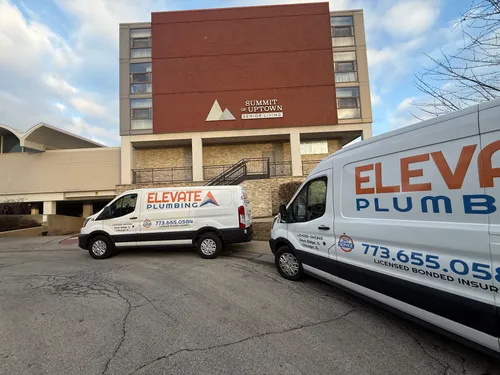
Elevate Plumbing
2307 Edna Ave, Park Ridge, IL 60068
Elevate Plumbing is a plumbing contractor serving Chicago, IL, and the surrounding areas including Park Ridge. They provide a range of residential and commercial plumbing services such as water heater installation and repair, sewer line replacement, sump pump repair, drain cleaning, and gas line installation. The company is licensed by the Illinois Department of Public Health and is known for handling projects with permits and up-to-code workmanship. Elevate Plumbing offers expertise in sewer line replacement and tankless water heater installation, with a focus on clear communication and customer collaboration.
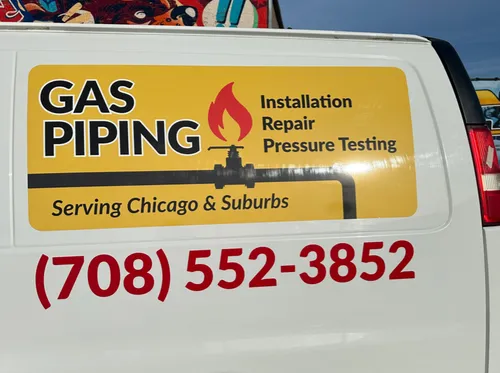
HorVer Gas Piping & Repair
5228 N Sheridan Rd, Chicago, IL 60640
HorVer Gas Piping & Repair is a licensed gas plumber serving Chicago, IL. The company specializes in gas leak repair, gas piping, pressure testing, and new gas line installations for residential, business, and industrial clients. With over 14 years of experience, HorVer focuses on safe, code-compliant work designed to last. Their services include certified gas line repair and pressure testing, ensuring safety and reliability for Chicago properties.
Understanding Evanston's Permit and Inspection Process
Before any work begins on your gas piping, securing the proper permits from the City of Evanston is a mandatory first step. This regulatory framework is designed to protect homeowners and the community by ensuring all work meets current safety standards.
Key Permit Requirements:
- Permit Application: All gas line work requires a permit from the City of Evanston Building & Zoning Department. The application will require details about the project scope and the contractor's information.
- Contractor Registration: The plumbing professional performing the work must be registered with the City of Evanston 1. Homeowners choosing to do their own work must complete and sign a homeowner affidavit1.
- Plan Reviews: For certain projects, especially those involving new utility connections, plans may need review by city engineering or fire departments 2.
The Inspection Checklist: Once a permit is issued, city inspectors will visit at critical stages. Expect inspections for:
- Visual Checks: Ensuring proper pipe materials, supports, and clearances are used.
- Pressure Testing: A mandatory test (often with air or nitrogen) to verify the entire system is leak-free before gas is introduced.
- Final Verification: Confirming proper appliance hookups, ventilation, and overall code compliance.
Navigating this process is a primary reason to hire a local expert familiar with Evanston's specific requirements.
The Step-by-Step Guide to Gas Piping Work
A professional gas line installation or repair follows a meticulous sequence to guarantee safety and longevity.
1. Pre-Excavation: The Critical Call Before a single shovel hits the ground, Illinois law requires you to call 811. This free service notifies utility companies to mark the location of all underground lines on your property, preventing dangerous and costly strikes 3. This is a non-negotiable first step.
2. Trenching and Access For new underground gas lines, trenching is necessary. In Evanston, where properties are often close together with existing utilities, this is frequently done by hand to avoid damaging other services. The required depth and trench location are dictated by code.
3. Pipe Material and Installation Professionals use code-approved piping materials. The two most common are:
- Black Iron Pipe: Traditional, rigid steel pipe known for its durability.
- CSST (Corrugated Stainless Steel Tubing): Flexible, coated tubing that can be easier to install in tight spaces. The installer will size the pipe correctly for your appliances, secure it with proper supports, and make leak-tight connections to the main line and your appliances.
4. Testing and Activation After installation, the system undergoes a rigorous pressure test, isolating it from the main gas supply. A gauge is attached, and the system is pressurized to a level above normal operating pressure and monitored for any drop, which would indicate a leak 4. Only after passing this test and the city inspection will the line be connected to the gas supply.
Find the perfect gas line plumbing companies for your needs
Get personalized recommendations and expert advice
Safety: The Paramount Concern with Gas Systems
Working with natural gas carries inherent risks, making safety the absolute top priority. Adhering to these principles is essential.
Always Use Licensed Professionals: Gas fitting is not a DIY project. Always hire a licensed, insured plumber or gas technician with specific experience in gas line work. They understand the chemistry, physics, and codes required for a safe system.
Recognize and Respond to Leaks: Know the signs of a gas leak: the distinctive rotten egg smell (odorant added to gas), a hissing sound near a line, or dead vegetation near a buried pipe. If you suspect a leak:
- Do not use electrical switches, phones, or open flames.
- Evacuate the area immediately.
- Call 911 or the gas company's emergency line from a safe distance.
Ensure Proper Ventilation: Every gas appliance requires adequate combustion air and venting to expel exhaust gases like carbon monoxide. Professional installation includes verifying these critical safety systems are in place 5.
Cost Considerations for Gas Line Projects in Evanston
The cost of gas line work varies significantly based on the project's complexity. While the figures below are general estimates for the Chicago area, they highlight the factors involved.
Project Scope & Price Ranges:
- Minor Repairs: Fixing a leak behind a stove or in an accessible area might range from $120 to $760.
- New Line Installation: Running a new line is typically priced per linear foot, often between $30 to $50+, depending on materials and difficulty6. A complete run for an appliance like a stove, dryer, or fireplace can range from $1,200 to $6,400 or more 7.
- Permit Fees: Budget for an additional $100 to $300+ for the required Evanston city permits8 9.
Primary Cost Drivers:
- Excavation: Hand-digging near other utilities or dealing with rocky soil increases labor costs10.
- Materials: The choice between black iron and CSST can affect material costs.
- Labor & Complexity: Running pipe through finished walls, under concrete, or over long distances adds time and complexity.
- Appliance Hookups: The number and type of appliances being connected.
The most valuable investment is in a qualified professional who will ensure the job is done safely, legally, and to code the first time, protecting your home and family11.
Frequently asked questions
Sources
Footnotes
-
Residential Permits | City of Evanston - https://www.cityofevanston.org/government/departments/community-development/residential-permits ↩ ↩2
-
Residential Permits - https://www.cityofevanston.org/government/departments/community-development/residential-permits ↩
-
Pipeline Safety - Illinois Gas - https://ilgas.com/index.php/pipeline-safety/ ↩
-
Gas Line Issues and Installation | First Chicago Plumbing - https://firstchicagoplumbing.com/residential-plumbing-services/gas-line-issues-and-installation/ ↩
-
How to Prepare for a Gas Line Inspection in Chicago - https://midwestgaspiperepair.com/blog/how-to-prepare-for-gas-line-inspection ↩
-
Underground Gas Line Installation in Chicago - https://www.fourseasonsheatingcooling.com/gas-line-installation/ ↩
-
How Much Does It Cost to Install a Gas Line? [2025 Data] - https://www.homeadvisor.com/cost/plumbing/install-or-repair-gas-pipes/ ↩
-
How Much Do Gas Line Installation or Repairs Cost? [2026 Data] - https://www.angi.com/articles/what-average-cost-85-run-natural-gas-line.htm ↩
-
Gas Line Installation Guide for Chicago Homeowners - https://midwestgaspiperepair.com/blog/gas-line-installation-guide-chicago ↩
-
Gas Line Installation in Chicago, IL - Intelligent Service - https://www.intelligentservice.com/plumbing/gas-lines/ ↩
-
The Ultimate Guide to Safe Gas Line Installation in Evanston - https://jblantonplumbing.com/45463-the-ultimate-guide-to-safe-gas-line-installation-in-evanston-what-you-need-to-know ↩