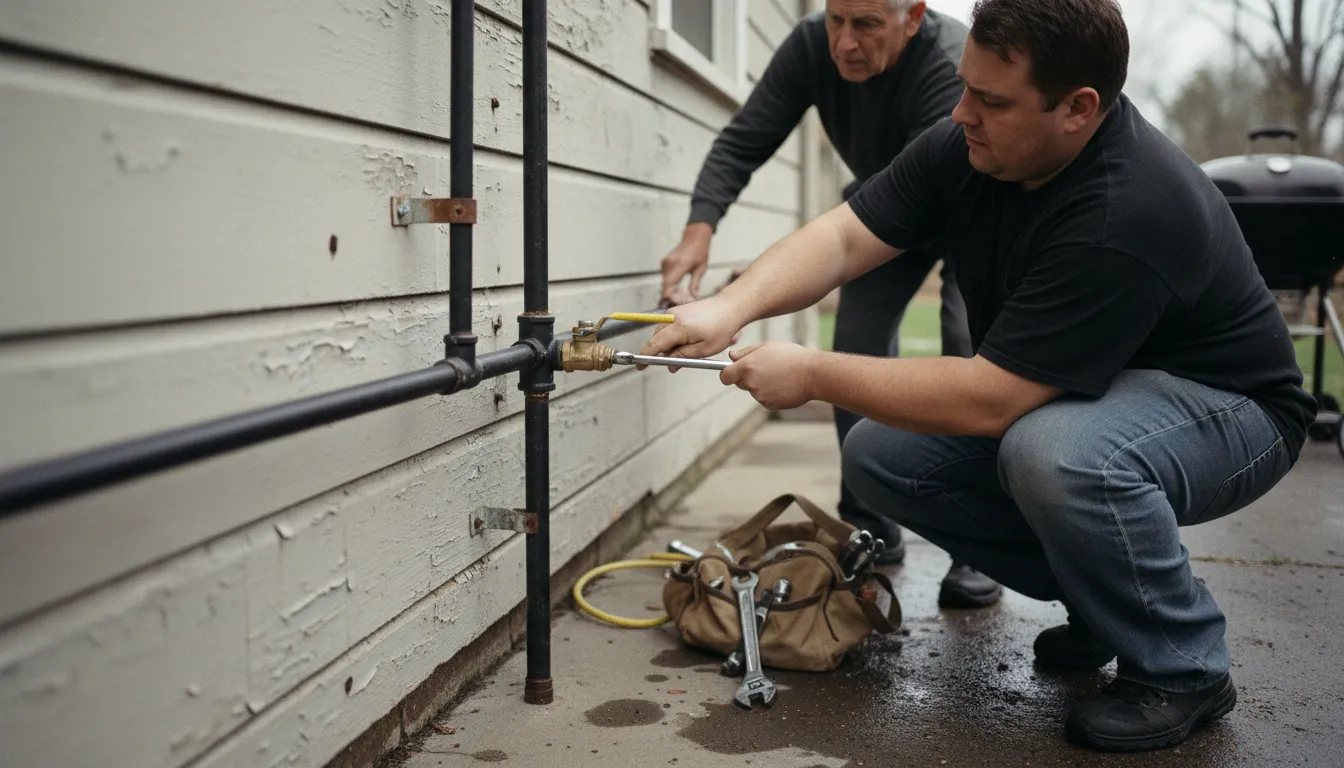
Find the Best Gas Line Plumbing Companies for Your Business
No obligation • Fast responses • Nationwide coverage

Why you can trust Search a Plumber
Search a Plumber is a leading United States resource for finding and evaluating professional plumbing services. Our team researches licensing, experience, and customer feedback to create unbiased, fact-driven overviews. Companies cannot pay to change ratings or placement, ensuring homeowners get trustworthy information.
Search providers near you
Top Gas Line Plumbing Companies in Cicero, Illinois Ranked
For homeowners and businesses in Cicero, a reliable and safe natural gas supply is essential for heating, cooking, and powering appliances. Gas line installation and repair is a specialized facet of plumbing that requires strict adherence to local building codes and safety standards to prevent dangerous leaks and ensure efficient operation. This guide explains the critical steps, regulations, and considerations for gas piping work in Cicero, helping you understand the process and connect with qualified local professionals who can handle your project safely and legally.
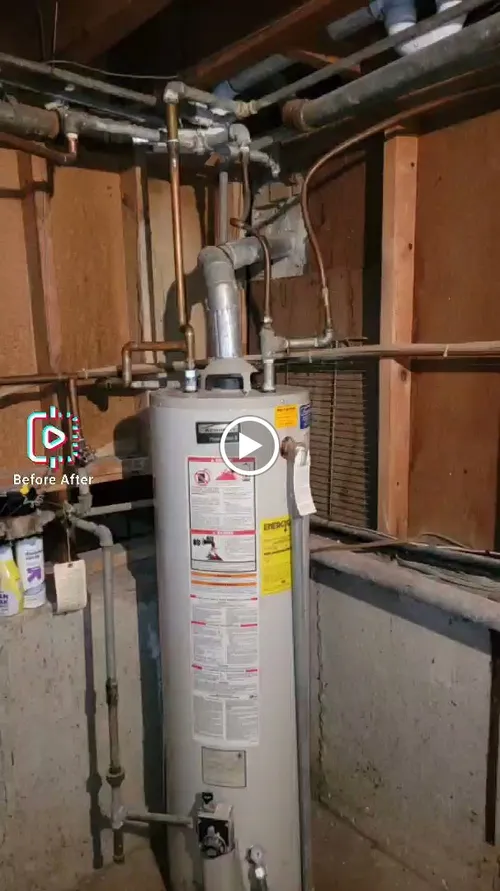
Keeley's Plumbing
270 Eisenhower Ln N #6, Lombard, IL 60148
Keeley's Plumbing is a locally owned plumbing company serving Chicago, IL, and nearby areas including DuPage County. They provide a range of plumbing services for residential and commercial clients, including drain cleaning, sewer camera inspections, sewer line repair and replacement, repiping, water heater repair, sump pump repair, gas line installation, and hydro jetting. Keeley's Plumbing uses sewer camera inspections to accurately diagnose issues before recommending repairs. The company offers 24/7 emergency plumbing services and focuses on serving a limited area to maintain local code knowledge and reduce travel times.
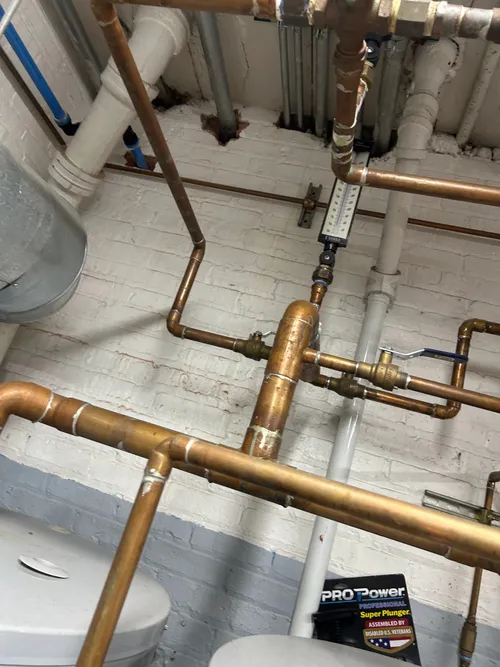
Walsh & Son Plumbing and Sewer
Chicago, IL
Walsh & Son Plumbing and Sewer is a licensed plumbing company serving Chicago, IL, and the surrounding Chicagoland area. Since 2013, this family- and woman-owned business has provided a range of plumbing services including sewer line repair, water heater installation and repair, sump pump maintenance, drain cleaning, leak detection, repiping, and gas line installation. Their team uses advanced technology for sewer camera inspections and offers a 10-year warranty on pipe installations, reflecting their commitment to durable workmanship. They also provide fast, same-day responses to plumbing issues and offer discounts for seniors, veterans, and first responders.
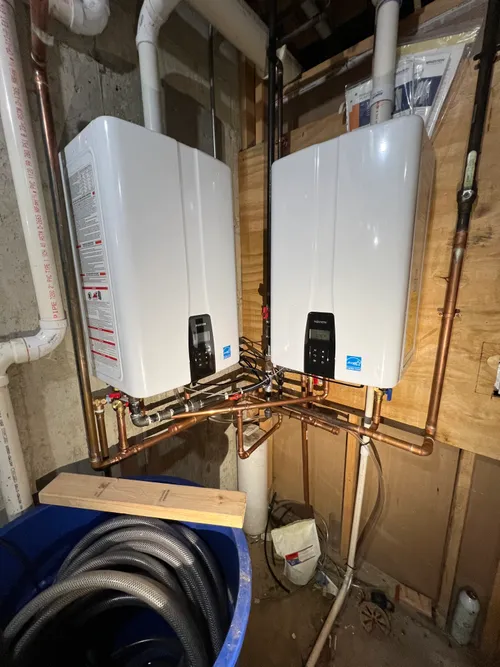
The All Pipes INC.
255 Holly Ln, Elk Grove Village, IL 60007
The All Pipes INC. is a licensed and insured plumbing company serving Chicago, IL. They provide a wide range of plumbing services including water heater repair and installation, trenchless sewer repair, sump pump installation, leak detection, and hydro jetting for drain cleaning. The company offers both residential and commercial plumbing solutions and specializes in tankless water heater installations to help reduce energy costs. Founded by Grigor Ganchev, who has built his career in plumbing over many years, The All Pipes INC. emphasizes integrity and clear communication with clients to maintain lasting relationships.
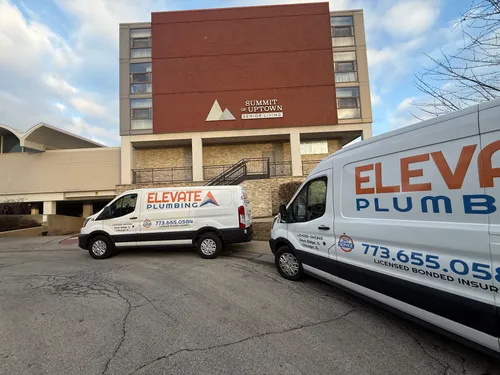
Elevate Plumbing
2307 Edna Ave, Park Ridge, IL 60068
Elevate Plumbing is a plumbing contractor serving Chicago, IL, and the surrounding areas including Park Ridge. They provide a range of residential and commercial plumbing services such as water heater installation and repair, sewer line replacement, sump pump repair, drain cleaning, and gas line installation. The company is licensed by the Illinois Department of Public Health and is known for handling projects with permits and up-to-code workmanship. Elevate Plumbing offers expertise in sewer line replacement and tankless water heater installation, with a focus on clear communication and customer collaboration.
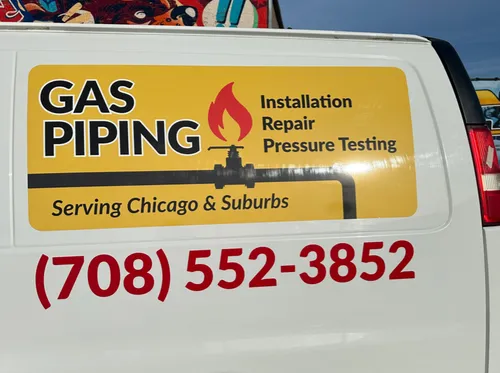
HorVer Gas Piping & Repair
5228 N Sheridan Rd, Chicago, IL 60640
HorVer Gas Piping & Repair is a licensed gas plumber serving Chicago, IL. The company specializes in gas leak repair, gas piping, pressure testing, and new gas line installations for residential, business, and industrial clients. With over 14 years of experience, HorVer focuses on safe, code-compliant work designed to last. Their services include certified gas line repair and pressure testing, ensuring safety and reliability for Chicago properties.
Understanding Cicero's Gas Line Regulations
All gas line work in Cicero is governed by a combination of the International Fuel Gas Code (IFGC) and local amendments enforced by the Town of Cicero Building Department 1 2. The primary goal of these regulations is safety. They dictate everything from the type of pipe material used to how deep it must be buried and how it is pressure-tested. A key first step for any project is understanding the permit process. The Town of Cicero requires a building permit for all plumbing work, including gas line installation and repair, with a minimum fee of $55. This permit is not just a formality; it triggers the required inspections that verify the work meets code, protecting your property and your family.
Failing to pull a permit can result in fines, having to redo the work, and complications when selling your home. The permit application will require details about your licensed contractor and the scope of the work. For homeowners, this underscores the importance of hiring a professional who is familiar with Cicero's specific requirements and can navigate the permit process on your behalf.
The Step-by-Step Installation Process
A professional gas line installation follows a meticulous sequence to ensure safety and compliance from start to finish.
1. Planning and Utility Marking (Call 811) Before a single shovel hits the ground, you must call JULIE (Joint Utility Locating Information for Excavators) by dialing 811. This free service notifies all utility companies, who will come to your property and mark the approximate locations of their underground lines-such as electricity, water, and communications-with paint or flags. This is a critical safety and legal step to prevent accidental strikes, service disruptions, and potential injury. It's required by law and must be done at least a few business days before excavation begins.
2. Trenching and Excavation Once utilities are marked, excavation for the new gas line can begin. For residential gas lines in our climate, trenches are typically dug to a depth of 18 to 24 inches to protect the pipe from freezing and surface activities 3 4. The trench must have a clear, level base, free of rocks or debris that could damage the pipe. The cost for trenching labor alone can range from $5 to $12 per linear foot, depending on soil conditions and obstacles.
3. Pipe Installation and Material Requirements In Cicero, approved materials for underground gas piping typically include coated black iron or steel pipe, which is highly durable and resistant to corrosion. The pipe is laid in the trench with proper supports and must maintain specific clearances from other underground utilities as per code. A tracer wire is often installed alongside the pipe to allow for easy future location. Above ground, the pipe must be properly supported at regular intervals and protected from physical damage.
4. Connections, Pressure Testing, and Inspection The new pipe is connected to the main gas service and to the appliance(s). Before the trench is backfilled, the entire new section of piping must undergo a pressure test. This test, usually performed with air or an inert gas, verifies the integrity of all connections and confirms there are no leaks. This is a non-negotiable safety checkpoint.
After a successful pressure test, a Town of Cicero building inspector must visit the site to approve the work. The inspection will involve a review of documentation, a visual check of the installation, verification of the pressure test, and checks of appliance connections and ventilation 5. Only after receiving this final approval can the trench be safely backfilled and the site restored.
Find the perfect gas line plumbing companies for your needs
Get personalized recommendations and expert advice
Key Safety Considerations for Gas Piping
Safety is the paramount concern with any fuel gas system. Beyond the basic steps, several principles guide professional gas line work.
- Licensed Professionals Are Mandatory: Gas line work is not a DIY project. Always hire a plumber licensed to work in Cicero. Their expertise ensures proper material selection, joint-making (using thread sealant approved for gas), and adherence to all code requirements for sizing, support, and clearance.
- Proper Sizing is Crucial: A gas line must be correctly sized (in diameter) for the length of the run and the total BTU demand of all appliances it will supply. An undersized line can cause poor appliance performance and safety hazards.
- Leak Detection is a Priority: The mandatory pressure test is the primary method for detecting leaks in new work. Homeowners should also be aware of the smell of mercaptan (the rotten-egg odor added to gas) and know how to shut off their gas meter in an emergency 6.
- Corrosion Protection: For buried pipes, using code-approved, coated materials and ensuring proper installation techniques are vital to prevent corrosion that can lead to leaks over time.
Common Project Types and Cost Factors
The scope and cost of gas line projects in Cicero can vary widely based on complexity, length, and materials.
- Appliance Hookups: Running a new line for a gas stove, dryer, or fireplace from an existing main line is a common project. These "simple runs" are often less invasive and can range from $500 to $1,500, depending on distance and wall/floor penetrations needed.
- Main Line Extensions or Replacements: Installing a new gas service line from the meter to a house, or replacing an old, leaking line, is more complex. It involves significant excavation, longer pipe runs, and more labor. These projects often fall in the $1,500 to $2,500+ range 7 8.
- Permit and Inspection Fees: Remember to factor in the Town of Cicero's permit fees, which start at a $55 minimum for plumbing work but can be higher for larger projects 9. The value of the permit is the official inspection and peace of mind that comes with it.
- Material and Labor: The choice between flexible corrugated stainless steel tubing (CSST) for some indoor applications versus traditional black iron pipe, along with the current market rates for skilled labor, are the other primary cost drivers.
Troubleshooting and Repair Needs
Existing gas lines may require repair or replacement due to age, corrosion, accidental damage, or changes in code. Signs you may need gas line repair include:
- The distinct smell of natural gas inside or outside your home.
- Hissing sounds near a gas line.
- Dying vegetation in a line over a buried pipe.
- Appliances that are difficult to light or that produce a yellow flame instead of a blue one.
- Higher-than-normal gas bills, which could indicate an underground leak.
If you suspect a leak, leave the area immediately and call 911 or your gas utility from a safe distance. For non-emergency issues or planned upgrades, a licensed professional can perform a thorough inspection, pressure test the existing lines, and recommend the necessary repairs, which might involve isolating and replacing a section of pipe.
Frequently asked questions
Sources
Footnotes
-
How to Prepare for a Gas Line Inspection in Chicago - https://midwestgaspiperepair.com/blog/how-to-prepare-for-gas-line-inspection ↩
-
Chicago Building Code Requirements for Gas Piping Explained - https://midwestgaspiperepair.com/blog/chicago-code-requirements-gas-piping ↩
-
Underground Gas Line Installation in Chicago - https://www.fourseasonsheatingcooling.com/gas-line-installation/ ↩
-
How Deep Are Gas Lines Buried? - J.D. Power - https://www.jdpower.com/cars/shopping-guides/how-deep-are-gas-lines-buried ↩
-
Building Permit Process - The Town of Cicero - https://thetownofcicero.com/government/building-department/building-permit-process/ ↩
-
Gas Line Issues and Installation - First Chicago Plumbing - https://firstchicagoplumbing.com/residential-plumbing-services/gas-line-issues-and-installation/ ↩
-
How Much Does It Cost to Install a Gas Line? [2025 Data] - https://www.homeadvisor.com/cost/plumbing/install-or-repair-gas-pipes/ ↩
-
Gas Line Installation Guide for Chicago Homeowners - https://midwestgaspiperepair.com/blog/gas-line-installation-guide-chicago ↩
-
Building Department Permit Fees - The Town of Cicero - https://thetownofcicero.com/government/building-department/building-department-permit-fees/ ↩