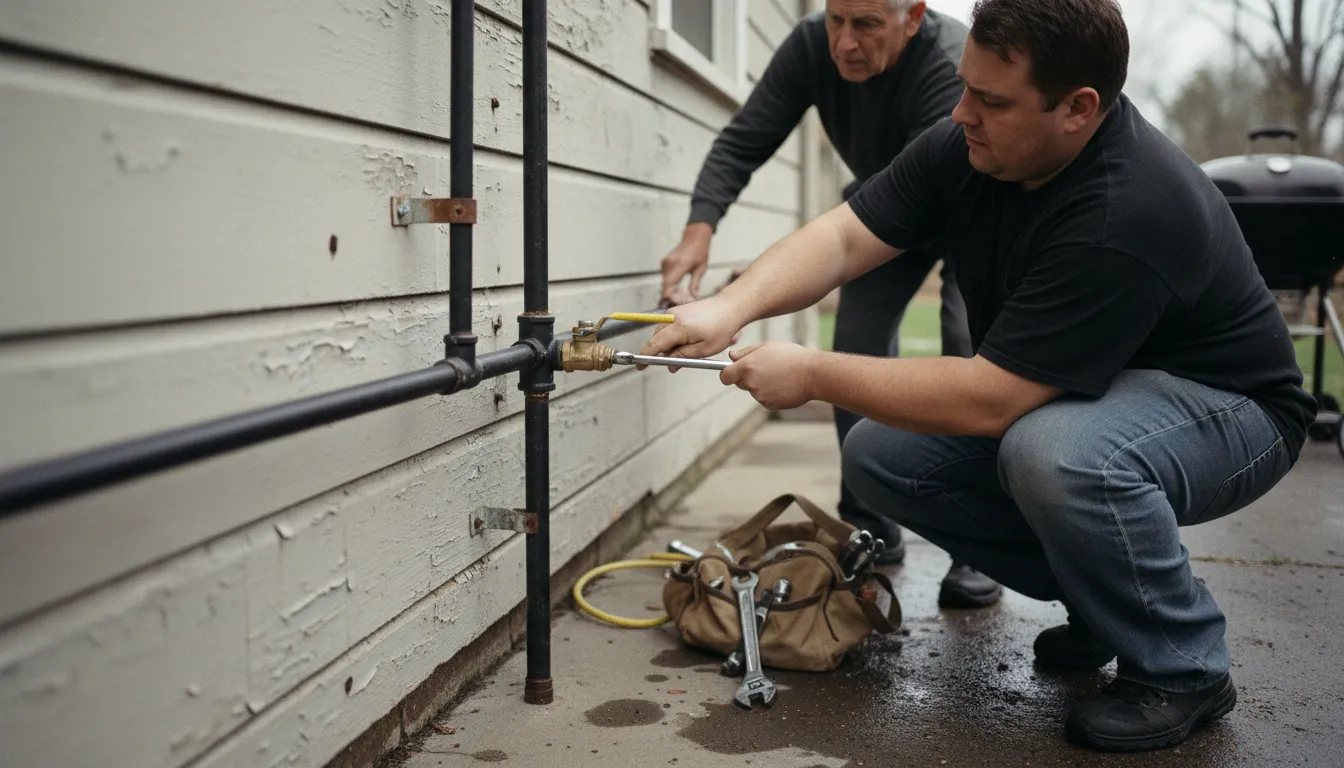
Find the Best Gas Line Plumbing Companies for Your Business
No obligation • Fast responses • Nationwide coverage

Why you can trust Search a Plumber
Search a Plumber is a leading United States resource for finding and evaluating professional plumbing services. Our team researches licensing, experience, and customer feedback to create unbiased, fact-driven overviews. Companies cannot pay to change ratings or placement, ensuring homeowners get trustworthy information.
Search providers near you
Top Gas Line Plumbing Companies in Buffalo Grove, Illinois Ranked
Installing or repairing a gas line is a critical home project that directly impacts your safety and comfort. Whether you're adding a gas fireplace, upgrading an appliance, or addressing a leak, this work involves high-pressure fuel lines that require precision and strict adherence to codes. In Buffalo Grove, this process is governed by specific village permits and inspections to ensure every installation is safe and compliant. This guide will help you understand the local requirements, the typical process, and how to find qualified professionals for your gas piping project.
Keeley's Plumbing
270 Eisenhower Ln N #6, Lombard, IL 60148
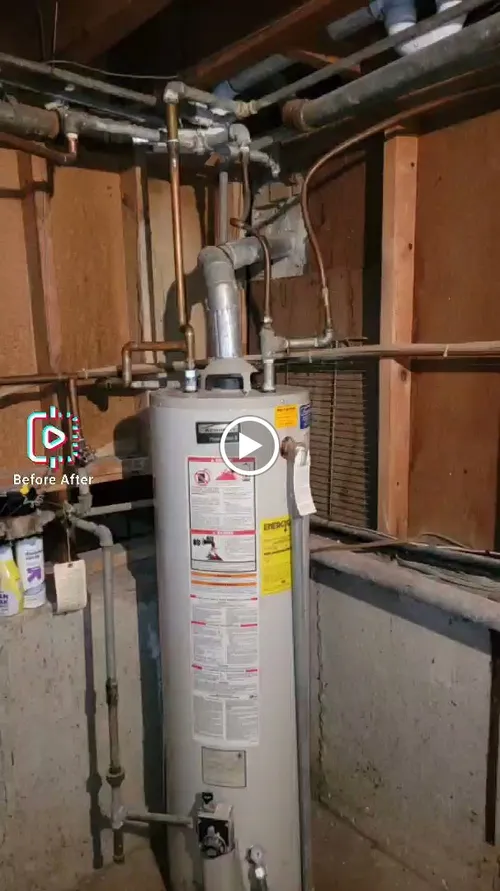
Keeley's Plumbing is a locally owned plumbing company serving Chicago, IL, and nearby areas including DuPage County. They provide a range of plumbing services for residential and commercial clients, including drain cleaning, sewer camera inspections, sewer line repair and replacement, repiping, water heater repair, sump pump repair, gas line installation, and hydro jetting. Keeley's Plumbing uses sewer camera inspections to accurately diagnose issues before recommending repairs. The company offers 24/7 emergency plumbing services and focuses on serving a limited area to maintain local code knowledge and reduce travel times.
The All Pipes INC.
255 Holly Ln, Elk Grove Village, IL 60007
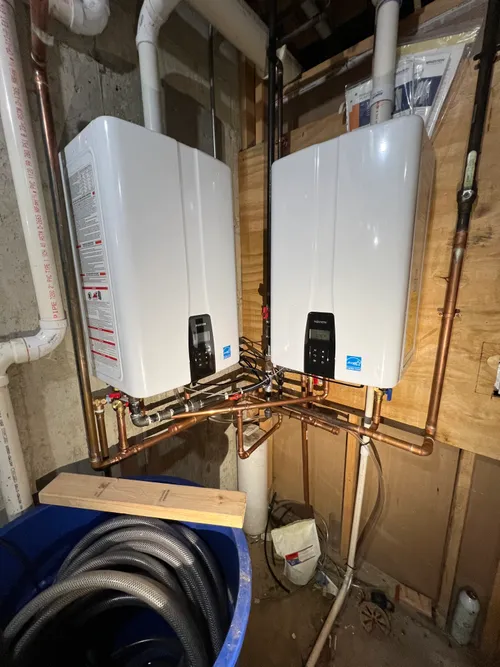
The All Pipes INC. is a licensed and insured plumbing company serving Chicago, IL. They provide a wide range of plumbing services including water heater repair and installation, trenchless sewer repair, sump pump installation, leak detection, and hydro jetting for drain cleaning. The company offers both residential and commercial plumbing solutions and specializes in tankless water heater installations to help reduce energy costs. Founded by Grigor Ganchev, who has built his career in plumbing over many years, The All Pipes INC. emphasizes integrity and clear communication with clients to maintain lasting relationships.
Elevate Plumbing
2307 Edna Ave, Park Ridge, IL 60068
Elevate Plumbing is a plumbing contractor serving Chicago, IL, and the surrounding areas including Park Ridge. They provide a range of residential and commercial plumbing services such as water heater installation and repair, sewer line replacement, sump pump repair, drain cleaning, and gas line installation. The company is licensed by the Illinois Department of Public Health and is known for handling projects with permits and up-to-code workmanship. Elevate Plumbing offers expertise in sewer line replacement and tankless water heater installation, with a focus on clear communication and customer collaboration.
HorVer Gas Piping & Repair
5228 N Sheridan Rd, Chicago, IL 60640
HorVer Gas Piping & Repair is a licensed gas plumber serving Chicago, IL. The company specializes in gas leak repair, gas piping, pressure testing, and new gas line installations for residential, business, and industrial clients. With over 14 years of experience, HorVer focuses on safe, code-compliant work designed to last. Their services include certified gas line repair and pressure testing, ensuring safety and reliability for Chicago properties.
Chicago Gas Leak Repair LLC
2355 W 56th St, Chicago, IL 60636
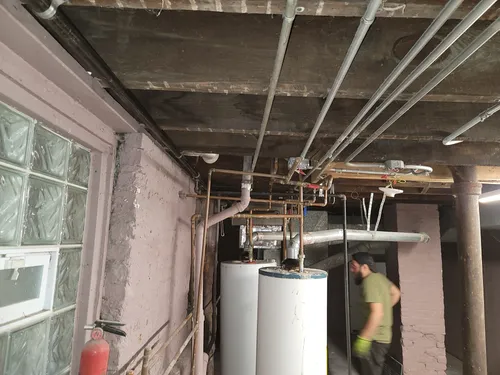
Chicago Gas Leak Repair LLC provides gas piping installations, leak repairs, and gas appliance services in Chicago, IL. With over 10 years of experience in residential, new construction, and commercial gas pipe fitting, the company handles gas line pressure testing, valve replacement, flexible hose replacement, and gas appliance installations including dryers, stoves, and water heaters. The team is led by a former utility company pipefitter with specialized gas utilities training, focusing on safety and attention to detail.
Understanding Local Gas Line Regulations
Before any work begins, it's crucial to understand Buffalo Grove's regulatory framework. Gas line work is not a DIY project; it requires oversight to protect your home and community.
The Mandatory Mechanical Permit All gas line installation, replacement, or repair in Buffalo Grove requires a Mechanical Permit from the Village 1. This permit process is designed to ensure that the planned work meets all safety standards outlined in the Illinois Plumbing Code and local amendments. The application typically requires detailed plans showing the proposed pipe layout, sizes, and the BTU ratings of the appliances being connected 1. These plans are submitted for review, and the permit must be issued before any physical work starts.
Required Inspections for Safety The permit triggers a series of mandatory inspections conducted by Village officials. The two most critical are the rough-in inspection and the final inspection. The rough-in inspection occurs after the pipes are run but before they are covered by walls or buried. This allows the inspector to verify pipe type, sizing, and support. The final inspection happens after everything is connected, tested, and appliances are in place. Passing these inspections is the only way to receive official approval and have your gas service authorized or restored.
The Professional Installation Process: A Step-by-Step Look
A licensed professional follows a meticulous sequence to ensure a safe and code-compliant gas line installation. Here's what you can expect when you hire a qualified contractor.
- Planning and Design: The contractor will assess your needs, calculate the required gas load (based on appliance BTU ratings), and plan the most efficient and code-compliant route for the new piping.
- Utility Location (Call 811): Before any digging, your contractor must call JULIE (Joint Utility Locating Information for Excavators) at 811. This free service marks the location of all public underground utilities to prevent dangerous and costly strikes 2 3.
- Safe Shut-Off and Trenching: The gas supply to the home is safely turned off. If a new line is being run to an outdoor appliance or a new section of the house, trenching is required. Professionals often hand-dig near existing lines to avoid damage.
- Piping Installation: Approved materials like black iron pipe or corrugated stainless steel tubing (CSST) are installed. The contractor ensures proper pipe sizing, uses correct fittings, and secures the line with adequate supports.
- Connection and Pressure Testing: The new line is connected to the main supply and the appliance. A critical pressure test is then performed. The system is pressurized and monitored for a set period to confirm there are absolutely no leaks.
- Inspections and Final Approval: The contractor will schedule the required Village inspections. After passing the final inspection, the system is approved, and the gas utility can be notified to restore or establish service 4.
Find the perfect gas line plumbing companies for your needs
Get personalized recommendations and expert advice
Choosing Materials and Understanding Costs
The materials used in your gas line project are dictated by code and the specific application. Inside your home, rigid black iron pipe is common for its durability. For longer runs or tricky paths, flexible CSST (often yellow-coated) may be used, but it requires special fittings and bonding for safety. For underground sections, coated copper or polyethylene piping may be specified. Your licensed professional will select the appropriate, approved materials for each part of the job.
Costs for gas line services in Buffalo Grove can vary widely based on the project's scope. Key cost factors include:
- Permit Fees: The Village charges a permit fee, which for residential gas piping typically starts around $100 or more, depending on the project's valuation 5.
- Labor and Materials: This is the most significant variable. A simple repair or short appliance hookup costs less than running a new line 50 feet across a basement and through a wall. Complexity, accessibility, and pipe length all influence the final price 6 7.
- Appliance Type: Connecting a high-BTU appliance like a pool heater or commercial range requires larger piping and more labor than a standard fireplace or dryer hookup.
For significant projects like running a line to a new outdoor kitchen or adding a furnace, homeowners should expect costs to reach into the thousands. Always get detailed, written estimates from multiple licensed contractors.
Critical Safety Practices for Gas Piping
Safety is paramount when dealing with natural gas or propane. Adhering to these practices is non-negotiable.
- Work with Licensed Professionals: Only hire contractors who are licensed, insured, and specifically experienced in gas line work. They carry the necessary liability insurance and know the local codes 8.
- Never Skip the Pressure Test: This is the primary method for leak detection. A proper test, documented by your contractor, is required for inspection and is your assurance of a safe system.
- Use Approved Materials Only: Never substitute unapproved pipes or fittings (like those meant for water). Gas systems require specific materials that can handle the fuel and pressure.
- Maintain Clearance and Ventilation: Ensure installed gas lines have proper clearance from ignition sources and that appliances are vented according to manufacturer and code specifications 9.
Partnering with a Buffalo Grove Pro
The key to a smooth and successful project is partnering with a local contractor familiar with Buffalo Grove's specific processes. A knowledgeable pro will handle the permit paperwork, coordinate inspections, and ensure every detail from trenching to testing meets Village standards. They act as your guide, turning a complex, regulated process into a seamless upgrade for your home.
Frequently asked questions
Sources
Footnotes
-
VILLAGE OF BUFFALO GROVE - https://www.vbg.org/DocumentCenter/View/243/MEP---Mechanical-Electric-Plumbing---Individual-Project-Permits-PDF ↩ ↩2
-
Pipeline Safety - Illinois Gas - https://ilgas.com/index.php/pipeline-safety/ ↩
-
Gas Line Issues and Installation | First Chicago Plumbing - https://firstchicagoplumbing.com/residential-plumbing-services/gas-line-issues-and-installation/ ↩
-
Permits and inspections | Buffalo Grove, IL - https://www.vbg.org/353/Permits-and-inspections ↩
-
Building Permit Fees | Buffalo Grove, IL - https://www.vbg.org/661/Building-Permit-Fees ↩
-
Gas Line Installation Cost: 2023 Guide - Super Brothers - https://www.superbrothers.com/gas-line-installation-cost-2023-guide/ ↩
-
Gas Line Installation Guide for Chicago Homeowners - https://midwestgaspiperepair.com/blog/gas-line-installation-guide-chicago ↩
-
Gas Line Installation in Chicago, IL - Intelligent Service - https://www.intelligentservice.com/plumbing/gas-lines/ ↩
-
Chicago Building Code Requirements for Gas Piping Explained - https://midwestgaspiperepair.com/blog/chicago-code-requirements-gas-piping ↩