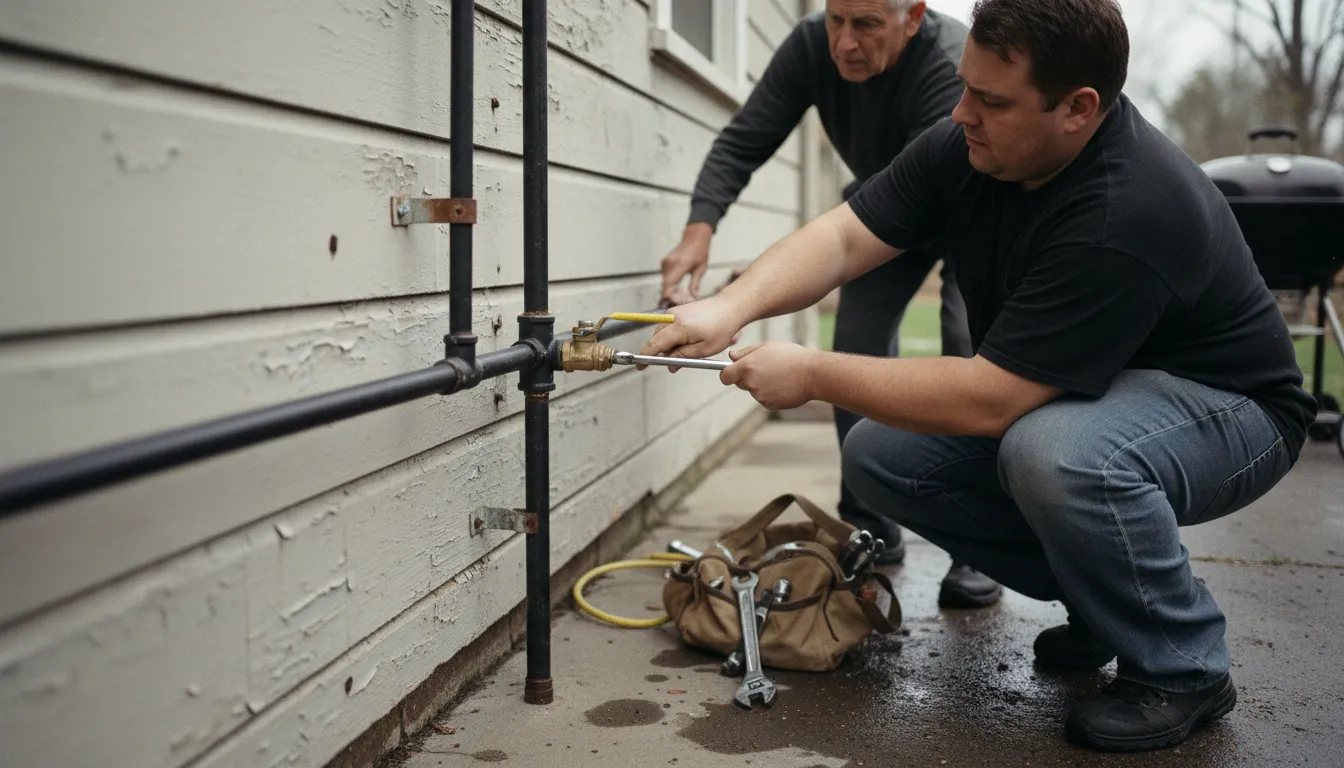
Find the Best Gas Line Plumbing Companies for Your Business
No obligation • Fast responses • Nationwide coverage

Why you can trust Search a Plumber
Search a Plumber is a leading United States resource for finding and evaluating professional plumbing services. Our team researches licensing, experience, and customer feedback to create unbiased, fact-driven overviews. Companies cannot pay to change ratings or placement, ensuring homeowners get trustworthy information.
Search providers near you
Top Gas Line Plumbing Companies in Stamford, Connecticut Ranked
Ensuring your home or business has a safe and reliable gas supply is a critical project that requires professional expertise. Gas line installation and repair involves running new pipes for appliances like stoves, dryers, or furnaces, or fixing leaks and upgrading old systems. In Stamford, this work is governed by strict state and local safety codes, making it essential to work with licensed professionals who understand the permitting and inspection process. This guide will help you understand what's involved in gas line work, from planning to final inspection, so you can make informed decisions when connecting with qualified local specialists.
Superior Plumbing, Heating, & Mechanical, LLC
New York, NY
Superior Plumbing, Heating, & Mechanical, LLC is a family-owned business serving New York, NY, and surrounding areas including the five boroughs, Long Island, and Westchester County. Since 2003, they have provided commercial plumbing, heating, and mechanical services to building owners, managers, and engineers. Their licensed team offers a range of services such as drain cleaning, leak detection, gas line installation, toilet repair, backflow prevention, and water leak detection. They are certified for gas piping and backflow testing and provide 24/7 emergency and scheduled maintenance services to ensure building systems operate efficiently and comply with local codes.
Serve-Well Plumbing & Heating Inc
116-04 Atlantic Ave, Richmond Hill, NY 11419
Serve-Well Plumbing & Heating Inc is a family-owned and operated plumbing and heating company serving New York, NY, and the surrounding tri-state area. With over 50 years of experience, they provide a wide range of services including sewer camera inspections, water heater installations, drain cleaning, sewer line repairs, leak detection, gas line installations, and toilet repairs. The company specializes in oil to gas conversions and offers fire suppression system installation and maintenance. Their technicians are licensed and certified, and they provide 24/7 support to address urgent plumbing and heating needs.
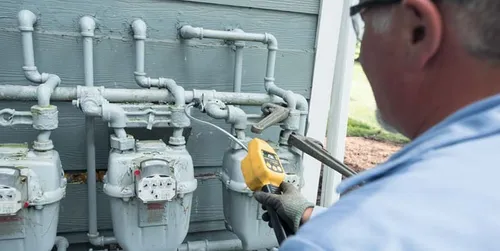
Mark Henry Plumbing and Heating Corp
104-24 Jamaica Ave, Richmond Hill, NY 11418
Mark Henry Plumbing and Heating Corp is a licensed plumbing firm serving Jersey City, NJ, and the five boroughs of New York City. They specialize in gas line installation and Local Law 152 gas inspections performed by a NYC Licensed Master Plumber. The company ensures inspections meet NYC Fuel Gas Code standards and manages report submissions to the Department of Buildings. With nearly two decades of experience, Mark Henry Plumbing and Heating Corp provides personalized service directly through their licensed plumber, Mark Jozwik.
Mr. Plumber
3867 E Tremont Ave, Bronx, NY 10465
Mr. Plumber is a family-owned plumbing contractor serving New York, NY, and all five boroughs including Staten Island, The Bronx, Queens, Manhattan, and Brooklyn, as well as Westchester County. They provide a wide range of residential and commercial plumbing services, including sewer line repair and gas line installation. The company is licensed to perform Local Law 152 gas piping inspections and offers 24/7 emergency service for urgent plumbing needs. Mr. Plumber emphasizes personalized service and clear communication throughout each project.
Roto-Rooter Plumbing & Water Cleanup
2 Lake St, Bergenfield, NJ 07621
Roto-Rooter Plumbing & Water Cleanup provides a wide range of plumbing services in New York, NY, including drain cleaning, sewer line repair, water heater installation and repair, leak detection, and gas line installation. They serve both residential and commercial clients, offering specialized services such as hydro jetting and trenchless sewer repair. With expertise in local building codes and urban plumbing challenges, Roto-Rooter uses advanced technology like high-definition inspection cameras to address complex plumbing issues efficiently. The company offers 24/7 emergency plumbing services to handle urgent problems at any time.
Understanding Gas Line Services in Stamford
Whether you're installing a gas stove for a kitchen renovation or replacing aging fuel gas piping, gas line projects fall into two main categories: new installations and repairs or replacements. New installations involve running a line from your home's main gas supply to a new appliance location. Repairs address issues like leaks, corrosion, or faulty connections, while replacements are often needed for outdated or undersized pipes that can't support modern appliance demands.
In Stamford, all such work must comply with the Connecticut State Building Code, which is based on the International Residential Code (IRC). This isn't a DIY project; the risks associated with natural gas and propane make hiring a licensed plumber or gas fitter non-negotiable. These professionals ensure the system is designed correctly, uses approved materials, and passes all required city inspections for your safety and legal compliance.
The Stamford Gas Line Process: From Plan to Inspection
A successful gas line project follows a structured sequence. Understanding these steps can help you communicate effectively with your contractor and know what to expect.
1. Planning and Design
Every project starts with a plan. A qualified professional will assess your needs, calculate the total BTU load of the appliances to be served, and determine the correct pipe diameter. They will map the safest and most efficient route from the gas meter to the appliance, considering obstacles like foundations, landscaping, and existing utilities. A critical first step is calling 811, Connecticut's Dig Safe notification system, to have underground utility lines marked before any digging begins.
2. Securing Permits
Before any work starts, your contractor must obtain the necessary permits from the City of Stamford's Building Department 1. Permit fees typically range from $50 to $300 and are a crucial part of the process, ensuring the proposed work meets all local and state building codes. Reputable professionals handle this paperwork on your behalf.
3. Excavation and Trenching
For underground lines, the next step is digging a trench along the planned route. The required depth is specified by code to protect the pipe. Trenching can be disruptive to lawns, driveways, or gardens, and its cost is highly variable, ranging from $200 to over $2,000 depending on the length, soil conditions, and obstacles encountered.
4. Pipe Installation and Connection
The approved pipe material-often rigid black iron or flexible Corrugated Stainless Steel Tubing (CSST)-is laid in the trench or run through interior spaces. The pipe must be properly supported and connected using code-compliant fittings. A key safety rule in Connecticut is that gas piping cannot penetrate a foundation wall below grade; it must enter the building above ground and be properly sealed. The line is then connected to the meter and the appliance.
5. Pressure Testing
This is a critical safety checkpoint. Before the trench is backfilled or walls are closed up, the new line is pressurized with air (a "pressure test") to check for any leaks. This test, which typically costs between $100 and $300, must hold pressure for a set period to be deemed successful 2.
6. Inspection, Backfill, and Restoration
The city inspector will visit at required stages, often after trenching and pressure testing, and for a final approval. Once the system passes inspection, the trench can be backfilled and the landscaping or concrete restored. The final inspection sign-off is your official confirmation that the work is safe and code-compliant.
Find the perfect gas line plumbing companies for your needs
Get personalized recommendations and expert advice
Key Safety Codes and Regulations in Stamford
Adherence to code isn't just bureaucratic-it's what keeps your property safe. The Connecticut State Building Code mandates specific practices for fuel gas systems 3. As mentioned, the prohibition on below-grade foundation penetration is a major one. Other rules cover proper pipe sizing, support intervals, ventilation requirements for appliances, and the use of approved shut-off valves. Your licensed contractor's expertise is vital in navigating these requirements. Furthermore, the utility meter itself is typically owned and serviced by the gas company (like Eversource), and there may be a list of approved contractors who are authorized to make connections to it.
Cost Factors for Gas Line Work in Stamford
The total cost of a gas line project in Stamford depends on several variables. While getting a detailed quote from a local professional is essential, here are the primary factors that influence pricing:
- Project Scope and Complexity: A simple above-ground line for a kitchen stove is less expensive than running a new underground line to a detached garage or pool heater. Length, number of appliance connections, and obstacles significantly impact labor and materials.
- Materials: The choice between traditional black iron pipe and flexible CSST can affect material costs. CSST is often faster to install for complex runs but must be installed correctly to prevent bonding and grounding issues.
- Labor: Licensed plumbers and gas fitters in the Stamford area typically charge between $50 and $150 or more per hour for their skilled labor 4.
- Excavation Needs: As noted, trenching costs are highly variable. Digging through rocky soil or under a driveway or sidewalk adds substantial expense.
- Permits and Inspections: Budget for the city permit fees and any costs associated with the required inspections.
- Repair vs. Installation: Repairing a small, accessible leak might cost $150 to $500, while a full line replacement involving excavation and drywall repair can run into the thousands.
Example Cost Ranges in Stamford:
- Gas line installation for a stove: $200 - $750 5
- Gas leak repair: $150 - $500+ 6
- Natural gas piping projects: Varies widely based on scope 7
- Trenching: $200 - $2,000+
- Permits & Inspections: $50 - $300 8 9
Choosing a Qualified Professional in Stamford
Your safety hinges on this choice. Always verify that a contractor holds the proper Connecticut state license for plumbing and gas fitting. Ask for proof of insurance, including liability and workers' compensation. Look for established local companies with specific experience in Stamford gas line projects, as they will be familiar with the city's inspectors and processes. Don't hesitate to ask for references and examples of past similar work. A trustworthy professional will provide a detailed written estimate, outline the permit process, and never suggest skipping inspections to save time or money 10.
Maintaining Your Gas System
After installation, be proactive about safety. Familiarize yourself with the smell of natural gas (a rotten egg odor added by the utility). Ensure all gas appliances are properly ventilated. Know the location of your main gas shut-off valve. If you ever suspect a leak, leave the area immediately and call your gas company from a safe distance. Regular inspections of exposed piping for signs of corrosion or damage are also a good practice.
Frequently asked questions
Sources
Footnotes
-
Permits and Licenses - Stamford, CT - https://www.stamfordct.gov/residents/permits-and-licenses ↩
-
Essential Guide to Gas Line Installation: Tips and Safety ... - https://gaeberly.com/gas-line-installation/ ↩
-
2022 Connecticut State Building Code - 2021 IRC Portion - https://codes.iccsafe.org/s/CTRC2022P1/chapter-24-fuel-gas/CTRC2022P1-Pt06-Ch24-SecG2415.6 ↩
-
Gas Line Installation Cost: 2023 Guide - Super Brothers - https://www.superbrothers.com/gas-line-installation-cost-2023-guide/ ↩
-
Cost of Natural Gas Piping in Stamford, CT - https://stamfordgaslineservice.com/cost-of/natural-gas-piping ↩
-
Gas Line Repair and Replacement Costs [2026 Data] | Angi - https://www.angi.com/articles/average-gas-line-repair-and-installation-costs.htm ↩
-
Cost of Gas Pipe Installation in Stamford, CT - https://stamfordgaslineservice.com/cost-of/gas-pipe-installation ↩
-
How Much Does It Cost to Install a Gas Line? [2025 Data] - https://www.homeadvisor.com/cost/plumbing/install-or-repair-gas-pipes/ ↩
-
Cost of Gas Line Replacement in Stamford, CT - https://stamfordgaslineservice.com/cost-of/gas-line-replacement ↩
-
How to Install Natural Gas Lines Safely and Correctly - https://bluegasexpress.com/how-to-install-natural-gas-lines/ ↩