Find the Best Drain Cleaning Companies for Your Business
No obligation • Fast responses • Nationwide coverage

Why you can trust Search a Plumber
Search a Plumber is a leading United States resource for finding and evaluating professional plumbing services. Our team researches licensing, experience, and customer feedback to create unbiased, fact-driven overviews. Companies cannot pay to change ratings or placement, ensuring homeowners get trustworthy information.
Search providers near you
Best Drain Cleaning Companies in Iowa Ranked
A slow drain or a complete backup is more than an inconvenience; it's a disruption to your home or business. Professional drain cleaning services in Iowa address these issues by clearing blockages and restoring proper flow, preventing potential water damage and unsanitary conditions. This guide explains the common causes of clogs, the methods used to clear them, and typical costs, helping you understand your options when you need to find a qualified local specialist.
Common Causes of Drain and Sewer Clogs in Iowa
Understanding what's causing your drainage problem is the first step toward a solution. Clogs can occur anywhere in your plumbing system, from a single sink to the main sewer line exiting your property.
In Residential Properties:
- Hair and Soap Scum: The most frequent culprits in bathroom sinks, showers, and tubs, binding together to form stubborn masses.
- Grease and Fats: In kitchen sinks, cooking oils solidify inside pipes, catching food particles and creating severe blockages over time.
- Food Waste: Even with a garbage disposal, items like coffee grounds, eggshells, and starchy foods can accumulate.
- Non-Flushable Items: Despite labels, products like "flushable" wipes, hygiene products, and paper towels do not break down and are a leading cause of sewer line clogs.
- Tree Root Intrusion: A major issue for main sewer lines. Roots seek out moisture and can infiltrate tiny cracks in pipes, eventually growing and completely obstructing flow or damaging the pipe itself.
In Commercial Properties:
- Heavy Grease and Fats: Restaurants and food service establishments face constant challenges with grease trap and line maintenance.
- High-Volume Debris: Facilities like laundromats, salons, or gyms may experience unique buildup from lint, hair, and other materials at a larger scale.
- Foreign Objects: In public restrooms or industrial settings, objects that shouldn't be flushed or washed down can cause immediate and severe blockages.
System-Wide Issues: Beyond simple clogs, the pipes themselves can fail. Older Iowa homes may have clay or cast iron pipes susceptible to corrosion, sagging (creating a belly that traps waste), or complete collapse. These issues require diagnosis and often more extensive repair beyond just cleaning.
Professional Drain Cleaning Methods
When a plunger or store-bought chemical cleaner fails, it's time for professional equipment. Iowa plumbing technicians use several proven methods, each suited for different types of blockages.
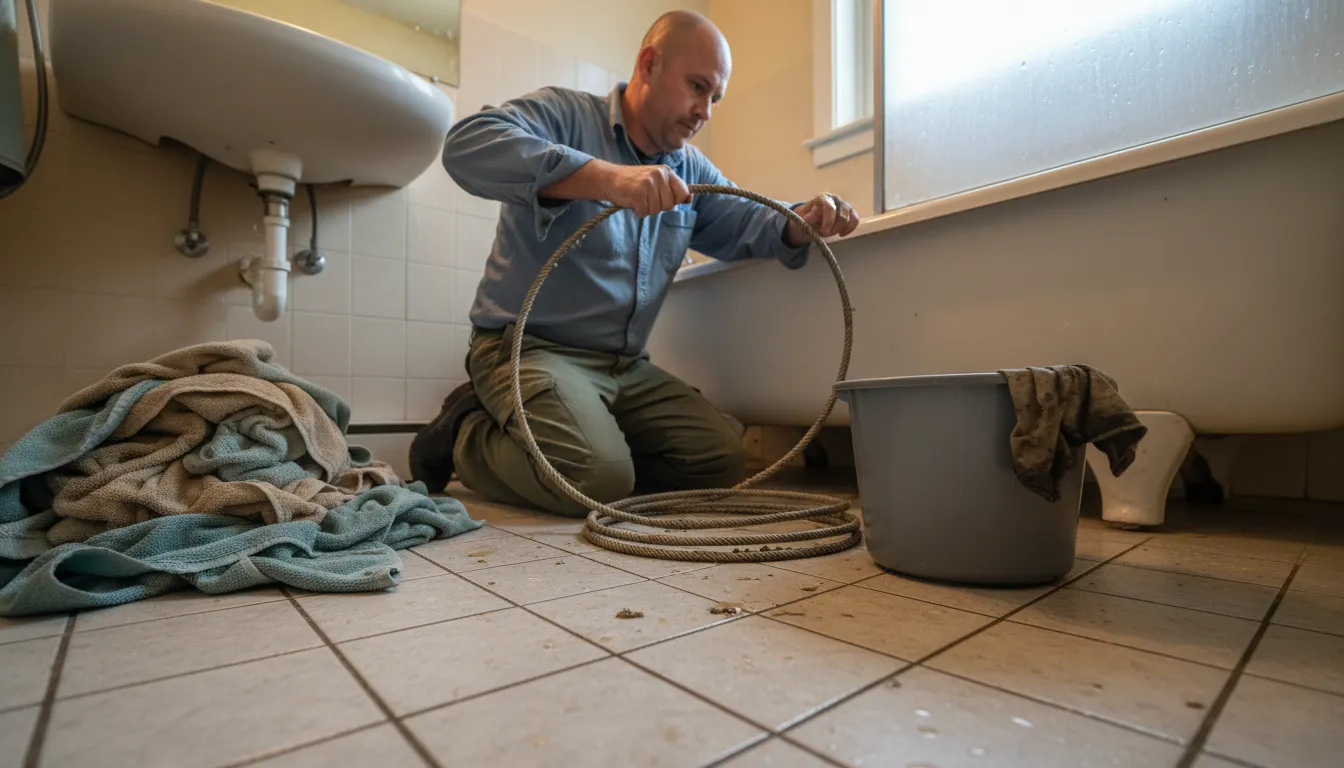
Mechanical Snaking (Augering): This is the most common tool for tackling standard clogs. A long, flexible metal cable with a specialized cutting head on the end is fed into the drain. A motor spins the cable, allowing the head to break apart obstructions like hair, soap, or small roots. It's effective for localized clogs in sink, tub, and toilet drain lines.
Hydro-Jetting (Water Jetting): For tougher, more extensive problems, hydro-jetting is the preferred solution. This method uses a specialized hose and nozzle that blasts water into the pipe at extremely high pressure-often up to 4,000 PSI. The force scours the entire interior circumference of the pipe, effectively removing grease, sludge, mineral scale, and tree roots. It's particularly recommended for main sewer line cleaning and for commercial kitchens where grease buildup is severe 1. Unlike snaking, which merely punches a hole through a clog, hydro-jetting cleans the pipe wall, providing a more complete and longer-lasting result.
Video Camera Inspection: Before or after cleaning, a video inspection is an invaluable diagnostic tool. A plumber feeds a waterproof, high-resolution camera attached to a flexible rod into the line. The live feed allows them to see the exact nature and location of the blockage, identify pipe material, and spot issues like cracks, offsets, or root intrusion2. This technology takes the guesswork out of the process, ensuring the correct cleaning method is used and revealing if a simple cleanout is sufficient or if a repair is needed.
Chemical Cleaners: While effective for minor sink clogs, chemical drain openers are generally discouraged by professionals. They can be hazardous, damage certain types of pipes (especially older ones) with repeated use, and are ineffective against solid obstructions or major sewer line blockages.
Find the perfect drain cleaning companies for your needs
Get personalized recommendations and expert advice
What Influences the Cost of Drain Cleaning in Iowa?
The price for professional drain cleaning services isn't fixed; it depends on several key factors. Having a general idea of these can help you understand a service provider's quote.
Type and Location of the Clog:
- Simple Sink, Tub, or Shower Drain: Clearing a standard hair or soap clog in an accessible bathroom drain is typically the least expensive service, often ranging from $100 to $200.
- Toilet Blockage: Similar to sink clogs, if the blockage is within the toilet's own trap or nearby pipe.
- Main Sewer Line or Lateral: This is a more complex job. Clearing a clog in the main line that connects your home to the municipal sewer or septic tank usually costs between $200 and $500 or more, depending on severity 3. This line is larger, deeper, and longer, requiring more powerful equipment.
Severity and Nature of the Blockage:
- Simple Debris: Hair and grease clogs are generally less expensive to clear.
- Tree Roots: Root removal is more labor-intensive and may require repeated snaking or hydro-jetting, increasing the cost 4.
- Solid Objects or Complete Blockages: Removing a solid object or clearing a fully sealed pipe takes more time and skill.
Required Cleaning Method:
- Mechanical Snaking: Standard augering is usually included in the base service call and clearing fee.
- Hydro-Jetting: This advanced service requires specialized, expensive equipment and carries a higher price tag, often ranging from $250 to $600+, but it provides a deeper clean 5.
- Camera Inspection: A diagnostic camera inspection is a separate service, typically costing between $150 and $4006. It can be worth the investment to accurately identify a recurring problem.
Accessibility and Pipe Conditions:
- Cleanout Access: If an exterior sewer cleanout is easily accessible, the job is faster and cheaper. If a plumber must access the line through a roof vent or by removing a toilet, it adds labor time.
- Pipe Material and Age: Older clay or cast iron pipes require more careful handling than modern PVC, which can influence the method used and the cost7.
Timing of Service:
- Emergency/After-Hours Calls: Requiring service on weekends, holidays, or outside normal business hours will almost always incur an additional emergency service fee, which can add $75 to $100 or more to the total bill, plus potentially higher hourly rates8 9.
Maintaining Clear Drains After Service
Once your drains are professionally cleared, you can take steps to prevent future problems and protect your investment.
- Use Drain Guards: Simple mesh screens in sink and tub drains catch hair and food debris.
- Dispose of Grease Properly: Never pour cooking oil or grease down the kitchen drain. Let it cool and solidify, then scrape it into the trash.
- Be Mindful of What You Flush: Only human waste and toilet paper should go down the toilet. Even products marketed as "flushable" are problematic for sewer systems.
- Schedule Periodic Maintenance: For older homes with mature trees nearby or for commercial kitchens, consider scheduling annual or bi-annual main sewer line cleaning and inspections. This proactive maintenance can identify small issues before they become costly emergencies10.
- Use Enzyme Cleaners: For minor slow drains, consider using a bacterial/enzyme-based drain maintainer monthly. These products use natural bacteria to break down organic matter and are safe for all pipes.
Frequently asked questions
Sources
Footnotes
-
How Much Does It Cost to Clean a Sewer Line: Key Factors Explained - https://www.benjaminfranklinplumbing.com/league-city/blog/2024/december/how-much-does-it-cost-to-clean-a-sewer-line-key-factors-explained/ ↩
-
What the Best Sewer Cleaning Iowa City Offers Do For You - https://www.actionsewerseptic.com/sewer-cleaning-iowa-city/ ↩
-
How Much Does Sewer Line Cleaning Cost? (2026) - HomeGuide - https://homeguide.com/costs/main-sewer-line-cleaning-cost ↩
-
How Much Does It Cost to Clean a Sewer Line - https://www.benjaminfranklinplumbing.com/league-city/blog/2025/april/how-much-does-it-cost-to-clean-a-sewer-line-a-comprehensive-guide/ ↩
-
Comprehensive Guide to Sewer Drain Cleaning with Commercial ... - https://shafermechanical.com/comprehensive-guide-to-sewer-drain-cleaning-with-commercial-hydro-jetting/ ↩
-
How Much Does Drain Cleaning Cost? - CMW Plumbing - https://cmwplumbingbg.com/drain-cleaning-cost/ ↩
-
Drain Cleaning Services in Corning, IA | RJ's Plumbing Experts - https://www.rjsplumbingandhvac.com/plumbing/drain-cleaning ↩
-
Why hire local plumbers for drain cleaning in Iowa City, IA, and for ... - https://www.actionsewerseptic.com/plumbers-drain-cleaning-local-plumber-rates-in-iowa-city-ia/ ↩
-
Costs Associated with Drain and Sewer Maintenance - https://www.drainblasterbill.com/About/Blog/entryid/131/costs-associated-with-drain-and-sewer-maintenance ↩
-
How Often Should I Clean My Sewer Line? - Plumbline Services - https://plumblineservices.com/help-guides/how-often-should-i-clean-my-sewer-line ↩