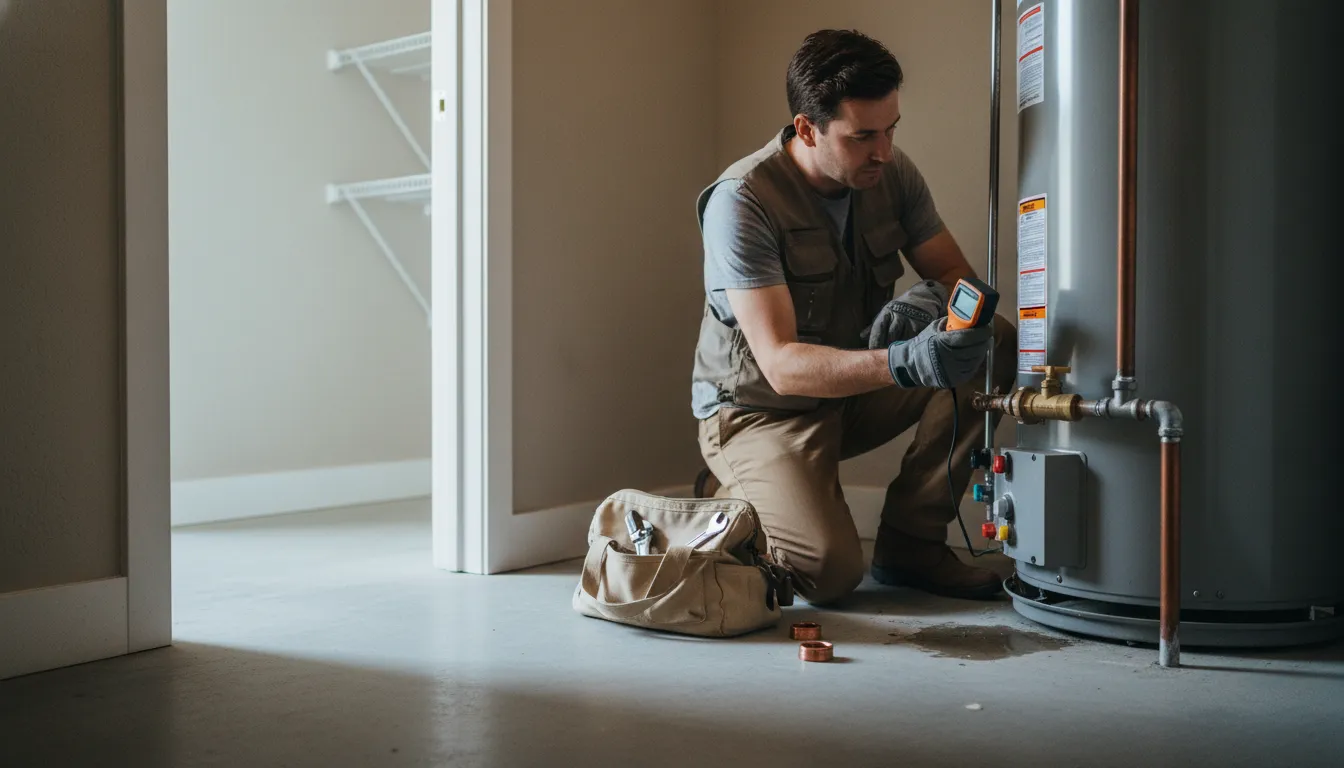
Find the Best Water Heater Repair Companies for Your Business
No obligation • Fast responses • Nationwide coverage

Why you can trust Search a Plumber
Search a Plumber is a leading United States resource for finding and evaluating professional plumbing services. Our team researches licensing, experience, and customer feedback to create unbiased, fact-driven overviews. Companies cannot pay to change ratings or placement, ensuring homeowners get trustworthy information.
Search providers near you
Best Water Heater Repair Companies in Washington Ranked
A failing water heater can disrupt daily life, from cold showers to unexpected leaks. Professional water heater repair is essential for restoring hot water safely and efficiently, especially given the distinct differences between gas and electric systems. This guide provides Washington homeowners with practical information on common problems, repair processes, and costs to help you understand your options and connect with qualified local specialists.
Ben’s Plumbing & Drain Cleaning
1141 NW 53rd St, Seattle, WA 98107
Ben's Plumbing & Drain Cleaning is a licensed plumbing and HVAC company serving Seattle, WA. The company offers a wide range of services including plumbing repairs, water heater installation and repair, drain cleaning, sewer line repair with trenchless options, leak detection, and repiping. They use advanced equipment such as drain inspection cameras and video inspection for sewer lines to accurately diagnose and resolve issues. Founded by industry veteran Ben Foster, Ben's Plumbing has over 25 years of experience providing personalized plumbing and HVAC services to both residential and commercial clients in the Seattle area.

Action Craft Experts, Plumbing, Drains, & Water Heaters
Spokane, WA
Action Craft Experts, Plumbing, Drains, & Water Heaters is a locally owned plumbing company serving Spokane, WA, and surrounding areas including Northern Idaho. They provide a wide range of plumbing services for residential, commercial, new construction, and remodeling projects. Their licensed team handles water heater repair and installation, drain cleaning, sewer line repair, leak detection, and gas line installation, ensuring compliance with local codes and safety standards. With over 25 years of experience, they offer expertise in both traditional and tankless water heater systems and maintain an A+ rating with the Better Business Bureau. Action Craft Experts is licensed in Washington and Idaho and supports public works projects as well.
Pioneer Plumbing CDA
Spokane, WA
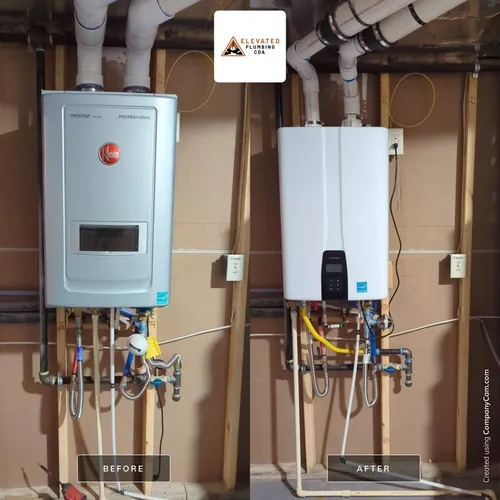
Pioneer Plumbing CDA is a locally run plumbing service operating in Spokane, WA, and the surrounding Coeur d'Alene area. They offer a range of plumbing services including water heater repair and installation, water softener installation, sump pump repair, drain cleaning, leak detection, toilet repair, and garbage disposal repair. The company emphasizes expert diagnostics and solutions aimed at protecting home plumbing systems, with capabilities such as whole home plumbing inspections to identify issues early and improve water quality. Pioneer Plumbing CDA provides transparent pricing and flexible financing options to support customers in managing essential plumbing repairs.
Comfort Heating, Cooling, Electrical & Plumbing
11711 E Trent Ave, Spokane Valley, WA 99206
Comfort Heating, Cooling, Electrical & Plumbing offers plumbing, HVAC, electrical, and water treatment services in Spokane, WA, and nearby areas. They provide water heater repair and installation, as well as water softener installation. With over 30 years of experience serving the region, Comfort Heating, Cooling, Electrical & Plumbing is known for its comprehensive home services and skilled technicians. The company also offers 24/7 emergency service without extra charges for nights or weekends.
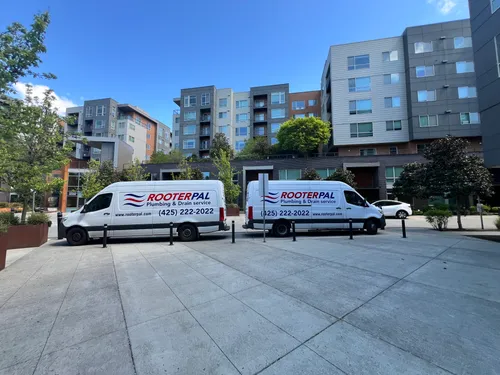
Rooter-Pal Plumbing, LLC
11851 124th Ave NE, Kirkland, WA 98034
Rooter-Pal Plumbing, LLC is a licensed plumbing company serving Seattle, WA, and nearby Eastside communities including Kirkland, Bellevue, Redmond, and Bothell. They provide a wide range of plumbing services such as water heater installation and repair, leak detection, drain cleaning with hydro jetting, sewer line repair including trenchless options, and foundation waterproofing. The company has over 10 years of experience serving residential and commercial properties in the area. Rooter-Pal Plumbing offers 24/7 emergency leak detection and plumbing services to address urgent needs at any time.
Common Water Heater Problems in Washington Homes
Water heaters work hard year-round, and issues can arise from age, sediment buildup, or component failure. The problems you encounter depend largely on whether your unit is powered by natural gas or electricity. Understanding the symptoms can help you describe the issue more accurately to a professional.
For Gas Water Heaters:
- No Hot Water: Often caused by a pilot light that won't stay lit, a faulty thermocouple, or a malfunctioning gas control valve.
- Insufficient Hot Water: This can result from a undersized unit, a dirty burner affecting flame efficiency, or a broken dip tube sending cold water to the top of the tank 1.
- Discolored or Smelly Water: Typically indicates anode rod corrosion or bacteria growth in the tank, which is more common with well water.
- Rumbling or Popping Noises: Caused by sediment (mineral buildup) at the bottom of the tank overheating-a sign the tank may need flushing.
- Gas Odor: If you smell gas (like rotten eggs), leave the area immediately and contact your gas company. This indicates a potentially dangerous leak.
For Electric Water Heaters:
- No Hot Water: Frequently due to tripped circuit breakers, a failed high-temperature limit switch (often a red reset button), or faulty heating elements.
- Lukewarm Water That Runs Out Quickly: Usually points to a failed lower heating element. If you get no hot water at all, the upper element is likely the culprit 2.
- Water is Too Hot: Caused by a stuck or incorrectly set thermostat.
- Tripping Breaker: Repeated trips can indicate a shorted heating element, faulty wiring, or a problem with the breaker itself 3.
Gas vs. Electric: Key Repair Differences
The repair approach for your water heater is fundamentally different based on its fuel source. This affects the safety protocols, diagnostic steps, and typical repair times.
Electric Water Heater Repair Process: Repairs on electric models are generally more straightforward but involve critical electrical safety. A technician will:
- Ensure Safety: Turn off power at the home's main electrical panel.
- Access Components: Remove the access panels and insulation to reach the thermostats and heating elements.
- Diagnose: Use a multimeter to test components for continuity and proper voltage.
- Repair/Replace: Swap out the faulty thermostat or heating element, reassemble the unit, and restore power. A single element or thermostat replacement typically takes 1.5 to 3 hours 4 5.
Gas Water Heater Repair Process: Gas unit repairs involve combustion and venting, requiring stringent safety checks. A professional will:
- Conduct Safety Inspection: Check for any gas odor before beginning. If detected, they will advise evacuating and contacting the utility.
- Inspect Pilot & Burner: Check if the pilot light is lit and inspect the burner assembly for blockages or damage.
- Diagnose: Test the thermocouple (a safety device), evaluate the gas control valve, and inspect the flue for proper venting.
- Repair/Replace: Replace defective parts like the thermocouple or control valve, ensure all connections are secure, and verify proper combustion and venting before restoring service. These mandatory safety steps often make gas repairs take longer than electric ones 6 7.
Understanding Repair Costs in Washington
Water heater repair costs in Washington vary based on the problem, the type of unit, labor rates in your area, and the cost of parts. In major metro areas like Seattle, costs tend to be higher than the national average, with many repairs falling between $400 and $1,438 8.
Here's a breakdown of typical average cost ranges for common repairs in Washington state:
| Repair Type | Estimated Average Cost Range |
|---|---|
| Replace Thermostat (Gas or Electric) | $150 - $200 |
| Replace Electric Heating Element | $200 - $300 |
| Replace Gas Thermocouple | $150 - $300 |
| Replace Gas Control Valve | $300 - $500 |
| Professional Tank Flush (Sediment Removal) | $100 - $350 |
| Fix Minor Valve or Connection Leak | $150 - $500 |
Important Note: If the steel tank itself is leaking, repair is almost never a permanent or safe solution. A leaking tank signifies internal corrosion and requires a full unit replacement, which can cost between $1,200 to $3,000+ installed, depending on the type and capacity of the new heater 9 10.
Find the perfect water heater repair companies for your needs
Get personalized recommendations and expert advice
When to Repair vs. Replace Your Water Heater
Making the decision between a repair and a full replacement is a common dilemma for homeowners. Consider these factors:
Opt for Repair If:
- The unit is less than 8-10 years old.
- The problem is isolated to a single, replaceable component (like a heating element or thermostat).
- The repair cost is less than half the price of a new installation.
- The tank is in good condition with no signs of rust or leakage.
Consider Replacement If:
- The water heater is approaching or exceeding its typical lifespan (10-15 years).
- The repair is major, such as a leaking tank or failed heat exchanger-these are often not repairable.
- Repair costs are high and recurring; investing in a new, more efficient model may be more economical long-term.
- You want to upgrade to a more energy-efficient model (like a heat pump water heater) to lower utility bills, especially with Washington's climate.
- You are experiencing persistent issues like frequent sediment buildup or inconsistent water temperature that repairs haven't resolved.
Choosing a Qualified Repair Specialist in Washington
Selecting the right professional is crucial for a safe and lasting repair. Here's what to look for:
- Proper Licensing: Ensure the plumber or technician holds a current Washington state plumbing contractor license.
- Experience & Specialization: Look for companies that specifically list water heater service and repair as a core service.
- Positive Reviews: Check independent review sites for consistent feedback on quality, punctuality, and professionalism.
- Upfront Pricing: A reputable provider should offer a clear, detailed estimate after diagnosing the problem, explaining both parts and labor costs.
- Safety First: For gas repairs, confirm the technician will perform necessary combustion and carbon monoxide safety checks.
- Warranty: Ask about warranties on both the parts used and the labor performed.
Maintaining Your Water Heater Post-Repair
After a repair, proper maintenance can extend your unit's life and prevent future issues.
- Annual Flushing: Have a professional flush the tank annually to remove sediment, which improves efficiency and prevents noise and damage 11.
- Temperature Setting: Keep the thermostat at 120°F for optimal efficiency and safety (to prevent scalding).
- Anode Rod Inspection: The sacrificial anode rod should be checked every 3-5 years and replaced if heavily corroded to protect the tank from rust.
- Pressure Relief Valve Test: Lift the valve's test lever briefly once a year to ensure it operates freely and discharges water-a critical safety feature.
- Visual Checks: Periodically look for signs of moisture, rust, or corrosion around the base, connections, and valves.
Frequently asked questions
Sources
Footnotes
-
The Most Common Gas Water Heater Problems - https://www.uswhpro.com/the-most-common-gas-water-heater-problems ↩
-
Electric Water Heater Not Working? Troubleshooting Guide - https://www.justanswer.com/plumbing/nhya3-electric-water-heater-no-hot-water-nothing-breaker.html ↩
-
Why Does My Water Heater Breaker Keep Tripping - https://www.benjaminfranklinplumbing.com/league-city/blog/2025/march/why-does-my-water-heater-breaker-keep-tripping-common-causes-and-solutions/ ↩
-
Troubleshooting Common Electric Water Heater Problems - https://expertce.com/learn-articles/troubleshooting-electric-water-heater/ ↩
-
Master Water Heater Troubleshooting: Solve Common Issues ... - https://craftsman-plumbing.com/master-water-heater-troubleshooting-solve-common-issues-fast/ ↩
-
Gas Hot Water Heater Issues: Troubleshooting & Expert Tips - https://daigleplumbing.com/blogs/gas-water-heater-not-working-common-causes-troubleshooting-tips/ ↩
-
Water Heater Repair: Gas vs. Electric - McQuillan Bros - https://mcquillanbros.com/blog/twin-cities-water-heater-woes-solved-gas-vs-electric-repair-differences/ ↩
-
How Much Does Water Heater Repair Cost in Seattle, WA? - https://www.angi.com/articles/how-much-does-it-cost-repair-water-heater/wa/seattle ↩
-
How Much Does Water Heater Repair Cost in 2025 - https://magnificentplumbing.com/cost-to-repair-water-heater/ ↩
-
The Great Water Heater Debate: Is It Better to Repair or Replace in ... - https://www.valleyheating.com/blogs/2025/february/the-great-water-heater-debate-is-it-better-to-re/ ↩
-
10 Common Water Heater Problems | Mr. Rooter Plumbing - https://www.mrrooter.com/about/expert-tips/water-heaters/common-water-heater-problems/ ↩