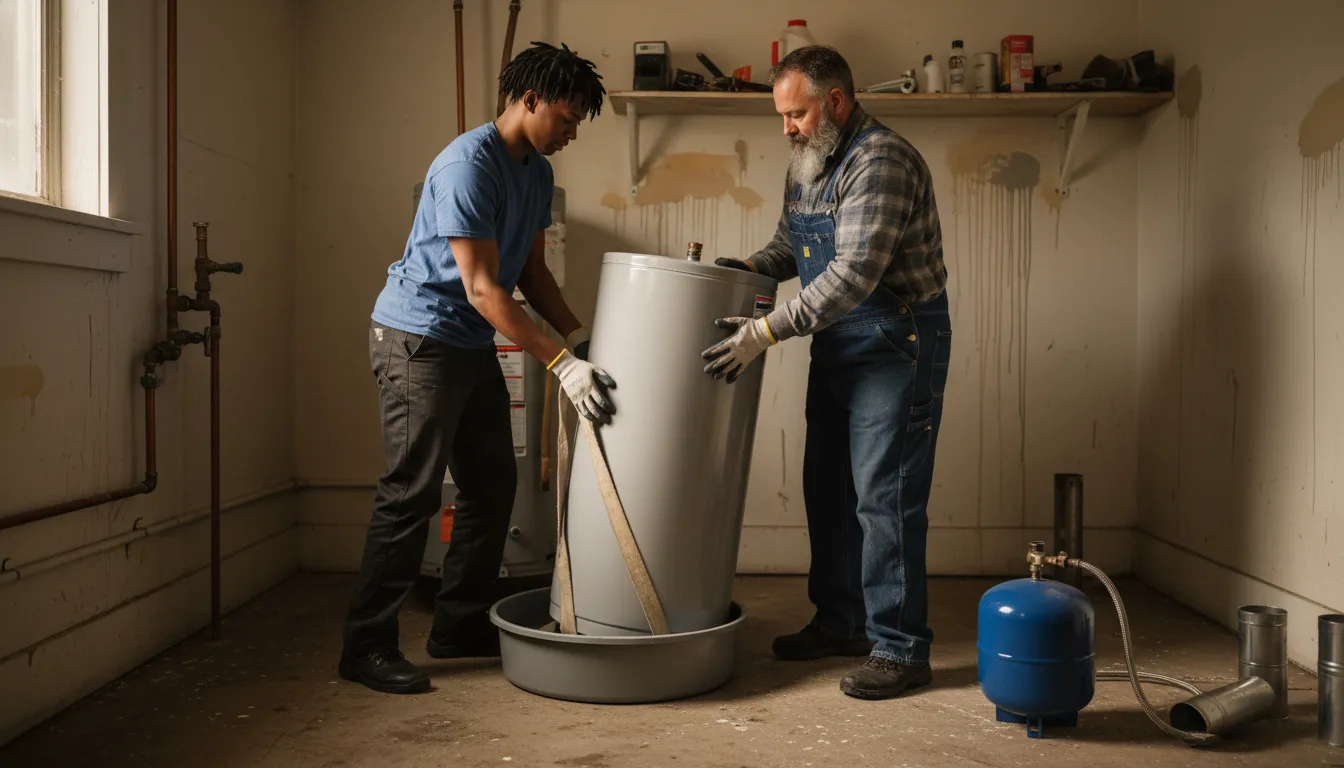
Find the Best Water Heater Installation Companies for Your Business
No obligation • Fast responses • Nationwide coverage

Why you can trust Search a Plumber
Search a Plumber is a leading United States resource for finding and evaluating professional plumbing services. Our team researches licensing, experience, and customer feedback to create unbiased, fact-driven overviews. Companies cannot pay to change ratings or placement, ensuring homeowners get trustworthy information.
Search providers near you
Top Water Heater Installation Companies in Cleveland Heights, Ohio Ranked
A reliable hot water supply is essential for daily comfort in any Cleveland Heights home, from morning showers to washing dishes. When your water heater fails or becomes inefficient, a professional installation or replacement restores this crucial function and can significantly improve your home's energy efficiency. This guide will help you understand your options, from traditional tank models to modern tankless systems, and how to navigate the process of finding a qualified local specialist for the job.
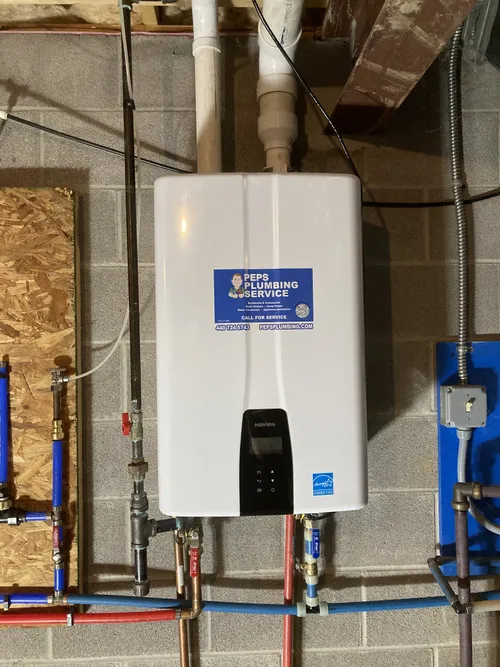
Peps Plumbing Service
153 Center St, Chardon, OH 44024
Peps Plumbing Service is a local, family-owned plumbing company serving Cleveland, OH, and surrounding areas including Chardon, Mentor, and Painesville. They provide a wide range of plumbing services such as water heater repair and installation, water softener installation, drain cleaning, leak detection, and gas line installation. Their team is equipped to handle both minor repairs and major plumbing projects, with capabilities including advanced leak detection and gas line inspections. Peps Plumbing Service emphasizes honest pricing and expert workmanship in their community-focused approach.
P.K. Wadsworth Heating & Cooling
Front Unit, 1658 Mentor Ave, Painesville Township, OH 44077
P.K. Wadsworth Heating & Cooling has been serving the Cleveland, OH area since 1936. They offer a range of services including water heater repair and installation, drain cleaning, and general plumbing work. Their experienced technicians handle repairs, replacements, and maintenance for heating, cooling, and plumbing systems. With over 80 years of experience, the company is equipped to manage various HVAC and plumbing needs in the Greater Cleveland area.
Roto-Rooter Plumbing & Water Cleanup
10574 Ravenna Rd Ste 2A, Twinsburg, OH 44087
Roto-Rooter Plumbing & Water Cleanup provides comprehensive residential and commercial plumbing services in Cleveland, OH. Their offerings include water heater repair and installation, drain cleaning, sewer line repair with trenchless options, leak detection, gas line installation, and garbage disposal repair. The company also specializes in emergency flood cleanup and mold remediation. They use advanced equipment such as hydro jetting for drain cleaning and offer 24/7 availability year-round to handle urgent plumbing needs. Serving the Cleveland area, Roto-Rooter has extensive experience managing complex commercial plumbing systems and residential repairs. Their expertise in trenchless sewer repair minimizes disruption during sewer line work. The company emphasizes prompt emergency response and continuous service availability, ensuring plumbing issues are addressed at any time.
Splash Mountain Plumbing Company
10180 Queens Way Unit 1, Chagrin Falls, OH 44023
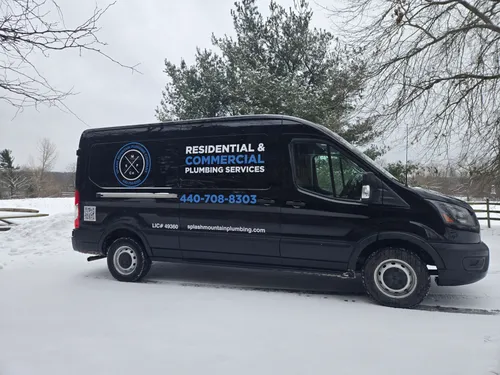
Splash Mountain Plumbing Company provides residential and commercial plumbing services in Cleveland, OH. They handle inspections, repairs, maintenance, and installations for a wide range of plumbing needs including water heater repair and installation, tankless water heaters, water softeners, sump pumps, drain cleaning, leak detection, repiping, and toilet repair. The company also offers well water testing, backflow testing, and services related to water treatment and filtration systems. Splash Mountain Plumbing Company serves multiple counties around Cleveland and emphasizes clear communication and upfront pricing before starting any work.
WyattWorks Plumbing
1372 Lloyd Rd, Wickliffe, OH 44092
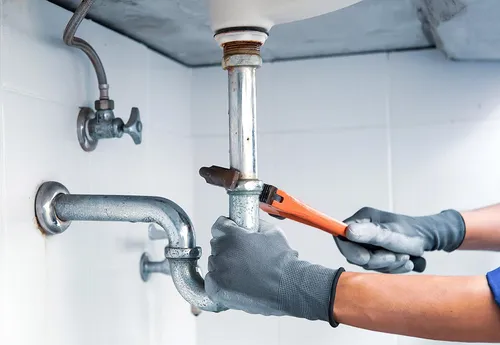
WyattWorks Plumbing is a family-owned and operated plumbing company serving Cleveland, OH. They provide a range of plumbing services including water heater repair and installation, tankless water heater services, drain cleaning, sewer line repair, and leak detection. The company has over 40 years of experience and offers same-day service to address plumbing issues promptly. WyattWorks is known for its expertise in drain cleaning using jetting and rooting techniques, as well as advanced smart home leak detection technology through a partnership with Moen Flo.
Understanding Your Water Heater Options
Choosing the right water heater involves more than just picking a size. Modern technology offers several paths to efficient hot water, each with distinct advantages suited to different homes and budgets in Northeast Ohio.
Traditional Storage Tank Water Heaters The most common type found in homes, these units heat and store a ready reservoir of water (typically 40 to 80 gallons) in an insulated tank. They are available in both gas and electric models. Gas models are popular for their faster recovery times and ability to operate during power outages, while electric models often have a lower upfront purchase cost. Their familiarity makes them a straightforward replacement for existing setups.
Tankless (On-Demand) Water Heaters Tankless units heat water directly as it flows through the device, providing a virtually endless supply of hot water. They are compact, energy-efficient because they avoid standby heat loss, and have a longer lifespan than traditional tanks. The higher initial investment can be offset by lower long-term operating costs, especially in homes with consistent hot water demand 1.
Hybrid Heat Pump Water Heaters These highly efficient electric models work by moving heat from the surrounding air into the water, using significantly less electricity than standard resistance heating elements. They excel in long-term energy savings and are an excellent choice for homeowners looking to reduce their carbon footprint and utility bills, though they perform best in spaces that remain within a moderate temperature range (40ºF - 90ºF).
High-Efficiency and Smart Models Many modern tank and tankless units carry ENERGY STAR® certification, indicating superior energy performance. Smart water heaters add Wi-Fi connectivity, allowing you to monitor usage, adjust settings remotely, and receive maintenance alerts, providing both convenience and enhanced control over energy consumption.
Why Cleveland Heights Climate Matters for Your Choice
Northeast Ohio's distinct seasons, particularly its cold winters, directly impact your water heater's performance and efficiency. The groundwater entering your home can be very cold for much of the year, meaning your unit must work harder to raise the water temperature to your desired setting. This makes efficiency a critical factor.
An energy-efficient model-whether a high-efficiency gas tank, a tankless unit, or a hybrid heat pump-can deliver substantial savings on monthly bills by reducing the energy required for this harder work 2. It's also wise to consider local utility rates when choosing between fuel types; natural gas has historically been a cost-effective option in the region, but electricity rates and available rebates for high-efficiency electric models can influence the best economic choice for your home 3.
Signs You Need a Water Heater Replacement
Knowing when to replace your unit can prevent an emergency cold shower and allow for planned, cost-effective upgrades. Key indicators include:
- Age: The average lifespan of a traditional tank water heater is 10-15 years. If yours is within or beyond this range, it's prudent to start planning for a replacement.
- Rusty or Discolored Water: Brown or reddish water from your hot taps can signal internal tank corrosion, a sign of impending failure.
- Insufficient Hot Water: Running out of hot water faster than usual, or water that never gets truly hot, points to a failing heating element, sediment buildup, or an undersized unit.
- Rumbling or Popping Noises: These sounds are often caused by sediment (mineral deposits) hardening at the bottom of the tank, which reduces efficiency and can overheat the tank metal 4.
- Moisture or Leaks: Any pooling water around the base of the tank indicates a leak from the tank itself or its connections. A leaking tank is a definitive sign replacement is needed 5.
- Consistently Rising Energy Bills: An aging, sediment-filled, or inefficient water heater must work harder, which shows up as a gradual increase in your gas or electric bills.
The Professional Installation Process: What to Expect
A proper, code-compliant installation by a licensed plumber is non-negotiable for safety, warranty protection, and optimal performance. Here's a typical step-by-step process:
- In-Home Assessment: A qualified technician will evaluate your household size, peak hot water usage, the capacity of your existing gas line or electrical service, and venting requirements. This ensures the new unit is correctly sized and compatible with your home's infrastructure.
- Unit Selection: Based on the assessment and your budget, you'll choose the specific model, type, and size. For a family of four, a 40- or 50-gallon tank is common, but usage patterns vary.
- Preparation: The technician will safely turn off the water supply, gas line, or electrical power to the old unit. They will drain the old heater and disconnect it from the water, fuel, and venting systems.
- Installation & Hookup: The new unit is positioned, leveled, and connected. This includes attaching water lines (often with new flexible connectors), connecting the gas line and control valve or electrical wiring, and ensuring proper venting for gas models to safely exhaust combustion gases.
- Testing & Cleanup: The system is pressurized, checked for leaks, and activated. The technician will verify proper operation, adjust the temperature setting, and often flush the system to clear initial debris. The old unit is removed, and the work area is cleaned up 6.
Find the perfect water heater installation companies for your needs
Get personalized recommendations and expert advice
Understanding Investment and Value
The total cost for a water heater replacement in Cleveland Heights varies based on the unit type, complexity of installation, and any necessary upgrades to gas lines, electrical circuits, or venting.
- Standard Tank Water Heater (40-50 gallon): Including professional installation, prices typically range from $1,600 to $3,200 or more. Electric models often have a lower equipment cost than gas models, but local fuel rates affect long-term value 7.
- Tankless Water Heater: The installed cost is higher, generally between $2,400 and $9,000+, due to the cost of the unit and potential need for upgraded gas lines or electrical service 8 9 10. The payoff comes from lower operating costs and longer service life.
- Hybrid Heat Pump Water Heater: These carry a higher upfront cost than standard electric tanks but offer the fastest payback through energy savings, especially in a suitable installation space 11.
These are estimated price ranges; obtaining detailed quotes from licensed professionals is essential for an accurate project cost.
The Critical Importance of Hiring a Licensed Professional
Water heater installation involves high-pressure water lines, potentially explosive gas, and high-voltage electricity. A licensed, insured plumber ensures the job meets all local building and safety codes in Cleveland Heights and Cuyahoga County. This protects your home from risks like gas leaks, carbon monoxide poisoning, or water damage. Furthermore, professional installation is almost always required to keep the manufacturer's warranty valid. They also handle the often-difficult tasks of disposing of the old unit and pulling any required permits.
Frequently asked questions
Sources
Footnotes
-
Water Heater Replacement In Cleveland | Repair And Install - https://www.vehbrothers.com/plumbing/water-heaters/installation/ ↩
-
A Comprehensive Guide to Heating Systems for Residences: Choosing the Best Fit for Your Home - K & K Heating and Cooling - https://kandkheatingandcooling.com/2024/11/26/a-comprehensive-guide-to-heating-systems-for-residences-choosing-the-best-fit-for-your-home/ ↩
-
Water Heater Replacement in Cleveland, OH - W.F. Hann & Sons - https://wfhann.com/plumbing/water-heaters/replacement/ ↩
-
Water Heater Installation in Cleveland - Neptune Plumbing - https://www.neptuneplumbing.net/commercial-plumbing/water-heaters/water-heater-installation/ ↩
-
Water Heater Repair & Replacement in Cleveland Heights, OH - https://wfhann.com/plumbing/water-heaters/ ↩
-
Water Heater Replacement In Cleveland, OH | 24/7 Services - https://salsheatandcool.com/ohio/plumbing/water-heaters/replacement/ ↩
-
Pricing Guide: Water Heater Installation Cost - Burgeson's - https://www.burgesons.com/blog/how-much-does-it-cost-to-install-a-water-heater-in-southern-california-burgesons ↩
-
Water Heater Installation Cleveland, OH | Arco Home Services - https://www.goarco.com/plumbing-services/water-heater-installation/ ↩
-
Cost to Replace a Water Heater - The Home Depot - https://www.homedepot.com/services/c/cost-install-water-heater/9058c024e ↩
-
Water Heater Repair & Installation in Cleveland - https://www.mayesandsonsplumbing.com/plumbing-services/water-heater-repair-installation/ ↩
-
Cost to Replace a 40-Gallon Water Heater in 2025 | Fixr.com - https://www.fixr.com/costs/40-gallon-water-heater ↩