
Find the Best Water Heater Installation Companies for Your Business
No obligation • Fast responses • Nationwide coverage

Why you can trust Search a Plumber
Search a Plumber is a leading United States resource for finding and evaluating professional plumbing services. Our team researches licensing, experience, and customer feedback to create unbiased, fact-driven overviews. Companies cannot pay to change ratings or placement, ensuring homeowners get trustworthy information.
Search providers near you
Best Water Heater Installation Companies in Kentucky Ranked
A properly installed water heater is essential for reliable hot water and home safety. In Kentucky, all water heater work is governed by the state plumbing code, which sets standards for permits, safety devices, and installation practices to protect your home and family. This guide provides clear, practical information on Kentucky's regulations, costs, and options to help you make an informed decision when you need a new hot water system installed or replaced.

Backup Plumbing
2121 Spencer Ct Unit 5, La Grange, KY 40031
Backup Plumbing is a locally and family-owned plumbing company serving Louisville, KY, and the surrounding areas. Established in 2018, the company offers a wide range of residential and commercial plumbing services including sewer line repair, water heater installation and repair, leak detection, drain cleaning, and gas line installation. Their team holds OSHA and Rinnai certifications and brings over 30 years of combined experience to each project. Backup Plumbing uses advanced diagnostic tools such as sewer camera inspections to accurately identify issues and provide effective solutions. They also provide industry-leading warranties and free water testing as part of their service. The company is equipped to handle both routine maintenance and emergency plumbing situations, ensuring safety and compliance with local regulations. Their commercial plumbing services are designed to minimize downtime for businesses, and they emphasize thorough safety practices in all gas line work. Backup Plumbing is committed to building lasting relationships with clients through clear communication and professional service.
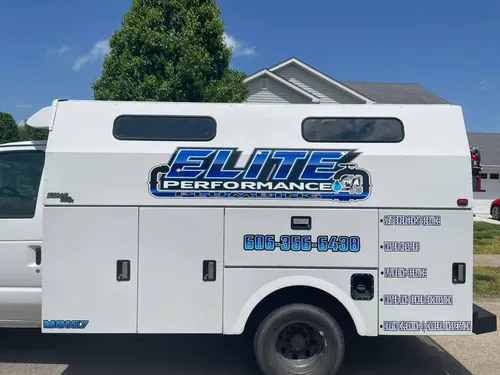
Elite Performance Plumbing, Drain Cleaning, and Water Heaters
1064 Center Dr, Richmond, KY 40475
Elite Performance Plumbing, Drain Cleaning, and Water Heaters offers comprehensive plumbing services in Lexington, KY. They specialize in water heater repair and installation, drain cleaning, water and sewer line excavation, and commercial plumbing. Their skilled technicians use advanced equipment to diagnose and resolve plumbing issues efficiently, helping maintain system performance and prevent future problems. The company is also known for supporting local community initiatives.
Dauenhauer Plumbing Heating Air & Electric
815 Taylorsville Rd, Shelbyville, KY 40065
Dauenhauer Plumbing Heating Air & Electric is a home services provider based in Louisville, KY, offering a wide range of plumbing, heating, air conditioning, and electrical services. With over 65 years of experience serving Kentucky homeowners, their licensed technicians handle plumbing repairs, water heater installation and repair, drain cleaning, sewer line repair including trenchless methods, and hydro jetting. They also provide HVAC services such as furnace and air conditioning repair and installation, as well as electrical work including panel upgrades and whole-house generator installation. Dauenhauer offers 24/7 emergency services to address urgent plumbing, HVAC, and drain issues promptly.

ASI Plumbing
4310 Bishop Ln, Louisville, KY 40218
ASI Plumbing is a full-service plumbing company serving Louisville, KY, specializing in water heater installation and repair as well as sewer line repair. With nearly 25 years of experience, they provide plumbing services for both residential and commercial clients. Their licensed plumbers focus on clear communication and consistent service through their proprietary Vision™ Service System.

GreenBox Home Services
1060 W High St STE 120, Lexington, KY 40508
GreenBox Home Services provides HVAC, plumbing, and electrical services in Louisville, KY. The company offers water heater repair and installation, drain cleaning, and sewer line repair, along with heating and air conditioning services. Their team is familiar with the needs of Central Kentucky residents and delivers same-day plumbing services to address urgent issues efficiently. GreenBox Home Services is available 24/7 for heating emergencies, ensuring support whenever needed.
Understanding Kentucky's Plumbing Code Requirements
In Kentucky, all water heater installations and replacements must comply with the Kentucky Plumbing Code (815 KAR 20:055). This isn't just a recommendation-it's the law designed to ensure safety and proper function. The code covers everything from the type of pipe used to where the unit can be located in your home.
A key requirement is that a plumbing permit must be obtained for all water heater replacements, even if a homeowner is doing the work on their primary residence. This ensures the installation will be inspected by a certified professional, verifying it meets all safety standards. Skipping the permit can lead to fines, voided warranties, and serious safety hazards.
Mandatory Safety Devices and Installation Specifications
The code mandates specific safety features. Every storage water heater must have a properly installed Temperature and Pressure Relief (TPR) valve. The discharge pipe from this valve must terminate within two inches of the floor near a drain or be piped to the outside, ending within four inches of the ground 1. This prevents scalding or pressure buildup if the unit malfunctions.
Location matters for safety and performance:
- Garages: Fuel-fired units (natural gas or propane) must have their ignition source at least 18 inches above the floor to avoid igniting flammable vapors.
- Enclosed Spaces: Water heaters installed in closets or small rooms must have adequate ventilation (like louvers) to provide combustion air for gas models.
- Attics & Above Ceilings: Units installed in these locations require a corrosion-resistant drain pan piped to an appropriate drain to prevent water damage from a leak.
- Piping: Hot and cold water supply lines should be at least 3/4-inch inner diameter. When connecting pipes of different metals (like copper to steel), dielectric fittings are required to prevent corrosive electrolysis 2.
Choosing the Right Size Water Heater
Selecting the correct capacity is crucial for meeting your household's hot water needs without wasting energy. Sizing is based on "first-hour rating" (FHR) for tank models or flow rate for tankless, which correlates to the number of people in your home and simultaneous hot water uses (like showers and laundry).
A general guideline for traditional tank water heaters in Kentucky is 3 4 5:
- 1-2 people: 30-40 gallon tank
- 3-4 people: 40-50 gallon tank (gas) or 50-60 gallon tank (electric)
- 5 or more people: 50-80+ gallon tank or a high-output tankless system
For a more accurate calculation, consider your peak usage-the time of day when the most hot water is used at once. A professional can perform a load calculation to recommend the perfect size for your Kentucky home 6 7 8.
Comparing Fuel Types and Water Heater Models
The most common water heaters in Kentucky are powered by natural gas or electricity, with propane as a frequent alternative in rural areas.
- Natural Gas & Propane: These are often favored for their faster recovery rates (heating a new tank of water more quickly) and typically lower operating costs compared to standard electric models. Propane provides a gas option where natural gas lines are not available 9 10.
- Electric: The most widely available option, electric water heaters usually have a lower purchase price but can be more expensive to operate monthly, depending on local utility rates. They are straightforward to install where an electrical circuit is already present 11.
- Advanced Options: Other technologies are gaining traction:
- Heat Pump (Hybrid) Water Heaters: These are highly efficient electric units that move heat from the air into the water, using significantly less electricity. They work best in installed spaces that remain in the 40°-90°F range year-round.
- Tankless (On-Demand) Water Heaters: These units heat water only as it's needed, providing endless hot water and saving on standby energy losses. They have a higher upfront cost but are compact and long-lasting 12.
- Solar Water Heaters: While less common, these use solar collectors and can significantly reduce energy bills, though they often require a backup system for cloudy days.
Find the perfect water heater installation companies for your needs
Get personalized recommendations and expert advice
Understanding Installation and Replacement Costs in Kentucky
The total cost for a new water heater in Kentucky involves the unit price, labor, and any necessary upgrades to bring your existing setup up to current code. Prices can vary based on your location, the type of unit, and the complexity of the installation.
Research indicates the average professional replacement cost for a standard tank model in Kentucky is around $1,395 13. However, total project costs typically range from $1,400 to over $2,700, with very simple electric replacements sometimes starting near $600 13 14.
Key factors influencing the final price include:
- Unit Type: A tankless system typically costs roughly twice as much as a conventional tank-style heater for both the unit and installation 15.
- Labor: A standard replacement usually involves 4-6 hours of labor. Costs increase if the job requires relocating the unit, upgrading gas lines or electrical circuits, or modifying plumbing 16.
- Code-Required Modifications: Older installations often don't meet today's stricter codes. Common add-ons that affect price include installing a thermal expansion tank, adding seismic strapping, upgrading venting, or bringing the TPR valve discharge up to code 17.
The Professional Installation Process
Hiring a licensed Kentucky plumber ensures the job is done safely, correctly, and to code. A typical professional installation follows these steps:
- Assessment and Permitting: The plumber will assess your current setup, help you select an appropriate unit, and pull the required local permit.
- Shutoff and Drainage: The water and fuel supply (gas or electricity) to the old unit are safely shut off, and the old tank is drained.
- Disconnection and Removal: The old water heater is disconnected and removed from the premises.
- Preparation and Code Compliance: The new location is prepared. This may involve installing a new drain pan, updating pipe fittings with dielectric unions, or ensuring proper ventilation.
- Installation and Connection: The new unit is positioned, leveled, and connected to the water, fuel, and venting systems. All connections are checked for leaks.
- Startup and Inspection: The unit is filled with water, purged of air, and ignited or powered on. The installer will set the temperature and test the TPR valve. Once complete, the work is reviewed for a final inspection by the local code official.
Energy Efficiency and Long-Term Savings
While Kentucky follows general energy codes, choosing an efficient model can lead to substantial savings on your utility bills. Look for the Uniform Energy Factor (UEF) label; a higher number means greater efficiency.
ENERGY STAR® certified water heaters can be significantly more efficient than standard models. For example, an ENERGY STAR certified heat pump water heater can use about 70% less energy than a traditional electric model, and certified gas condensing models are also highly efficient 18. Although these units may have a higher purchase price, the long-term energy savings can offset the initial investment over the life of the appliance.
Maintenance for Longevity
To extend the life of your new water heater and maintain its efficiency:
- Annual Flushing: Sediment from hard water can build up in the tank, reducing efficiency and causing noise. Draining a few gallons from the tank once a year helps clear this out.
- TPR Valve Test: Lift the valve's test lever briefly each year to ensure water flows freely and it reseats properly. (Caution: The water will be hot.)
- Anode Rod Inspection: The sacrificial anode rod protects the tank from corrosion. Have a plumber check it every 3-5 years and replace it if it's heavily corroded.
- Temperature Setting: The U.S. Department of Energy recommends a setting of 120°F for optimal energy savings and safety from scalding.
Frequently asked questions
Sources
Footnotes
-
Water Heater Replacement - Kentucky Department of Housing, Buildings and Construction ↩
-
815 KAR 20:055 - Water heating devices | State Regulations ↩
-
How to Choose the Right Size Water Heater for Champaign Homes - Lanz Inc. ↩
-
The Complete Guide to Choosing and Installing a Domestic Heat Pump Water Heater - Arctic Heat Pumps ↩
-
What Size Propane Gas Water Heater Do You Need? - Kauffman Gas ↩
-
The Importance of Sizing for Water Heater Replacement In Portland | Sky Heating ↩
-
Types Of Water Heaters By Power Or Fuel Source - 4 Fast Plumber ↩
-
The Best Fuel Type For Your Water Heater - Brian Wear Plumbing ↩
-
Water Heaters | Installation & Repair | Danville, KY - Apex Plumbing ↩
-
Cost to install a water heater in Louisville, KY - Handoff ↩ ↩2
-
How Much Does It Cost to Repair or Replace a Water Heater ... - Homeserve ↩
-
Cost to Replace a 40-Gallon Water Heater in 2025 | Fixr.com ↩
-
Homeowner's Informational Packet for a Water Heater - Kentucky Department of Housing, Buildings and Construction ↩
-
4 Factors to Consider When Getting a Water Heater - Comfort Tech ↩