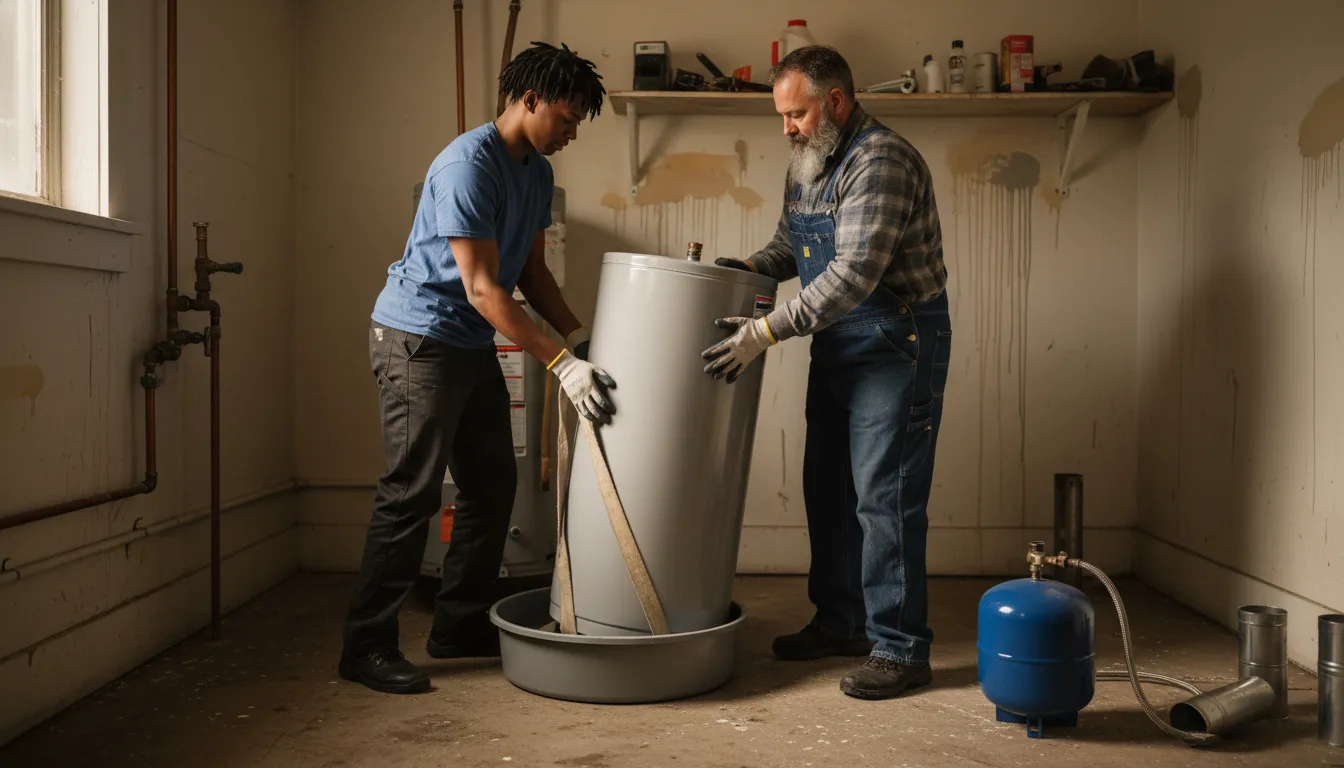
Find the Best Water Heater Installation Companies for Your Business
No obligation • Fast responses • Nationwide coverage

Why you can trust Search a Plumber
Search a Plumber is a leading United States resource for finding and evaluating professional plumbing services. Our team researches licensing, experience, and customer feedback to create unbiased, fact-driven overviews. Companies cannot pay to change ratings or placement, ensuring homeowners get trustworthy information.
Search providers near you
Top Water Heater Installation Companies in Littleton, Colorado Ranked
A properly functioning water heater is essential for daily comfort in your Littleton home, providing hot water for showers, cleaning, and appliances. When your system fails or becomes inefficient, a professional installation or replacement is a critical home improvement project. This guide will help you understand your options for water heater services, from traditional tanks to modern on-demand systems, and how to find qualified local specialists to ensure a safe and effective upgrade for your household.
High 5 Plumbing, Heating, Cooling & Electric
15710 W Colfax Ave, Golden, CO 80401
High 5 Plumbing, Heating, Cooling & Electric is a full-service plumbing company serving Denver, CO. They provide a wide range of plumbing services including water heater installation and repair, drain cleaning, sewer line repair, leak detection, and gas line installation. The company uses advanced video technology for sewer camera inspections and offers trenchless sewer repair to minimize excavation. They also specialize in hydro jetting to clear blocked drains efficiently. High 5 Plumbing is licensed for gas plumbing and installs energy-efficient tankless water heaters. The company has received recognition such as the Angi Super Service Award and a BBB Torch Award for Ethics. They provide 24/7 emergency response for urgent plumbing needs.
Big Apple Plumbing LLC - Broomfield, CO
1022 Depot Hill Rd Unit 10, Broomfield, CO 80020
Big Apple Plumbing LLC - Broomfield, CO provides a wide range of plumbing services in Denver, CO, including drain cleaning, sewer line repair, water heater installation and repair (tank and tankless), leak detection, gas line installation, sump pump repair, and repiping. The company serves both residential and commercial clients, handling routine maintenance, emergency repairs, and new installations with licensed plumbers. They specialize in sewer line services and offer 24/7 emergency plumbing solutions to address urgent issues like burst pipes and leaks. Big Apple Plumbing is locally owned and operated, with a focus on safety and code compliance. Their team is experienced in gas line installations and water heater replacements, ensuring efficient and reliable service. The company is known for upfront pricing, timely arrivals, and clear communication, serving Broomfield and surrounding areas including Anthem, The Broadlands, and Interlocken/FlatIron Crossing.
Walk on Water Plumbing LLC
9994 Silver Maple Way, Highlands Ranch, CO 80129
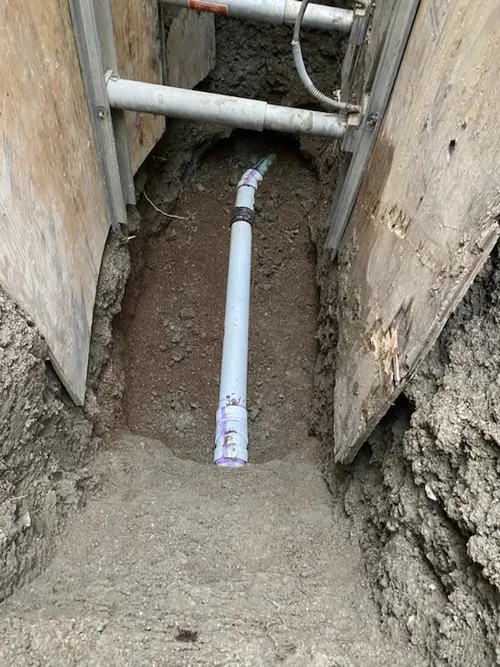
Walk on Water Plumbing LLC is a family-owned plumbing business based in Highlands Ranch, serving the South Metro Denver area including Denver, CO. They specialize in water heater repair, installation, and tankless water heater services. The company is led by a licensed master plumber with over 15 years of experience, supported by a team with more than 35 years in plumbing. Their services cover a range of residential plumbing needs with a focus on tankless water heaters, which provide instant hot water without waiting. Walk on Water Plumbing LLC is a licensed and insured contractor with a multi-generation legacy in the plumbing industry.
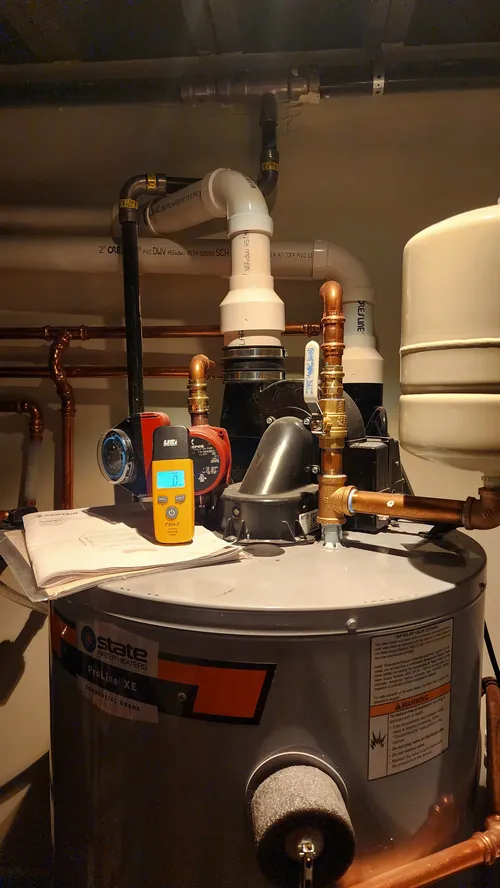
Midwest Plumbing Co. LLC
8360 Auburn Ln, Westminster, CO 80031
Midwest Plumbing Co. LLC is a plumbing service provider based in Denver, CO, offering a wide range of plumbing solutions. Their services include water heater repair and installation, sump pump repair, sewer line repair with trenchless technology, leak detection, repiping, gas line installation, toilet and garbage disposal repair, and more. The company uses advanced equipment and techniques to address both simple and complex plumbing issues, aiming to provide long-term solutions. They serve residential customers and emphasize careful, tailored service for each home. Midwest Plumbing Co. LLC offers 24/7 emergency plumbing services to assist customers whenever needed.
Speed plumbing
225 S Harrison St a412, Denver, CO 80209
Speed Plumbing is a plumbing service provider based in Denver, CO, offering a range of services including water heater repair and installation, drain cleaning, hydro jetting, and gas line installation. They serve both residential and commercial clients, with capabilities such as small hydro jetting to clear grease, sand, and soft clogs. With 20 years of experience, Speed Plumbing provides 24/7 emergency service to address urgent plumbing needs promptly.
Understanding Your Water Heater Options
Choosing the right water heater involves balancing upfront cost, long-term efficiency, and your home's specific hot water demands. In Littleton, the local climate-with its high altitude and cold winters-adds important considerations for proper sizing and venting.
Traditional Storage Tank Water Heaters
The most common type, these units heat and store a reservoir of water in an insulated tank. They are generally the most cost-effective option for initial purchase and installation.
- How They Work: A gas burner or electric element heats water stored in a tank, typically ranging from 40 to 80+ gallons for residential use.
- Pros: Lower purchase price, simpler technology, and straightforward installation.
- Cons: Standby heat loss (energy wasted keeping water hot), finite hot water supply, and a shorter average lifespan compared to other types.
- Local Note: Proper venting for gas models is crucial in Littleton's climate to ensure safe operation and efficiency.
Tankless (On-Demand) Water Heaters
These systems heat water directly as it flows through the unit, providing a continuous supply. They are known for their energy efficiency and space-saving design.
- How They Work: When a hot water tap is turned on, cold water travels through a heat exchanger, where it is instantly warmed by a high-powered gas burner or electric element.
- Pros: Significant energy savings (no standby heat loss), endless hot water, longer lifespan, and a compact size.
- Cons: Higher upfront costs for both the unit and installation, which may require upgrades to your gas line or electrical service.
- Local Note: The high altitude can affect combustion efficiency, making professional sizing and installation by a technician experienced with local conditions essential.
Hybrid Heat Pump Water Heaters
These highly efficient units use electricity to move heat from the surrounding air into the water, similar to how a refrigerator works in reverse.
- How They Work: They pull heat from the ambient air, making them much more efficient than standard electric resistance models.
- Pros: Exceptional energy efficiency, leading to lower operating costs. They can be two to three times more energy-efficient than conventional electric water heaters.
- Cons: Higher initial purchase price, require installation in a location with sufficient warm air (like a furnace room), and may not perform as well in very cold spaces.
The Professional Installation Process
A successful water heater installation is more than just swapping an old unit for a new one. It's a multi-step process that ensures safety, compliance, and optimal performance.
- Initial Assessment and Selection: A qualified technician will evaluate your home's hot water needs based on the number of occupants and fixtures, assess the existing setup (fuel type, venting, plumbing), and help you select the correctly sized and typed unit.
- Permitting: In Littleton and most Colorado municipalities, a permit is often required for water heater installation to ensure the work meets local building and safety codes.
- Preparation and Removal: The old unit is safely drained and disconnected. The site is prepared, which may include upgrading gas lines, electrical circuits, or venting systems, especially for a switch to a tankless model.
- Installation and Connection: The new water heater is positioned, leveled, and connected to the home's water supply, gas or electrical lines, and pressure relief valve. For gas models, proper venting is meticulously installed.
- Testing and Inspection: The system is filled, purged of air, and fired up. The technician checks for leaks, verifies proper operation and temperature, and ensures all safety features are functional before a final inspection 1.
Find the perfect water heater installation companies for your needs
Get personalized recommendations and expert advice
Key Factors Influencing Cost in Littleton
The total investment for a new water heater in Littleton varies widely based on several factors. Understanding these can help you budget effectively.
- Type of Unit: This is the primary cost driver. A standard tank replacement is generally the most affordable option, while tankless and hybrid systems command a higher price for the unit and more complex installation.
- Fuel Source: Gas models typically have lower operating costs than electric in our region, but may require more involved venting work. Electric installations can be simpler but may need a dedicated circuit.
- Size and Capacity: For tank models, a larger gallon capacity increases cost. For tankless systems, the required flow rate (measured in gallons per minute, or GPM) to meet your home's demand affects the unit's price 2.
- Installation Complexity: Costs rise if the installation requires moving the unit, upgrading gas lines or electrical service, modifying plumbing, or installing new venting. Switching from a tank to a tankless system almost always involves added complexity and cost.
- Brand and Efficiency: Premium brands and units with higher energy efficiency ratings (like a high Uniform Energy Factor, or UEF) often come with a higher price tag but can offer savings on utility bills.
- Labor and Permits: Professional labor rates and the cost of required local permits are standard parts of the total project cost.
Estimated Cost Ranges
Based on regional data, here are general price ranges for water heater projects in the Littleton area. These are estimates, and your specific quote may vary 3 4 5 6 7.
- Standard Tank Water Heater Replacement: $2,000 - $7,000+. This wide range accounts for a straightforward swap of a 40-gallon electric unit on the lower end, to a high-efficiency 80+ gallon gas model with significant ancillary work on the higher end.
- Tankless Water Heater Installation: $5,000 - $9,000+. The higher cost reflects the price of the unit itself and the frequent need for upgrades to gas lines, venting, or electrical panels to support the system's demands 8 9.
Why Local Expertise Matters for Littleton Homes
Littleton's unique environment presents specific challenges that a local, experienced professional is best equipped to handle.
- Altitude Considerations: At over 5,000 feet above sea level, air is thinner, which affects the combustion efficiency of gas appliances. Technicians must properly derate (adjust) gas burners and ensure venting is designed for altitude to guarantee safe and efficient operation.
- Cold Climate Demands: Winters require a system that can meet high hot water demand and function reliably in cold temperatures. Proper sizing is critical-a unit that is too small will struggle, while an oversized unit is inefficient.
- Code Compliance: Local building codes in Littleton and Douglas County have specific requirements for plumbing, gas, and venting. A licensed local professional will ensure your installation is permitted and passes inspection, protecting your home and insurance coverage.
Signs You Need a Replacement
How do you know it's time to consider a new water heater installation? Watch for these key indicators:
- Age: If your tank unit is over 10-12 years old (or 20+ for tankless), it's nearing the end of its expected service life.
- Rusty Water or Tank Corrosion: Discolored hot water or visible rust on the tank or pipes indicates internal corrosion.
- Insufficient Hot Water: Running out of hot water faster than usual points to a failing heating element, sediment buildup, or an undersized unit.
- Leaks: Any pooling water around the base of the tank is a serious sign of tank failure.
- Unusual Noises: Loud rumbling, popping, or banging sounds are often caused by sediment hardening at the bottom of the tank.
- Rising Energy Bills: A gradual increase in your gas or electric bill can signal declining efficiency.
Frequently asked questions
Sources
Footnotes
-
Cost to Replace a Water Heater - The Home Depot - https://www.homedepot.com/services/c/cost-install-water-heater/9058c024e ↩
-
How Much Does Water Heater Installation Cost? | A.O. Smith - https://www.hotwater.com/info-center/water-heater-installation-cost.html ↩
-
Littleton Plumber | Water Heater & Sewer Repair | Colorado First - https://colorado-plumbing.com/littleton-plumber ↩
-
Littleton - Hot Water Now is Your Local Denver Water Heater Repair ... - https://www.hotwaternowco.com/littleton/ ↩
-
Pricing Guide: Water Heater Installation Cost - Burgeson's - https://www.burgesons.com/blog/how-much-does-it-cost-to-install-a-water-heater-in-southern-california-burgesons ↩
-
How Much Does it Cost to Replace a Water Heater in Denver [2025] - https://floworksplumbing.com/learning-center/how-much-does-it-cost-to-replace-a-water-heater-in-denver ↩
-
Denver Water Heater Cost: $2k Rheem, $2.3k Bradford White - https://colorado-plumbing.com/water-heater-pricing ↩
-
Expert Tankless Water Heater Installation Littleton CO | HVAC Systems - https://www.aimhighhvac.com/hotwater/littleton/tankless-water-heater-install/ ↩
-
Tankless Water Heater Installation Littleton, Colorado HVAC Company - https://www.roxheating.com/service-areas/littleton/tankless-water-heater-installation-littleton-colorado/ ↩