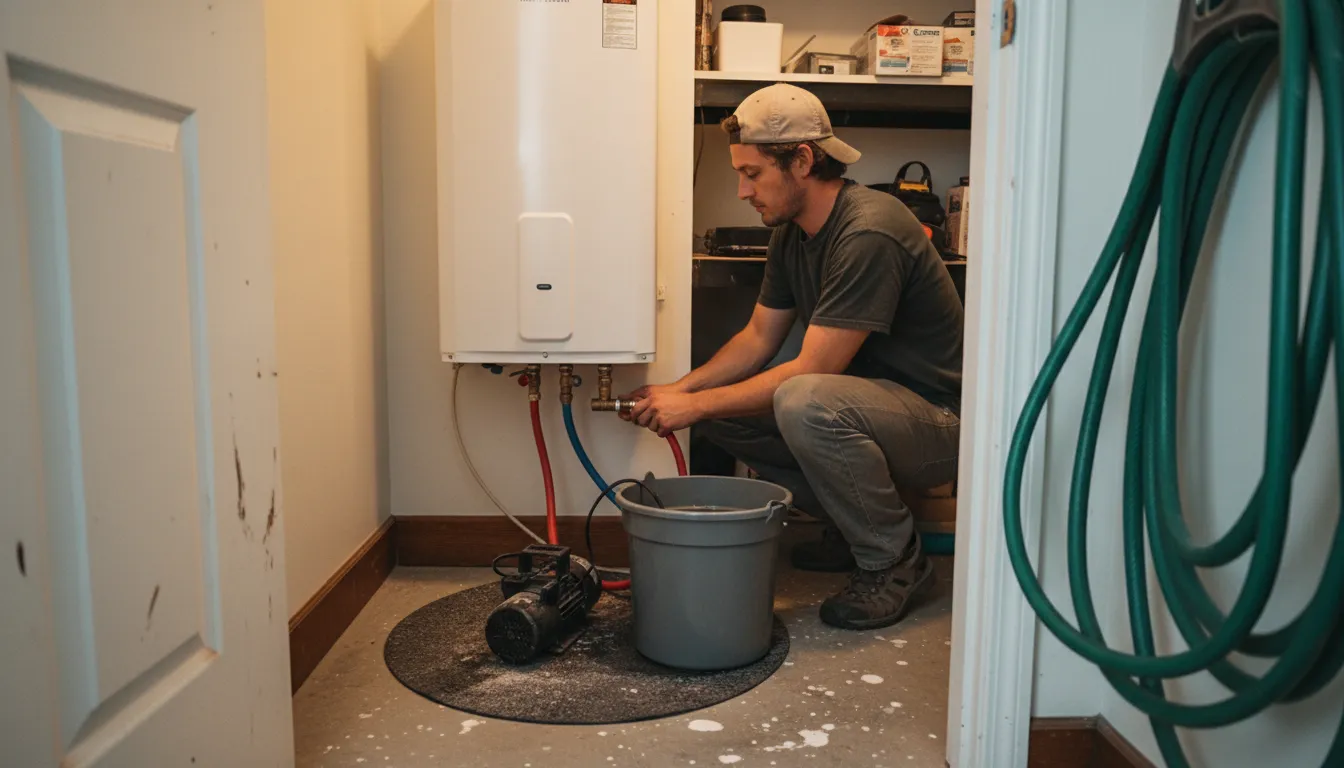
Find the Best Tankless Water Heater Service Companies for Your Business
No obligation • Fast responses • Nationwide coverage

Why you can trust Search a Plumber
Search a Plumber is a leading United States resource for finding and evaluating professional plumbing services. Our team researches licensing, experience, and customer feedback to create unbiased, fact-driven overviews. Companies cannot pay to change ratings or placement, ensuring homeowners get trustworthy information.
Search providers near you
Best Tankless Water Heater Service Companies in Pennsylvania Ranked
Upgrading to a tankless water heater in Pennsylvania is a significant home improvement that promises endless hot water and improved energy efficiency. This technology, which heats water on demand rather than storing it in a tank, requires careful planning and professional expertise to ensure a safe, code-compliant, and effective installation. This guide will help you understand the key considerations, from choosing between gas and electric models to navigating Pennsylvania's specific plumbing codes and typical project costs, so you can make an informed decision and connect with qualified local specialists.
Tankless Industries LLC | Tankless Hot Water Heaters
314 S Henderson Rd suite 337, King of Prussia, PA 19406
Tankless Industries LLC | Tankless Hot Water Heaters is a plumbing company serving Philadelphia, PA, specializing in tankless water heater installation, repair, and maintenance. They offer services that include flushing and inspecting tankless units to maintain efficiency and safety. The company works with top brands known for reliable tankless water heating technology. They also provide information on state and federal incentives for upgrading to energy-efficient tankless systems.
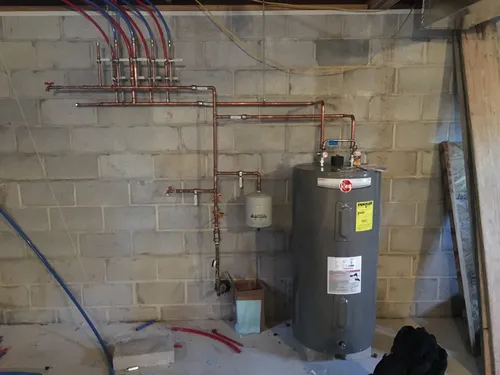
Scarpignato Plumbing & Heating, LLC
507 Hastings Ave, Wallingford, PA 19086
Scarpignato Plumbing & Heating, LLC is a family-owned plumbing and heating company serving Philadelphia, PA, and nearby Delaware County communities since 2000. They offer a wide range of services including sewer camera inspections, water heater installation and repair, drain cleaning, hydro jetting, trenchless sewer repair, leak detection, repiping, gas line installation, and general plumbing maintenance. The company uses advanced equipment such as video camera inspection tools and trenchless pipe repair technology to handle complex plumbing issues efficiently. Owner Michael Scarpignato is a licensed master plumber with over 25 years of experience, ensuring expert service and multiple repair options tailored to customer needs. Emergency plumbing services are also available for urgent situations.
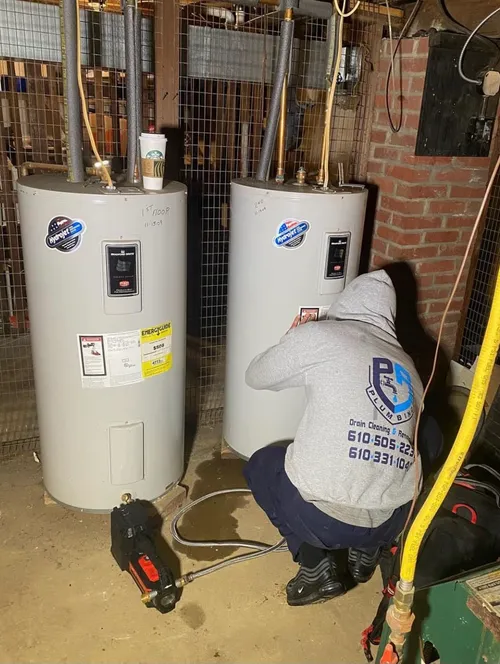
P&A Plumbing & Drain Cleaning
520 Bloomfield Ave, Drexel Hill, PA 19026
P&A Plumbing & Drain Cleaning is a family-owned plumbing company serving Philadelphia, PA, and surrounding counties including Delaware, Montgomery, and Chester. With over 20 years of experience, their licensed master plumbers provide a wide range of services for residential and commercial clients. They specialize in water heater installation and repair, drain cleaning, sewer line repair, gas line installation, and leak detection. The company uses advanced techniques such as hydro jetting for clearing drains and offers 24/7 emergency plumbing services to address urgent issues promptly.
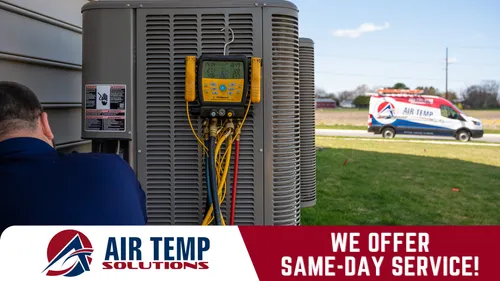
Air Temp Solutions - AC Repair, Heating Repair, Water Heater Repair & Plumbing Devon PA
Philadelphia, PA
Air Temp Solutions - AC Repair, Heating Repair, Water Heater Repair & Plumbing Devon PA provides a wide range of plumbing and HVAC services in Philadelphia, PA. Their offerings include water heater installation and repair, tankless water heater services, water softener installation, sump pump repair, drain cleaning, hydro jetting, sewer line repair including trenchless methods, leak detection, repiping, gas line installation, and toilet repair. They also specialize in advanced sewer services such as video inspections and rooter services to diagnose and clear blockages efficiently. The company serves Philadelphia and nearby areas with comprehensive solutions for both routine maintenance and emergency repairs. Air Temp Solutions combines plumbing expertise with heating and cooling services, handling everything from furnace and boiler repairs to geothermal and mini-split system installations. Their team uses modern technology for leak detection and sewer inspections, and they offer trenchless sewer repairs that minimize property disruption. While the business history is not specified, their service range and technical capabilities reflect a broad skill set in residential plumbing and HVAC systems.
Patrick David Plumbing
Pittsburgh, PA
Patrick David Plumbing provides residential and commercial plumbing services in Pittsburgh, PA, and surrounding areas. Their expertise includes water heater installation and repair, sewer line repair using trenchless methods, drain cleaning with hydro jetting, leak detection, and water softener installation. They utilize advanced tools such as sewer camera inspections to diagnose issues accurately. With over 12 years of experience, this owner-operated company emphasizes upfront pricing and offers 24/7 emergency plumbing services to address urgent needs promptly.
Understanding Tankless Water Heater Technology
Unlike traditional storage tank heaters that constantly keep a large volume of water hot, tankless (or on-demand) water heaters activate only when you turn on a hot water tap. Cold water travels through a heat exchanger, where it is rapidly warmed by either a gas burner or an electric element, providing a continuous supply. This fundamental difference eliminates standby heat loss-the energy wasted keeping a tank of water hot-which can lead to lower utility bills for many Pennsylvania households.
The primary benefit is unlimited hot water for consecutive uses, such as running a dishwasher, washing machine, and shower without running out. However, the system's output is limited by its flow rate, measured in gallons per minute (GPM). Properly sizing a unit is critical and depends on the number of bathrooms and appliances you expect to run simultaneously 1.
Gas vs. Electric Tankless Systems in PA
Choosing between a gas or electric on-demand water heater is one of the most important decisions, as it dictates the required home infrastructure.
Natural Gas or Propane Models: These are the most common and powerful systems installed in Pennsylvania, ideal for whole-home heating with high simultaneous demand. They provide a high flow rate suitable for larger households. However, installation is more complex because they require:
- Adequate Gas Supply: They often need a dedicated, larger diameter gas line than what served an old tank heater. An undersized line can cause poor performance and safety issues.
- Specific Venting: Combustion byproducts (carbon monoxide) must be safely vented outdoors. This requires installing a new, specialized vent pipe, typically made of sealed stainless steel or PVC, which must terminate at a specific location on your home's exterior according to code.
Electric Models: Electric tankless heaters have a simpler mechanical installation as they don't require gas lines or venting. This can make them easier to install in certain locations. The major challenge is electrical demand. These units require a substantial amount of power, often needing multiple dedicated 240-volt circuits with high-amperage breakers (sometimes 100 amps or more total). Many older Pennsylvania homes would require a costly upgrade to their main electrical service panel to support an electric whole-house tankless system 2. They are often best suited for point-of-use applications (like a single bathroom) or homes with updated electrical service.
The Installation Process: What to Expect
A professional tankless water heater installation in Pennsylvania is a multi-step process that ensures safety, performance, and compliance with state and local codes.
- Initial Assessment and Permitting: A qualified technician will evaluate your home's capacity, including water pressure, gas line size or electrical panel amperage, and the chosen location. They will also secure any required local building permits, which are mandatory for this type of plumbing work.
- Utility Shut-Off: The existing water heater's power (gas or electric) and water supply are completely shut off.
- Removal of Old Unit: The old tank heater is drained, disconnected, and removed from the premises.
- Mounting the New Unit: The compact tankless unit is securely mounted to a load-bearing wall, with proper clearances for service access as required by code.
- Gas or Electrical Connections: For gas units, a new gas line is often run from the meter. For electric units, new high-gauge wiring and breakers are installed from the panel 3.
- Plumbing Connections: New water lines (often with upgraded diameters for better flow) are connected to the unit's inlets and outlets. Isolation valves are installed for easy future maintenance 4.
- Venting (Gas Models Only): The approved venting system is installed, running from the unit to a termination cap on an exterior wall.
- Finalization and Inspection: The system is powered up, tested for leaks and proper operation, and inspected for code compliance if required by the local municipality.
Find the perfect tankless water heater service companies for your needs
Get personalized recommendations and expert advice
Pennsylvania Plumbing Code Requirements
All tankless water heater installations in the state must adhere to the Pennsylvania Plumbing Code (based on the 2018 International Plumbing Code - IPC). Key provisions include 5:
- Accessibility (IPC 501.4): The unit must be installed with sufficient clear space for inspection, service, repair, and replacement. This means it cannot be buried in a tight closet or attic without proper access.
- Drain Valves and Service Access (IPC 501.3): While tankless units don't have a tank to drain, they require accessible service valves for maintenance flushing. The installation must allow for this essential upkeep.
- Labeling and Certification (IPC 501.5): Every water heater must bear a third-party certification label from an approved agency (like UL or AGA), ensuring it has been tested to meet safety standards.
- Electrical Compliance: Electric tankless installations must also follow the National Electrical Code (NEC) and Pennsylvania Electrical Code, particularly for the installation of high-amperage dedicated circuits 6.
Professional installers are familiar with these codes, which is why DIY installation is strongly discouraged, especially for gas models where improper venting or gas connection can create serious health and safety hazards.
Cost Breakdown for Pennsylvania Homes
The total cost of a tankless water heater project in Pennsylvania is highly variable, primarily due to the potential need for home infrastructure upgrades.
- Unit Cost: The tankless heater itself ranges from $250 for a basic point-of-use electric model to over $3,000 for a high-capacity, high-efficiency gas unit.
- Labor and Essential Materials: Professional installation labor, along with standard plumbing fittings, venting materials (for gas), and basic electrical connections, typically adds $1,000 to $2,000+ 7.
- Infrastructure Upgrades (The Major Variable): This is where costs can escalate. Necessary upgrades might include:
- Running a new, larger gas line from the meter: $500 - $2,000+
- Upgrading an electrical service panel to support an electric unit: $1,500 - $4,000+
- Installing complex venting runs for gas units: $300 - $1,500+
- Total Project Range: Considering all factors, a complete, professionally installed tankless water heater system in Pennsylvania typically falls within a range of $2,400 to $8,000 or more 8 9 10. The final price is best determined by a detailed, on-site estimate from a licensed professional.
Maintenance and Common Repairs
To protect your investment and ensure longevity, tankless water heaters require regular maintenance, particularly in areas with hard water (common in parts of Pennsylvania). Mineral scale (lime and calcium) can build up inside the heat exchanger, reducing efficiency, flow, and eventually causing damage.
An annual or bi-annual flushing of the system with a descaling solution is recommended. While some homeowners learn to do this themselves, many opt for a professional maintenance plan. Common repairs that may be needed over the unit's lifespan include replacing the igniter (gas units), flow sensors, combustion fans, or addressing internal leaks. Professional diagnosis is key, as these components are integral to the unit's safe and efficient operation.
Frequently asked questions
Sources
Footnotes
-
Tankless Water Heater Pros and Cons - A. O. Smith - https://www.hotwater.com/info-center/tankless-water-heater-pros-and-cons.html ↩
-
Tankless water heater benefits: Unlock 5 Savings - https://www.flowpro-plumbing.com/uncategorized/tankless-water-heater-benefits-guide/ ↩
-
Tankless Water Heater | Temprite Climate Solutions - https://www.tempriteclimatesolutions.com/blog/water-heater-service/do-i-need-to-make-any-plumbing-or-heating-changes-for-a-tankless-water-heater-installation ↩
-
Tankless Water Heater Installation Guide - A. O. Smith - https://www.hotwater.com/info-center/tankless-water-heater-installation-guide.html ↩
-
Chapter 5 Water Heaters: Pennsylvania Plumbing Code 2018 - https://up.codes/viewer/pennsylvania/ipc-2018/chapter/5/water-heaters ↩
-
Go Tankless...and Stay in Hot Water - IAEI Magazine - https://iaeimagazine.org/2004/may2004/go-tanklessand-stay-in-hot-water/ ↩
-
Cost to Replace a Water Heater - The Home Depot - https://www.homedepot.com/services/c/cost-install-water-heater/9058c024e ↩
-
How Much Does Tankless Water Heater Installation Cost? - https://prontoplumbing.com/blog/how-much-does-tankless-water-heater-installation-cost/ ↩
-
Lowes Hot Water Heater Prices, Installation, Reviews (2024) - https://www.hvaccalc.org/lowes-water-heater/ ↩
-
Tankless Water Heater Installation Cost - Complete Guide - https://cycloneplumbingusa.com/tankless-water-heater-installation-cost/ ↩