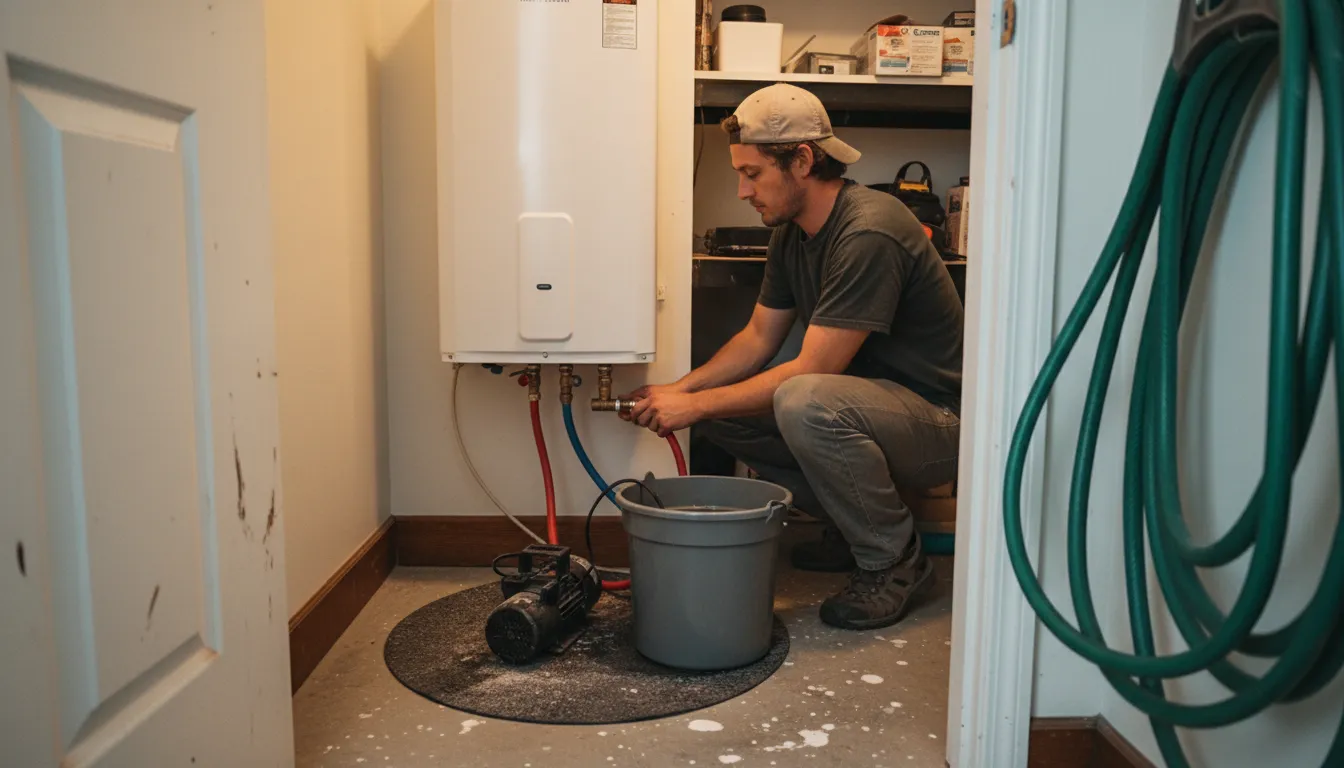
Find the Best Tankless Water Heater Service Companies for Your Business
No obligation • Fast responses • Nationwide coverage

Why you can trust Search a Plumber
Search a Plumber is a leading United States resource for finding and evaluating professional plumbing services. Our team researches licensing, experience, and customer feedback to create unbiased, fact-driven overviews. Companies cannot pay to change ratings or placement, ensuring homeowners get trustworthy information.
Search providers near you
Best Tankless Water Heater Service Companies in Oklahoma Ranked
Switching to a tankless water heater is a smart upgrade for many Oklahoma homes, offering endless hot water and improved energy efficiency. This service involves the professional installation or repair of on-demand water heating systems, which is crucial for ensuring safety, code compliance, and optimal performance. Finding a qualified local specialist is the first step to enjoying reliable hot water while navigating state-specific requirements for gas, electrical, and plumbing work.
Tulsa Tankless
Tulsa, OK
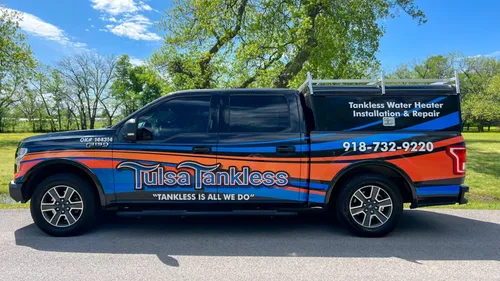
Tulsa Tankless is a family-owned plumbing business specializing in tankless water heater installation, repair, and service in Tulsa, OK. With over 12 years of experience, they work with all tankless brands and ensure all work meets local plumbing codes. Tulsa Tankless focuses exclusively on tankless water heaters, providing expert guidance to help customers choose the best system for their needs. Their services cover installation and repairs, emphasizing quality and compliance.
Linn's Plumbing LLC
1355 Sandy Ln, Chandler, OK 74834
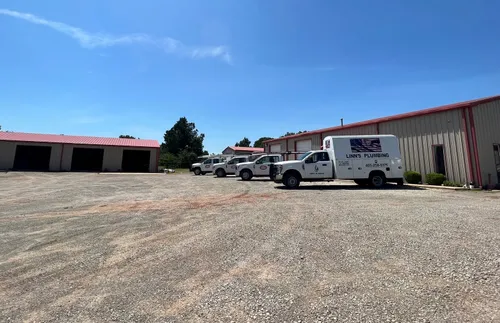
Linn's Plumbing LLC serves Oklahoma City, OK, and surrounding areas with a wide range of plumbing services including water heater installation and repair, drain cleaning, leak detection, and water treatment. The company specializes in both conventional and tankless water heaters, sump pump repair, and septic system installation, using modern technology to address residential and commercial plumbing needs. Founded in 1984 by Larry Linn, a licensed plumber with decades of experience, Linn's Plumbing has focused exclusively on plumbing since the late 1990s. Emergency services are available for Diamond Club members, providing timely assistance when urgent plumbing issues arise.
Gilded Plumbing
1324 N Wentz St Unit G, Guthrie, OK 73044
Gilded Plumbing is a locally owned plumbing company serving Oklahoma City, OK, and the surrounding areas including Guthrie and Edmond. They offer a wide range of plumbing services such as water heater installation and repair, tankless water heater services, drain cleaning, hydro jetting, sewer line repair, leak detection, repiping, gas line installation, and garbage disposal repair. The team uses advanced technology for leak detection and slab leak repairs, and provides emergency and same-day services to address urgent plumbing needs. With decades of combined experience, Gilded Plumbing combines traditional craftsmanship with modern techniques to serve both residential and commercial clients.
O'Connor Plumbing
Tulsa, OK
O'Connor Plumbing is a family-owned plumbing company serving Tulsa, OK, with over 30 years of experience. They provide a wide range of residential and commercial plumbing services, including water heater repair and installation, drain and sewer cleaning, leak detection, repiping, gas line installation, and garbage disposal repair. The company is equipped to handle complex plumbing issues and offers same-day emergency services for urgent problems like burst pipes and severe leaks. Their team uses advanced equipment and stands behind their work with strong warranties, often providing personalized service directly from the owners.
Half Moon Plumbing & Electric | Tulsa
7633 E 63rd Pl suite 300-68, Tulsa, OK 74133
Half Moon Plumbing & Electric | Tulsa provides a wide range of plumbing services in Tulsa, OK, including water heater repair and installation, drain cleaning, hydro jetting, sewer line repair, leak detection, gas line installation, and garbage disposal repair. They serve the greater Tulsa area and focus on delivering lasting solutions with clear and upfront pricing. With over 17 years of experience, their licensed plumbers use advanced tools and eco-friendly methods to handle everything from routine maintenance to emergency plumbing needs. The company offers 24/7 availability for urgent plumbing issues.
Understanding Tankless Water Heaters
Unlike traditional tank-style heaters that constantly heat and store water, tankless (or on-demand) units heat water directly as it flows through the device. When a hot water tap is turned on, cold water travels through a pipe into the unit, where either a gas burner or an electric element heats it instantly. This provides a continuous supply of hot water and can reduce energy consumption by 24% to 34% for homes that use 41 gallons or less daily 1. For Oklahoma families, this means no more waiting for the tank to refill and reheat, which is especially beneficial for larger households or those with back-to-back showers.
Key Considerations for Oklahoma Homes
Before investing in an on-demand system, it's important to evaluate your home's specific needs and infrastructure. Key factors include your household's peak hot water demand (simultaneous showers, laundry, etc.), the available fuel type, and the condition of your existing plumbing and utility connections.
- Fuel Type: The two primary options are gas (natural gas or propane) and electric.
- Gas Models: These are common in Oklahoma due to the availability of natural gas. They typically have a higher flow rate, making them suitable for whole-home heating. However, they require proper venting for exhaust gases and often need an upgraded gas line to handle the higher BTU demand.
- Electric Models: Installation can be simpler as they don't require venting, but they demand a significant amount of electrical power. Many homes require a service upgrade or the addition of dedicated, high-amperage circuits.
- Sizing: Proper sizing is critical. A unit that's too small won't meet your hot water needs, while an oversized unit is inefficient. A professional will calculate the required flow rate (in gallons per minute) based on the number of fixtures you plan to run simultaneously.
- Local Climate: Oklahoma's groundwater temperature can vary. Colder incoming water requires more energy to heat, which can affect the unit's output. A qualified installer will factor this into the sizing equation.
The Professional Installation Process
Installing a tankless water heater is a complex job that involves plumbing, electrical, and potentially gas work. It should always be performed by a licensed professional to ensure safety and adherence to the Oklahoma Residential Code (IRC 2015). Here's a general overview of the steps involved:
- Assessment and Permitting: A technician will assess your home's needs, recommend a properly sized unit, and obtain any necessary local permits.
- Shut Off Utilities: The installer will safely shut off the water supply, gas line (for gas units), and electrical power to the existing heater.
- Removal of Old Unit: The old water heater is drained, disconnected, and removed from the premises.
- Mounting: The new tankless unit is securely mounted to a wall, often in a garage, basement, or utility closet, following manufacturer clearances.
- Plumbing Connections: New water lines (for cold water inlet and hot water outlet) are connected. For optimal performance, a recirculating line may be installed to reduce wait time for hot water 2.
- Venting (Gas Models): This is a critical safety step. A new, dedicated venting system (often PVC or stainless steel) is installed to exhaust combustion gases directly outside, complying with strict code requirements for termination and clearances.
- Gas Line Upgrade (If Needed): Tankless gas heaters require a higher gas flow rate. The installer may need to run a new, larger-diameter gas line from the meter to the unit 3.
- Electrical Work (Electric Models): New dedicated electrical circuits are run from the main panel to supply the substantial power required by the unit 4 5.
- Testing and Activation: The system is purged of air, checked for leaks, and powered on. The technician will test the operation, set the temperature, and explain the basic controls to the homeowner 6.
Find the perfect tankless water heater service companies for your needs
Get personalized recommendations and expert advice
Oklahoma Codes and Safety Requirements
Adherence to state and local codes is not optional; it's essential for safety and insurance purposes. The Oklahoma Residential Code 2015, Chapter 28, governs water heater installations. Key requirements include:
- Professional Licensing: Work must be performed by a licensed plumber and, if applicable, a licensed electrician or gas fitter.
- Venting Compliance: Gas units must be vented according to manufacturer instructions and code, which dictates materials, sizing, and termination points to prevent dangerous backdrafting.
- Pressure Relief Valve: A temperature and pressure relief (T&P) valve must be installed as a safety measure.
- Drain Pan: If the unit is installed in an interior location where a leak could cause property damage, a drain pan piped to an approved location is required 7.
- Sediment Traps: Gas lines must include a sediment trap (drip leg) to catch debris before it enters the unit.
Cost of Installation in Oklahoma
The total cost for a tankless water heater installation in Oklahoma is influenced by the unit type, complexity of the install, and necessary upgrades. Here's a typical breakdown:
- Equipment Cost: The unit itself can range from $250 for a basic electric point-of-use model to over $3,600 for a high-capacity whole-home gas model.
- Labor and Installation: Professional labor typically ranges from $650 to $1,300 or more. This covers removal of the old unit, basic plumbing, and standard mounting.
- Additional Work & Materials: This is where costs can increase. Upgrading a gas line, installing complex venting, adding electrical circuits, or installing a recirculation pump will add to the project total.
- Total Project Range: For a standard replacement with moderate upgrades, homeowners can expect a total project cost between $2,400 and $5,400+ 8 9. A complex installation with significant gas or electrical service upgrades will be at the higher end of this range or exceed it.
Common Repair Needs for Tankless Systems
While known for their longevity, tankless water heaters can experience issues that require professional repair. Common problems include:
- No Hot Water: This can be caused by a tripped circuit breaker (electric), a closed gas valve, a failed igniter (gas), or a malfunctioning flow sensor.
- Error Codes: Modern units display error codes for issues like ignition failure, flame failure, or over-temperature conditions. A specialist can diagnose the specific component failure.
- Fluctuating Water Temperature: Often referred to as "cold water sandwich," this can be caused by a mineral-clogged heat exchanger, a faulty modulating valve, or an undersized unit struggling with multiple demands.
- Low Flow Rate: Mineral scale (hard water is common in parts of Oklahoma) can build up inside the heat exchanger, restricting water flow and reducing efficiency. This may require a professional descaling service.
- Ignition or Flame Failure (Gas): Issues with the gas supply, igniter, flame sensor, or venting can prevent the burner from lighting.
Repairs often involve replacing specific components like control boards, fans, or igniters. Many professional plumbers offer same-day diagnostic and repair services to restore your hot water quickly 10.
Frequently asked questions
Sources
Footnotes
-
Tankless Water Heaters: Pros & Cons - https://www.sierrapacifichome.com/blog/water-heater-service/pros-and-cons-of-a-tankless-water-heater/ ↩
-
Tankless Water Heater Installation Guide - A. O. Smith - https://www.hotwater.com/info-center/tankless-water-heater-installation-guide.html ↩
-
Tankless Water Heater | Temprite Climate Solutions - https://www.tempriteclimatesolutions.com/blog/water-heater-service/do-i-need-to-make-any-plumbing-or-heating-changes-for-a-tankless-water-heater-installation ↩
-
Tankless Water Heater Installation in Oklahoma City - https://www.edcoplumbing.com/plumbing/tankless-water-heater-installation/ ↩
-
Go Tankless...and Stay in Hot Water - IAEI Magazine - https://iaeimagazine.org/2004/may2004/go-tanklessand-stay-in-hot-water/ ↩
-
Tankless Water Heater Install: A Step-by-Step Guide - Just Plumbing - https://justplumbingaz.com/blog/tankless-water-heater-install-a-step-by-step-guide/ ↩
-
Chapter 28 Water Heaters: Oklahoma Residential Code 2015 - https://up.codes/viewer/oklahoma/irc-2015/chapter/28/water-heaters ↩
-
Cost to Replace a Water Heater - The Home Depot - https://www.homedepot.com/services/c/cost-install-water-heater/9058c024e ↩
-
Lowes Hot Water Heater Prices, Installation, Reviews (2024) - https://www.hvaccalc.org/lowes-water-heater/ ↩
-
A Quick Guide To Installing Water Heaters In Oklahoma City - https://www.redplainsplumbingokc.com/blog/a-quick-guide-to-installing-water-heaters-in-oklahoma-city ↩