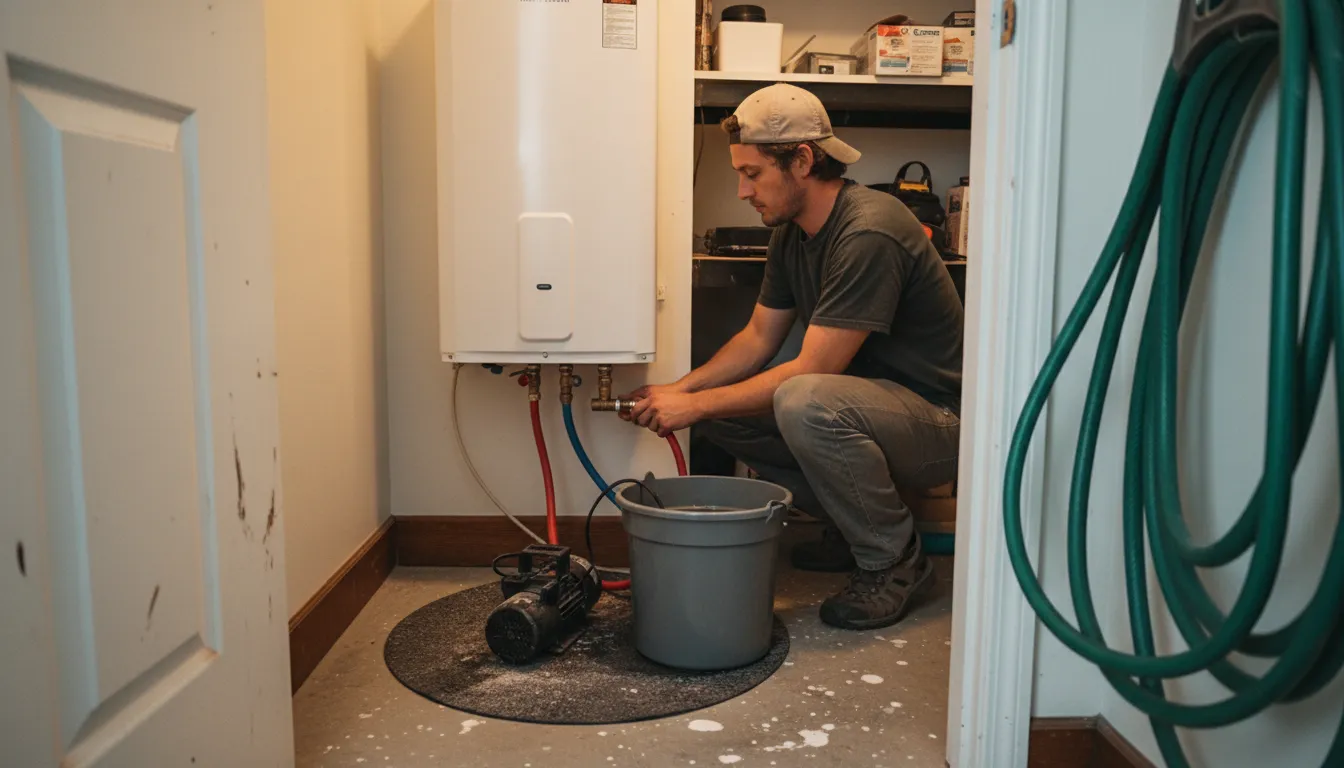
Find the Best Tankless Water Heater Service Companies for Your Business
No obligation • Fast responses • Nationwide coverage

Why you can trust Search a Plumber
Search a Plumber is a leading United States resource for finding and evaluating professional plumbing services. Our team researches licensing, experience, and customer feedback to create unbiased, fact-driven overviews. Companies cannot pay to change ratings or placement, ensuring homeowners get trustworthy information.
Search providers near you
Best Tankless Water Heater Service Companies in New York Ranked
Upgrading to a tankless water heater in New York is a smart investment for endless hot water and improved energy efficiency. However, the installation process is complex, governed by strict state and local codes, and requires careful planning around your home's fuel type and existing infrastructure. This guide provides the essential information you need to understand the process, costs, and regulations for installing or repairing a tankless system in New York, helping you connect with qualified local professionals for your project.
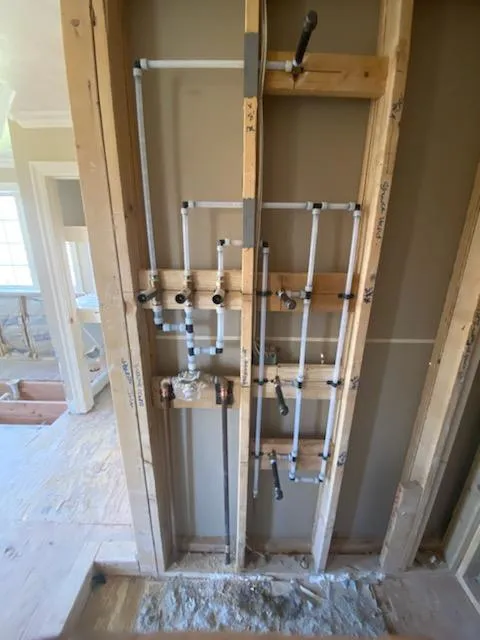
Hazlett Plumbing
3689 California Rd Unit 19, Orchard Park, NY 14127
Hazlett Plumbing is a plumbing contractor serving Buffalo, NY, and the Greater Western New York area. Established in 2016, the company offers a range of plumbing services including sewer camera inspections, water heater repair and installation, sump pump repair, drain cleaning, sewer line repair, repiping, and toilet repair. They specialize in sewer and drain cleaning with permanent solutions targeting root causes. Hazlett Plumbing also handles commercial and residential new builds, remodels, and retrofits. The company emphasizes honesty, integrity, and community care in its operations.
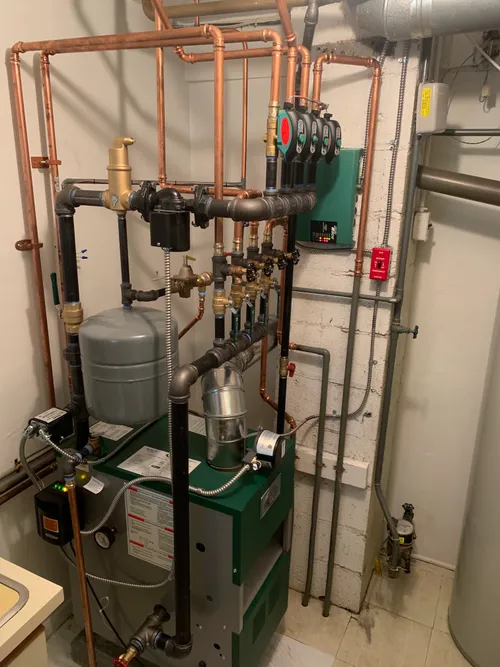
MR. PIPE PLUMBING AND HEATING LLC
62 Washington Pl, Totowa, NJ 07512
MR. PIPE PLUMBING AND HEATING LLC provides plumbing and heating services in New York, NY, specializing in residential and commercial repair and maintenance. Their services include water heater installation and repair, tankless water heater expertise, drain cleaning, and leak detection. With over 10 years of experience, their licensed technicians handle a variety of plumbing and heating issues, including boiler installation and repair. The company is fully bonded and insured, focusing on honest and upfront pricing.
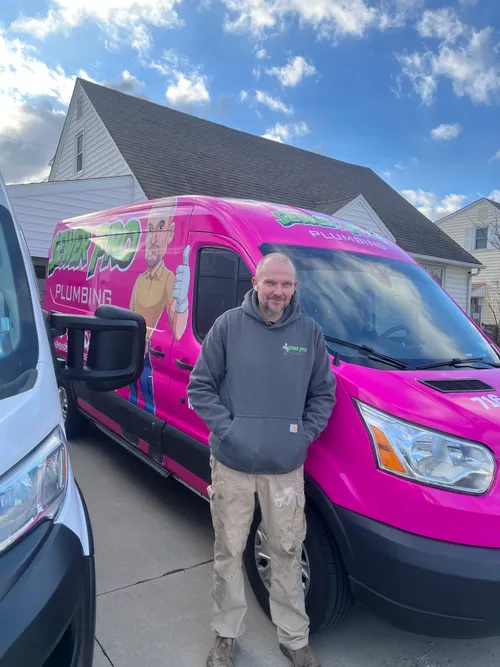
Sewer pro plumbing
Buffalo, NY
Sewer Pro Plumbing is a plumbing company serving Buffalo, NY, and the surrounding communities in Erie and Niagara Counties. With over 30 years of experience, they provide a wide range of plumbing services including water heater installation and repair, sewer line and drain cleaning, sump pump repair, leak detection, repiping, and gas line installation. Their team uses advanced equipment to handle residential and commercial plumbing needs efficiently and reliably. Sewer Pro Plumbing has a long history of serving the local area and offers expert solutions backed by decades of expertise.
A&E NYC Plumbing
40 Fulton St, New York, NY 10038
A&E NYC Plumbing offers a wide range of plumbing services in New York, NY, including water heater repair and installation, drain cleaning, sewer line repair, leak detection, and gas line installation. They also handle faucet and toilet repairs, garbage disposal maintenance, and repiping projects. The company is licensed and insured, providing both residential and commercial plumbing solutions with a focus on safety and technical expertise. Their team is experienced in managing complex plumbing systems and offers free onsite estimates for more involved jobs.
Reimer Heating, Cooling & Plumbing
2575 Broadway, Cheektowaga, NY 14227
Reimer Heating, Cooling & Plumbing is a full-service provider based in Buffalo, NY, offering a wide range of plumbing services including water heater repair and installation, tankless water heater services, drain cleaning, and leak detection. With a history dating back to 1921, Reimer serves the Western New York area, combining decades of experience with comprehensive home comfort solutions. Their plumbing team is equipped to handle various repairs and installations, ensuring reliable hot water supply and efficient drain maintenance. Reimer also provides 24/7 availability for urgent home service needs.
Understanding Tankless Water Heaters
Unlike traditional storage tank models that constantly heat and reheat water, tankless (or on-demand) water heaters heat water directly as it flows through the unit. This eliminates standby heat loss, which can account for a significant portion of a home's energy bill 1. For New York homeowners, this means potential savings on energy costs, especially for gas models, along with the benefit of never running out of hot water during a long shower or while running multiple appliances.
The two primary types are gas-fired (natural gas or propane) and electric. Your choice will fundamentally shape the installation requirements and costs. Gas units typically provide a higher flow rate, suitable for whole-house applications, but require proper venting and adequate gas supply. Electric models are often easier to install in terms of space and venting but demand a substantial electrical upgrade to deliver enough power for whole-home heating 2 3.
Key Considerations for New York Homes
Before choosing a system, several factors specific to your New York home must be assessed:
- Fuel Source & Availability: Is natural gas readily available at your street? If not, propane or a high-capacity electric system are your options.
- Flow Rate Demand: Calculate the total gallons per minute (GPM) needed during peak usage (e.g., shower + dishwasher). This determines the unit size (BTU for gas, kW for electric).
- Climate: Incoming groundwater temperature in New York is colder than in southern states. Your system must be sized to raise this colder water to your desired temperature, requiring a more powerful unit.
- Existing Infrastructure: This is the most critical factor. An older home may need a gas line upgrade, a new electrical circuit, or a full panel upgrade to support the new system's demands.
Installation Process: A Step-by-Step Overview
Professional installation of an on-demand water heater is not a simple swap. It involves multiple trades and strict adherence to code.
- Site Assessment & Permitting: A licensed professional will evaluate your hot water needs, inspect your gas, electrical, and plumbing systems, and determine the best location. In New York, especially in New York City, permits from the Department of Buildings (DOB) are almost always required for gas and plumbing work.
- System Shut-Down & Preparation: The existing water heater (if present) is drained and disconnected. Utilities (water, gas, electricity) are safely shut off.
- Mounting & Rough-In: The new tankless unit is securely mounted to a wall. New gas lines or electrical conduits and water supply lines are run to the location.
- Gas & Venting (For Gas Models): A new, appropriately sized gas line is often necessary, as tankless heaters require a higher gas volume in a short burst. Proper venting is crucial-direct vent systems using PVC or specialized stainless steel are common and must terminate according to NYC Fire Department codes, which prohibit venting into shafts or too close to windows.
- Electrical (For Electric Models): A dedicated 240-volt circuit, and often a double-pole breaker, must be installed by a licensed electrician. The wire gauge must match the unit's high amperage draw. In many older homes, this necessitates an upgrade to the main electrical service panel.
- Water Connections & Final Hookup: The unit is connected to the cold water inlet and hot water outlet lines, typically using flexible PEX or copper piping. A condensate drain line may be needed for high-efficiency gas models.
- System Start-Up, Testing & Inspection: The unit is powered, programmed, and tested for leaks and proper operation. A final inspection by the local building department is typically required to close the permit 4.
Find the perfect tankless water heater service companies for your needs
Get personalized recommendations and expert advice
New York Codes and Regulations
Compliance with local and national codes is non-negotiable for safety and legality. Key regulations include:
- NYC Department of Buildings (DOB): Issues permits and conducts inspections for all gas piping and plumbing work. DIY installation of gas units in NYC is strongly discouraged and often illegal without proper licensure.
- NYC Fire Department (FDNY): Has strict regulations on the venting of gas appliances. Vent materials, sizing, and termination locations are carefully prescribed to prevent fire hazard and carbon monoxide intrusion 5.
- National Fuel Gas Code (NFPA 54): Governs the installation of gas piping, pressure testing, and appliance connections. New York State and NYC adopt and amend this code.
- National Electrical Code (NEC): Dictates all electrical work for electric tankless heaters, including wire sizing, overcurrent protection, and disconnect requirements.
- Uniform Plumbing Code (UPC): Provides standards for water supply connections, pressure relief valves, and drainage.
Cost Breakdown for Installation
The total cost for a tankless water heater installation in New York varies widely based on system type, home readiness, and labor. Below is a typical range for a professional, permitted installation:
- Unit Cost:
- Electric Point-of-Use: $250 - $600
- Electric Whole-House: $600 - $1,200+
- Gas Whole-House: $1,000 - $3,600+ (for high-output models)
- Installation Labor & Materials:
- Plumbing/Gas Labor: $1,000 - $3,000+. This includes removing the old unit, running new gas/water lines, and installing venting for gas models.
- Electrical Labor: $500 - $2,000+. For electric models, this covers the new 240V circuit. Costs soar if a service panel upgrade is needed.
- Venting Materials (Gas): $200 - $800+ for approved PVC or stainless steel vent kits.
- Permits & Fees: $100 - $500+, depending on your municipality 6.
- Total Project Cost:
- Basic Electric System (with simple electrical run): $2,000 - $3,500
- Standard Gas System (with moderate venting): $3,500 - $6,000
- Complex Gas System (with long vent run/gas line upgrade): $5,000 - $8,000+ 7 8
Repair and Maintenance Costs
While reliable, tankless systems require occasional service. Common issues and repair costs include:
- Annual Descaling/Flushing: Recommended, especially in areas with hard water. A professional service costs $150 - $300. This prevents mineral buildup that can reduce efficiency and damage the heat exchanger.
- Minor Repairs: Replacing an igniter, flame sensor, or flow sensor typically ranges from $100 to $500 including parts and labor.
- Major Component Replacement: Replacing a control board, gas valve, or heat exchanger is more involved, with costs ranging from $500 to $1,000+ 9.
Regular maintenance is key to longevity. A professional can flush the system, check for error codes, and ensure all components are functioning safely and efficiently.
Choosing the Right Professional in New York
Given the technical and regulatory complexity, selecting the right contractor is paramount. Look for a licensed plumber who holds a Master Plumber license in New York State and, if in NYC, a DOB license. For gas work, they should be experienced with high-demand appliance installations. If you're installing an electric unit, ensure they work with a licensed electrician. Always ask for proof of insurance, references, and a detailed written estimate that includes all permits, materials, and labor. A reputable professional will always pull the required permits and schedule the final inspection.
Frequently asked questions
Sources
Footnotes
-
Essential Electrical Requirements for Your Electric Tankless Hot Water - https://marey.com/blogs/blog/marey-blog-post-2 ↩
-
Tankless Water Heater | Temprite Climate Solutions - https://www.tempriteclimatesolutions.com/blog/water-heater-service/do-i-need-to-make-any-plumbing-or-heating-changes-for-a-tankless-water-heater-installation ↩
-
Expert Plumber Compares Gas vs Electric TANKLESS Water Heaters - https://www.youtube.com/watch?v=tjxhPQfRQZ0 ↩
-
Tankless Water Heater Installation Guide - A. O. Smith - https://www.hotwater.com/info-center/tankless-water-heater-installation-guide.html ↩
-
Go Tankless...and Stay in Hot Water - IAEI Magazine - https://iaeimagazine.org/2004/may2004/go-tanklessand-stay-in-hot-water/ ↩
-
Cost to Replace a Water Heater - The Home Depot - https://www.homedepot.com/services/c/cost-install-water-heater/9058c024e ↩
-
Cost to install a tankless water heater in New York, NY - https://www.handoff.ai/construction-costs/install-a-tankless-water-heater/new-york-ny ↩
-
Lowes Hot Water Heater Prices, Installation, Reviews (2024) - https://www.hvaccalc.org/lowes-water-heater/ ↩
-
How Much Does a Tankless Water Heater Cost? [2026 Data] - https://www.angi.com/articles/how-much-does-tankless-water-heater-cost.htm ↩