Find the Best Tankless Water Heater Service Companies for Your Business
No obligation • Fast responses • Nationwide coverage

Why you can trust Search a Plumber
Search a Plumber is a leading United States resource for finding and evaluating professional plumbing services. Our team researches licensing, experience, and customer feedback to create unbiased, fact-driven overviews. Companies cannot pay to change ratings or placement, ensuring homeowners get trustworthy information.
Search providers near you
Best Tankless Water Heater Service Companies in Nevada Ranked
Upgrading to a tankless water heater in Nevada can provide endless hot water and improved energy efficiency for your home. These on-demand systems heat water only when you need it, eliminating the standby energy losses of a traditional tank. However, proper installation is critical, especially given Nevada's specific building codes, hard water conditions, and the technical requirements for gas or electrical upgrades. This guide outlines the key considerations, process, and regulations for installing or repairing a tankless system in the Silver State, helping you understand what's involved and how to connect with qualified local professionals for the job.
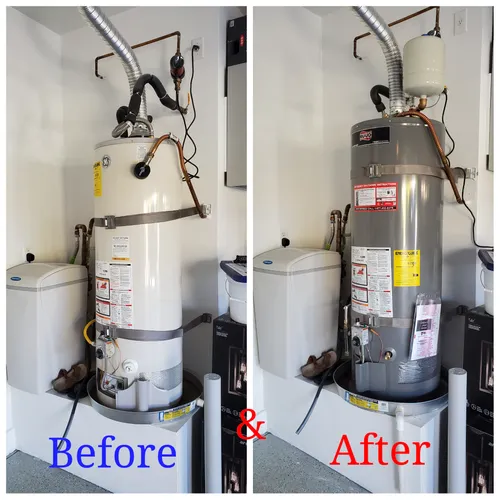
Nothing But Water Heaters
Las Vegas, NV
Nothing But Water Heaters provides water heater repair, tankless water heater services, and installation in Las Vegas, NV. They serve the entire greater Las Vegas area, including neighborhoods from Corn Creek to Goodsprings. The company offers same-day service with a two-hour service window and ensures all work is fully permitted and meets plumbing code requirements. They back their work with a 30-day warranty and do not charge after-hours fees.
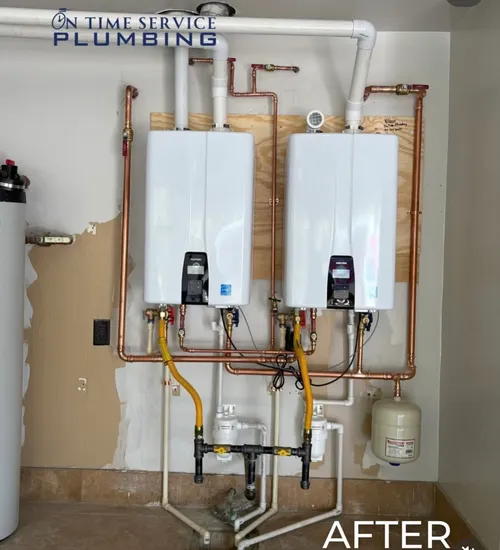
On Time Service Plumbing
6069 S Fort Apache Rd #100, Las Vegas, NV 89148
On Time Service Plumbing is a family-owned plumbing company serving Las Vegas, NV, and the greater Clark County area including Henderson, Summerlin, and surrounding communities. They offer a wide range of residential and commercial plumbing services such as water heater repair, drain cleaning, leak detection, repiping, and garbage disposal repair. The company specializes in emergency plumbing services available 24/7, including water damage and main line breaks. Their team is experienced in installing and repairing water filtration systems and water softeners, as well as handling polybutylene and copper pipe repairs.
Loyalty Plumbing
8683 W Sahara Ave Suite 250, Las Vegas, NV 89117
Loyalty Plumbing is a veteran-owned plumbing company serving Las Vegas, NV, and Clark County. They provide a range of plumbing services including water heater repair and installation, tankless water heater services, drain cleaning, hydro jetting, leak detection, and gas line installation. The company uses the latest tools and techniques to ensure accurate and long-lasting repairs. Loyalty Plumbing offers same-day and emergency services, available day and night, including holidays. They are recognized for their straightforward pricing and premium warranties on every job.

BEST Air Conditioning Plumbing Repair
6260 Stevenson Way, Las Vegas, NV 89120
BEST Air Conditioning Plumbing Repair provides HVAC and plumbing services in Las Vegas, NV. They offer a range of plumbing solutions including sewer camera inspections, water heater repair and installation, tankless water heater services, water softener installation, drain cleaning, hydro jetting, toilet repair, and garbage disposal repair. The company is known for its NATE-certified technicians and BBB accreditation with an A+ rating. Established in 2016, they serve Las Vegas and surrounding areas with a focus on maintaining indoor comfort through reliable heating, cooling, and plumbing services.
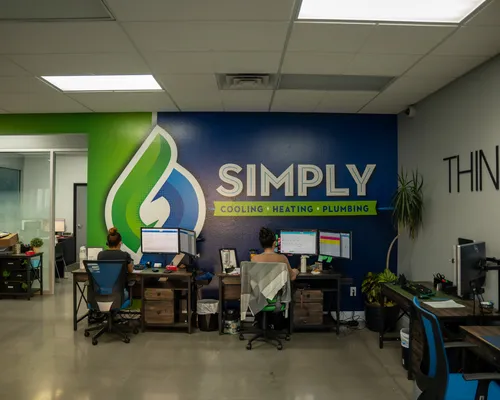
Simply Cooling Heating & Plumbing
4109 Wagon Trail Ave, Las Vegas, NV 89118
Simply Cooling Heating & Plumbing is a full-service HVAC and plumbing company serving Henderson, NV. They provide repair and maintenance for air conditioning, heating, and plumbing systems, including specialized services like tankless water heater maintenance and leak detection. The company offers 24-hour emergency plumbing and HVAC repairs to address urgent issues promptly. Founded by local residents, Simply Cooling Heating & Plumbing emphasizes comprehensive service and community trust.
Why Choose a Tankless System in Nevada?
Tankless, or on-demand, water heaters offer several advantages that align well with Nevada living. The primary benefit is a continuous supply of hot water, ideal for larger households or homes with multiple bathrooms. They are also more compact, freeing up valuable storage space. From an efficiency standpoint, because they don't maintain a tank of hot water 24/7, they can reduce energy consumption by 24% to 34% for homes that use 41 gallons or less of hot water daily.
For Nevada residents, two local factors are paramount. First, the state's hard water is a significant consideration. Minerals like calcium and lime can rapidly scale and damage the internal heat exchanger of a tankless unit. This makes annual descaling maintenance not just recommended, but essential for system longevity and performance, particularly in Southern Nevada. Second, the hot, arid climate means many units are installed in garages or on exterior walls, which influences venting requirements and protection from the elements.
Gas vs. Electric Tankless Water Heaters
Choosing between a gas or electric model is one of the first and most important decisions, as it dictates the complexity and cost of the installation.
Natural Gas or Propane Tankless Heaters:
- Most Common: These are the most popular choice for whole-home heating due to their high flow rates, capable of delivering hot water to multiple fixtures simultaneously.
- Installation Complexity: Gas installations are more involved. They typically require upgrading the existing gas line to a larger diameter (often ¾-inch) to meet the unit's high BTU demand. Proper venting is a major safety and code issue. Most units require expensive, dedicated stainless steel venting to handle high exhaust temperatures, and the vent run must have the correct pitch and terminate safely outdoors.
- Permits: Gas installations always require a permit and inspection to ensure safety and code compliance.
Electric Tankless Heaters:
- Simpler Installation: If your electrical service has sufficient capacity, electric installations can be more straightforward, as they don't require gas lines or complex venting.
- Electrical Demand: The trade-off is substantial electrical demand. A whole-home electric unit may require multiple dedicated high-amp circuits (e.g., two 40-60 amp breakers) 1. This often necessitates a service panel upgrade, adding to the project cost.
- Best For: Electric models are often an excellent solution for point-of-use applications (like a remote bathroom or kitchenette) or smaller homes with lower simultaneous hot water demand.
The Installation Process: A Step-by-Step Overview
Professional installation of a tankless water heater is a multi-step process that goes far beyond a simple swap. Due to Nevada's strict adherence to the Uniform Plumbing Code (UPC) and National Electrical Code (NEC), hiring a licensed professional is highly recommended.
- Permitting & Sizing: The process begins at your local city or county building department, where a permit must be obtained. A crucial professional step is properly sizing the unit. This involves calculating your home's peak Gallons Per Minute (GPM) demand by adding the flow rates of all fixtures that might run simultaneously (e.g., two showers and a dishwasher).
- Removal of Old Unit: Utilities (gas, water, electricity) are safely shut off. The old water heater is drained, disconnected, and removed from the premises 2.
- Mounting & Preparation: The new tankless unit is securely mounted to a structurally sound wall, often in an interior location like a garage. The installer will check for adequate support, such as wall studs 3.
- Gas or Electrical Work: This is often the most complex phase.
- For gas: A new, larger gas line is typically run from the meter to the unit to ensure adequate fuel supply 4.
- For electric: New dedicated circuit(s) are run from the main electrical panel to the unit location.
- Venting (Gas Models): Approved, manufacturer-specified stainless steel vent pipes are installed. The system must be carefully designed to ensure proper draft, with a specific pitch and a termination cap that prevents weather intrusion.
- Plumbing Connections: The cold water inlet and hot water outlet are connected using approved piping. Essential safety components like the temperature and pressure (T&P) relief valve and drain valves are installed. A drain pan may be required if the unit is located where a leak could cause damage.
- Startup & Testing: The system is purged of air, gas lines are checked for leaks (using a manometer for gas units), and the unit is started per the manufacturer's instructions. The installer will verify proper operation, check for error codes, and ensure the hot water delivery meets expectations 5.
Find the perfect tankless water heater service companies for your needs
Get personalized recommendations and expert advice
Nevada Codes, Permits, and Safety
Adherence to state and local codes is not optional; it's required for safety, insurance, and home resale value. Nevada follows the 2018 International Residential Code (IRC) and Uniform Plumbing Code (UPC).
- Permits: A building permit is mandatory for the installation or replacement of any water heater in Nevada 6. The inspection that follows ensures the work meets all safety standards.
- Key Code Requirements:
- T&P Relief Valve: A properly sized temperature and pressure relief valve must be installed on the unit or in the hot water line nearby.
- Drain Pan: If the water heater is installed in a location where leakage could cause damage, it must be placed inside a drain pan with a drain line to the exterior 7.
- Clearances: Specific clearance distances from combustible materials (like wood or insulation) must be maintained around the unit and its venting.
- Venting: Must comply with the UPC and the manufacturer's instructions. Direct-vent or power-vent systems are common for sealed combustion safety 8.
Understanding Costs in Nevada
The total installed cost for a tankless water heater in Nevada is highly variable, but homeowners should generally budget between $2,400 and $5,400 or more 9. This wide range is due to several factors:
- Equipment Cost: The unit itself varies by type, brand, and features. Gas models typically range from $290 to over $3,600, while electric units can cost between $250 and $1,130 10.
- Labor & Complexity: Professional labor is a significant portion of the cost, ranging from $750 to $1,300+ for a standard gas installation 11 12. This cost can increase substantially if the job requires:
- Upgrading the gas line from the meter.
- Installing new, complex stainless steel venting.
- Adding dedicated high-amp electrical circuits or upgrading the main electrical service panel.
- Completing significant plumbing re-routes.
- Permits & Materials: Permit fees and the cost of additional materials (copper piping, venting, electrical wire, etc.) add to the final price.
While the upfront cost is higher than a traditional tank-style heater, the long-term energy savings and extended lifespan (often 20+ years with proper maintenance) can provide a return on investment over time.
Essential Maintenance for Nevada Homes
Nevada's hard water makes maintenance non-negotiable. Annual descaling is the most critical task to prevent mineral buildup that can drastically reduce efficiency, cause overheating, and lead to premature failure.
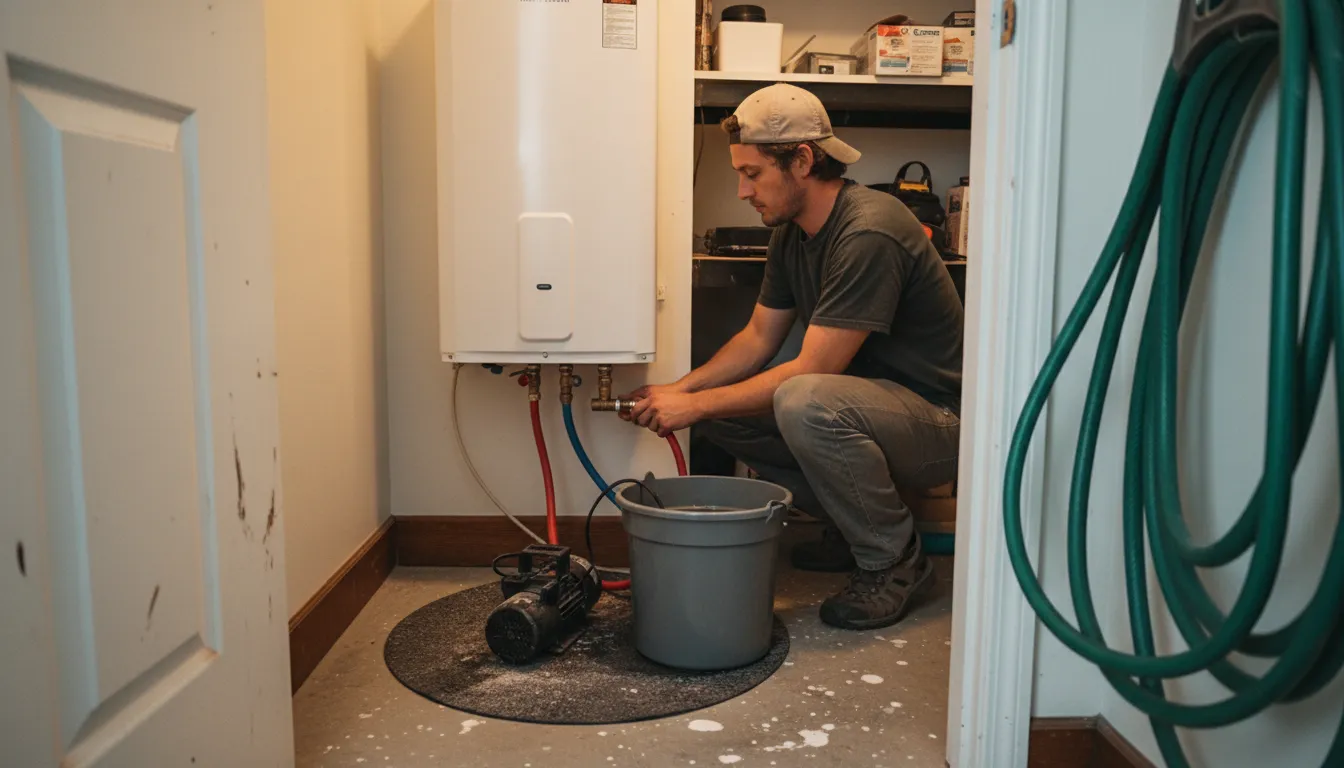
- Descaling Process: This involves circulating a descaling solution (often a vinegar mix or a commercial product) through the unit's heat exchanger using a submersible pump and bucket kit. It flushes out accumulated lime and calcium scale 13.
- Other Maintenance: A professional should also inspect the venting system (for gas units) for blockages or damage, check the water and gas filters, and verify all connections are secure during a routine service visit.
Common Repair Issues
Even well-maintained tankless water heaters can experience issues. Common repairs include:
- Error Codes/No Hot Water: Often related to ignition failure (gas), insufficient water flow (clogged inlet filter), or a scaled heat exchanger.
- Fluctuating Water Temperature: This can be caused by a failing flow sensor, a scaled heat exchanger, or a problem with the gas valve or modulating burner.
- Mineral Buildup: The most common issue in Nevada, leading to reduced flow, overheating, and system shutdowns.
- Venting Problems: Blocked or improperly installed vents can cause shutdowns or dangerous exhaust gas spillage.
For any repair, especially those involving gas, electricity, or error codes, contacting a licensed technician is the safest and most effective course of action.
Frequently asked questions
Sources
Footnotes
-
Go Tankless...and Stay in Hot Water - IAEI Magazine - https://iaeimagazine.org/2004/may2004/go-tanklessand-stay-in-hot-water/ ↩
-
Tankless Water Heater Installation: Easy DIY Guide And Tips - https://castoleakdetection.com/2024/05/16/tankless-water-heater-installation-easy-diy-guide-and-tips/ ↩
-
Tankless Water Heater Install: A Step-by-Step Guide - Just Plumbing - https://justplumbingaz.com/blog/tankless-water-heater-install-a-step-by-step-guide/ ↩
-
Tankless Water Heater | Temprite Climate Solutions - https://www.tempriteclimatesolutions.com/blog/water-heater-service/do-i-need-to-make-any-plumbing-or-heating-changes-for-a-tankless-water-heater-installation ↩
-
Tankless Water Heater Installation Guide - A. O. Smith - https://www.hotwater.com/info-center/tankless-water-heater-installation-guide.html ↩
-
Frequently Asked Questions - CivicPlus.CMS.FAQ - https://www.humboldtcountynv.gov/faq.aspx?TID=20 ↩
-
Chapter 28 Water Heaters: Nevada Residential Code 2018 - https://up.codes/viewer/nevada/irc-2018/chapter/28/water-heaters ↩
-
RESIDENTIAL WATER HEAT INSTALLATION REQUIREMENTS - https://files.lasvegasnevada.gov/planning/Residential-Water-Heater-Installation-Requirements.pdf ↩
-
Cost to Replace a Water Heater - The Home Depot - https://www.homedepot.com/services/c/cost-install-water-heater/9058c024e ↩
-
Tankless vs. Tank Water Heaters - What's Right for Your Home? - https://koalacooling.com/tankless-vs-tank-water-heaters/ ↩
-
Tankless Water Heater Installation Las Vegas - Pure Plumbing - https://www.pureplumbinglv.com/tankless-water-heater-installation-las-vegas-options/ ↩
-
Lowes Hot Water Heater Prices, Installation, Reviews (2024) - https://www.hvaccalc.org/lowes-water-heater/ ↩
-
How Much Does It Cost to Replace a Gas Water Heater in 2025? - https://modernize.com/plumbing/water-heaters/gas ↩