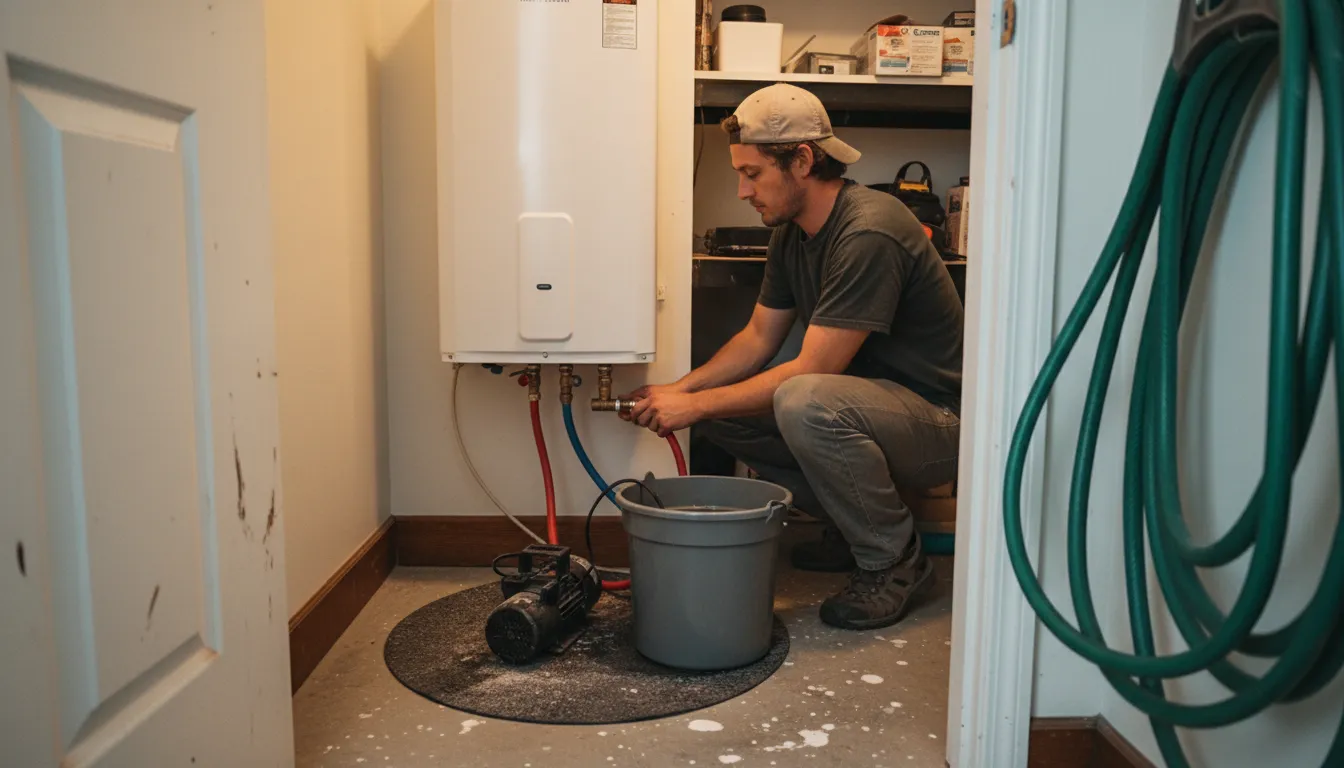
Find the Best Tankless Water Heater Service Companies for Your Business
No obligation • Fast responses • Nationwide coverage

Why you can trust Search a Plumber
Search a Plumber is a leading United States resource for finding and evaluating professional plumbing services. Our team researches licensing, experience, and customer feedback to create unbiased, fact-driven overviews. Companies cannot pay to change ratings or placement, ensuring homeowners get trustworthy information.
Search providers near you
Best Tankless Water Heater Service Companies in Massachusetts Ranked
Switching to a tankless water heater can provide Massachusetts homeowners with endless hot water and significant long-term energy savings. However, the installation process is complex and must comply with strict state and local plumbing and electrical codes to ensure safety and performance. This guide explains the key considerations, steps, and regulations for installing or repairing an on-demand water heater in Massachusetts, helping you understand what to expect and how to find qualified local professionals for the job.
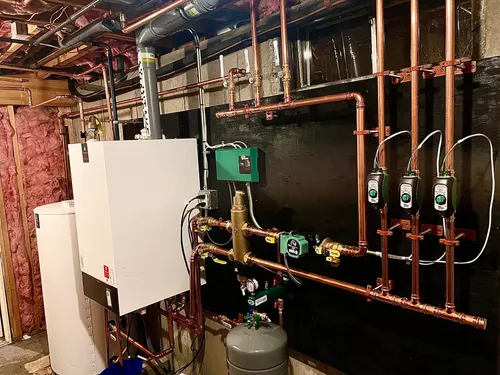
AJM Plumbing And Heating LLC
45 Exchange St, Rockland, MA 02370
AJM Plumbing And Heating LLC is a plumbing and heating service provider based near Boston, MA. They offer water heater installation, repair, and maintenance for both tank and tankless systems, along with leak detection, repiping, gas line installation, and toilet repair. The company installs high-efficiency heating systems and provides warranties on parts and labor, with tankless water heaters qualifying for Mass Save rebates. AJM Plumbing also handles gas appliance connections and plumbing winterization to protect systems from harsh New England winters. They serve a wide area including Rockland, Hull, Quincy, and other nearby communities.
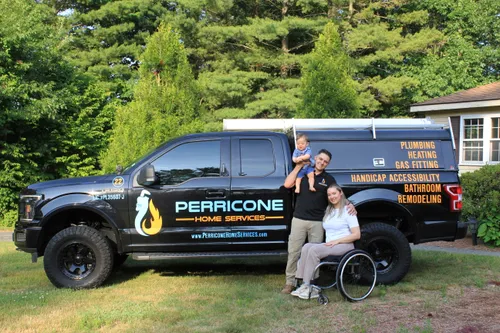
Perricone Home Services
111 Middlesex Turnpike #1103, Burlington, MA 01803
Perricone Home Services is a plumbing and gas service provider based in Boston, MA. They offer a range of services including water heater repair and installation, tankless water heater services, sump pump repair, leak detection, repiping, gas line installation, and garbage disposal repair. The company is known for thorough inspections, clear communication, and using quality materials. They have experience handling complex plumbing issues such as re-piping and interior gas leaks. Customers appreciate their detailed explanations and multiple repair options. Perricone Home Services responds promptly to emergencies, including after-hours and weekend calls, ensuring timely repairs and installations.
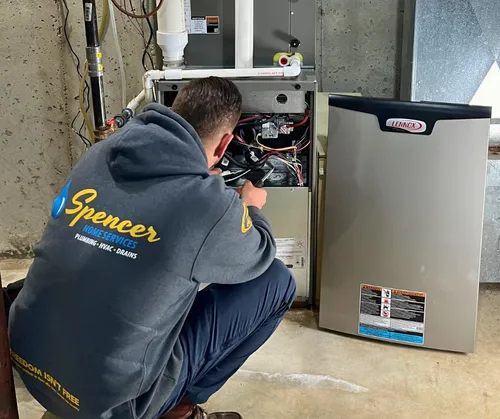
Spencer Plumbing Sewer and Drain Cleaning
67 Foster St, Peabody, MA 01960
Spencer Plumbing Sewer and Drain Cleaning is a family-owned company serving Boston, MA, and surrounding counties including Essex, Middlesex, and Suffolk. They provide residential and commercial plumbing services such as water heater repair, tankless water heater installation, drain cleaning, and trenchless sewer repair. The company has over 40 years of experience and uses the latest technology to handle a range of home system repairs and installations. They offer same-day and emergency trenchless sewer repair services to quickly address urgent plumbing needs.
Accurate Baker Elman
671 Saw Mill Brook Pkwy, Newton, MA 02459
Accurate Baker Elman is a plumbing service provider based in Boston, MA, with over 76 years of experience in the industry. They offer a range of plumbing services including water heater repair, tankless water heater installation, boiler installations, kitchen and bath remodeling, and freeze-up repairs. The company serves Boston and many surrounding areas in Massachusetts. They provide 24/7 emergency plumbing services and emphasize annual maintenance to extend the life of heating and plumbing equipment.
Evolved Mechanical
650 Broadway, Malden, MA 02148
Evolved Mechanical is a plumbing service provider based in Boston, MA, specializing in tankless water heater installation and maintenance. They also service ductless systems, furnaces, boilers, and central air conditioning units. Their offerings include maintenance plans designed to help customers protect their equipment and improve system efficiency.
Understanding Tankless Water Heater Systems
Unlike traditional storage tank heaters, tankless (or on-demand) water heaters heat water directly as it flows through the unit. This eliminates standby heat loss, the energy wasted keeping a large tank of water hot around the clock. For Massachusetts households, this can translate to lower utility bills, especially for natural gas users. These systems are compact, freeing up valuable basement or utility room space, and can last significantly longer than tank-style units with proper maintenance.
There are two primary fuel types for whole-home systems in Massachusetts:
- Gas (Natural Gas or Propane): The most common choice for whole-home heating due to their high flow rate and efficiency. They require a dedicated gas line, specific venting materials, and a condensate drain.
- Electric: These units are simpler to install as they don't require venting or gas lines. However, they demand a substantial amount of electrical power, often necessitating upgrades to your home's electrical panel and the installation of dedicated, high-amperage circuits.
Choosing the right type depends on your home's existing utilities, hot water demand, and budget for potential upgrades.
Massachusetts Installation Process & Key Steps
A professional installation is not just recommended-it's required by law for gas units and complex electrical work. The process is methodical and must follow code to pass inspection.
- Permitting: A licensed Massachusetts plumber or contractor will pull the necessary local permits before any work begins. In cities like Boston, this is a mandatory step for replacing any water heater.
- Site Preparation & Removal: The installer will safely shut off the water, gas, and electricity to the old heater and drain and remove the existing unit.
- Utility Assessment: This critical step determines the project's scope and cost. The professional will evaluate if your existing gas line is large enough (often it needs upgrading), check your electrical panel's capacity for an electric model, and plan the venting route 1.
- Mounting: The new tankless unit is securely mounted on an exterior wall or another approved location, considering proximity to gas, water, and electrical connections and vent termination points.
- Utility Connections: This is the core of the installation. For gas units, a new gas line and vent system are installed. For electric models, new high-gauge wiring and breakers are run from the panel. New water lines (cold water inlet and hot water outlet) are connected with proper shut-off valves 2.
- Venting: Gas units require specific, corrosion-resistant venting (like PVC or stainless steel) that terminates directly outdoors, never into an attic or crawl space, per manufacturer and code specifications.
- Testing & Inspection: The system is checked for gas and water leaks, fired up, and tested for proper operation. The installer will then schedule the final inspection with the local building department to close out the permit.
Massachusetts Codes and Regulations
Compliance with state and national codes is non-negotiable for safety and legality. Key regulations include:
- 248 CMR 10.00 - The Massachusetts State Plumbing Code: This code governs all plumbing work in the state. It ensures the safety of potable water, proper drainage, and prevents cross-contamination and backflow. Every aspect of the water connection and, for gas units, the fuel gas line, must comply 3.
- National Electrical Code (NEC): Electric tankless water heater installations must adhere to the NEC, particularly Article 422 for appliances. This covers safe wiring practices, circuit sizing, and disconnect requirements 4.
- Venting Codes: Gas-fired tankless water heaters produce exhaust that must be vented outdoors using materials listed for that specific appliance. The venting must be airtight, properly sloped, and terminate in an approved location away from windows and air intakes.
- Permit Requirements: A plumbing permit is required for all new water heater installations and major replacements. In many municipalities, a separate electrical permit is needed for electric units. Never hire a professional who suggests skipping permits 5.
Find the perfect tankless water heater service companies for your needs
Get personalized recommendations and expert advice
Cost Considerations for Installation & Repair
The total cost of a tankless water heater installation in Massachusetts varies widely, primarily due to the need for utility upgrades. The unit itself is just one part of the equation.
- Equipment Cost: Ranges from a few hundred dollars for a basic electric point-of-use model to over $3,000 for a high-capacity, high-efficiency gas unit 6.
- Total Installation Cost (Gas): Typically falls between $2,400 and $10,500+. The high end of this range accounts for extensive work like running a new, larger gas line from the meter, installing complex venting through multiple floors, or adding a condensate pump 7.
- Total Installation Cost (Electric): Generally $1,000 to $2,000+, but can rise sharply if a full electrical panel upgrade or new heavy-gauge wiring is required 8 9.
- Labor: Labor costs are significant due to the technical complexity of the installation, including soldering, gas fitting, electrical work, and ensuring code compliance.
- Repair Costs: Common repairs include fixing ignition or flame sensor issues on gas units, descaling to remove mineral buildup (critical in areas with hard water), or replacing flow sensors. Repair costs are typically lower than installation but require a specialist familiar with tankless technology.
Benefits and Long-Term Value
The initial investment in a tankless system is offset by several long-term advantages:
- Energy Efficiency: By heating water only when needed, tankless units can be 24%-34% more energy efficient for homes that use 41 gallons or less of hot water daily 10. This efficiency directly reduces monthly heating bills.
- Endless Hot Water: Never run out of hot water during a shower again. The system provides a continuous supply, limited only by its flow rate (measured in gallons per minute).
- Longer Lifespan: With proper maintenance, a tankless water heater can last 20 years or more, compared to 10-15 years for a traditional tank model.
- Space Savings: Their compact, wall-mounted design frees up floor space for storage or other uses.
Choosing a Qualified Professional in Massachusetts
Given the technical and regulatory complexity, selecting the right installer is crucial. Look for a licensed Massachusetts plumber who is also licensed for gas fitting (if installing a gas unit). They should have specific experience with tankless systems, be familiar with local code amendments in your city or town, and handle the permitting and inspection process for you. Always ask for references, proof of insurance, and detailed written estimates that break down equipment, labor, and anticipated costs for any necessary utility upgrades.
Frequently asked questions
Sources
Footnotes
-
Tankless Water Heater | Temprite Climate Solutions - https://www.tempriteclimatesolutions.com/blog/water-heater-service/do-i-need-to-make-any-plumbing-or-heating-changes-for-a-tankless-water-heater-installation ↩
-
Tankless Water Heater Installation Guide - A. O. Smith - https://www.hotwater.com/info-center/tankless-water-heater-installation-guide.html ↩
-
248 CMR 10.00: UNIFORM STATE PLUMBING CODE | Mass ... - https://www.mass.gov/doc/248-cmr-10-uniform-state-plumbing-code/download ↩
-
Go Tankless...and Stay in Hot Water - IAEI Magazine - https://iaeimagazine.org/2004/may2004/go-tanklessand-stay-in-hot-water/ ↩
-
Install or Replace a Water Heater or Boiler - Boston.gov - https://www.boston.gov/boston-permitting/install-or-replace/install-or-replace-water-heater-or-boiler ↩
-
Lowes Hot Water Heater Prices, Installation, Reviews (2024) - https://www.hvaccalc.org/lowes-water-heater/ ↩
-
The 2025 Cost of Tankless Water Heaters in Massachusetts - https://goendlessenergy.com/blog/tankless-water-heater/cost-tankless-water-heaters-massachusetts-rinnai-navien-traditional/ ↩
-
Efficient Home Comfort: A Complete Guide to Tankless Water ... - https://papaliaplumbing.com/efficient-home-comfort-a-complete-guide-to-tankless-water-heaters/ ↩
-
Cost to Replace a Water Heater - The Home Depot - https://www.homedepot.com/services/c/cost-install-water-heater/9058c024e ↩
-
How Does a Tankless Water Heater Work: 3 Big Benefits and Myths - https://heilplumbingdmv.com/blog/water-heater/how-does-a-tankless-water-heater-work ↩