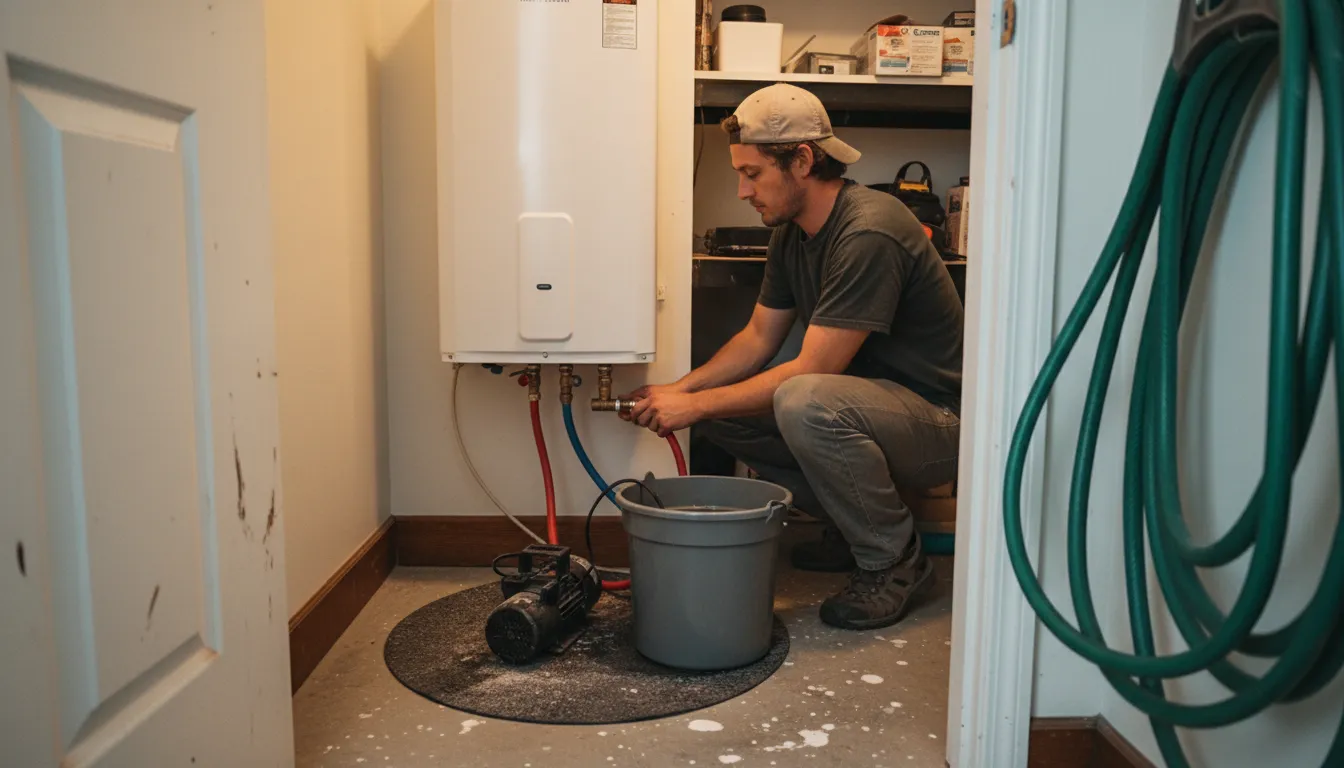
Find the Best Tankless Water Heater Service Companies for Your Business
No obligation • Fast responses • Nationwide coverage

Why you can trust Search a Plumber
Search a Plumber is a leading United States resource for finding and evaluating professional plumbing services. Our team researches licensing, experience, and customer feedback to create unbiased, fact-driven overviews. Companies cannot pay to change ratings or placement, ensuring homeowners get trustworthy information.
Search providers near you
Best Tankless Water Heater Service Companies in Georgia Ranked
A tankless water heater provides hot water on demand, eliminating the need for a bulky storage tank and offering potential energy savings and endless hot water. For Georgia homeowners, this technology is an attractive upgrade, but proper installation is critical for safety, performance, and compliance with state codes. This guide explains what you need to know about installing or repairing an on-demand water heater in Georgia, from choosing the right fuel type to understanding the permitting process. You can use this information to find qualified local professionals who specialize in this complex work.
Roto-Rooter Plumbing & Water Cleanup
3606 McCall Pl, Doraville, GA 30340
Roto-Rooter Plumbing & Water Cleanup provides a wide range of plumbing services in Atlanta, GA, including sewer camera inspections, water heater repairs and installations, drain cleaning, hydro jetting, sewer line repair, trenchless sewer repair, leak detection, and water softener installation. They offer 24/7 emergency plumbing services with same-day response to address urgent plumbing issues. Their capabilities include video camera inspections for sewer lines and the use of trenchless repair methods to minimize disruption during sewer line repairs. Serving the Atlanta area, Roto-Rooter also installs and services various water softener and filtration systems to improve water quality. The company is fully licensed and insured, offering continuous availability throughout the year.
Hot Water Solutions LLC
2170 Cobb Pkwy NW Suite B1, Kennesaw, GA 30152
Hot Water Solutions LLC is a plumbing company based in Atlanta, GA, specializing in water heater repair, installation, and leak detection. They serve multiple counties including Bartow, Cherokee, Cobb, Forsyth, Fulton, and Paulding. Their licensed plumbers are trained in various water heater systems, including tankless models, and are equipped to handle emergency repairs and installations. With over 35 years of experience, Hot Water Solutions emphasizes quality workmanship and customer-focused service. They also offer same-day appointments and emergency availability to address urgent water heater issues.

Honeycomb Plumbing
Atlanta, GA
Honeycomb Plumbing is a residential plumbing company serving Atlanta, GA, and surrounding counties including Cobb, Fulton, Dekalb, and Gwinnett. Founded this year, the company brings a decade of expertise to a wide range of plumbing services such as water heater installation and maintenance, drain cleaning with camera inspections, water softener and filtration system installation, sump pump repairs, gas line installation, and full repiping projects. They offer 24/7 emergency plumbing services to address urgent issues and prevent property damage.

The Plumb Hero
Atlanta, GA
The Plumb Hero is a plumbing company serving Atlanta, GA, and the surrounding Metro Atlanta area. They offer a range of plumbing services including water heater repair and installation, tankless water heater services, water filtration system installation, sewer line repair, emergency water leak detection, and water line replacement. The company handles both traditional and tankless water heater needs and provides emergency leak services to clients in the region.
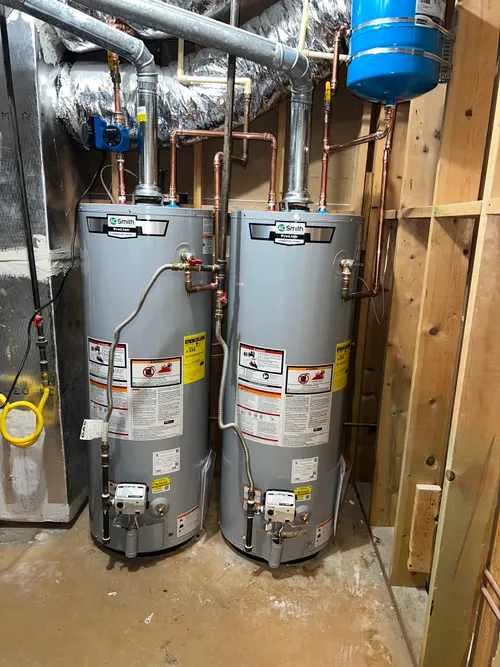
USA Plumbing & Water Heater Installation ® - Gas & Tankless Water Heater
Atlanta, GA
USA Plumbing & Water Heater Installation ® - Gas & Tankless Water Heater is a licensed and insured plumbing service based in Atlanta, GA. The company specializes in water heater repair, installation, and maintenance, including both traditional gas and tankless water heaters. With over 25 years of experience, owner Shawn Scuffle leads a team of certified technicians who keep current with industry trends to ensure quality service.
Understanding Tankless Water Heater Systems
Unlike traditional tank-style heaters that constantly heat and store water, tankless (or on-demand) units heat water directly as it flows through the system. When a hot water tap is turned on, cold water travels through a pipe into the unit, where either a gas burner or an electric element heats it instantly. This process delivers a continuous supply of hot water and can reduce energy consumption by 24% to 34% for homes that use 41 gallons or less daily1.
The core benefit is efficiency: you're not paying to keep 40-80 gallons of water hot 24/7. For Georgia families, this can mean lower utility bills, especially during humid summers when water heating can account for a significant portion of energy use. However, the upfront installation is more complex and costly than a simple tank replacement, requiring careful planning and professional expertise.
Gas vs. Electric: Choosing the Right System for Your Georgia Home
The first major decision is selecting your unit's power source. Each type has distinct requirements that impact installation complexity and cost.
Natural Gas or Propane Tankless Heaters Gas models are the most common choice for whole-home applications in Georgia due to their high flow rates and generally lower operating costs for high-demand households2. However, their installation is more involved. Key considerations include:
- Gas Line Sizing: Tankless units often require a greater gas volume (measured in BTU/hour) than tanked heaters. Your existing gas line may need to be upgraded to a larger diameter to supply adequate pressure, a common and necessary step.
- Venting: Combustion gases must be safely expelled. This requires installing a dedicated, sealed vent system (direct vent or power vent) through an exterior wall or roof, with strict clearances from windows, doors, and combustible materials 3.
- Air Intake: Gas units need a source of combustion air, which may involve installing a separate intake pipe.
Electric Tankless Water Heaters Electric installations are often mechanically simpler, as they don't require gas lines or venting. This can make them a good fit for point-of-use applications (like a remote bathroom) or homes without gas service. The primary challenge is electrical:
- Substantial Power Demand: A whole-home electric tankless heater can draw a tremendous amount of power-often requiring multiple dedicated circuits of 40-50 amps each.
- Service Panel Upgrade: Many older Georgia homes have 100-150 amp electrical panels. Installing a large electric on-demand unit may necessitate upgrading to a 200-amp or larger panel to handle the load, adding significant cost4.
- Operating Cost: In regions with high electricity rates, heating large volumes of water with electricity can be more expensive than using gas.
A certified plumber can assess your home's existing infrastructure-gas line capacity, electrical service, and venting pathways-to recommend the most efficient and cost-effective system for your needs.
The Professional Installation Process: A Step-by-Step Overview
Professional installation by a licensed Georgia plumber is not just recommended; it's essential for safety, warranty validation, and code compliance. Here's what a proper installation entails:
- Assessment and Sizing: The technician calculates your home's peak hot water demand (simultaneous showers, dishwasher, etc.) and determines the necessary flow rate (gallons per minute) and temperature rise needed for a Georgia winter. Undersizing leads to disappointment; oversizing wastes money 5.
- Utility Shut-Off: The water, gas (or electricity), and power to the old heater are safely turned off.
- Removal of Old Unit: The existing water heater is drained, disconnected, and removed from the premises.
- Mounting: The new tankless unit is securely mounted to a wall stud, following manufacturer and code specifications for clearances and accessibility.
- Water Line Connection: New shut-off valves, and often a new pressure relief valve, are installed. The cold water inlet and hot water outlet are connected using approved piping (like copper or CPVC).
- Fuel System Work:
- For Gas: A new gas line of adequate size is run from the meter or a manifold to the unit, including a sediment trap. All connections are tested for leaks6.
- For Electric: New dedicated circuit(s) are run from the main panel to a disconnect near the unit, then wired into the heater.
- Venting (Gas Models): The venting system is installed according to the manufacturer's instructions and Georgia code, ensuring exhaust is directed safely outdoors.
- System Activation and Testing: The utilities are restored. The technician purges air from the lines, checks for water and gas leaks, powers the unit, and calibrates the temperature and flow settings. They will verify proper ignition (for gas) and that hot water is delivered as expected7 8.
Find the perfect tankless water heater service companies for your needs
Get personalized recommendations and expert advice
Georgia Codes, Permits, and Safety Regulations
Installations in Georgia must adhere to the Georgia State Minimum Standard Plumbing Code, which is based on the International Plumbing Code (IPC). A reputable professional will handle the permitting process, which typically involves an inspection to ensure the work is safe and compliant.
Key code considerations for tankless water heaters in Georgia include 9:
- Third-Party Certification: The unit itself must be listed and labeled by an approved testing agency (like UL).
- Location and Access: The heater must be installed in a location with sufficient clearance for service and access to controls, and protected from freezing if in an unconditioned space.
- Temperature and Pressure Relief (TPR) Valve: A code-required safety device must be installed on the hot water line.
- Venting Compliance: Gas venting must maintain specific distances from combustible materials and be constructed of approved materials. Improper venting is a serious safety hazard.
Cost Breakdown for Installation and Repair in Georgia
The total investment for a tankless water heater in Georgia varies based on system type, home complexity, and necessary upgrades.
Installation Costs:
- Equipment: The unit itself ranges from approximately $250 for a basic electric point-of-use model to over $3,600 for a high-performance whole-home gas system 10.
- Labor and Materials: Professional installation labor typically ranges from $600 to $1,850 or more. This fee covers the skilled labor, standard materials (piping, fittings, venting), and the permit. Complex jobs requiring major gas line upgrades, electrical service panel upgrades, or difficult venting runs will be at the higher end.
- Total Project Cost: For a complete, professional installation of a whole-home system, Georgia homeowners can expect a total cost between $2,400 and $5,400+ 11.
Repair and Maintenance Costs: While generally reliable, tankless units require occasional maintenance and can need repairs. Common issues include mineral scale buildup (especially in areas with hard water), igniter failure (gas), or flow sensor problems. Repair costs typically range from $50 for a simple service call to $1,300 for a major component replacement12. Annual descaling is a recommended maintenance task to ensure efficiency and longevity13.
Common Challenges and the Importance of Professional Expertise
DIY installation is strongly discouraged. The risks-gas leaks, carbon monoxide poisoning, water damage, electrical fires, and voided warranties-far outweigh any potential savings. Certified plumbers prevent common problems like:
- The "Cold Water Sandwich": A brief burst of cold water between uses caused by improper piping or unit cycling, which a pro can mitigate through proper installation and possibly adding a small buffer tank.
- Inadequate Hot Water: Resulting from an improperly sized unit for the home's demand.
- Code Violations: Which can lead to failed inspections, fines, and issues when selling your home.
- System Damage: From incorrect voltage, gas pressure, or water flow.
Hiring a licensed, insured, and experienced professional ensures the system is safe, efficient, and built to last, protecting your home and your investment.
Frequently asked questions
Sources
Footnotes
-
Tankless Water Heater Installation - 6 Important Aspects - https://www.chooseaaronservices.com/plumbing-services/water-heaters/tankless-water-heater-installation/ ↩
-
Go Tankless...and Stay in Hot Water - IAEI Magazine - https://iaeimagazine.org/2004/may2004/go-tanklessand-stay-in-hot-water/ ↩
-
Tankless Water Heater Cost in 2024 - https://calltheotterguys.com/tankless-water-heater-cost/ ↩
-
Electric vs. Gas Tankless Water Heaters: Which is Better? - https://calloasis.com/electric-vs-gas-tankless-water-heaters-which-is-better-for-your-home/ ↩
-
Tankless Water Heaters: Pros & Cons - Griffin Plumbing, Inc. - https://griffin-plumbing.com/the-pros-and-cons-of-tankless-water-heaters/ ↩
-
Tankless Water Heater | Temprite Climate Solutions - https://www.tempriteclimatesolutions.com/blog/water-heater-service/do-i-need-to-make-any-plumbing-or-heating-changes-for-a-tankless-water-heater-installation ↩
-
Tankless Water Heater Installation Guide - A. O. Smith - https://www.hotwater.com/info-center/tankless-water-heater-installation-guide.html ↩
-
Tankless Water Heater Install: A Step-by-Step Guide - Just Plumbing - https://justplumbingaz.com/blog/tankless-water-heater-install-a-step-by-step-guide/ ↩
-
Chapter 5 Water Heaters: Georgia State Minimum ... - UpCodes - https://up.codes/viewer/georgia/ipc-2018/chapter/5/water-heaters ↩
-
Lowes Hot Water Heater Prices, Installation, Reviews (2024) - https://www.hvaccalc.org/lowes-water-heater/ ↩
-
Cost to Replace a Water Heater - The Home Depot - https://www.homedepot.com/services/c/cost-install-water-heater/9058c024e ↩
-
How Much Does a Tankless Water Heater Cost? [2026 Data] - https://www.angi.com/articles/how-much-does-tankless-water-heater-cost.htm ↩
-
What are the Most Common Problems with Tankless Water Heaters? - https://www.rsandrews.com/blog/what-are-the-most-common-problems-with-tankless/ ↩