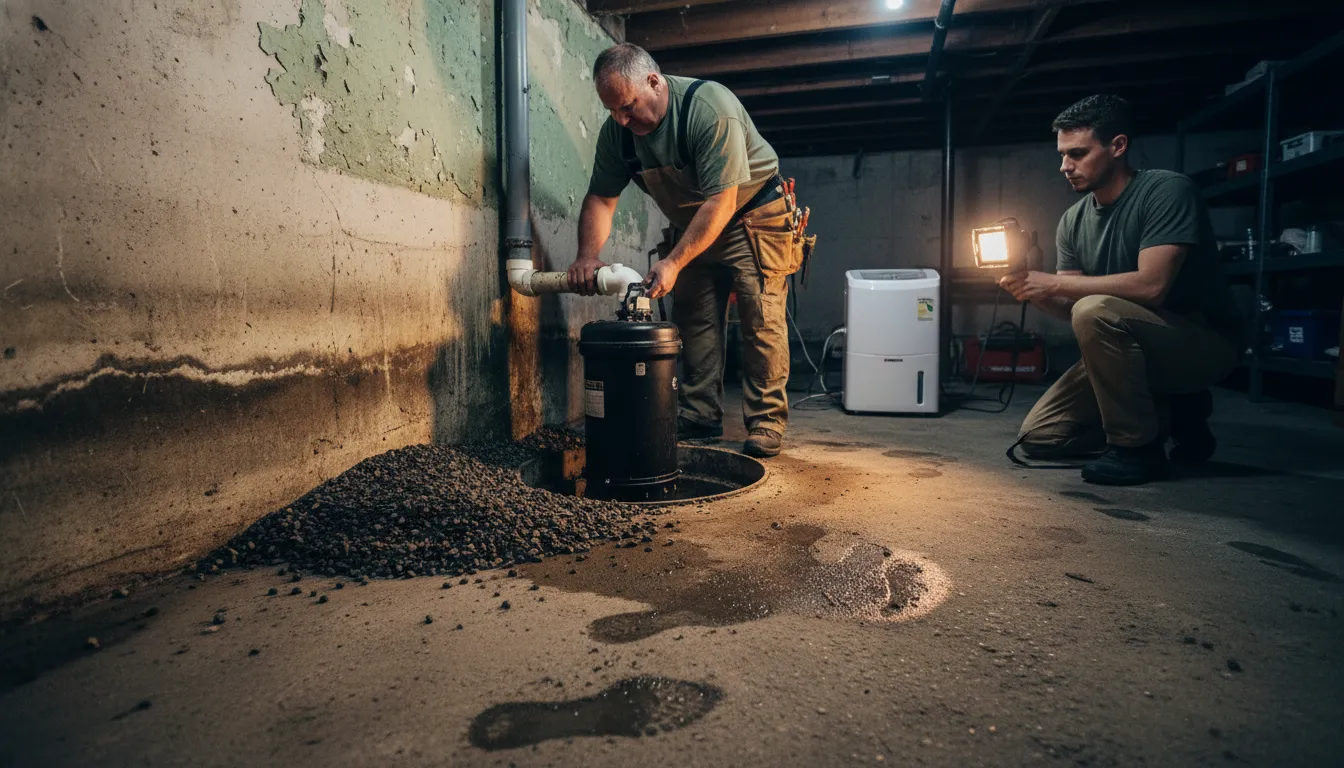
Find the Best Sump Pump Installation & Repair Companies for Your Business
No obligation • Fast responses • Nationwide coverage

Why you can trust Search a Plumber
Search a Plumber is a leading United States resource for finding and evaluating professional plumbing services. Our team researches licensing, experience, and customer feedback to create unbiased, fact-driven overviews. Companies cannot pay to change ratings or placement, ensuring homeowners get trustworthy information.
Search providers near you
Best Sump Pump Installation & Repair Companies in Washington Ranked
A reliable sump pump system is your home's first line of defense against basement flooding, a common concern in Washington due to seasonal heavy rains and high groundwater tables. These systems work by collecting water in a pit and pumping it safely away from your foundation, protecting your property from costly water damage, mold, and structural issues. Whether you need a new installation, a replacement for a failing unit, or urgent repairs, finding a qualified local professional is essential for ensuring the job is done correctly and complies with state and local building codes.
Pioneer Plumbing CDA
Spokane, WA
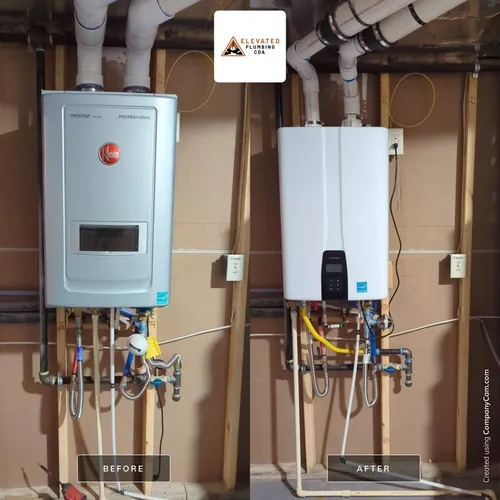
Pioneer Plumbing CDA is a locally run plumbing service operating in Spokane, WA, and the surrounding Coeur d'Alene area. They offer a range of plumbing services including water heater repair and installation, water softener installation, sump pump repair, drain cleaning, leak detection, toilet repair, and garbage disposal repair. The company emphasizes expert diagnostics and solutions aimed at protecting home plumbing systems, with capabilities such as whole home plumbing inspections to identify issues early and improve water quality. Pioneer Plumbing CDA provides transparent pricing and flexible financing options to support customers in managing essential plumbing repairs.
Ready Rooter
13222 SE 30th St Suite A-1, Bellevue, WA 98005
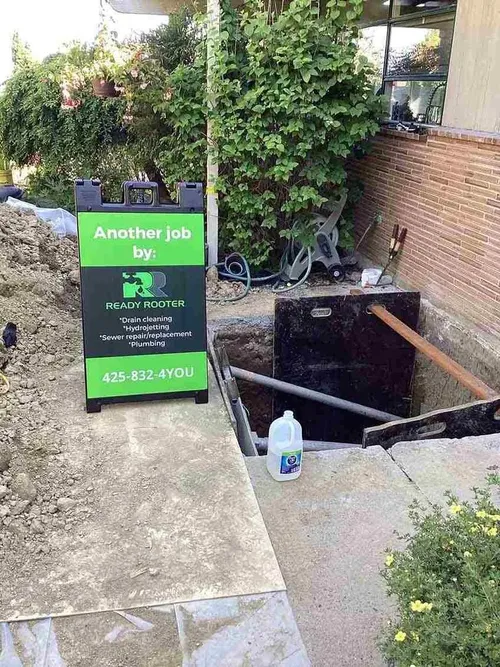
Ready Rooter is a plumbing and drain specialist serving Seattle, WA, and nearby areas. They offer a wide range of services including drain cleaning, sewer line repair, trenchless sewer repair, sump pump repair, tankless water heater installation, leak detection, repiping, and toilet repair. Their trenchless sewer line repair minimizes disruption while addressing sewer issues. The company is supported by experienced owners and technicians with many years in the industry. Ready Rooter provides 24/7 emergency services to assist customers whenever needed.
Pelican Plumbing LLC
4181 Wheaton Wy # 3, Bremerton, WA 98310
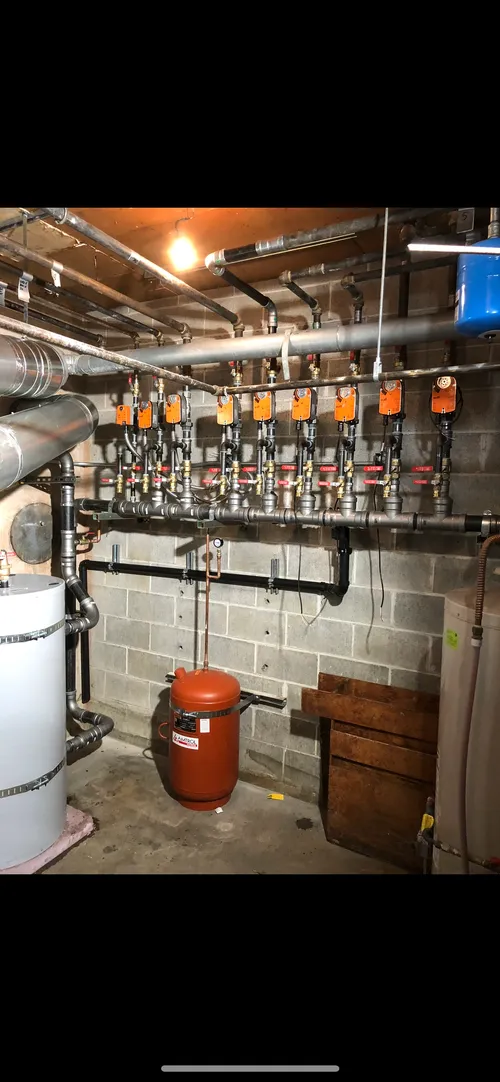
Pelican Plumbing LLC is a plumbing contractor based in Seattle, WA, specializing in residential and commercial plumbing services. They offer whole-home re-piping, gas line installations, tankless water heater installation, sump pump repair, drain cleaning, leak detection, and water heater repair. Serving Kitsap County, Gig Harbor, and Tacoma, Pelican Plumbing focuses on high-end remodels, new construction plumbing, and safe, code-compliant gas and propane line installations. With over seven years of experience and union training, they have completed more than 100 projects, providing expert craftsmanship and reliable plumbing solutions.
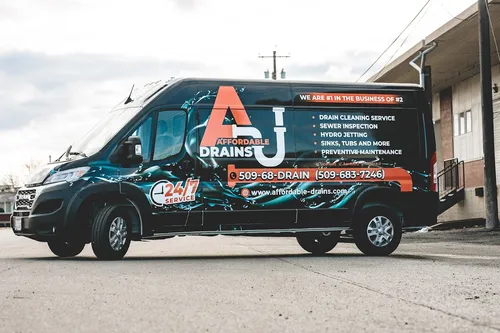
Affordable Drains
2925 E Providence Ave, Spokane, WA 99207
Affordable Drains provides drain cleaning, sewer camera inspections, sump pump repairs, and hydro jetting services in Spokane, WA. They serve both residential and commercial properties throughout Spokane County and Northern Idaho. The company uses advanced tools like high-pressure hydro jetting and HD video inspections to diagnose and clear blockages effectively. With over 15 years of experience led by Manager Chris Jordan, Affordable Drains offers 24/7 emergency service to address urgent drain and sewer issues any time of day or night.

Shalom Plumbing
2817 S 148th St, SeaTac, WA 98168
Shalom Plumbing provides comprehensive residential plumbing services in Seattle, WA, and surrounding areas including Bellevue, Renton, Kent, and SeaTac. Their offerings cover a wide range of plumbing needs such as sump pump installation, drain cleaning, sewer line repair, leak detection, repiping, toilet repair, and garbage disposal repair. The company is equipped to handle whole-house re-piping, water service installation and repair, as well as emergency shut-off installations. With years of experience, Shalom Plumbing uses advanced equipment and quality materials to deliver durable solutions. They are available 24/7 for emergency plumbing services to address urgent issues at any time.
Understanding Sump Pump Systems in Washington
In Washington's climate, a sump pump is more than just an appliance; it's a critical component of home maintenance. The system typically consists of a pit (or sump basin) dug into the lowest part of a basement or crawlspace, a pump that activates when water reaches a certain level, and a discharge pipe that carries the water away from your home's foundation. The primary goal is to manage hydrostatic pressure-the force exerted by groundwater against your basement walls and floor-before it leads to leaks or flooding.
Washington homeowners face unique challenges, including prolonged wet seasons, clay-rich soil that drains poorly, and the potential for rapid snowmelt. These conditions can quickly elevate the water table around your home, making an effective sump pump system not just advisable but often necessary to maintain a dry, healthy basement.
Types of Sump Pumps for Your Home
Choosing the right pump depends on your home's specific needs, the size of the pit, and your local water table. The two main types of primary pumps are:
-
Submersible Sump Pumps: These units are designed to operate submerged in the water within the sump pit. They are generally quieter, as the water muffles the motor sound, and are often more powerful, making them suitable for homes with higher water volumes or a history of significant flooding. Because they are inside the pit, they can be less accessible for quick visual checks but are protected from debris.
-
Pedestal Sump Pumps: In this design, the motor is mounted on a long column (pedestal) above the sump pit, with only the impeller housing extending down into the water. These pumps are typically less expensive, easier to service and repair since the motor is readily accessible, and are a good fit for smaller, narrow pits. The trade-off is that they tend to be louder during operation.
The Critical Role of Backup Systems
A primary pump is useless during a power outage, which often coincides with the severe storms that cause flooding. For comprehensive protection, a backup system is highly recommended. Common options include:
- Battery Backup Pumps: This is the most common backup solution. It involves a separate pump powered by a large, deep-cycle battery with a charger. If the power fails, the battery-powered pump takes over. These systems typically add $300 to $1,000+ to an installation cost but are considered essential for true peace of mind.
- Water-Powered Backup Pumps: These innovative pumps use your home's municipal water pressure to create a suction that removes water from the pit. They have no batteries to maintain or replace and can run indefinitely as long as city water is available. Installation costs for a water-powered backup pump generally range from $200 to $900 for the pump unit 1.
What's Involved in Professional Installation?
A proper sump pump installation is a multi-step process that goes beyond simply dropping a pump into a hole. Professional installation ensures long-term reliability and safety.
- Site Assessment & Pit Excavation: A technician will determine the optimal location, often where water naturally pools. For a new system, this involves breaking through the concrete floor and excavating the pit to the correct depth and width.
- Pump & Pit Liner Placement: The durable plastic pit liner is set into the hole, and the chosen primary pump is positioned inside. A sealed, airtight lid is crucial to prevent moisture, radon gas, and pests from entering your home 2.
- Plumbing & Discharge: A discharge pipe is securely attached and routed to direct water at least 10-20 feet away from your foundation. It must terminate in an area where water can disperse without flowing back toward the house or creating a nuisance on sidewalks or streets 3.
- Electrical Work: A dedicated Ground Fault Circuit Interrupter (GFCI) outlet must be installed by a licensed electrician to power the pump. This is a critical safety code requirement to prevent electrocution in the damp basement environment.
- Backup System Integration: If included, the battery or water-powered backup pump is installed and tested.
- Testing & Final Check: The entire system is tested by pouring water into the pit to ensure the float switch activates the pump correctly and water is discharged properly.
Find the perfect sump pump installation & repair companies for your needs
Get personalized recommendations and expert advice
Cost Factors for Sump Pump Services in Washington
The cost of sump pump services in Washington varies based on the scope of work, the equipment selected, and labor rates. Here's a general breakdown:
- Complete New Installation (including pit excavation): $1,500 - $3,500+. This is the most involved project, covering all materials, labor for concrete work, plumbing, and electrical.
- Pump Replacement (in an existing pit): $800 - $2,000 4. This cost covers the new pump, labor for removal and installation, and testing.
- Battery Backup System Addition: $300 - $1,000+ 5 6. This includes the backup pump, battery, charger, and installation labor.
- Repair Services: Costs vary widely based on the issue, from minor fixes like clearing a clog or adjusting a switch ($100-$300) to replacing major components.
Key factors influencing price include the need for concrete cutting, local permit fees, the quality and horsepower of the pump, the type of backup system, and the complexity of the discharge line routing 7.
Common Repair Issues and Maintenance
Even the best systems require attention. The average sump pump lasts 7-10 years. Common signs you need repair or replacement include:
- Unusual noises (grinding, rattling)
- Constant running or cycling on/off rapidly
- Failure to activate when water is present
- Visible rust or corrosion
- Water not being discharged effectively
Routine maintenance can extend your pump's life. Homeowners should:
- Test Quarterly: Pour a bucket of water into the pit to ensure the pump activates and drains the pit completely.
- Clean the Pit: Periodically remove debris, gravel, or silt that can clog the pump or affect the float switch.
- Check the Discharge Line: Ensure the outdoor exit point is clear of leaves, ice, or obstructions, especially before the rainy season.
- Inspect the Backup: Test battery backup systems every few months and replace batteries as recommended (typically every 3-5 years).
Why Professional Expertise Matters
While DIY may seem tempting, professional installation and repair offer significant advantages:
- Code Compliance: Professionals understand Washington's specific building codes regarding electrical (GFCI), plumbing, and proper discharge, avoiding fines and unsafe conditions 8.
- Correct Sizing & Placement: An expert can assess your home's water table and drainage needs to recommend a system with adequate capacity, preventing pump overload or failure during a major storm.
- Warranty Protection: Professional work is typically backed by a service warranty, and installed pumps retain their manufacturer warranty, which is often voided by self-installation.
- Integrated Solutions: A pro can identify if your flooding issue is part of a larger problem, such as poor exterior drainage or foundation cracks, and recommend a comprehensive solution 9.
Frequently asked questions
Sources
Footnotes
-
Sump Pump and Backup Systems for Fort Washington Homes - https://tabithaheit.com/blog/sump-pump-and-backup-systems-for-fort-washington-homes ↩
-
Basement sump pump installation: 7 Powerful Steps for Success 2025 - https://basementwaterproofingscientists.com/basement-sump-pump-installation/ ↩
-
Basement Sump Pumps: Types, Costs, and Maintenance - https://www.arkbasementservices.com/basement-sump-pumps-types-costs-and-maintenance/ ↩
-
Sump Pump Installation Price in Washington: A 2025 Guide - https://nabhanplumbing.com/sump-pump-installation-price/ ↩
-
Your Guide to Sump Pump Installation: Tips from the Pros - https://basementwaterproofingscientists.com/sump-pump-installation-guide-2025/ ↩
-
Sump Pump Installation Cost Guide | 2026 Prices & Factors - Modernize - https://modernize.com/foundations/basement-waterproofing/sump-pump-installation-cost ↩
-
Sump Pump Installation Cost Breakdown - https://www.swiftplumb.com/blog/plumbing-service/the-cost-of-installing-a-sump-pump-what-to-expect/ ↩
-
Sump Pump Service for Your Home's Safety - https://www.trustedplumbingheating.com/plumbing/sump-pumps/ ↩
-
Sump Pump System Uncovers Hidden Issues | NW Crawl Space - https://nwcrawlspace.com/sump-pump-system-uncovers-hidden-issues/ ↩