Find the Best Sump Pump Installation & Repair Companies for Your Business
No obligation • Fast responses • Nationwide coverage

Why you can trust Search a Plumber
Search a Plumber is a leading United States resource for finding and evaluating professional plumbing services. Our team researches licensing, experience, and customer feedback to create unbiased, fact-driven overviews. Companies cannot pay to change ratings or placement, ensuring homeowners get trustworthy information.
Search providers near you
Best Sump Pump Installation & Repair Companies in Virginia Ranked
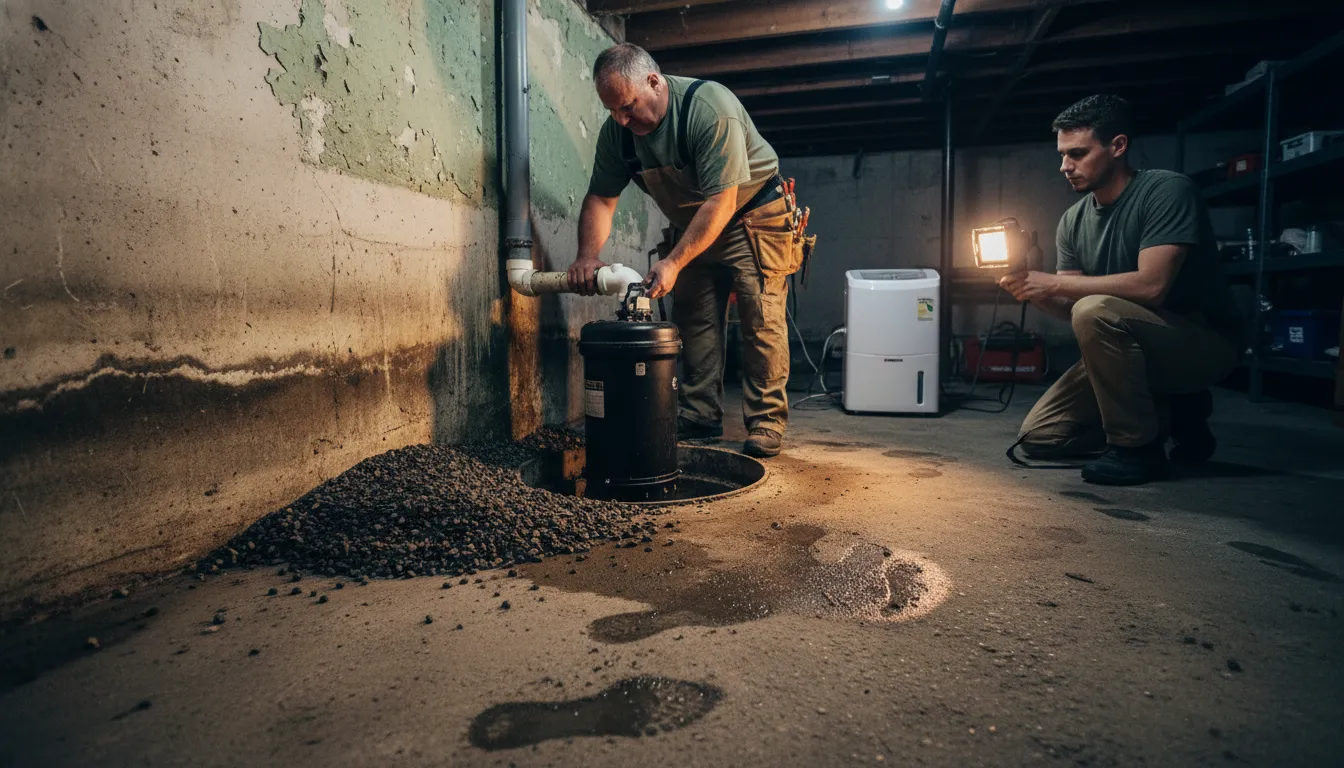
A properly functioning sump pump is your home's first line of defense against basement flooding and water damage. In Virginia, where heavy rains, snowmelt, and high water tables are common, this system is not just an accessory-it's a critical component of home protection. This guide provides clear, practical information on sump pump systems, helping you understand your options, recognize signs of trouble, and connect with qualified local professionals who can assess your specific needs and ensure your property stays dry.
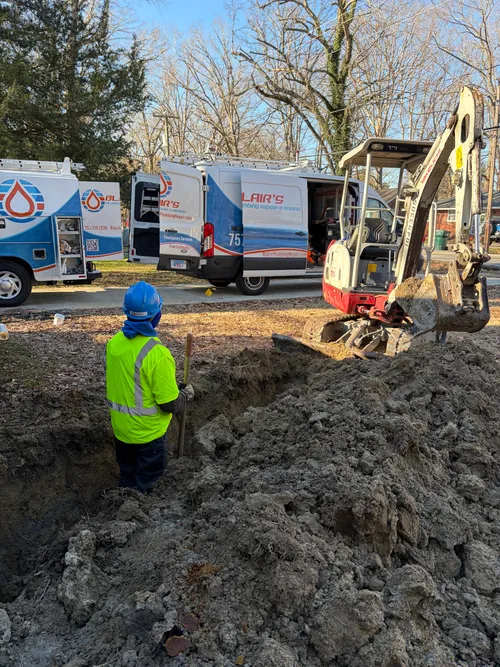
Blair's Plumbing Repair & Drains
337 Thalia Dr, Newport News, VA 23608
Blair's Plumbing Repair & Drains is a family-run plumbing company serving Virginia Beach, VA, and the Hampton Roads Peninsula communities. They provide a wide range of plumbing services including water heater repair and installation, tankless water heater service for Rinnai and Navien models, sump pump and sewage pump repair, drain cleaning, sewer line repair, leak detection, repiping, and toilet and garbage disposal repairs. The company emphasizes thorough whole home plumbing inspections and detailed explanations to help customers understand their plumbing systems. Founded in 2020 by Army veteran Justan Blair, the business combines skilled plumbing work with a focus on customer education and service.
Tony & Son Plumbing, LLC
3808 Highland Ct, Virginia Beach, VA 23456
Tony & Son Plumbing, LLC is a family-owned plumbing company serving Virginia Beach, VA, and the surrounding Hampton Roads community. They provide a wide range of plumbing services including water heater repair and installation, sump pump repair, drain cleaning, sewer line repair, leak detection, gas line installation, toilet repair, and garbage disposal repair. With a Certified Master Plumber on staff, they offer licensed and certified gas line services and handle both residential and commercial plumbing needs. Established in 1982, Tony & Son Plumbing has decades of experience and offers 24/7 emergency plumbing services to address urgent issues at any time.
Zoom Drain
3514 Mayland Ct, Richmond, VA 23233
Zoom Drain is a plumbing service provider based in Richmond, VA, specializing in drain and sewer cleaning, repair, and inspection for both residential and commercial customers. They use advanced tools such as hydro jetting and sewer camera inspections to diagnose and resolve issues like clogs, leaks, and sump pump problems. The company serves Richmond and surrounding areas including Chesterfield, Glen Allen, Henrico, Mechanicsville, Midlothian, and Moseley. Zoom Drain is known for clear communication and transparent pricing, offering flat-rate pricing and maintenance plans to keep wastewater systems functioning properly.
Plumb Line Plumbing Service LLC
Richmond, VA
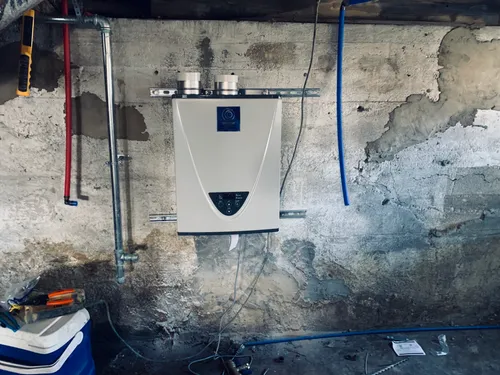
Plumb Line Plumbing Service LLC is a licensed and insured master plumbing contractor serving Richmond, VA, and nearby areas including Petersburg, Chesterfield, and Glen Allen. They provide residential and commercial plumbing services such as water heater installation and repair, including tankless models, sump pump repair, drain cleaning, sewer line repair, and toilet repair. With over 10 years of experience, the company stays current with Virginia state codes and uses quality parts and equipment. Plumb Line Plumbing Service LLC offers 24/7 availability for major emergencies.
Bear Mechanical
6409 Mechanicsville Tpke, Mechanicsville, VA 23111
Bear Mechanical is a family-owned HVAC and plumbing company serving Richmond, VA, and the surrounding areas. With over 30 years of experience, they provide a wide range of services including water heater installation and repair, sump pump repair, drain cleaning, and comprehensive HVAC solutions. Their skilled technicians handle both residential and commercial needs, offering capabilities such as emergency heating and air repair with 24/7 availability. Bear Mechanical is fully licensed and insured, delivering services backed by warranties on replacements and parts.
Why Virginia Homes Need Sump Pumps
Virginia's unique geography and climate create a perfect storm for potential basement water issues. The state's prevalent clay soil is a primary culprit 1. Unlike sandy soil that allows water to drain quickly, clay is dense and retains moisture. During periods of heavy rainfall or rapid snowmelt, this soil becomes saturated, causing groundwater levels to rise and exert hydrostatic pressure against your home's foundation. This pressure seeks the path of least resistance, which often leads to water seeping through cracks or the cove joint where the floor meets the wall.
Furthermore, proximity to major water bodies like the Potomac River and Chesapeake Bay can contribute to naturally high water tables in many areas. Homes in low-lying areas, those with finished basements, or properties with a history of dampness are at particular risk. A sump pump system actively manages this water by collecting it and pumping it away from the foundation, safeguarding your home's structural integrity and preventing mold growth and property damage.
Types of Sump Pumps and Backup Systems
Choosing the right pump depends on your home's specific water volume and pit configuration. The two main types are pedestal and submersible pumps.
- Submersible Sump Pumps: The motor and pump unit are designed to operate submerged in the sump pit. These models are generally quieter, more discreet, and are built to handle larger volumes of water, making them ideal for homes that experience frequent or significant flooding.
- Pedestal Sump Pumps: In this design, the motor is mounted on a long column (pedestal) that sits above the sump pit, with only the pump impeller extending down into the water. Pedestal pumps are often more accessible for maintenance and are a good fit for shallower pits or situations with a lower volume of water.
Perhaps the most critical addition to any system is a battery backup pump2 3. Power outages frequently occur during the severe storms that cause flooding. A backup pump, powered by a deep-cycle marine battery, automatically takes over if the primary pump loses power, providing essential protection when you need it most. For comprehensive security, some homeowners opt for a water-powered backup pump that uses municipal water pressure, though these have specific installation requirements.
The Role of Drainage: French Drains and Drain Tile
A sump pump is only as effective as the water it can collect. Often, the pump is the final piece of a larger water management system that includes perimeter drains. These are commonly known as French drains or drain tile.
- Interior Perimeter Drain: A channel is cut along the interior perimeter of the basement floor. Perforated pipe is laid in this channel, covered with gravel, and then sealed over. This pipe collects water seeping in from the walls or floor and channels it directly to the sump pit.
- Exterior Perimeter Drain: Installed during construction or major excavation, these drains are placed along the foundation's footing on the outside. They intercept groundwater before it reaches the foundation walls, directing it to the sump pit or away from the home.
Installing a drainage system significantly increases the effectiveness of a sump pump by giving water a clear path to the pit. The cost for drain tile can range from $40 to $100 or more per linear foot, which can add $500 to $1,500 or more to the overall project cost when paired with a pump4.
Professional Installation: What to Expect
A proper sump pump installation is not a simple drop-in project. Professional installation ensures the system is correctly sized, safely wired, and effectively configured to protect your home.
The process typically involves:
- Assessment: A technician will evaluate your basement, check for signs of water, and discuss your history with moisture to determine the best solution.
- Pit Excavation: A sump pit (typically 18-24 inches in diameter and 24-36 inches deep) is dug in the lowest corner of the basement, often near where the drainage system will feed.
- Pump Placement: The pump is placed in the pit, and a check valve is installed on the discharge pipe to prevent pumped water from flowing back.
- Discharge Line: A dedicated discharge line is run from the pump to the exterior, directing water at least 10-20 feet away from the foundation. The line must be buried below the frost line to prevent freezing in winter.
- Electrical Connection: The pump is connected to a dedicated GFCI (Ground Fault Circuit Interrupter) outlet for safety.
- System Testing: The entire system is tested by pouring water into the pit to activate the pump and ensure proper operation.
For a basic installation of a primary pump, homeowners can expect costs to start around $500 to $1,200 5. A complete system that includes a primary pump, a battery backup, and interior perimeter drains typically ranges from $800 to $2,500, with more complex exterior drainage solutions potentially reaching $4,000 or more 5 6.
Find the perfect sump pump installation & repair companies for your needs
Get personalized recommendations and expert advice
Common Sump Pump Repairs and Issues
Even the best systems require attention. Recognizing common problems can help you address them before a failure leads to flooding.
- Pump Runs Constantly: This can indicate a switch problem, a stuck check valve, or an undersized pump that can't keep up with the water inflow7 8.
- No Operation When Needed: The most alarming failure. Causes include a power outage (highlighting the need for a backup), a tripped circuit breaker, a stuck float switch, or a burned-out motor.
- Unusual Noises: Grinding, rattling, or loud humming often point to a damaged impeller, a loose part, or a failing motor bearing.
- Visible Rust or Corrosion: This suggests excessive moisture or age and can lead to premature failure.
- Foul Odors: A musty smell from the pit can indicate stagnant water, often due to a pump that isn't running enough to cycle fresh water through, or a missing airtight lid.
The Critical Importance of Annual Maintenance
Routine maintenance is the key to sump pump reliability. An annual check-up, typically costing between $50 and $200, can prevent costly emergencies9 10. A professional maintenance visit should include:
- Cleaning the sump pit of debris, silt, and gravel.
- Testing the pump by pouring water into the pit to trigger activation.
- Inspecting the float switch for free movement.
- Checking the discharge line outdoors for obstructions, freezing, or damage.
- Ensuring the check valve is functioning properly.
- Testing the battery backup system (if installed) and checking the battery's charge and water level.
- Verifying that the power source is secure and the GFCI outlet is working.
For DIY-inclined homeowners, you can perform a simple test every few months, especially before rainy seasons, by slowly pouring a 5-gallon bucket of water into the pit to ensure the pump turns on, lifts the float, pumps out the water, and turns off automatically.
Making an Informed Decision for Your Home
Investing in a sump pump system is an investment in your home's long-term health and your own peace of mind. When considering your options, focus on finding a licensed and insured professional with specific experience in basement water management. They should provide a detailed assessment, explain the pros and cons of each pump type and any necessary drainage, and offer a clear, written estimate.
Remember, the goal is not just to install a pump, but to implement an effective solution for your Virginia home's specific water challenges. With the right system in place, you can confidently protect your basement from the inevitable next downpour.
Frequently asked questions
Sources
Footnotes
-
Sump Pump Installation - Potomac Plumbing & Gas - https://potomacpg.com/services/sump-pump-installation/ ↩
-
The Essential Guide to Sump Pumps for Northern Virginia ... - https://www.falconhvac.com/blog/the-essential-guide-to-sump-pumps-for-northern-virginia-homeowners ↩
-
Sump Pump Installation & Repair in Loudoun County VA - https://priority1plumbing.com/sump-pumps/ ↩
-
2025 Drain Tile Costs: What to Expect for Interior, Exterior, and Sump ... - https://basementwaterproofingscientists.com/drain-tile-installation-cost-guide/ ↩
-
How Much Does Sump Pump Installation Cost? 5 Factors - https://freedomplumbingmidwest.com/sump-pump-installation-cost/ ↩ ↩2
-
Sump Pump Installation Cost Guide | 2025 Prices & Factors - Modernize - https://modernize.com/foundations/basement-waterproofing/sump-pump-installation-cost ↩
-
Sump Pump Repair and Installation - Service Specialties - https://www.ssihvac.com/plumbing/sump-pumps-repair/ ↩
-
Our Sump Pump Installation Process In Greater Washington DC - https://www.nvwaterproofing.com/basement-waterproofing/products/sump-pumps/sump-pump-install.html ↩
-
Basement Sump Pumps: Types, Costs, and Maintenance - https://www.arkbasementservices.com/basement-sump-pumps-types-costs-and-maintenance/ ↩
-
Sump Pump Installation in Alexandria | Emerald Plumbing Co. - https://www.emerald911.com/areas-we-serve/alexandria-va/sump-pump-installation/ ↩