Find the Best Sump Pump Installation & Repair Companies for Your Business
No obligation • Fast responses • Nationwide coverage

Why you can trust Search a Plumber
Search a Plumber is a leading United States resource for finding and evaluating professional plumbing services. Our team researches licensing, experience, and customer feedback to create unbiased, fact-driven overviews. Companies cannot pay to change ratings or placement, ensuring homeowners get trustworthy information.
Search providers near you
Top Sump Pump Installation & Repair Companies in Leander, Texas Ranked
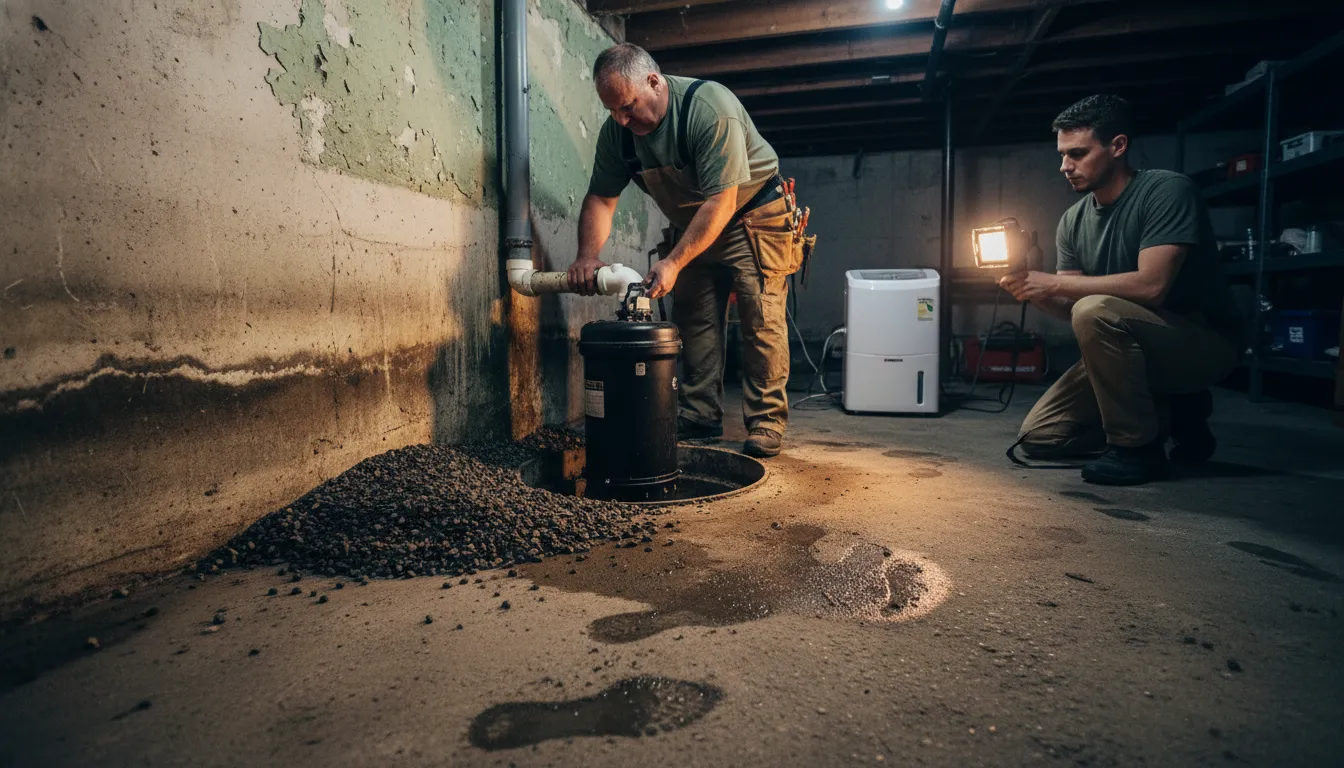
For homeowners in Leander, protecting your home from water damage is a critical concern, especially given the region's heavy rainfall and unique soil conditions. A properly functioning sump pump system is your first line of defense, actively removing groundwater before it can flood your crawl space or damage your foundation. This guide explains why these systems are essential for local properties, details the different types of pumps and installations available, and provides a clear path to finding qualified local professionals who can assess your needs, perform repairs, or install a new system.
Plumbing Outfitters
24 Co Rd 496, Taylor, TX 76574
Plumbing Outfitters is a licensed plumbing company serving Austin, TX, and the surrounding Central Texas area. Led by Master Plumber Warren Stroud and co-owner Ashley Stroud, the team offers a wide range of services including sewer camera inspections, water heater installation and repair, drain cleaning, leak detection, repiping, and sump pump repair. They use advanced diagnostic tools such as cameras and pressure gauges to provide code-compliant plumbing solutions with materials like copper and PVC. With decades of combined experience, Plumbing Outfitters focuses on clear diagnostics and honest repairs to address plumbing challenges in both older and remodeled homes. They also provide 24-hour emergency plumbing services for urgent issues like slab leaks and burst pipes.
Plumbing Outfitters
9415 Burnet Rd Suite 110, Austin, TX 78758
Plumbing Outfitters is a locally owned plumbing company serving Austin, TX. Led by Master Plumber Warren Stroud and co-owner Ashley Stroud, they provide a range of plumbing services including sewer camera inspections, water heater repair and installation, water softener installation, sump pump repair, drain cleaning, hydro jetting, sewer line repair, leak detection, repiping, gas line installation, and toilet repair. Their licensed plumbers use advanced tools like sewer cameras and pressure testing to accurately diagnose issues and ensure code-compliant repairs. Plumbing Outfitters has decades of combined experience working in Austin homes and neighborhoods, offering 24-hour emergency plumbing services to address urgent problems promptly.

Zoom Drain
1700 Bryant Dr #207, Round Rock, TX 78664
Zoom Drain is a locally owned and operated drain and sewer service provider based in Austin, TX. They specialize in residential and commercial drain cleaning, sewer inspections, grease trap services, pump replacements, and preventive maintenance. The company uses advanced technology like video inspections and their proprietary ZOOM JETTING® method to clear even the toughest blockages. Zoom Drain understands the unique drainage challenges in Austin, including hard water buildup and shifting soil, and tailors their services accordingly. They offer same-day and next-day service along with a 30-day satisfaction guarantee.
Plumbing Outfitters
1311 Chisholm Trail Rd Suite 404, Round Rock, TX 78681
Plumbing Outfitters is a licensed plumbing company serving Austin, TX, and the surrounding areas. Led by Master Plumber Warren Stroud and co-owner Ashley Stroud, the team offers a wide range of plumbing services including sewer camera inspections, water heater installation and repair, hydro jetting, leak detection, trenchless sewer repair, and gas line installation. They use advanced tools like camera inspections and trenchless technology to diagnose and resolve plumbing issues accurately while ensuring compliance with Texas plumbing codes. With over five decades of combined experience, Plumbing Outfitters focuses on delivering long-lasting solutions and maintaining strong community relationships. They provide 24-hour emergency plumbing services to help keep Austin homes safe.
Cedar Park Plumbing
407 Horseshoe Dr, Leander, TX 78641
Cedar Park Plumbing is a plumbing service provider located in Austin, TX, serving the local community with a wide range of plumbing solutions. Their services include water heater repair and installation, tankless water heater services, sump pump repair, drain cleaning, hydro jetting, sewer line repair, leak detection, repiping, toilet repair, and garbage disposal repair. The company is known for its expertise in hydro jetting to clear drain clogs efficiently. Cedar Park Plumbing has built a reputation for honest and dependable service, focusing on customer satisfaction. They operate during regular business hours and do not indicate special availability such as 24/7 service.
Why Leander Homes Need Sump Pumps
The need for reliable basement drainage or crawl space waterproofing in Leander isn't just about occasional storms. Central Texas is known for its heavy, sudden downpours that can overwhelm yard drainage. More importantly, the prevalent clay soil in the area is a key factor 1. Clay absorbs water slowly and drains poorly, leading to significant water pooling around your home's foundation. This hydrostatic pressure can force moisture through cracks, lead to mold growth, and in severe cases, cause costly structural damage. A sump pump acts as a relief valve, collecting this subsurface water in a pit and ejecting it safely away from your home.
Since many Texas homes are built on slab foundations or have crawl spaces rather than full basements, sump pumps are often installed in these low-lying areas to collect water before it ever reaches the living space or compromises the foundation's integrity 2. Investing in a sump pump installation or ensuring your existing unit is in good repair is a proactive measure to maintain your home's value and livability.
Types of Sump Pumps: Choosing the Right System
Not all water pumps are created equal. Understanding the two main types of sump pumps will help you discuss options with a professional.
- Pedestal Sump Pumps: In this design, the motor is mounted on a long column (pedestal) above the sump basin. These units are generally more affordable and easier to access for maintenance and repair because the motor isn't submerged 3. However, they tend to be noisier during operation and are often less powerful than their submersible counterparts, making them better suited for pits with lower water volumes.
- Submersible Sump Pumps: As the name implies, the entire pump and motor unit operates underwater inside the sump pit. These models are quieter, more discreet, and typically more powerful, handling heavier water flow efficiently. They are often recommended for homes with significant water intrusion or for installations where noise is a concern.
For complete peace of mind, especially during the severe storms that can knock out power, a battery backup system is crucial. This add-on provides a secondary power source to keep your pump running during an outage, precisely when you need it most. Some systems also offer water-powered backups that use municipal water pressure. Many homeowners opt for a combination unit that integrates a primary and a backup pump into one system for maximum reliability.
Understanding Sump Pump Installation
A proper sump pump installation is more than just dropping a pump into a hole. It's a systematic process designed for long-term effectiveness.
- Assessment and Pit Excavation: A technician will identify the optimal location, often in the lowest part of a crawl space or basement. If a pit doesn't exist, one must be excavated, which is a significant portion of the project's labor and cost.
- Pump and Basin Placement: The sump basin (a perforated liner) is set into the pit, and gravel is packed around it to facilitate water entry. The chosen pump is then installed inside this basin.
- Discharge Plumbing: This is a critical step. The discharged water must be piped far away from your home's foundation-experts recommend at least 10 feet-to a sloped area, dry well, or approved storm drain to prevent it from simply flowing back and re-entering the system 4. Proper grading and a check valve to prevent backflow are essential components.
- Electrical Connection: The pump is connected to a dedicated GFCI outlet. If a battery backup is included, this system will also be installed and connected at this time.
Local permits may be required for this work, particularly concerning the discharge line's connection and electrical work. A reputable local installer will handle this process.
Cost Factors for Sump Pump Services in Leander
The investment for sump pump services varies widely based on the scope of work. Here's a general breakdown to help you budget:
- The Pump Unit Itself: A basic pedestal pump can cost as little as $80, while a high-capacity submersible model with advanced features can reach $1,000 or more 5.
- Basic Installation (into an existing pit): If a suitable sump pit already exists, installing a new pump typically ranges from $200 to $800 for labor and basic materials 6.
- Full System Installation (including new pit): This is the most common scenario for homes without an existing system. The cost to excavate a new pit, install the basin, pump, and all necessary plumbing can range from $1,200 to over $4,000, with complex jobs on the higher end 7.
- Battery Backup Add-On: Adding a battery backup system to ensure operation during a power outage generally adds $300 to $1,000 to the total project cost 8.
- Repair Costs: Repair pricing is highly variable, depending on whether the issue is a stuck switch, a failed motor, a clogged intake, or a problem with the discharge line. Most local plumbing professionals offer diagnostic assessments to provide a precise repair quote 9.
Find the perfect sump pump installation & repair companies for your needs
Get personalized recommendations and expert advice
Maintaining Your Sump Pump System
Regular maintenance is key to ensuring your sump pump activates when you need it. A simple checklist includes:
- Visual Inspection: Periodically check that the pump is upright and free of debris in the pit.
- Test the Pump: Pour a bucket of water into the sump pit to trigger the float switch and ensure the pump turns on, ejects the water, and turns off automatically.
- Check the Discharge Line: Ensure the outdoor discharge point is clear of leaves, dirt, or ice, especially before a forecasted storm.
- Listen for Unusual Noises: Grinding or rattling sounds can indicate a worn part or obstruction.
- Professional Inspection: Having a technician perform an annual inspection, typically in early spring before the rainy season, can catch minor issues before they lead to a failure.
Signs You Need Sump Pump Repair or Replacement
Don't wait for a flood to discover your pump has failed. Be alert to these warning signs:
- Unusual Noises: Loud grinding, rattling, or constant running can signal a failing motor or worn bearing.
- Frequent Cycling: The pump turning on and off too often, or running continuously, often points to a stuck switch or an incorrectly sized unit.
- Visible Rust or Corrosion: This can indicate age and potential internal damage.
- Failure to Activate: The most obvious sign-the pump doesn't turn on when water fills the pit.
- Old Age: Most sump pumps have a lifespan of 7-10 years. If your unit is approaching or has exceeded this age, proactive replacement is often more cost-effective than emergency repair after a failure.
Finding Local Sump Pump Expertise in Leander
When your home's protection is on the line, choosing a qualified professional is paramount. Look for a service provider with specific experience in sump pump systems and local drainage challenges. They should be licensed, insured, and willing to provide a detailed, written estimate that outlines all costs, from the pump model to labor, materials, and any potential permit fees. A trustworthy technician will conduct a thorough assessment of your property's drainage situation before recommending a specific solution.
Local companies like Roger's Plumbing and The Leander Plumber - Company offer specialized sump pump installation and repair services for residents, bringing an understanding of Central Texas's specific soil and weather conditions to every job 10.
Frequently asked questions
Sources
Footnotes
-
Local Sump Pump Installation In Leander, TX - https://callrogersplumbing.com/plumbing-services/sump-pump-installation/ ↩
-
Sump Pump Services - G.L. Hunt Foundation Repair - https://glhunt.com/drainage-gutters/sump-pumps/ ↩
-
Basement Sump Pump Installation | DryTech Waterproofing, LLC - https://www.thedrytech.com/basements/sump-pumps/ ↩
-
Sump Pump Basics and Basement Drainage - https://www.onpointnyct.com/2025/04/03/everything-you-need-to-know-about-sump-pumps-and-basement-drainage-systems/ ↩
-
A User-Friendly Handbook on Sump Pump Costs - H2O Plumbing LLC - https://myh2oplumbing.com/sump-pump-cost/ ↩
-
Sump Pump Installation Cost Breakdown - Swift Plumbing & Heating - https://www.swiftplumb.com/blog/plumbing-service/the-cost-of-installing-a-sump-pump-what-to-expect/ ↩
-
Basement Sump Pump Installation | Protect Your Basement - Helitech - https://helitechonline.com/services/waterproofing/sump-pumps/ ↩
-
Sump Pump Installation Cost Guide | 2026 Prices & Factors - https://modernize.com/foundations/basement-waterproofing/sump-pump-installation-cost ↩
-
Expert Sump Pump Repair In Leander, TX - Roger's Plumbing - https://callrogersplumbing.com/plumbing-services/sump-pump-repair/ ↩
-
Sump Pump Installation Experts - The Leander Plumber - Company - https://www.theleanderplumber-company.com/sump-pump-installation-leander-tx.html ↩