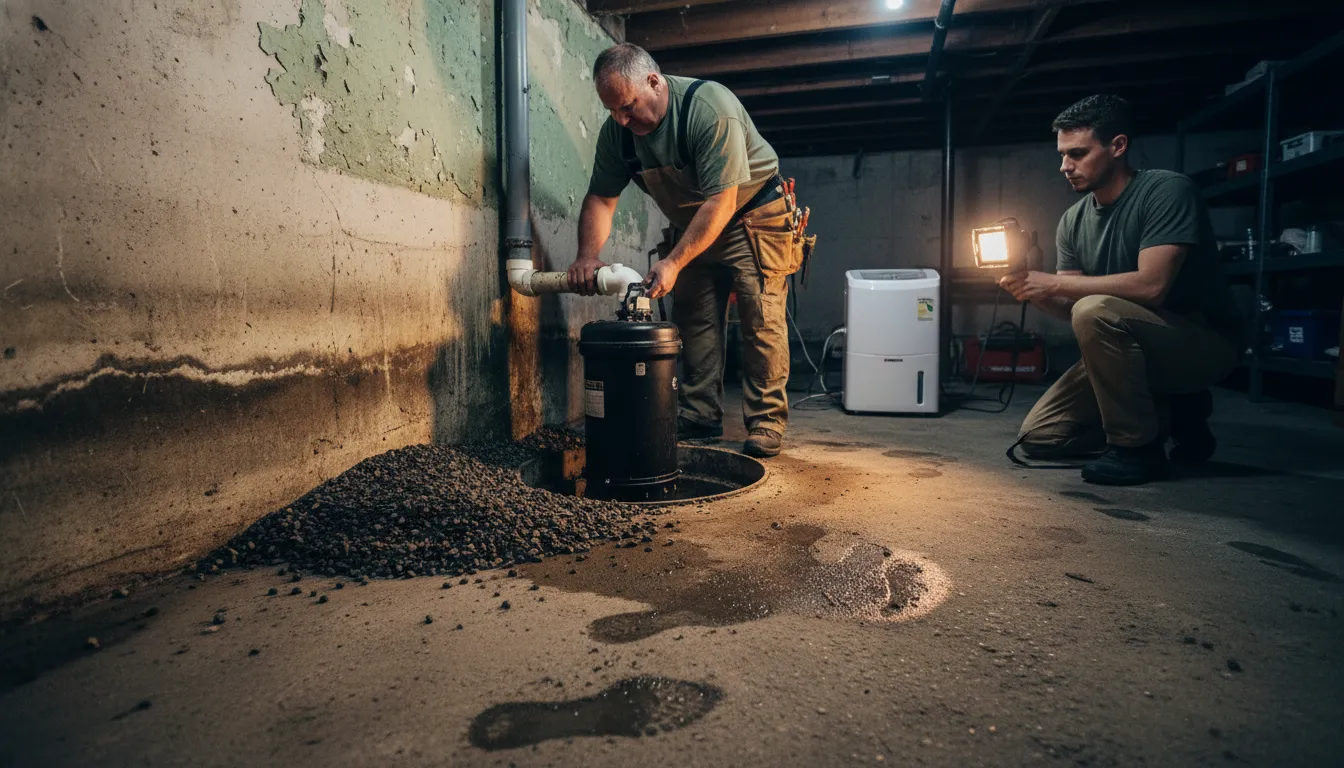
Find the Best Sump Pump Installation & Repair Companies for Your Business
No obligation • Fast responses • Nationwide coverage

Why you can trust Search a Plumber
Search a Plumber is a leading United States resource for finding and evaluating professional plumbing services. Our team researches licensing, experience, and customer feedback to create unbiased, fact-driven overviews. Companies cannot pay to change ratings or placement, ensuring homeowners get trustworthy information.
Search providers near you
Top Sump Pump Installation & Repair Companies in Providence, Rhode Island Ranked
Living in Providence means enjoying the vibrant culture and historic charm, but it also comes with the reality of managing water. The city's proximity to rivers like the Woonasquatucket and Moshassuck, combined with a high water table and heavy coastal rains, makes basements particularly vulnerable to flooding and moisture. A properly functioning sump pump system is your home's first line of defense, actively collecting and ejecting groundwater before it can cause damage. This page is designed to help you understand your options for basement water control, from simple pump fixes to comprehensive drainage solutions, and how to connect with skilled local professionals who know Rhode Island's specific codes and climate challenges.
Why Providence Homes Need Basement Water Control Systems
The need for effective water management in Providence basements isn't just about occasional puddles. The region's soil composition and climate create a persistent threat. Heavy rainfall and coastal storms can quickly saturate the ground, while the naturally high water table means groundwater is constantly pressing against your foundation. Without a way to relieve this pressure, water will find a path inside, leading to flooding, persistent dampness, mold growth, and even structural damage over time. A sump pump system acts as a mechanical safeguard, proactively collecting this water from around your foundation and pumping it safely away from your home.
Core Components of a Sump Pump System
Understanding the parts of a typical system will help you discuss your needs with a professional. It's more than just a pump in a hole.
- The Sump Pit: This is a cylindrical liner installed in a dug-out area at the lowest point of your basement, typically in a corner. It collects water that flows in from the surrounding soil or from a drainage system.
- The Pump: The heart of the system. It sits in or above the pit and activates automatically when water reaches a certain level, pumping it out through a discharge pipe that leads outside.
- Perimeter Drainage (Often Called a French Drain): While a pump alone can handle water that enters the pit, many Providence homes benefit from a more comprehensive approach. An interior perimeter drain is a trench installed along the basement's interior edge, filled with gravel and a perforated pipe that channels water from under the floor directly to the sump pit. This system tackles water at its source, preventing it from ever seeping up through the floor.
Types of Sump Pumps for Your Home
Choosing the right pump depends on your basement's size, water volume, and personal preferences.
- Submersible Sump Pumps: These units are designed to operate submerged in the water within the sump pit. They are generally quieter, more discreet, and often more powerful, making them suitable for basements with higher water volume or where living space is nearby 1 2.
- Pedestal Sump Pumps: In this style, the pump motor is mounted on a long column (pedestal) that keeps it above the water level in the pit. They are typically less expensive, easier to access for maintenance, and have a longer motor life, but they can be noisier and are better for smaller pits with lower water flow.
- Battery Backup Systems: This is a critical addition for any home in Providence. During severe storms-precisely when you need your pump the most-power outages are common. A battery backup pump kicks in when the primary pump loses power, providing essential protection until electricity is restored.
The Professional Installation Process
A proper installation by a licensed local contractor ensures your system works reliably and complies with Providence codes. The process generally involves:
- Assessment & Planning: A technician will inspect your basement, identify water entry points, and check the local water table. They will determine the optimal location for the sump pit and discuss if perimeter drains are recommended.
- Excavation & Pit Installation: Concrete is broken to excavate the area for the sump pit liner. The liner is placed and secured.
- Pump & Plumbing Setup: The pump is placed in the pit and connected to a dedicated electrical circuit. A discharge pipe is run from the pump, through the basement wall, and extended to drain water at least 10-20 feet away from your foundation.
- Drainage Integration (If Applicable): If an interior French drain is part of the system, a trench is cut along the perimeter, the drain pipe and gravel are installed, and it is sloped to feed into the sump pit. New concrete is then poured to cover the trench.
- Testing & Permitting: The system is tested for automatic operation. Reputable contractors will handle pulling the necessary permits from the Providence Department of Inspection and Standards to ensure the work is up to code 3.
Find the perfect sump pump installation & repair companies for your needs
Get personalized recommendations and expert advice
Recognizing When You Need Repair or Replacement
Even the best systems require maintenance and can fail. Don't wait for a flood to check your pump.
- Frequent Cycling: The pump turns on and off too often, which can burn out the motor.
- Unusual Noises: Grinding, rattling, or screeching sounds often indicate a worn impeller or bearing.
- Visible Rust or Corrosion: This can signal an aging pump or a problem with the pit liner.
- Continuous Running: If the pump runs non-stop during a storm, it may be undersized for the water volume or there could be a switch failure.
- No Operation During Rain: This is the most obvious sign of failure. Check the power source first, but if it's plugged in and the float switch isn't stuck, the pump likely needs professional attention 4.
Common repairs include replacing a faulty float switch, clearing a clogged impeller, or fixing a stuck check valve. Often, a timely repair is significantly less expensive than dealing with water damage or a full system replacement.
Understanding Investment and Value
The cost of sump pump services in Providence varies widely based on the scope of work, the type of equipment, and the complexity of your basement.
- Basic Pump Installation: Installing a new primary sump pump (pump and pit) typically ranges from $1,000 to $4,000, with factors like pump type (submersible vs. pedestal) and excavation difficulty influencing the final price 5 6 7.
- Comprehensive Water Management System: For a complete solution including an interior perimeter drain (French drain) that channels water to a new sump pump, homeowners might invest $4,000 to $17,000 or more. This higher cost reflects the extensive labor of cutting concrete, installing drainage, and repouring floors, but it offers the most robust protection 8 9 10.
- Repair Costs: Repairing an existing pump, such as replacing an impeller or float switch, is generally much more affordable, often costing a few hundred dollars, while replacing a failed pump is less than the cost of a brand-new installation.
Always get detailed, written estimates from a few licensed local professionals. The right system protects your home's foundation, prevents mold, and safeguards your belongings, offering significant long-term value and peace of mind.
Choosing a Local Providence Professional
Given the importance of proper installation and local code compliance, selecting the right contractor is crucial. Look for a company with specific experience in basement waterproofing and sump systems in Rhode Island. They should be licensed, insured, and willing to provide references. A trustworthy pro will conduct a thorough inspection, explain all your options without pressure, obtain the required city permits, and offer a warranty on both parts and labor 11 12 13.
Frequently asked questions
Sources
Footnotes
-
How Much Does Sump Pump Installation Cost? 5 Factors - https://freedomplumbingmidwest.com/sump-pump-installation-cost/ ↩
-
Sump Pumps - Pioneer Basement - https://pioneerbasement.com/basement-waterproofing/sump-pumps-for-basements/ ↩
-
Sump Pump Installation & Repair: Rhode Island Basement - https://www.rockhouseconstruction.com/sump-pump-installation-repair-rhode-island-basement ↩
-
East Providence, RI, Sump Pump Installation and Repair ... - https://stonelinkplumbing.com/plumbing/sump-pumps/ ↩
-
Sump Pump Installation Cost Guide | 2025 Prices & Factors - Modernize - https://modernize.com/foundations/basement-waterproofing/sump-pump-installation-cost ↩
-
Sump Pump Installation Costs in East Providence, RI in 2025 - Manta - https://www.manta.com/cost-sump-pump-installation-east-providence-ri ↩
-
Cost to install a sump pump in Providence, RI - https://www.handoff.ai/construction-costs/install-a-sump-pump/providence-ri ↩
-
Sump Pump Systems Installed in Worcester, Providence ... - https://www.dryzonebasementsystems.com/basement-waterproofing/products/sump-pump.html ↩
-
Sump Pump Installation Services and Repair in MA, RI, NH, CT - https://www.a1foundationcrackrepair.com/sump-pump ↩
-
French Drain Installation Rhode Island: Basement Drainage - https://www.rockhouseconstruction.com/french-drain-installation-rhode-island-basement-drainage ↩
-
Basement Waterproofing in Providence, RI - Groundworks - https://www.groundworks.com/service-areas/basement-waterproofing-providence-ri/ ↩
-
Pump Repair & Replacement in Providence | ZOOM DRAIN® - https://www.zoomdrain.com/rhode-island/drain-and-sewer-services/pump-repair-and-replacement/ ↩
-
Sump Pump Installation Services in RI & MA - GEM Plumbing - https://askgem.com/plumbing/sump-pumps/installation/ ↩