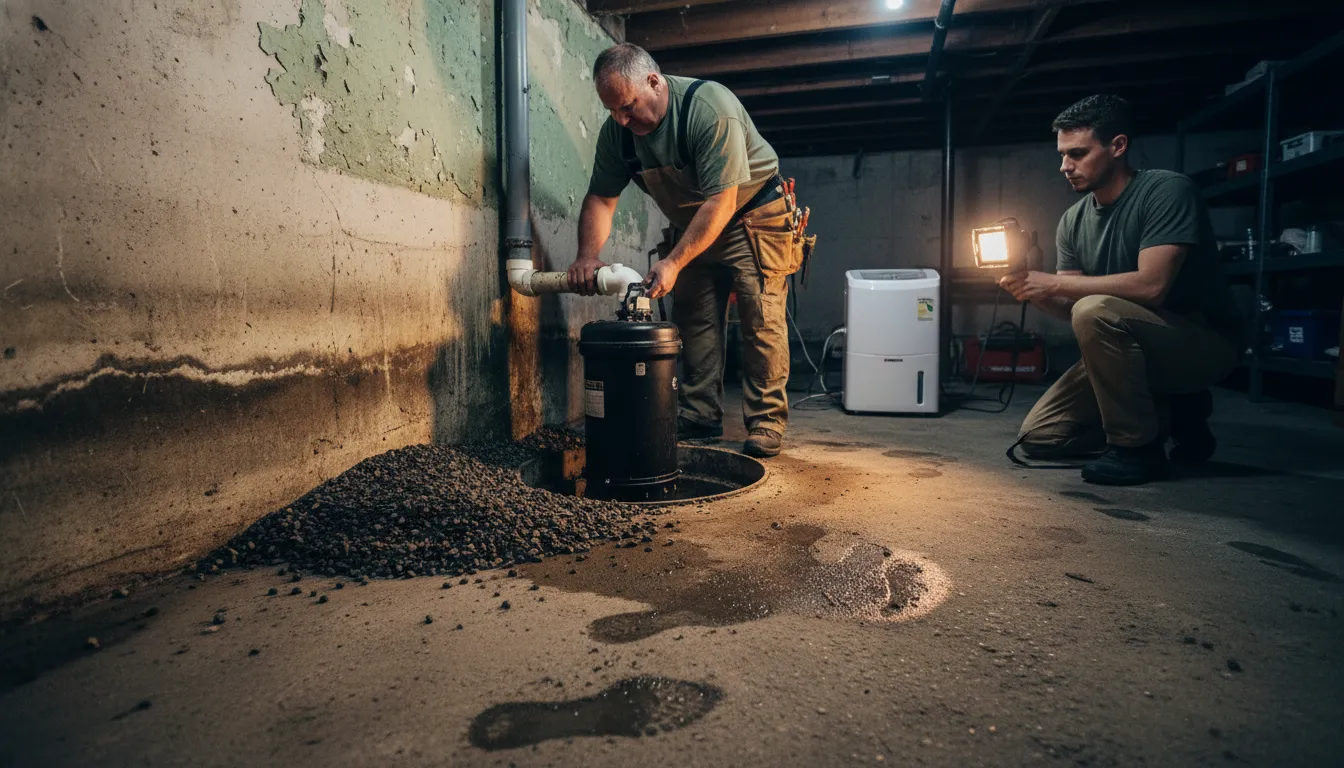
Find the Best Sump Pump Installation & Repair Companies for Your Business
No obligation • Fast responses • Nationwide coverage

Why you can trust Search a Plumber
Search a Plumber is a leading United States resource for finding and evaluating professional plumbing services. Our team researches licensing, experience, and customer feedback to create unbiased, fact-driven overviews. Companies cannot pay to change ratings or placement, ensuring homeowners get trustworthy information.
Search providers near you
Top Sump Pump Installation & Repair Companies in Trenton, New Jersey Ranked
A sump pump is a critical defense system for your basement, actively removing water that accumulates in a sump pit to prevent flooding and water damage. In Trenton, where heavy seasonal rains and clay-heavy soils can lead to significant basement water issues, having a properly functioning sump pump system is not just an upgrade-it's often a necessity for home integrity. This guide will help you understand the local factors that make these systems essential, the different types available, and how to find qualified professionals for installation, maintenance, and repair.
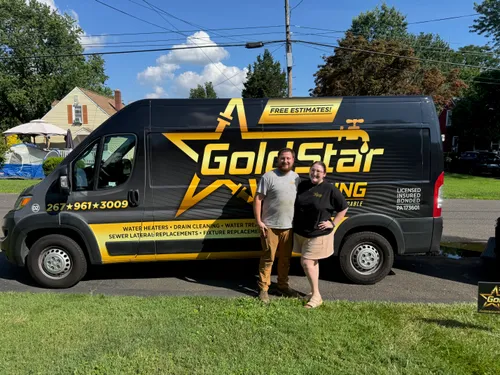
Gold Star Plumbing, LLC
Philadelphia, PA
Gold Star Plumbing, LLC is a family-owned plumbing company serving Philadelphia, PA, and the surrounding Bucks and Montgomery Counties. They provide a wide range of residential plumbing services including water heater installation and repair, drain cleaning, sewer line repair, leak detection, sump pump repair, and bathroom remodeling. The team is experienced in handling mid-century plumbing upgrades and modern fixture installations with attention to local codes and seasonal needs. With over 300 families served near York Road, Jacksonville Road, and Pennypack Creek, Gold Star Plumbing emphasizes transparent pricing, clean workmanship, and respectful scheduling to minimize disruption during projects.
All Drains Drain Cleaning LLC
Philadelphia, PA
All Drains Drain Cleaning LLC is a plumbing service provider based near Philadelphia, PA, serving Philadelphia, Bucks, and Montgomery counties. They offer a range of plumbing services including water heater repair and installation, sump pump repair, and drain cleaning. The company is licensed and insured, with experience handling both residential and commercial plumbing needs. They provide 24/7 emergency plumbing services to address urgent plumbing problems promptly.
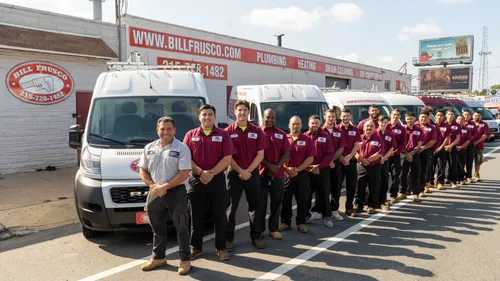
Bill Frusco Plumbing Heating and Air Conditioning
513 Horsham Rd, Horsham, PA 19044
Bill Frusco Plumbing Heating and Air Conditioning is a family-owned business serving Philadelphia, PA, and surrounding counties since 1967. They offer a wide range of plumbing, heating, and cooling services including sewer and drain cleaning, water heater installation, sump pump repair, gas line installation, and leak detection. The company is a Master Licensed Plumber and provides 24/7 emergency plumbing and HVAC services to both residential and commercial customers. Their expertise includes sewer line repair and water restoration services, supported by over 50 years of experience in the industry.
Zoom Drain
Philadelphia, PA
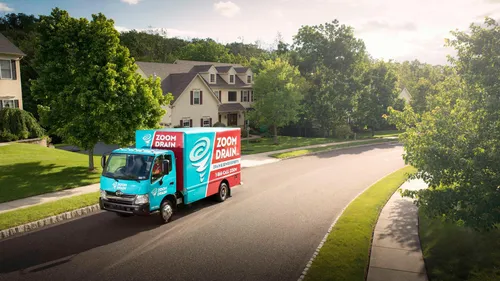
Zoom Drain is a plumbing service provider based in Philadelphia, PA, specializing in residential and commercial drain and sewer solutions. They offer a range of services including drain cleaning, sewer line inspection and repair, sump pump repair, and hydro jetting. Using advanced technologies such as video camera inspections and trenchless sewer repair, Zoom Drain aims to minimize property disruption while effectively addressing plumbing issues. Their expertise includes environmentally conscious hydro jetting and no-dig sewer line repairs, which help preserve property aesthetics and plumbing integrity. The company serves Philadelphia and surrounding areas and provides 24/7 emergency services to handle urgent plumbing problems.
Zoom Drain
500 Davis Dr # 200, Plymouth Meeting, PA 19462
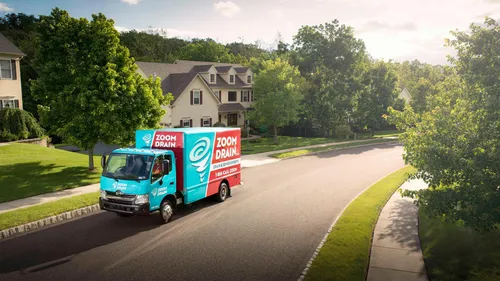
Zoom Drain provides comprehensive drain and sewer services in Philadelphia, PA, specializing in residential and commercial plumbing solutions. Their offerings include sewer camera inspections, sump pump repairs, drain cleaning, sewer line repairs, trenchless sewer repairs, and toilet repairs. Using advanced tools and techniques, they deliver precise diagnostics and effective repairs while adhering to local plumbing regulations. Zoom Drain also offers preventative maintenance plans to help extend the lifespan of plumbing systems and minimize unexpected issues. They serve the Philadelphia area with a focus on minimizing property disruption through trenchless repair methods and maintaining compliance with county regulations.
Why Trenton Homes Need Sump Pumps
The risk of basement flooding in Trenton is influenced by a combination of local geology and climate. The area's prevalent clay and shale soils are a primary culprit 1. Unlike sandy soil that allows water to percolate down quickly, clay is dense and slows the runoff of rainwater and snowmelt. This causes water to pool around your home's foundation, creating sustained hydrostatic pressure2. Over time, this pressure forces moisture through even hairline cracks in your basement walls or floor joints, leading to dampness, mold, and ultimately, flooding.
Compounding this is the region's high water table, especially during the spring thaw and after heavy downpours. When the ground is saturated, water has nowhere else to go but toward the lowest point-your basement. A sump pump system is engineered to combat these exact conditions by collecting this intruding water and ejecting it away from your home's foundation, protecting your property's structure and your indoor air quality.
Core Components of a Sump Pump System
A complete basement water management solution involves more than just the pump itself. Understanding the key parts will help you discuss options with a specialist.
- The Sump Pit: This is a hole (typically 18-24 inches in diameter and 24-36 inches deep) excavated in the lowest part of your basement floor. It acts as a collection point for groundwater.
- The Pump: The workhorse of the system. There are two main types:
- Submersible Pumps: These sit entirely within the sump pit, submerged in water. They are generally quieter, more discreet, and better at handling small debris that may wash into the pit3.
- Pedestal Pumps: The pump's motor is mounted on a long pedestal above the pit, with only the intake pipe extending down. They are often less expensive and easier to access for quick maintenance, but can be noisier.
- Perimeter Drainage (French Drains): For comprehensive protection, the sump pit is often connected to a perimeter drain system. These are pipes installed around the interior edge of your basement footing, which capture water seeping in through the wall-floor joint and channel it directly into the sump pit4 5. This is crucial for managing the hydrostatic pressure from Trenton's clay soils.
- Discharge Line: This pipe carries the water pumped from the pit to a designated drainage area well away from your home's foundation, such as a storm drain or dry well.
- Battery Backup System: Perhaps the most critical add-on. Power outages frequently occur during the severe storms that cause flooding. A battery backup ensures your pump continues to operate, providing peace of mind when you need it most6.
Professional Installation: What to Expect
Proper installation is not a DIY project for most homeowners. It requires knowledge of local building codes, correct sizing, and often, concrete excavation. A professional installation typically follows these steps:
- Assessment & Planning: A technician will evaluate your basement's flooding history, identify the best location for the pit, and recommend a pump with adequate horsepower (HP) for your home's size and water volume.
- Excavation: Using a jackhammer, a hole is created in the basement floor for the sump pit liner.
- Pit & Pump Placement: The liner is set, and the pump is installed inside. If a perimeter drain is being added, this involves channeling around the basement's perimeter and connecting it to the pit.
- Discharge & Electrical Work: The discharge line is run and secured, ensuring it pitches correctly for drainage and includes a check valve to prevent backflow. The pump is connected to a dedicated GFCI outlet.
- Backup System Integration: If included, the battery backup unit is installed and connected.
- Testing & Cleanup: The system is tested by pouring water into the pit to trigger the pump. The area is then cleaned up, and the homeowner is instructed on basic operation and maintenance.
Find the perfect sump pump installation & repair companies for your needs
Get personalized recommendations and expert advice
Recognizing When You Need Repair
Even the best systems require attention. Ignoring signs of failure can lead to a flooded basement. Contact a professional for sump pump service if you notice:
- Unusual Noises: Grinding, rattling, or loud humming sounds often indicate a worn bearing, a stuck impeller, or a damaged motor.
- Constant Running: If the pump runs continuously during dry weather or cycles on and off every few minutes, it could be improperly sized, have a stuck switch, or be overwhelmed by a high water inflow that suggests a larger drainage issue.
- Failure to Activate: This is the most obvious red flag. The cause could be a faulty float switch (the component that tells the pump to turn on), a tripped circuit breaker, or a burned-out motor.
- Visible Rust or Corrosion: This can weaken the pump housing and internal components, leading to premature failure.
- Water Pooling in the Basement: If you see water around the pit or elsewhere in the basement while the pump is seemingly operational, the pump may be clogged, the discharge line may be frozen or blocked, or the pump may be undersized for the water volume.
Cost Considerations for Trenton Homeowners
Investing in a sump pump system is an investment in protecting your home's value. Costs in the Trenton area can vary based on the scope of work7 8.
- Basic Sump Pump Installation: Installing a new pump in an existing pit typically ranges from $900 to $1,500. This includes the pump unit, labor, and basic electrical connections.
- Complete System Installation: A full installation involving excavating a new pit, installing a perimeter drainage system, a primary pump, a battery backup, and all necessary plumbing can range from $2,000 to $3,500 or more9 10. The complexity of excavating Trenton's hard clay soil and concrete can affect this price.
- Repair Costs: Common repairs like replacing a float switch or check valve may cost $150-$300, while replacing the entire pump unit typically falls between $500 and $1,000, including labor11 12.
- Factors Influencing Price: Key factors include the pump type and horsepower, the need for concrete excavation, the inclusion of a battery backup or water alarm, the basement's finish level (working in a finished basement is more complex), and the integration with exterior drainage solutions.
Choosing the Right Local Professional
Given the importance of the system, selecting the right contractor is vital. Look for a licensed, insured plumber or basement waterproofing specialist with specific experience in sump pumps. They should conduct a thorough inspection of your basement, explain your options clearly (including the pros and cons of submersible vs. pedestal pumps and the value of a perimeter drain), provide a detailed written estimate, and offer a warranty on both parts and labor. A reputable professional will focus on creating a long-term solution tailored to Trenton's specific drainage challenges, not just selling you a pump.
Frequently asked questions
Sources
Footnotes
-
Install a Sump Pump: A Step-by-Step Guide - https://www.effectivewaterproofing.com/how-to-install-a-sump-pump-step-by-step-guide/ ↩
-
Sump Pump Installation in New Jersey - Woolley Home Solutions - https://woolleyfuel.com/plumbing/sump-pump/ ↩
-
Residential Sump Pump Drainage - New Jersey Irrigation - https://newjerseyirrigationservices.com/residential-services/drainage-system-services/sump-pump-drainage/ ↩
-
Sump Pump Installation in New Jersey - Quality 1st Basement Systems - https://www.quality1stbasementsystems.com/basement-waterproofing/products/sump-pumps/sump-pump-installation.html ↩
-
Sump Pump Repair & Installation in NJ | Guaranteed Service - https://www.guaranteedservice.com/plumber/sump-pump-repair-install ↩
-
How Much Does Sump Pump Installation Cost? 5 Factors - https://freedomplumbingmidwest.com/sump-pump-installation-cost/ ↩
-
The 10 Best Sump Pump Installers in Trenton, NJ (2025) - HomeGuide - https://homeguide.com/nj/trenton/sump-pump-installation/ ↩
-
Cost to install a sump pump in Trenton, NJ - https://www.handoff.ai/construction-costs/install-a-sump-pump/trenton-nj ↩
-
How Much Does a Sump Pump Cost: A Clear Breakdown of Prices and ... - https://harrisplumbing.ca/Blog/blogpost/12be9385-8928-4051-a0e8-08ddd67fa1f3 ↩
-
Sump Pump Solutions | Sump Basement Protection | U.S. Waterproofing Company - https://www.uswaterproofing.com/services/sump-pumps ↩
-
Sump Pump Installation in Central & Northern New Jersey - https://www.healthywaynj.com/sump-pumps ↩
-
Sump Pump Repair And Installation In Northern NJ | Call Now - https://russobrosplumbing.com/sump-pumps/ ↩