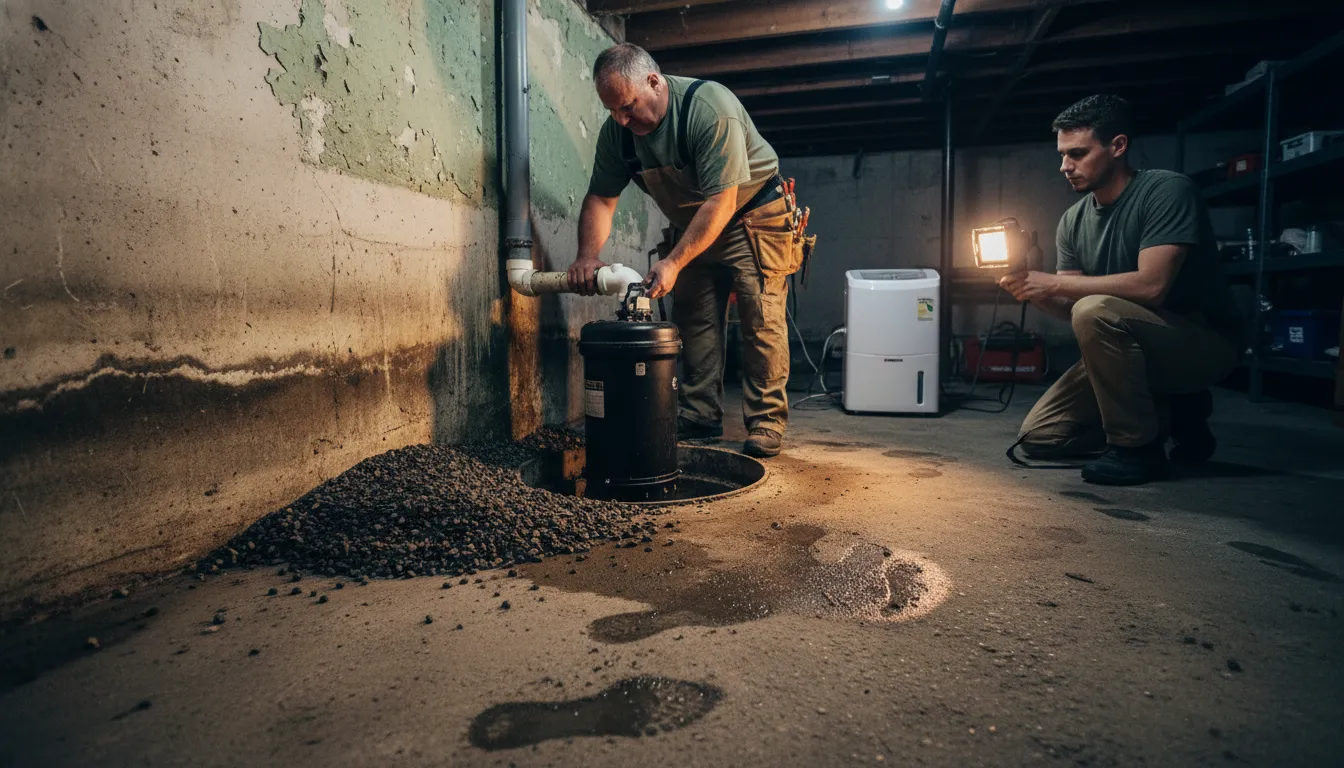
Find the Best Sump Pump Installation & Repair Companies for Your Business
No obligation • Fast responses • Nationwide coverage

Why you can trust Search a Plumber
Search a Plumber is a leading United States resource for finding and evaluating professional plumbing services. Our team researches licensing, experience, and customer feedback to create unbiased, fact-driven overviews. Companies cannot pay to change ratings or placement, ensuring homeowners get trustworthy information.
Search providers near you
Top Sump Pump Installation & Repair Companies in Hoboken, New Jersey Ranked
Living in Hoboken means enjoying vibrant city life along the Hudson River, but the coastal location also brings unique challenges for your home's foundation. A properly functioning sump pump system is a critical line of defense against basement flooding, water damage, and costly mold remediation. This guide explains everything you need to know about sump pump services in Hoboken, from how these systems protect your property to how you can find qualified local professionals for installation, maintenance, and repair.
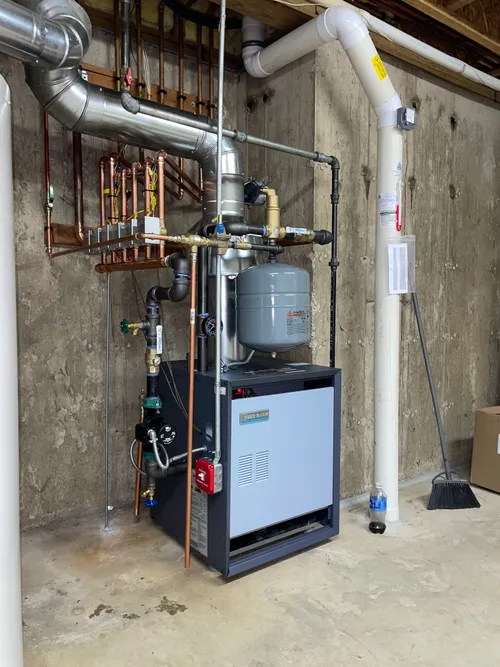
Angler Plumbing, Heating & Drain Cleaning LLC
598 Hickory Ave, Saddle Brook, NJ 07663
Angler Plumbing, Heating & Drain Cleaning LLC is a family- and veteran-owned business serving New York, NY, and Bergen County, NJ. They provide a wide range of plumbing, heating, and drain services including water heater installation and repair, sump pump maintenance, gas line installation, and drain cleaning. Their licensed master plumber offers a one-year warranty on parts, labor, and materials, and the company is known for its safety-first approach and fully stocked trucks. With over 22 years of experience, Angler Plumbing also offers emergency services with weekend and evening appointments available upon request.
Drainage Master LLC
Newark, NJ
Drainage Master LLC is a plumbing company serving Newark, NJ, and surrounding counties in North New Jersey. They offer a wide range of plumbing services including water heater repair and installation, tankless water heater services, sump pump repair, drain cleaning, and leak detection. The company has over 20 years of experience and provides 24/7 emergency plumbing services. Their team is fully licensed and equipped to handle both residential and commercial plumbing needs with a focus on transparent pricing and guaranteed workmanship.
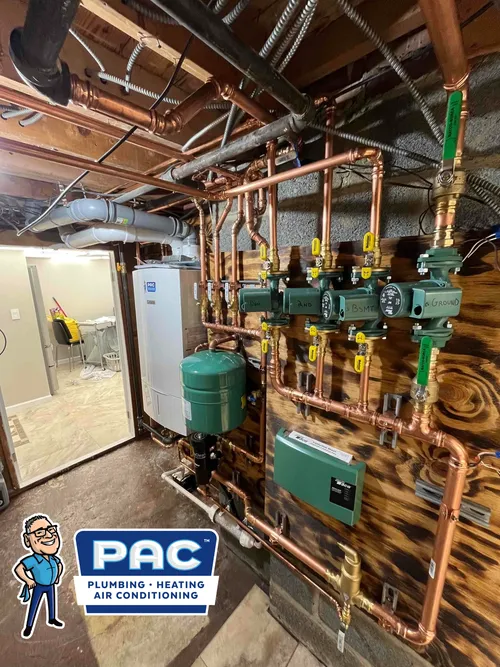
P.A.C. Plumbing, Heating, & A/C
545 Port Richmond Ave, Staten Island, NY 10302
P.A.C. Plumbing, Heating, & A/C is a full-service plumbing and HVAC company serving New York, NY, and parts of New Jersey. They provide a range of services including water heater repair, sump pump repair, and drain cleaning. The company is known for offering accurate diagnoses and multiple service options tailored to customer needs and budgets. They also provide maintenance plans to support long-term system performance. P.A.C. Plumbing, Heating, & A/C has been recognized regionally and offers fast response times with technicians located throughout Staten Island.
Zoom Drain
152 Stevens Ave, Jersey City, NJ 07305
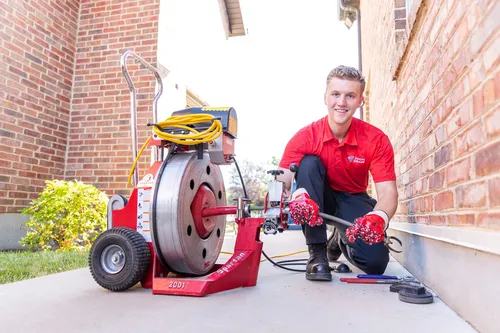
Zoom Drain is a plumbing service provider specializing in sewer and drain cleaning in New York, NY. They serve both residential and commercial customers, offering services such as sewer camera inspections, sump pump repairs, toilet repairs, and hydro jetting. The company uses advanced equipment like PowerSnake and video inspection tools to diagnose and clear blockages efficiently. Zoom Drain also addresses root intrusions and tough clogs with specialized treatments. Their team is experienced in handling a wide range of drain issues, from small homes to large commercial properties, ensuring effective solutions without unnecessary damage.
Arrow Sewer and Drain
165 Union Ave, Middlesex, NJ 08846
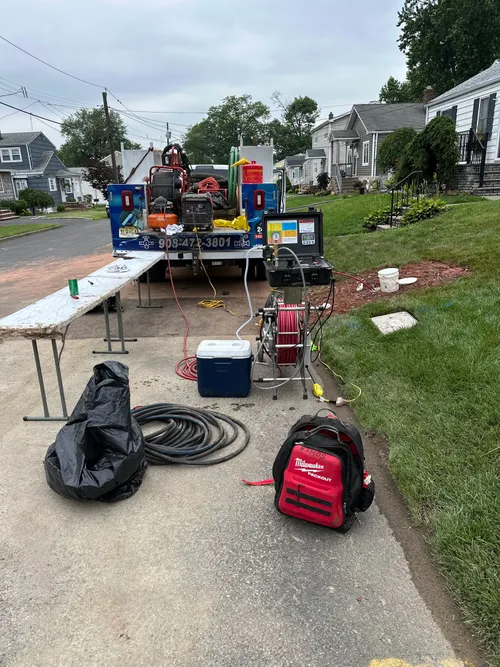
Arrow Sewer and Drain provides comprehensive plumbing and sewer services in New York, NY, with a focus on trenchless sewer repair, hydro jet drain cleaning, and emergency plumbing. Serving both residential and commercial clients, the company uses advanced technology such as sewer scopes, cured-in-place pipe (CIPP), and hydro excavation to deliver efficient, non-invasive repairs. With over 15 years of experience, Arrow Sewer and Drain offers 24/7 emergency plumbing services to address urgent issues at any time.
Why Hoboken Homes Need Robust Sump Pump Systems
Hoboken's geography makes it particularly susceptible to water intrusion. Situated on the Hudson River estuary, the area experiences a high water table, tidal influences, and the potential for storm surge during severe weather events like nor'easters and hurricanes1. Heavy rainfall can quickly overwhelm the natural drainage of the dense urban landscape. Without an effective water management system, this water seeks the path of least resistance-often into your basement or crawl space.
Water collects around your home's foundation from multiple sources: direct rainfall, melting snow, and naturally occurring groundwater. A sump pump system is designed to actively collect this water and eject it away from your property, safeguarding your home's structural integrity and preventing the growth of harmful mold and mildew. For Hoboken residents, investing in a reliable sump pump isn't just an upgrade; it's often a necessity for preserving property value and ensuring a dry, healthy living environment.
Core Components of a Sump Pump System
Understanding the key parts of a basement waterproofing system helps you make informed decisions. A typical setup involves several integrated components:
- Sump Pit (or Basin): This is a hole dug in the lowest part of your basement or crawl space, typically lined with a durable plastic or concrete basin. It acts as a collection point for incoming water.
- The Pump: The heart of the system. When water in the pit reaches a certain level, a float switch activates the pump. There are two primary types:
- Submersible Pump: The pump and motor are sealed in a waterproof casing and sit submerged in the pit. These are generally quieter, more discreet, and better suited for handling heavier water volumes, but they come at a higher initial cost2.
- Pedestal Pump: The motor is mounted on a pedestal above the pit, with only the intake pipe extending down into the water. They are easier and less expensive to service but tend to be louder during operation3.
- Discharge Pipe: This pipe carries the pumped water from your basement to a designated drainage area outside, well away from your home's foundation.
- Perimeter Drainage (French Drain): Many effective systems include a perimeter drain, a perforated pipe installed around the interior or exterior foundation footers. This drain captures water seeping through walls or floor joints and channels it directly into the sump pit4.
- Battery Backup System: Perhaps the most crucial addition for storm-prone areas. A battery backup sump pump provides power to the pump during electrical outages, which often coincide with heavy storms. This critical layer of security adds to the overall cost but is highly recommended for Hoboken homes.
Professional Installation: What to Expect
Proper installation is not a DIY project for most homeowners. It requires knowledge of local building codes, plumbing, electrical work, and sometimes concrete work. A professional installation by a qualified technician typically follows these steps:
- Assessment and Planning: A technician will evaluate your basement, identify water entry points, and determine the best location for the sump pit and drainage path.
- Excavation: The sump pit is dug, which may require breaking through the concrete basement floor. For systems with interior perimeter drains, a channel may be jackhammered around the basement's perimeter5.
- System Installation: The basin is placed, and the pump is installed. Discharge piping is routed and secured, ensuring it directs water to an appropriate outdoor location. If included, perimeter drain pipes are laid in the excavated channel and connected to the pit.
- Electrical Connection: The pump is wired to a dedicated GFCI outlet, and the float switch is tested. If a battery backup is installed, it will be connected and configured.
- Testing and Backfill: The system is tested by pouring water into the pit to activate the pump. Once confirmed operational, excavated areas are backfilled and sealed.
The complexity of the job-such as the need for extensive perimeter drainage, the soil type affecting excavation, or the installation of a backup system-directly impacts the total time and cost6 7.
Find the perfect sump pump installation & repair companies for your needs
Get personalized recommendations and expert advice
Understanding Sump Pump Repair and Maintenance
Even the best systems require attention. The average sump pump lasts about 10 years, but components can fail sooner due to sediment buildup, switch problems, or power issues8. Common signs you need sump pump repair include:
- Unusual noises (grinding, rattling)
- Constant running or cycling on and off
- Failure to activate when water is present
- Visible rust or corrosion
- Water not being discharged from the pipe
Regular maintenance, often performed by a professional, can prevent failures. This includes cleaning the pit of debris, testing the float switch, checking the discharge line for clogs or freezing, and inspecting the backup battery. Prompt repair is essential; a malfunctioning pump during a storm can lead to thousands of dollars in water damage and mold remediation costs9.
Cost Considerations for Hoboken Homeowners
Investing in a sump pump system involves several cost factors. It's important to view this as an investment in your property's protection.
- New System Installation: For a complete new installation in Hoboken, including the pump, pit, discharge plumbing, and basic labor, homeowners can expect a range from $600 to over $2,000. The final price depends heavily on the pump type (submersible models are generally more expensive than pedestal), the need for perimeter drainage, and the complexity of the excavation and electrical work.
- Pump-Only Replacement: Simply replacing an existing pump unit is less labor-intensive. The cost here is driven by the pump itself (submersible units range from $100-$400, pedestal from $60-$170) plus labor, which typically runs $45 to $200+ per hour10 11.
- Battery Backup Addition: Adding a battery backup system is a significant but wise added expense, often costing several hundred to over a thousand dollars more, depending on the battery's capacity and the complexity of the installation12.
- Repair Costs: Repair costs are variable, based on the faulty component (e.g., switch, impeller, check valve) and the service call fee. Addressing repairs early is almost always less expensive than dealing with a full system failure or flood damage.
Always seek detailed, written estimates from licensed and insured professionals who specialize in basement waterproofing and sump systems in Northern New Jersey.
Choosing the Right Service Provider in Hoboken
When your home's dryness is at stake, choosing the right technician is crucial. Look for providers with:
- Local Experience: Familiarity with Hoboken's specific soil conditions, water table, and building styles.
- Proper Licensing & Insurance: Essential for protecting yourself and your property.
- Specialization: Companies that focus on drainage, waterproofing, and sump systems, not just general plumbing.
- Transparent Pricing & Warranties: Clear, upfront estimates and strong warranties on both parts and labor.
- Positive Reviews: Check verified customer feedback on their service, responsiveness, and work quality.
A professional assessment will determine the best solution for your home, whether it's a simple pump replacement, a full system with interior drainage, or the integration of a critical battery backup.
Frequently asked questions
Sources
Footnotes
-
Sump Pump Installation in New Jersey - https://www.quality1stbasementsystems.com/basement-waterproofing/products/sump-pumps/sump-pump-installation.html ↩
-
Residential Sump Pump Drainage - New Jersey Irrigation - https://newjerseyirrigationservices.com/residential-services/drainage-system-services/sump-pump-drainage/ ↩
-
How Much Does Sump Pump Installation Cost? 5 Factors - https://freedomplumbingmidwest.com/sump-pump-installation-cost/ ↩
-
Call Our Top-Rated Sump Pump Installation Service in Hoboken, NJ - https://www.hobokennjplumbing.com/sump-pump-installation ↩
-
Sump Pump Installation NJ & Philadelphia - Affordable Waterproofing - https://www.affordablewaterproofingllc.com/services/sump-pumps/ ↩
-
Sump Pump Repair and Installation South Jersey | HomeServe - https://www.homeservesj.com/plumbing/sump-pumps/ ↩
-
How Much Does French Drain Installation Really Cost? - https://www.effectivewaterproofing.com/how-much-does-french-drain-installation-really-cost/ ↩
-
Sump Pump Repair And Installation In Northern NJ | Call Now - https://russobrosplumbing.com/sump-pumps/ ↩
-
Hoboken, NJ: Sump Pump Repair Service - https://www.scaldinobasementsolutions.com/locations/hoboken-nj-premier-sump-pump-repair ↩
-
The Cost to Install a Sump Pump - The Basic Basement Co. - https://donefor9999.com/the-cost-to-install-a-sump-pump/ ↩
-
How Much Does a Sump Pump Cost: A Clear Breakdown of Prices and ... - https://harrisplumbing.ca/Blog/blogpost/12be9385-8928-4051-a0e8-08ddd67fa1f3 ↩
-
How Much Does a Sump Pump Battery Backup Cost? [2025 Data] - https://www.angi.com/articles/sump-pump-battery-backup-cost.htm ↩