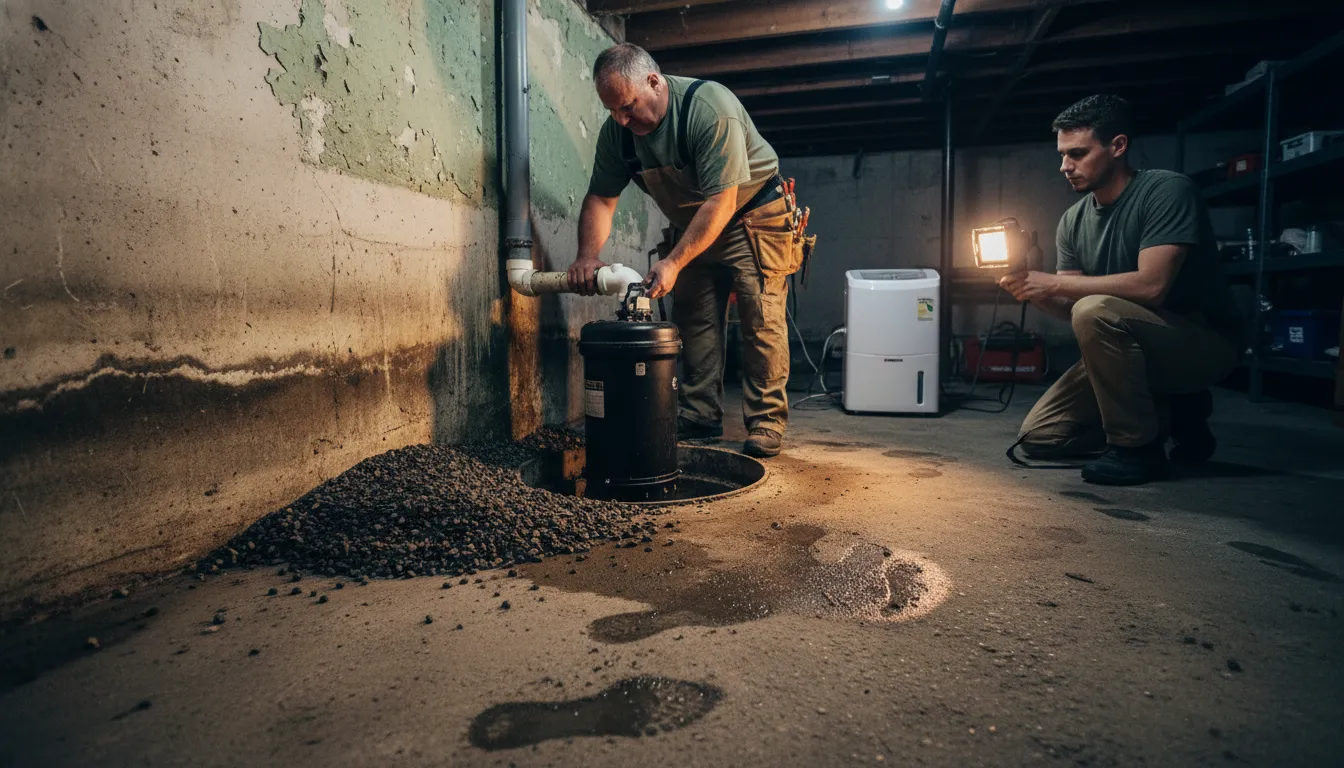
Find the Best Sump Pump Installation & Repair Companies for Your Business
No obligation • Fast responses • Nationwide coverage

Why you can trust Search a Plumber
Search a Plumber is a leading United States resource for finding and evaluating professional plumbing services. Our team researches licensing, experience, and customer feedback to create unbiased, fact-driven overviews. Companies cannot pay to change ratings or placement, ensuring homeowners get trustworthy information.
Search providers near you
Top Sump Pump Installation & Repair Companies in Edison, New Jersey Ranked
For homeowners in Edison, a reliable sump pump system is a critical line of defense against basement flooding and water damage. New Jersey's climate, with its frequent heavy rains, snowmelt, and high water tables, makes properties particularly vulnerable to groundwater intrusion. A properly installed and maintained sump pump actively removes water that collects around your foundation, protecting your home's structural integrity, preventing mold growth, and safeguarding your belongings. This guide will help you understand the types of systems available, what to expect from installation and repair, and how to connect with qualified local professionals who can assess your specific needs.
Drainage Master LLC
Newark, NJ
Drainage Master LLC is a plumbing company serving Newark, NJ, and surrounding counties in North New Jersey. They offer a wide range of plumbing services including water heater repair and installation, tankless water heater services, sump pump repair, drain cleaning, and leak detection. The company has over 20 years of experience and provides 24/7 emergency plumbing services. Their team is fully licensed and equipped to handle both residential and commercial plumbing needs with a focus on transparent pricing and guaranteed workmanship.
P.A.C. Plumbing, Heating, & A/C
545 Port Richmond Ave, Staten Island, NY 10302
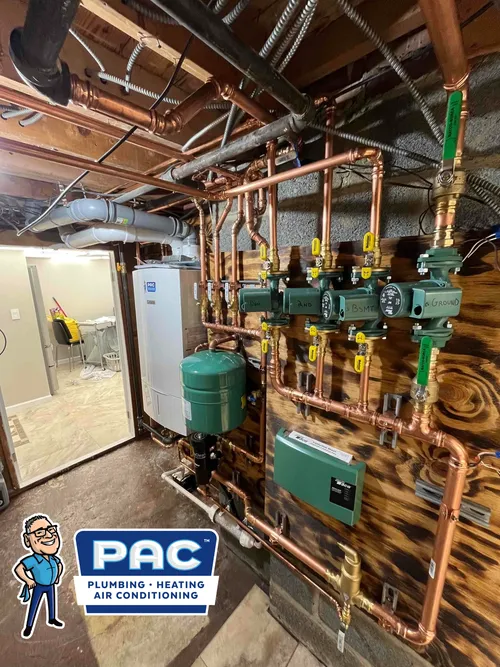
P.A.C. Plumbing, Heating, & A/C is a full-service plumbing and HVAC company serving New York, NY, and parts of New Jersey. They provide a range of services including water heater repair, sump pump repair, and drain cleaning. The company is known for offering accurate diagnoses and multiple service options tailored to customer needs and budgets. They also provide maintenance plans to support long-term system performance. P.A.C. Plumbing, Heating, & A/C has been recognized regionally and offers fast response times with technicians located throughout Staten Island.
Zoom Drain
152 Stevens Ave, Jersey City, NJ 07305
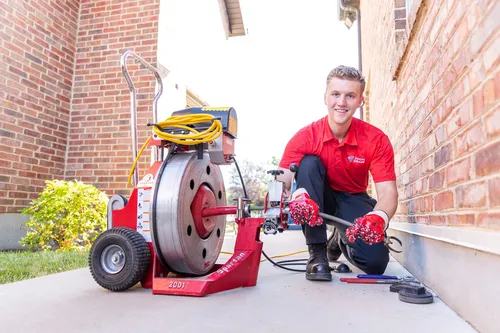
Zoom Drain is a plumbing service provider specializing in sewer and drain cleaning in New York, NY. They serve both residential and commercial customers, offering services such as sewer camera inspections, sump pump repairs, toilet repairs, and hydro jetting. The company uses advanced equipment like PowerSnake and video inspection tools to diagnose and clear blockages efficiently. Zoom Drain also addresses root intrusions and tough clogs with specialized treatments. Their team is experienced in handling a wide range of drain issues, from small homes to large commercial properties, ensuring effective solutions without unnecessary damage.
Arrow Sewer and Drain
165 Union Ave, Middlesex, NJ 08846
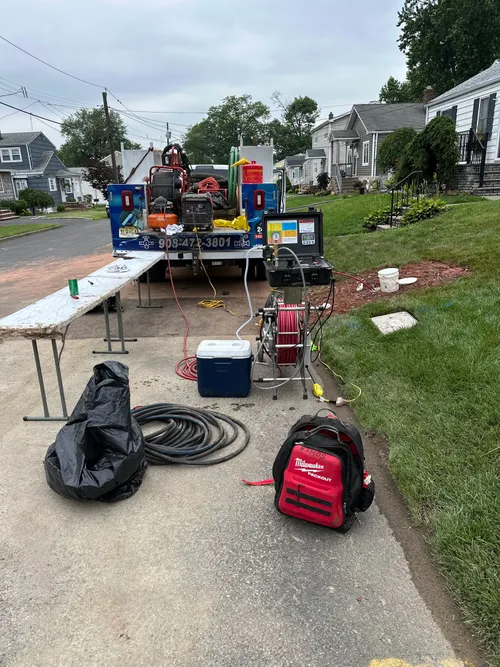
Arrow Sewer and Drain provides comprehensive plumbing and sewer services in New York, NY, with a focus on trenchless sewer repair, hydro jet drain cleaning, and emergency plumbing. Serving both residential and commercial clients, the company uses advanced technology such as sewer scopes, cured-in-place pipe (CIPP), and hydro excavation to deliver efficient, non-invasive repairs. With over 15 years of experience, Arrow Sewer and Drain offers 24/7 emergency plumbing services to address urgent issues at any time.
RR Plumbing Roto-Rooter
8208 17th Ave Ste 1, Brooklyn, NY 11214
RR Plumbing Roto-Rooter has been serving New York, NY, since 1935, providing full-service plumbing and drain cleaning for both residential and commercial customers. Their services include sewer camera inspections, water heater repair and installation, sump pump repair, leak detection, toilet repair, and more. The company uses state-of-the-art equipment for drain cleaning and offers 24/7 emergency service without extra charges for nights, weekends, or holidays.
Why Edison Homes Need Sump Pumps
The risk of basement water in Edison isn't just about occasional storms; it's a persistent concern due to local geological and weather conditions. New Jersey has a notoriously high water table, meaning the level of saturated ground is often close to the surface. When heavy rains fall or snow melts rapidly, this groundwater has nowhere to go but into the path of least resistance-often, your basement or crawl space. Without a mechanism to eject this water, it can lead to persistent dampness, cracked foundations, ruined drywall and flooring, and create a perfect environment for mold and mildew, which pose health risks. A sump pump system acts as an automatic bailer for your home, collecting water in a specially dug pit and pumping it safely away from the foundation.
Types of Sump Pump Systems
Choosing the right pump is essential for effective water management. The two primary types of sump pumps are pedestal and submersible, each with distinct advantages.
- Pedestal Sump Pumps: In this design, the motor is mounted on a long column (pedestal) above the sump pit. This makes the motor more accessible for inspection and service. Pedestal pumps are generally more cost-effective upfront and are a good choice for pits with moderate water volume or where space is a constraint 1 2.
- Submersible Sump Pumps: The entire pump and motor unit is designed to operate submerged in the water within the pit. These units are typically quieter, more powerful, and can handle larger volumes of water, making them ideal for homes with significant water intrusion issues or larger basements. Because they are sealed, they are also less prone to overheating.
Beyond the primary pump, a complete system often includes:
- Battery Backup Systems: This is a non-negotiable addition for reliability in Edison. During severe storms-precisely when you need your pump the most-power outages are common. A battery backup sump pump kicks in automatically when the main pump loses power, providing crucial protection until electricity is restored 3.
- Drain Tile (French Drain): For comprehensive protection, a drain tile system is often installed in conjunction with the sump pump. This network of perforated piping is buried around the interior or exterior perimeter of the foundation. It collects seepage and channels it directly into the sump pit, where the pump can remove it.
Professional Installation: What to Expect
Proper installation is what transforms a pump unit into a reliable waterproofing system. A professional installation by a qualified technician ensures longevity, efficiency, and code compliance.
The process typically involves:
- Excavating the Sump Pit: A hole is dug in the lowest part of the basement floor to the correct depth and width.
- Placing the Liner & Pump: A durable plastic liner is set into the pit, and the pump is positioned inside. Gravel is used around the liner to filter out silt and debris, which helps keep the pump running cleanly.
- Connecting the Discharge Line: A pipe is run from the pump to the exterior of the home, ensuring it directs water at least 10-20 feet away from the foundation to prevent recirculation.
- Sealing and Testing: The lid is sealed airtight to the liner to prevent radon gas entry, moisture evaporation, and pests. Finally, the system is tested by pouring water into the pit to trigger the pump and float switch, verifying everything operates correctly.
A professional will also perform a crucial calculation to properly size the pump for your home's specific water volume and "head pressure" (the vertical distance the water must be pumped). An undersized pump will run constantly and burn out quickly, while an oversized one may short-cycle, also reducing its lifespan.
Find the perfect sump pump installation & repair companies for your needs
Get personalized recommendations and expert advice
Recognizing the Need for Repairs and Maintenance
Even the best sump pumps have a finite lifespan, typically around 7-10 years with proper care. Being proactive about maintenance and recognizing early warning signs can prevent a catastrophic failure.
Common signs your sump pump needs service include:
- Unusual Noises: Grinding, rattling, or screeching sounds often indicate a worn bearing, damaged impeller, or debris in the pump.
- Frequent Cycling: The pump turning on and off too often (short-cycling) can signal a faulty float switch, an improperly sized pump, or a switch obstructed by debris.
- Visible Rust or Corrosion: This can weaken the pump housing and internal components.
- Failure to Run: The pump doesn't activate when water is in the pit. This could be an electrical issue, a stuck switch, or a burned-out motor.
- Continuous Running: If the pump runs non-stop, it may be undersized for the water inflow, the discharge line could be clogged or frozen, or the check valve may be faulty.
Essential maintenance you can perform includes:
- Testing the pump every few months by slowly pouring a bucket of water into the pit.
- Ensuring the pit is free of dirt, gravel, and debris.
- Checking that the discharge line outlet is clear and water flows freely away from the house.
- Testing the battery backup system according to the manufacturer's instructions 4.
For any repairs-from switch replacement to motor issues-engaging a professional is strongly recommended. They have the expertise to diagnose the root cause safely and ensure the repair is done correctly, preserving your home's protection 5 6.
Understanding Costs and Investment
The investment in a sump pump system varies based on the complexity of the installation, the type of equipment selected, and the specific challenges of your property.
- Pump Unit Cost: The pump itself ranges from around $100-$500+ for a pedestal model to $150-$1,500+ for a submersible unit, with higher horsepower and features commanding higher prices.
- Professional Installation: A full professional installation of a primary pump typically ranges from $800 to $3,000 or more. This labor includes excavating the pit, installing the liner and pump, running discharge piping, and electrical connections. Costs increase significantly if a full interior drain tile system is needed, as this involves breaking and repairing concrete flooring.
- Battery Backup Add-On: Adding a quality battery backup system generally adds $150 to $250+ to the project cost, plus the price of the battery itself.
- Repair Costs: Repair costs are highly variable, from a simple $100-$300 service call for a switch replacement or cleaning, to $500-$1,000+ for major component replacement or motor rebuilds 7.
While this is an investment, it must be weighed against the potential cost of a single basement flood, which can easily run into tens of thousands of dollars in structural repairs, mold remediation, and personal property loss 8 9. A properly installed and maintained system provides peace of mind and protects your home's value.
Frequently asked questions
Sources
Footnotes
-
Sump Pump Installation in New Jersey - Quality 1st Basement Systems - https://www.quality1stbasementsystems.com/basement-waterproofing/products/sump-pumps/sump-pump-installation.html ↩
-
Sump Pump and Pits | Edison, NJ - https://www.plumb-rite.com/sump-pump-and-pits ↩
-
Sump Pump Installation In New Jersey - First Choice Waterproofing - https://firstchoicewaterproofing.com/new-jersey/sump-pump-installation/ ↩
-
Understanding Sump Pump Maintenance and Benefits - https://pipemastersnj.com/sump-pump-maintenance-benefits/ ↩
-
Sump Pump Repair And Installation In Northern NJ | Call Now - https://russobrosplumbing.com/sump-pumps/ ↩
-
Sump Pump Installations & Repairs - Jersey Plumbing Service - https://jerseyplumbing.com/sump-pumps/ ↩
-
2025 Drain Tile Costs: What to Expect for Interior, Exterior, and Sump ... - https://basementwaterproofingscientists.com/drain-tile-installation-cost-guide/ ↩
-
Sump Pump Repair and Installation South Jersey | HomeServe - https://www.homeservesj.com/plumbing/sump-pumps/ ↩
-
Sump Pump Services & Installation in New Jersey - https://www.ajperri.com/plumbing/sump-pumps ↩