Find the Best Sump Pump Installation & Repair Companies for Your Business
No obligation • Fast responses • Nationwide coverage

Why you can trust Search a Plumber
Search a Plumber is a leading United States resource for finding and evaluating professional plumbing services. Our team researches licensing, experience, and customer feedback to create unbiased, fact-driven overviews. Companies cannot pay to change ratings or placement, ensuring homeowners get trustworthy information.
Search providers near you
Top Sump Pump Installation & Repair Companies in High Point, North Carolina Ranked
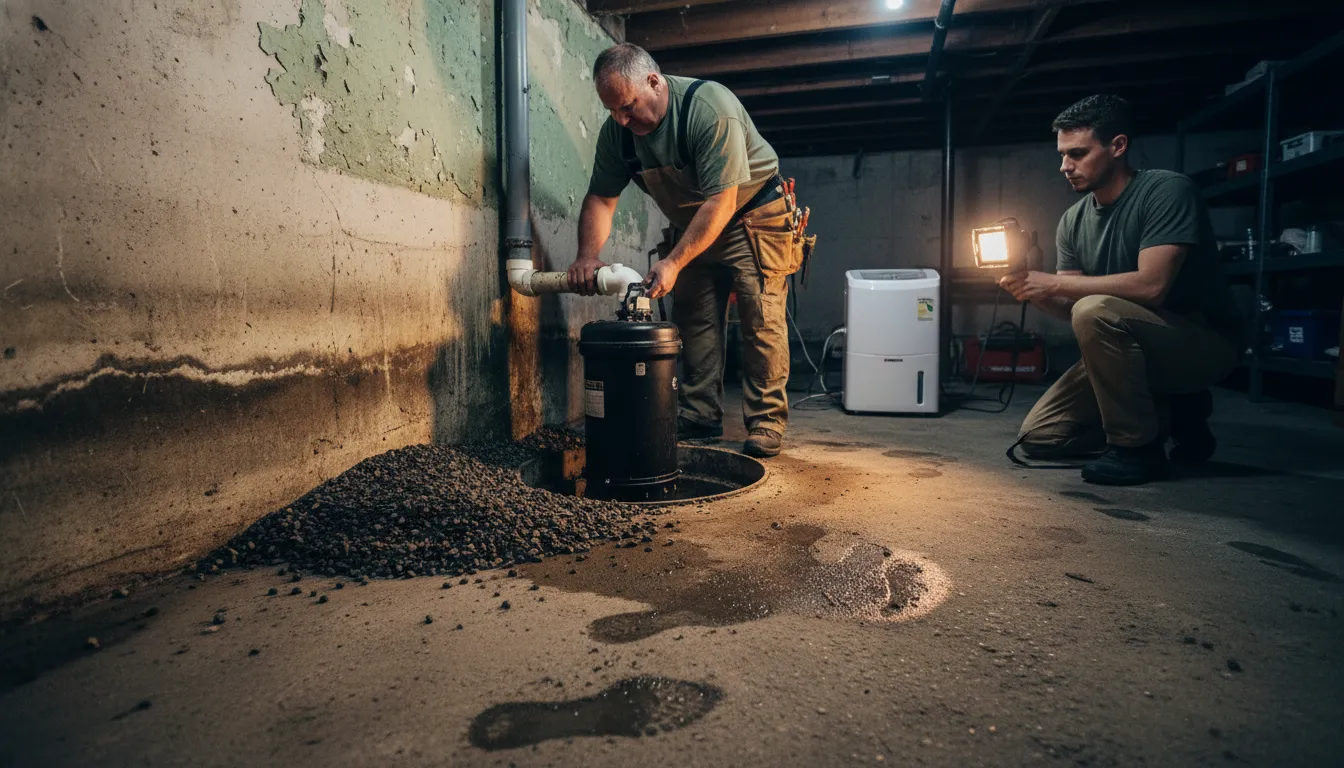
A sump pump is a critical defense system for your home, designed to collect and expel water that accumulates around your foundation. In High Point, where heavy rains and clay soils are common, this system is essential for preventing basement flooding, mold growth, and costly structural damage. This guide will help you understand your options for sump pump services, from installation to maintenance, so you can find the right local expertise to protect your property.

Zoom Drain
105 Creek Ridge Rd G, Greensboro, NC 27406
Zoom Drain is a plumbing service provider based in Greensboro, NC, specializing in drain and sewer solutions for both residential and commercial customers. They offer a range of services including sewer camera inspections, sump pump repairs, drain cleaning, hydro jetting, sewer line repairs, and toilet repairs. Using advanced technology such as Zoom Jetting® and RootX® herbicide treatments, they focus on effective cleaning and maintenance to prevent plumbing issues. Serving Greensboro and surrounding areas, Zoom Drain tailors its services to the unique drainage systems found in the region, addressing everything from routine maintenance to emergency repairs. Their team is known for detailed diagnostics and thorough problem resolution.

T. W. Stanley & Son Well Pump & Plumbing Repair
5107 Lady Ln, Greensboro, NC 27406
T. W. Stanley & Son Well Pump & Plumbing Repair is a family-owned business based in Greensboro, NC, specializing in well pump repair, sump pump services, and sewer pump maintenance. Serving the Piedmont Triad area, they offer 24/7 emergency repair and replacement services to keep water systems running smoothly. Founded in 1946, the company has decades of experience in diagnosing and fixing well pump issues, including electrical repairs and pump installations.
Nicchio & Sons Plumbing LLC
Winston Salem, NC
Nicchio & Sons Plumbing LLC is a family-owned plumbing company serving Winston Salem, NC, and surrounding areas. With over 20 years of experience, they specialize in residential plumbing services including water heater repair and installation, sump pump repair, drain cleaning, hydro jetting, leak detection, repiping, and gas line installation. They handle a wide range of plumbing issues such as clogged drains, leaking pipes, fixture installations, and gas leak repairs. The company is fully licensed and insured, focusing on treating each customer's home with care and attention.
Bodenheimer Plumbing Services, Inc.
2860 Ridgewood Park Dr, Winston-Salem, NC 27107
Bodenheimer Plumbing Services, Inc. has been serving Winston Salem, NC, and the surrounding Triad area since the 1930s. They offer a wide range of residential and commercial plumbing services, including water heater installation and repair, sump pump repair, drain cleaning, sewer line repair, repiping, and gas line installation. The company is experienced in handling new construction plumbing projects as well as remodeling and upgrades. With over 90 years in the business, Bodenheimer Plumbing Services provides comprehensive plumbing solutions to meet various needs in the Winston Salem region.
Shallowford Plumbing
Winston Salem, NC
Shallowford Plumbing is a plumbing service provider based in Winston Salem, NC. They offer a wide range of services including drain cleaning, water heater repair and installation, sewer line inspection and repair, toilet repair, sump pump installation, and leak detection. The company also handles commercial plumbing renovations and sewer line replacements using advanced diagnostics and equipment. Shallowford Plumbing is equipped to manage emergency plumbing issues with 24/7 availability for urgent repairs such as burst pipes and backed-up sewer lines.
Why High Point Homes Need Sump Pumps
The need for reliable basement waterproofing in High Point isn't accidental; it's a direct result of local geography and climate. The Piedmont region's characteristic clay soils are dense and slow to absorb water. During the frequent heavy thunderstorms, rainwater pools and creates significant hydrostatic pressure against basement walls and floors 1. This pressure relentlessly seeks the path of least resistance, which often leads to cracks, seepage, and full-blown flooding in vulnerable homes.
Homes most at risk include those with basements, properties situated in low-lying areas, and structures with existing drainage issues or naturally high water tables. Without an active drainage system, water can saturate the soil around your foundation, leading to dampness, mildew, and long-term deterioration of your home's structural integrity. Installing a sump system is a proactive measure to manage this groundwater and direct it safely away from your home.
Understanding Sump Pump Systems and Components
A functional sump pump setup is more than just a pump in a hole. It's an integrated system designed to capture, contain, and discharge water. Here's a breakdown of the key components you'll encounter:
- Sump Pit: A hole (typically 18-24 inches in diameter and 2-3 feet deep) dug into the lowest part of your basement or crawlspace. This pit collects water from the surrounding soil or from a drainage system.
- Primary Pump: This is the main workhorse of the system. There are two primary types:
- Submersible Pump: The pump and motor are sealed in a waterproof casing and sit submerged in the pit. These are generally quieter, handle debris better, and are preferred for homes with higher water volumes 2.
- Pedestal Pump: The motor is mounted on a long column (pedestal) above the pit, with only the impeller down in the water. They are often less expensive and easier to service but can be louder and less efficient with solids 3.
- Battery Backup System: Perhaps the most critical upgrade for High Point residents. Power outages frequently accompany the severe storms that cause flooding. A battery backup system, often featuring a secondary pump, automatically takes over when the main power fails, providing essential protection when you need it most 4.
- Drain Tile (French Drain): This is the network that feeds water to the pit. Interior drain tiles are channels installed along the perimeter of your basement floor, under the slab, that direct water to the sump pit. Exterior systems are buried around the foundation's footing. These are crucial for managing water in homes with significant hydrostatic pressure.
- Discharge Line: The pipe that carries the pumped water from your home to a designated drainage area, such as a storm drain or a sloped area away from your foundation. Proper discharge is vital to prevent water from simply recirculating back into the soil around your home.
The Professional Installation Process
Professional installation ensures your system is effective, up to code, and reliable. A typical installation by a qualified technician follows a meticulous process 5:
- Assessment and Pit Location: A technician will assess your basement's layout and water issues to determine the optimal location for the sump pit, usually at the lowest point.
- Excavation: The concrete floor is cut, and the pit is dug to the proper depth.
- Pit Liner Installation: A durable, perforated plastic liner is placed in the hole, often surrounded by gravel to facilitate water flow.
- Pump and Plumbing Setup: The pump is placed in the pit and connected to a discharge pipe. A check valve is installed on the discharge line to prevent pumped water from flowing back into the pit.
- System Integration: If included, the battery backup unit is wired, and the drain tile system is connected to the pit liner.
- Finalization: The pit is sealed with an airtight, child-safe lid to prevent moisture evaporation and radon gas entry. The system is tested to ensure automatic activation and proper discharge.
For homes requiring a comprehensive solution, the installation may also involve adding an interior or exterior drain tile system, which channels water from the entire foundation perimeter to the sump pit.
Find the perfect sump pump installation & repair companies for your needs
Get personalized recommendations and expert advice
Repair and Maintenance: Keeping Your System Ready
Even the best systems can encounter problems. Common issues that require sump pump repair include:
- Power Failure: The most common issue, often solved by checking the outlet, GFCI, or circuit breaker.
- Switch Problems: The float switch that activates the pump can get stuck or fail.
- Clogged Discharge Line: The exit pipe can become blocked by ice, debris, or sediment, causing the pump to run without moving water.
- Check Valve Failure: A faulty check valve allows water to flow back into the pit, causing the pump to cycle continuously.
- Pump Burnout: Motors can fail due to age, overuse, or running dry.
Regular maintenance is the key to avoiding emergencies. An annual check-up, ideally before the rainy season, is highly recommended. This service typically includes cleaning the pit and pump intake, testing the pump operation and float switch, inspecting the check valve and discharge line for obstructions, and verifying the battery backup system is fully charged and functional. Professional maintenance services can provide peace of mind and help extend the life of your investment.
Cost Considerations for High Point Homeowners
Investing in a sump pump system involves several cost factors. Prices can vary based on the type of pump, the complexity of the installation, and the need for additional components like drainage.
- Sump Pump Unit: A basic primary pump can range from $100 to $500+ depending on capacity and features.
- Professional Installation: Labor and materials for a standard sump pump installation typically range from $1,000 to $3,000+ in the High Point area 6. More complex jobs with difficult access or additional plumbing can reach $4,000 or more 6 7.
- Battery Backup System: Adding a reliable battery backup with a secondary pump usually adds $500 to $1,500+ to the total installation cost 8.
- Drain Tile System: If your home needs an interior or exterior drainage network to channel water to the pit, this is a significant additional project. A full drain tile system can cost between $4,000 and $15,000+, depending on the linear footage and whether it's interior or exterior 9 10.
- Maintenance: An annual professional inspection and tune-up may cost between $50 and $200+ 11.
While upfront costs are a consideration, they must be weighed against the potential expense of repairing flood damage, replacing ruined belongings, and mitigating mold, which can easily exceed the cost of a properly installed system.
Frequently asked questions
Sources
Footnotes
-
Do I Need A Sump Pump In North Carolina? - Comfort First - https://www.yourcomfortfirst.com/blog/do-i-need-a-sump-pump-in-north-carolina/ ↩
-
Sump Pumps in North Carolina | Sump Pump Installation in ... - https://www.carolinabasementsystems.com/basement-waterproofing/products/sump-pumps.html ↩
-
How Much Does Sump Pump Installation Cost? 5 Factors - https://freedomplumbingmidwest.com/sump-pump-installation-cost/ ↩
-
Basement Waterproofing & Foundation Repair in High Point, NC - https://www.carolinafoundationsolutions.com/service-area/high-point-nc/ ↩
-
Our Sump Pump Installation Process In Greater Greensboro - https://www.carolinabasementsystems.com/basement-waterproofing/products/sump-pumps/sump-pump-install.html ↩
-
Sump Pump Installation Cost Guide | 2026 Prices & Factors - https://modernize.com/foundations/basement-waterproofing/sump-pump-installation-cost ↩ ↩2
-
How Much Does Sump Pump Installation Cost In New York? - https://zavzaseal.com/blog/how-much-does-sump-pump-installation-cost-in-new-york/ ↩
-
Basement Sump Pumps: Types, Costs, and Maintenance - https://www.arkbasementservices.com/basement-sump-pumps-types-costs-and-maintenance/ ↩
-
What Should Your Basement Waterproofing Budget Include? - https://www.tarheelbasementsystems.com/resources/basement-waterproofing/variation-of-an-interior-drain-and-drainage-system-installed-outside/ ↩
-
2025 Drain Tile Costs: What to Expect for Interior, Exterior, and Sump ... - https://basementwaterproofingscientists.com/drain-tile-installation-cost-guide/ ↩
-
Basement Sump Pump Installation | Protect Your Basement - Helitech - https://helitechonline.com/services/waterproofing/sump-pumps/ ↩