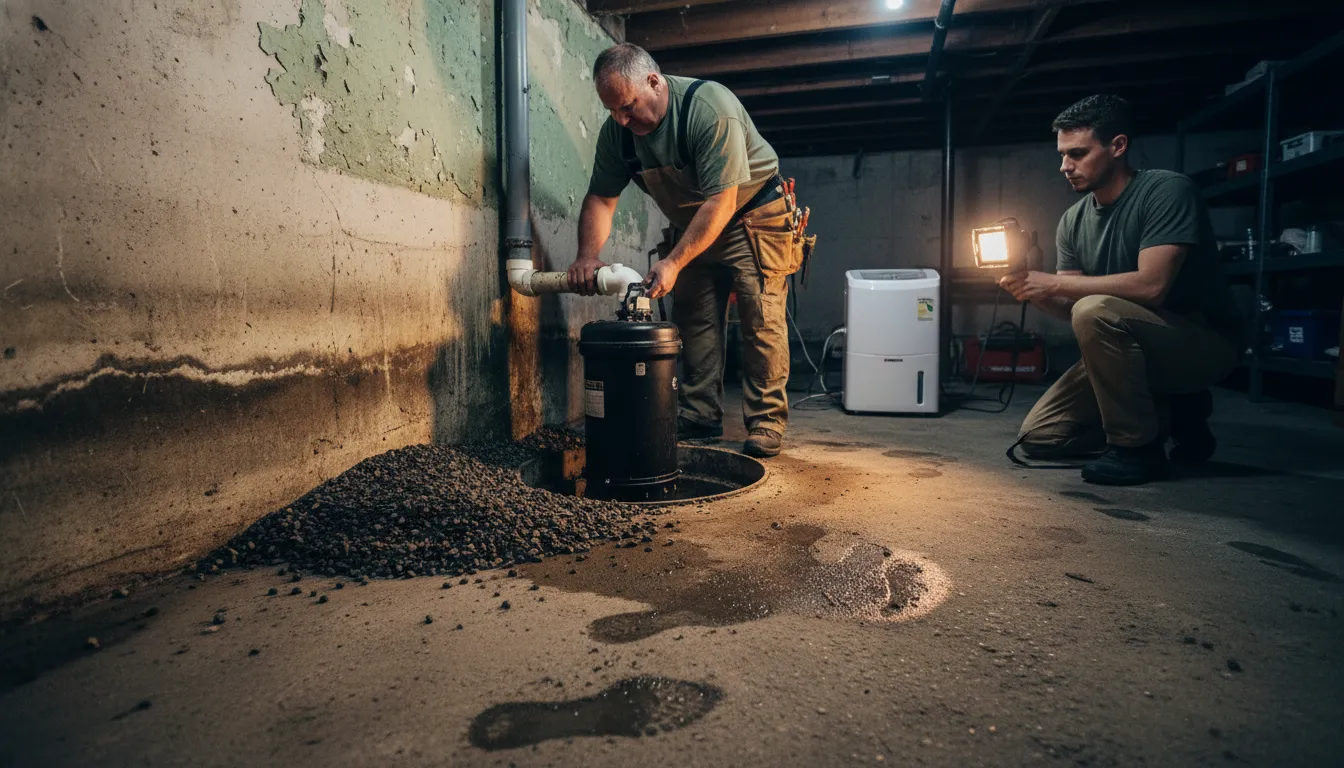
Find the Best Sump Pump Installation & Repair Companies for Your Business
No obligation • Fast responses • Nationwide coverage

Why you can trust Search a Plumber
Search a Plumber is a leading United States resource for finding and evaluating professional plumbing services. Our team researches licensing, experience, and customer feedback to create unbiased, fact-driven overviews. Companies cannot pay to change ratings or placement, ensuring homeowners get trustworthy information.
Search providers near you
Top Sump Pump Installation & Repair Companies in Asheville, North Carolina Ranked
Living in Asheville means enjoying the beauty of the Blue Ridge Mountains, but it also means contending with the region's frequent and heavy rainstorms. This weather can lead to significant water accumulation around your home's foundation, making a reliable sump pump system not just a convenience but a critical line of defense for your basement or crawl space. Sump pump repair and installation services are essential for managing groundwater, preventing costly water damage, and protecting your home's structural integrity. This guide will help you understand the local considerations for water management, the types of systems available, and how to connect with skilled professionals in the Asheville area who can assess your needs and implement an effective solution.
Why Asheville Homes Need Sump Pumps
The need for effective basement waterproofing and sump pump systems in Asheville is driven by a combination of climate and geology. The area experiences substantial rainfall, which can saturate the soil around your foundation. When the ground can't absorb any more water, hydrostatic pressure builds up, pushing moisture through cracks in your basement walls or up through the floor slab. Without a way to redirect this water, you risk flooding, mold growth, and damage to stored belongings or finished spaces.
Furthermore, many homes in the region benefit from or require perimeter drainage systems, commonly known as French drains1. These are networks of perforated pipes installed around the foundation's perimeter, either under the basement floor or along the footing. They collect incoming groundwater and channel it to a central collection point: the sump pit. The sump pump is the active component that then removes this water from the pit, discharging it safely away from the house. This combination of passive drainage and active pumping is a highly effective strategy for keeping basements dry in Western North Carolina's wet climate.
Core Components of a Sump Pump System
Understanding the parts of a water evacuation system will help you communicate with contractors and make informed decisions.
- The Sump Pit: This is a cylindrical hole, typically lined with a durable plastic or concrete basin, dug into the lowest part of your basement or crawl space floor. It's the collection point for all water gathered by the perimeter drain system.
- The Pump: The pump itself sits inside the pit. There are two primary types, which we'll explore in detail next.
- Discharge Pipe: This pipe carries the water pumped from the pit to a designated drainage area outside, such as a storm drain, dry well, or a slope leading away from your foundation.
- Check Valve: Installed on the discharge pipe, this crucial valve prevents pumped water from flowing back into the pit once the pump turns off.
- Battery Backup System: Given the potential for power outages during severe storms, a backup pump powered by a deep-cycle battery is considered essential in Asheville. It automatically activates if the primary pump fails or loses power.
Types of Sump Pumps: Submersible vs. Pedestal
Choosing the right pump depends on your specific basement setup, noise tolerance, and budget.
Submersible Sump Pumps: These units are designed to operate while fully submerged in the water within the sump pit. The motor is sealed inside a waterproof housing. The primary advantage is that they are much quieter than pedestal models, as the water muffles the sound of operation. This makes them an excellent choice for finished basements or living spaces near the pump location. They are generally more discreet, as only the top of the pump and the discharge pipe are visible.
Pedestal Sump Pumps: In this design, the motor is mounted on a long, vertical column (the pedestal) above the sump pit, with only the pump intake extending down into the water. The main benefit is accessibility; the motor is easy to reach for inspection and minor servicing2. They are often less expensive upfront and can be a good fit for shallow pits. The trade-off is that they tend to be noisier during operation and are more visually obtrusive, which may be a consideration in finished areas.
Many local professionals recommend high-quality, durable brands like Zoeller, which are known for reliability in demanding residential applications.
The Installation Process: What to Expect
A professional sump pump installation is more than just dropping a pump into a hole. A proper installation by an Asheville expert involves several key steps to ensure long-term effectiveness.
- Assessment and Planning: A technician will evaluate your basement's water intrusion points, the soil conditions around your home, and the best location for the sump pit. They will determine if a new perimeter drain (French drain) is needed or can be tied into an existing one.
- Excavating the Pit: Using concrete-cutting tools, a hole is created in the basement floor at the predetermined low point. The pit liner is placed and secured.
- Integrating Drainage: If a perimeter drain system is part of the solution, the drain tile is connected to the sump pit liner, allowing water to flow freely into it. For block foundations, professionals may also drill "weep holes" at the base of the wall to allow trapped water to escape into the new drainage system3.
- Pump and Valve Installation: The pump is placed in the pit and connected to the discharge pipe. A check valve is installed to prevent backflow.
- Electrical and Backup Setup: The pump is wired to a dedicated GFCI outlet. If included, the battery backup pump and its charger unit are installed and connected.
- Testing and Discharge: The system is tested by pouring water into the pit to activate the pump. The discharge line's endpoint is verified to ensure it directs water well away from the foundation.
Find the perfect sump pump installation & repair companies for your needs
Get personalized recommendations and expert advice
Common Repairs and Maintenance
Even the best systems require occasional attention. Being proactive with maintenance can prevent a small issue from becoming a major basement flood.
- Switch and Float Problems: The most common repair involves the switch that activates the pump. Tethered floats can get stuck against the pit wall, and pressure switches can fail. A pump that runs continuously or not at all often has a switch issue. Repair costs for these components typically start on the lower end of the spectrum.
- Motor Failure: If the pump motor burns out, the unit will need to be replaced. This is a more significant repair, often necessitating a new pump. Costs increase with the complexity of the replacement, especially if electrical work is involved.
- Clogged Intake or Discharge: Debris can clog the pump's intake screen or the discharge pipe, especially if there is no check valve and sediment has washed back in. This can cause the pump to overwork or fail to move water.
- Check Valve Failure: A broken check valve allows water to flow back into the pit, causing the pump to cycle on and off rapidly (called "short cycling"), which wears out the motor quickly.
Recommended Maintenance: Homeowners should test their sump pump every few months by slowly pouring a bucket of water into the pit to trigger activation. Ensure the pump turns on, moves the water efficiently, and turns off automatically. Clean the pit of silt and debris annually, and inspect the check valve. For systems with a battery backup, test the backup function according to the manufacturer's instructions and have the battery inspected every year or two.
Understanding Costs in Asheville
The investment in sump pump services varies based on the scope of work. Here's a general breakdown based on regional and national data:
- Sump Pump Repairs: Addressing common issues like a stuck float, failed switch, or minor electrical problem typically ranges from $150 to $7504. The final cost depends on the parts needed and the labor involved.
- Full Sump Pump Installation: Installing a new primary pump, including the pit, plumbing, and basic electrical work, can start around $1,200. However, most homes in Asheville that need a pump also require an integrated perimeter drainage system to be effective5. A complete installation with a French drain system and a quality pump can range from $2,000 to $4,500 or more, depending on the basement's size, accessibility, and the extent of excavation required.
- Battery Backup Addition: Adding a battery backup system to an existing pump or during a new installation is a wise upgrade, typically adding several hundred dollars to the project cost but providing invaluable peace of mind during storms6.
For the most accurate estimate, it's essential to get quotes from local professionals who can assess your specific property7.
Choosing a Local Asheville Professional
Selecting the right contractor is crucial. Look for a company with specific experience in basement waterproofing and sump pump systems in the Asheville area. They should understand the local water table, soil types, and common foundation styles. A reputable professional will offer a thorough inspection, explain all your options without high-pressure sales tactics, provide a detailed written estimate, and use high-quality materials. They should also be licensed, insured, and able to provide references. Local experts like those at Basement Systems, Champion Comfort Experts, and Barlow Plumbing have established reputations for addressing the unique hydrological challenges of Western North Carolina homes8 9 10.
Frequently asked questions
Sources
Footnotes
-
Sump Pumps - Basement & Radon Solutions - https://basementandradonsolutions.com/basement-waterproofing/sump-pumps/ ↩
-
Sump Pumps in North Carolina | Sump Pump Installation in ... - https://www.carolinabasementsystems.com/basement-waterproofing/products/sump-pumps.html ↩
-
Sump Pump Installation in Asheville, Greenville & Spartanburg - https://www.basementsystemscarolinas.com/sump-pump/sump-pump-install.html ↩
-
Sump Pump Repair & Replacement Costs (2026 Guide) - Modernize - https://modernize.com/foundations/basement-waterproofing/sump-pump-repair-replacement-cost ↩
-
How Much Does a Sump Pump Cost: A Clear Breakdown of Prices and ... - https://harrisplumbing.ca/Blog/blogpost/12be9385-8928-4051-a0e8-08ddd67fa1f3 ↩
-
Water Damage Prevention: Selecting the Right Sump Pump ... - https://laneroofingasheville.com/basement-waterproofing-guide/selecting-right-sump-pump-system-asheville-basement ↩
-
Selecting the Right Sump Pump System for Your Asheville Basement - https://laneroofingasheville.com/basement-waterproofing-guide/selecting-right-sump-pump-system-asheville-basement/ ↩
-
Sump Pump Services in Asheville - Champion Comfort Experts - https://championcomfortexperts.com/areas-served/asheville/plumbing/sump-pumps/ ↩
-
Best Professional Sump Pump Installation Asheville, NC - https://barlowplumbing.net/best-professional-sump-pump-installation-asheville-nc ↩
-
Basement Waterproofing Company in Asheville, NC - https://www.basementsystems.com/basement-waterproofing/north-carolina-nc/asheville-waterproofers.html ↩