Find the Best Sump Pump Installation & Repair Companies for Your Business
No obligation • Fast responses • Nationwide coverage

Why you can trust Search a Plumber
Search a Plumber is a leading United States resource for finding and evaluating professional plumbing services. Our team researches licensing, experience, and customer feedback to create unbiased, fact-driven overviews. Companies cannot pay to change ratings or placement, ensuring homeowners get trustworthy information.
Search providers near you
Top Sump Pump Installation & Repair Companies in Blue Springs, Missouri Ranked
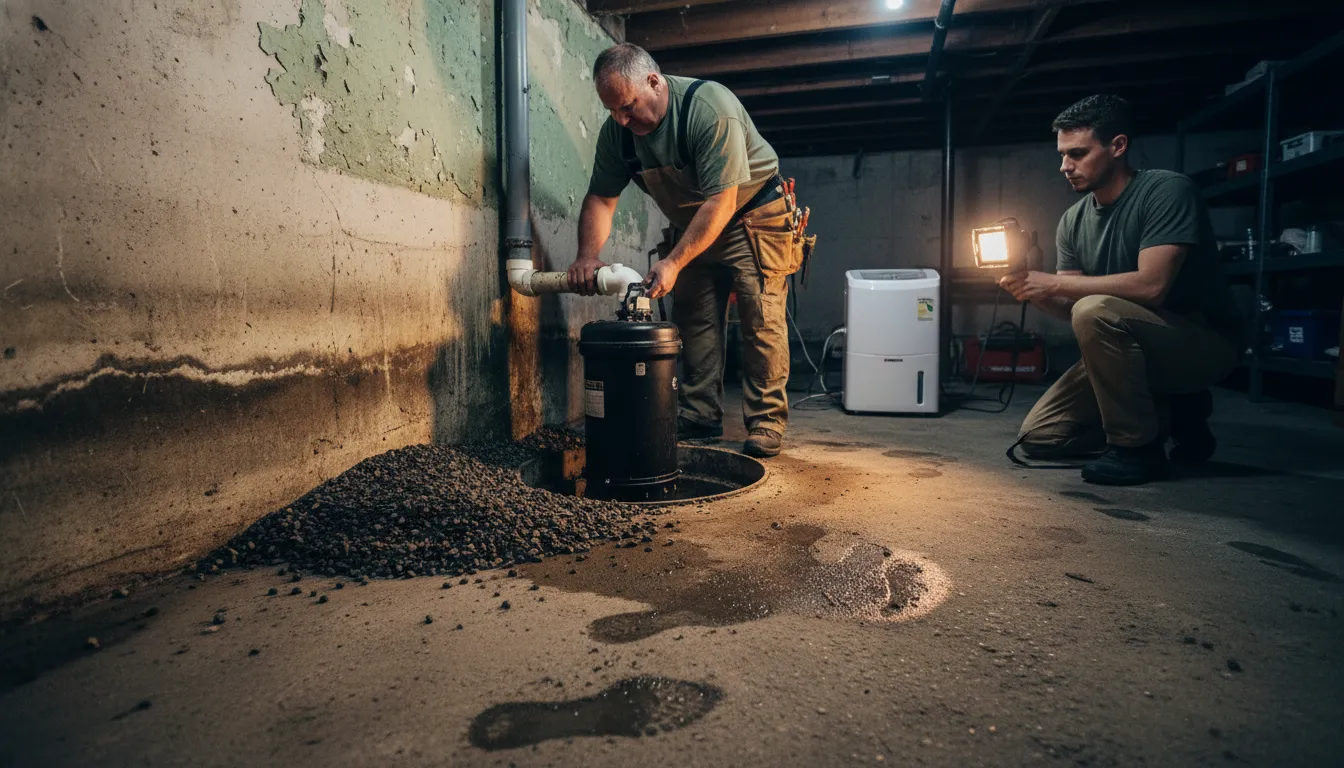
A reliable sump pump system is your home's first line of defense against basement flooding, a common concern for Blue Springs homeowners. Given the region's heavy rainfall and dense clay soil, water can quickly accumulate around your foundation, leading to costly water damage, mold growth, and structural issues. This guide explains everything you need to know about sump pump services, from how they protect your home to how you can find qualified local professionals to assess your needs and ensure your basement stays dry.

Roto-Rooter Plumbing & Water Cleanup
455 SW Ward Rd, Lee's Summit, MO 64081
Roto-Rooter Plumbing & Water Cleanup serves Kansas City, MO, offering a wide range of plumbing and water cleanup services. Their team handles water heater installation and repair, sump pump and drain cleaning, sewer line and trenchless sewer repairs, leak detection, repiping, and garbage disposal repairs. They provide 24/7 emergency plumbing services, including water damage restoration, using specialized equipment for sewer cleaning and no-dig pipe restoration. With over 85 years of experience, Roto-Rooter is equipped to respond to plumbing emergencies day or night, including weekends and holidays.

Mr. Rooter Plumbing of Johnson County
13480 S Arapaho Dr, Olathe, KS 66062
Mr. Rooter Plumbing of Johnson County provides a range of plumbing services in Kansas City, MO, including water heater repair and installation, sump pump repair, and sewer line repair. They use advanced technology such as hydro jetting, trenchless sewer repair, and video camera inspections to address plumbing issues with minimal disruption. The company serves both residential and commercial customers across multiple nearby communities. Their plumbers are licensed, insured, and background-checked to ensure qualified service. Mr. Rooter Plumbing offers in-home estimates and flexible scheduling to accommodate customer needs.

Anthony Plumbing, Heating, Cooling & Electric
15203 W 99th St, Lenexa, KS 66219
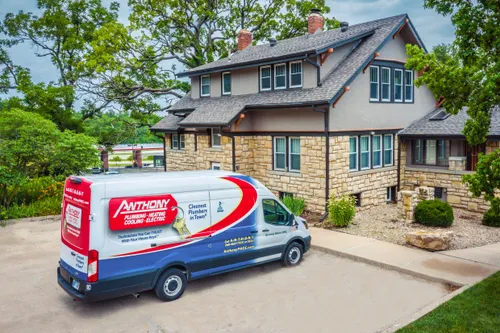
Anthony Plumbing, Heating, Cooling & Electric has been serving the Kansas City, MO area for over 70 years. The company offers a wide range of plumbing services including sewer camera inspections, tankless water heater installation and repair, water softener installation, sump pump repair, drain cleaning, hydro jetting, trenchless sewer repair, and toilet and garbage disposal repairs. Their experienced plumbers provide detailed problem investigations and multiple solution options tailored to long-term needs and budgets. Anthony Plumbing also offers 24/7 emergency support, ensuring assistance is available whenever needed.
Anthony Plumbing, Heating, Cooling & Electric
17331 East 40th Terrace S Units 111-112, Independence, MO 64055
Anthony Plumbing, Heating, Cooling & Electric has been serving Kansas City, MO, and the surrounding metro area for over 70 years. They provide a wide range of plumbing services including sewer camera inspections, tankless water heater installation, sump pump repair, drain cleaning, hydro jetting, and trenchless sewer repair. Their experienced plumbers offer thorough problem investigations and multiple solutions tailored to long-term needs and budgets. The company also offers 24/7 emergency support, ensuring help is available whenever needed.
Roto-Rooter Plumbing & Water Cleanup
8600 W 95th St #100D, Overland Park, KS 66212
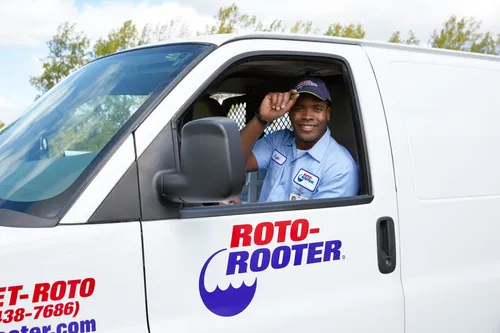
Roto-Rooter Plumbing & Water Cleanup provides full-service plumbing and drain cleaning solutions in Kansas City, MO. Serving both residential and commercial clients, they offer a wide range of services including water heater repair and installation, sump pump maintenance, leak detection, toilet repair, and sewer camera inspections. The company is equipped with state-of-the-art drain cleaning equipment and has been serving the community since 1935. They provide 24/7 emergency plumbing services with no extra charges for nights, weekends, or holidays.
Why Blue Springs Homes Need Sump Pumps
The need for effective basement waterproofing in Blue Springs is directly tied to local geography and weather patterns. The area frequently experiences intense rainstorms that saturate the ground. Compounding this issue is the region's prevalent clay soil, which absorbs water slowly and drains poorly. This combination creates hydrostatic pressure-the force exerted by standing water-against your home's foundation walls and floor slab 1. Without an escape route, this water will find its way inside through cracks, seams, and porous concrete.
A sump pump system actively manages this groundwater. By collecting water in a specially dug pit (or sump basin) and pumping it away from your home's foundation, it relieves that hydrostatic pressure. This proactive approach is a vital investment to prevent the thousands of dollars in damage that can result from a single flooding event, not to mention the health hazards associated with persistent dampness and mold 2.
Core Components of a Sump Pump System
Understanding the parts of a sump pump system helps you communicate effectively with service providers. A complete installation involves more than just the pump itself:
- Sump Basin (Pit): This is a cylindrical liner, typically made of durable plastic or concrete, installed in the lowest point of your basement floor. It collects incoming groundwater.
- The Pump: This is the workhorse of the system. There are two primary types:
- Submersible Pump: Situated inside the sump basin, completely underwater when operating. These models are generally quieter, more discreet, and often have a longer lifespan due to being cooled by the water around them 3.
- Pedestal Pump: The motor is mounted on a long column (pedestal) above the basin, with only the intake pipe extending into the water. These are often less expensive and easier to service but can be noisier.
- Float Switch: This acts as the pump's "on/off" trigger. As water fills the basin, the float rises. Once it reaches a preset level, it activates the pump. When the water is pumped out and the float drops, it turns the pump off.
- Discharge Line: This pipe carries the pumped water from your basement to a designated drainage area well away from your home's foundation, such as a storm drain or dry well. Proper routing is critical to prevent water from simply cycling back into the ground near your house.
- Check Valve: Installed on the discharge line, this one-way valve prevents pumped water from flowing back into the basin once the pump shuts off.
- Backup System: Power outages often coincide with the worst storms. A backup-either a battery-powered pump unit or a water-powered backup-provides essential protection when you need it most 4.
Professional Installation: What to Expect
While DIY sump pump installation is possible, professional installation by a qualified Blue Springs plumber or waterproofing specialist is highly recommended. They ensure the system is correctly sized for your home's water volume, properly sealed to prevent radon or moisture seepage, and compliant with local building codes, which may require a GFCI outlet for the pump.
The process typically involves:
- Assessment: A technician evaluates your basement, identifies water entry points, and determines the optimal location for the sump pit.
- Excavation: Concrete is cut, and the pit is dug to the proper depth.
- Installation: The basin is set, the pump and switches are installed, and the discharge line is routed and secured.
- Testing & Finalization: The system is tested for proper operation, the pit cover is sealed, and the area is cleaned up. Reputable professionals will also explain the system's operation and maintenance to you.
Find the perfect sump pump installation & repair companies for your needs
Get personalized recommendations and expert advice
Common Sump Pump Repairs
Even a well-installed pump will eventually need service. Recognizing signs of trouble early can prevent a failure during a downpour. Common issues that require professional sump pump repair include:
- Continuous Running: If the pump runs non-stop, it could be due to a stuck float switch, an incorrectly sized pump for the water inflow, or a problem with the check valve.
- Failure to Start: This can be caused by a tripped circuit breaker, a faulty float switch, a clogged intake screen, or a burned-out motor.
- Unusual Noises: Grinding, rattling, or loud vibrations often indicate a worn impeller, a loose component, or a damaged bearing.
- Visible Rust or Corrosion: This can shorten the pump's lifespan and may signal it's time for a replacement.
Local technicians use durable, high-quality parts like cast-iron pump housings and PVC piping to ensure repairs are long-lasting and reliable 5.
Understanding Costs and Investment
The cost of sump pump services in Blue Springs varies based on the scope of work, the type of equipment selected, and the complexity of the installation. Here's a general breakdown based on regional data:
- Full System Installation: For a new, professionally installed sump pump system including a primary pump, a backup system, and all necessary components, homeowners can expect an investment ranging from $1,200 to $2,500 or more6 7. The final price depends on factors like pump quality (e.g., cast-iron vs. thermoplastic), horsepower, and the type of backup (battery vs. water-powered).
- Professional Installation Labor: The labor and materials for installing a pump in an existing pit typically range from $500 to $1,200+, ensuring correct sizing, code-compliant electrical work, and proper discharge routing 8 9.
- Maintenance Services: An annual inspection and cleaning, which is crucial for reliability, may cost between $50 and $20010. This service often includes testing the pump, cleaning the basin and intake screen, checking the float switch, and verifying backup power operation.
While this is a financial investment, it pales in comparison to the cost of repairing flooded drywall, ruined flooring, damaged personal belongings, and remediating mold 11. A functioning sump pump provides invaluable peace of mind, knowing your basement is protected during the heavy rains common to the Midwest 12.
Maintaining Your Sump Pump
Annual maintenance is the key to ensuring your system works when you need it. Homeowners should:
- Test the Pump: Periodically pour a bucket of water into the sump pit to trigger the float and ensure the pump activates and drains the pit quickly.
- Clean the Pit: Unplug the pump and remove any debris, gravel, or silt that has accumulated in the basin, which can clog the pump or impede the float.
- Check the Discharge Line: Ensure the outdoor exit point is clear of leaves, dirt, or ice, especially after storms or in winter.
- Inspect the Backup: If you have a battery backup, check that the battery is charged and terminals are clean. Test the backup pump according to the manufacturer's instructions.
For a comprehensive check, scheduling professional maintenance is wise, as technicians can spot potential issues like a weakening check valve or a float switch nearing the end of its life.
Frequently asked questions
Sources
Footnotes
-
Expert Basement Waterproofing Near Blue Springs, MO for over 24+ years - https://www.foundationrecoverysystems.com/service-areas/basement-waterproofing-blue-springs-mo/ ↩
-
2025 Sump Pump Buying Guide | Clayton, MO - https://www.tonylamartinaplumbing.com/2025-sump-pump-buying-guide/ ↩
-
Sump Pump Installation for Midwest Homes - Expert Spring Guide - https://petermanhvac.com/blog/sump-pump-installation-guide/ ↩
-
How Much Does Sump Pump Installation Cost? 5 Factors - https://freedomplumbingmidwest.com/sump-pump-installation-cost/ ↩
-
Sump Pump Repair Near Me Blue Springs | Flood Protection - https://plumbersbluespringsmo.com/services/sump-pump-repair-replacement/ ↩
-
Basement Sump Pumps: Types, Costs, and Maintenance - https://www.arkbasementservices.com/basement-sump-pumps-types-costs-and-maintenance/ ↩
-
Sump Pump Installation Cost Guide | 2026 Prices & Factors - https://modernize.com/foundations/basement-waterproofing/sump-pump-installation-cost ↩
-
Protect Your Basement in Blue Springs, MO & Overland Park, KS - https://www.dragonflymech.com/plumbing/sump-pumps/ ↩
-
What's The Cost Of A Sump Pump Installation In Kansas City? - https://www.climatecontrolkc.com/blog/plumbing/sump-pump-installation-cost-in-kansas-city/ ↩
-
How Much Does Sump Pump Replacement Cost? (2025 ... - https://www.kcpier.com/how-much-does-sump-pump-replacement-cost-2025-pricing-kansas-city/ ↩
-
Basement sump pump installation: 7 Powerful Steps for Success 2025 - https://basementwaterproofingscientists.com/basement-sump-pump-installation/ ↩
-
We Provide Basement Waterproofing Services in Blue Springs, MO - https://www.basementsystems.com/basement-waterproofing/missouri-mo/blue-springs-waterproofers.html ↩