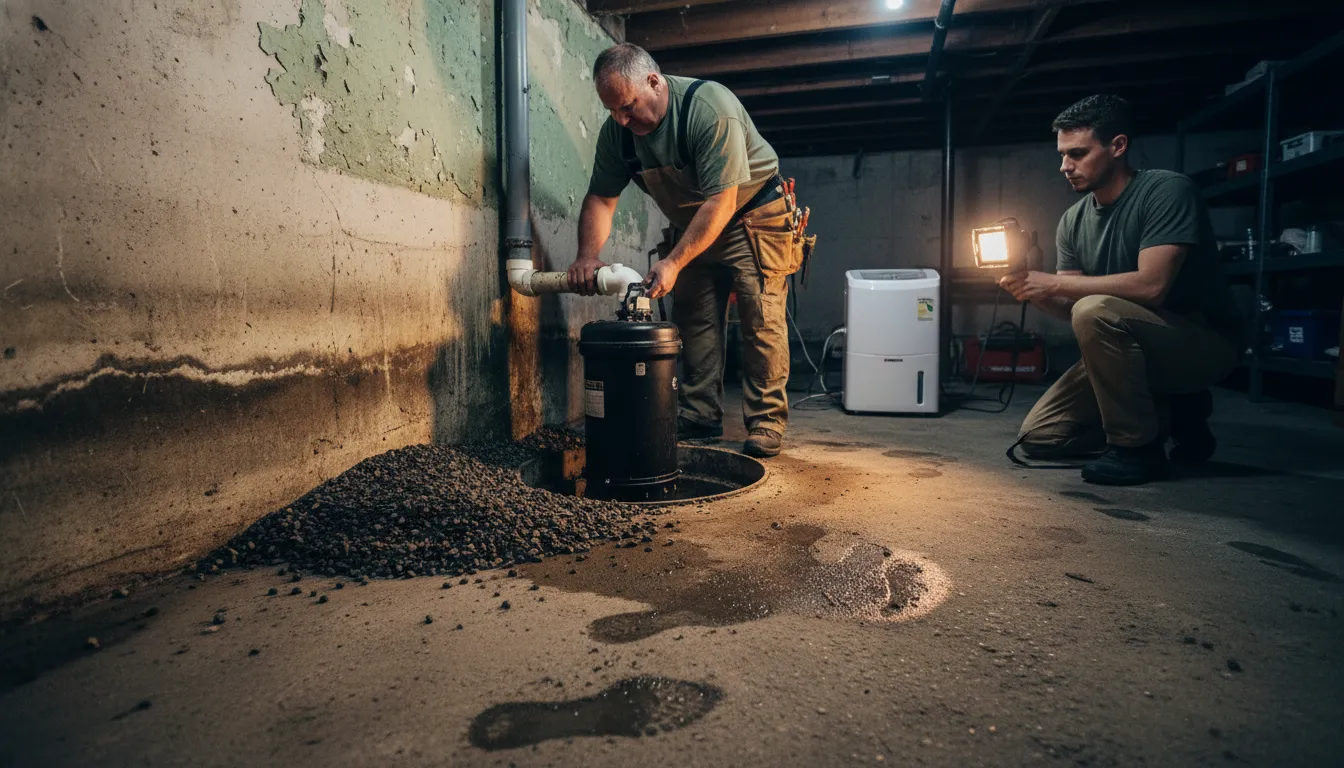
Find the Best Sump Pump Installation & Repair Companies for Your Business
No obligation • Fast responses • Nationwide coverage

Why you can trust Search a Plumber
Search a Plumber is a leading United States resource for finding and evaluating professional plumbing services. Our team researches licensing, experience, and customer feedback to create unbiased, fact-driven overviews. Companies cannot pay to change ratings or placement, ensuring homeowners get trustworthy information.
Search providers near you
Top Sump Pump Installation & Repair Companies in Farmington Hills, Michigan Ranked
For homeowners in Farmington Hills, a reliable sump pump system is a critical line of defense against basement flooding and water damage. Michigan's unique climate and soil conditions make water intrusion a common concern, and a properly installed and maintained sump pump is essential for managing groundwater and preventing costly issues like mold and structural damage. This guide provides detailed information on sump pump services, from understanding the different types of pumps and installation processes to recognizing when you need repairs. You can use this resource to understand your options and connect with qualified local professionals who can assess your specific needs.
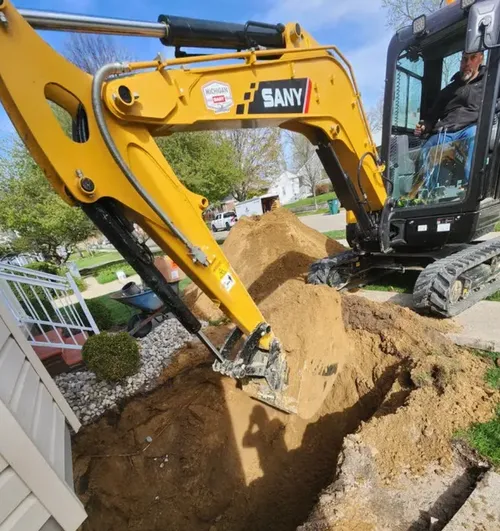
Triton Plumbing
1307 E Maple Rd, Troy, MI 48083
Triton Plumbing is a plumbing company serving Detroit, MI, led by a fourth-generation master plumber. They offer a range of residential and commercial plumbing services including trenchless sewer repair, sewer camera inspections, water heater installation and repair, sump pump services, drain cleaning, leak detection, and toilet repairs. Their trenchless sewer repair uses advanced technology to minimize property disruption by creating small access points for pipe repairs. Triton Plumbing also provides sump pump solutions to protect properties from flooding, especially in Oakland and Macomb County. The company emphasizes quality and integrity in their work and has experience handling complex sewer line replacements and hydro jetting services.
Cregger Plumbing, Heating & Cooling
2335 Goodrich St, Ferndale, MI 48220
Cregger Plumbing, Heating & Cooling is a third-generation, locally operated plumbing and HVAC company serving Detroit, MI. They provide a wide range of services including water heater repair and installation, sump pump repair, drain cleaning, hydro jetting, leak detection, gas line installation, toilet repair, and garbage disposal repair. The company is known for its licensed and insured plumbers who offer 24/7 emergency plumbing services to address urgent issues at any time. Established in 1987, Cregger Plumbing has built a reputation for transparent pricing and community involvement.
Motor City Plumbing and Drain
30367 Gratiot Ave, Roseville, MI 48066
Motor City Plumbing and Drain is a plumbing service provider based in Detroit, MI. They offer a wide range of plumbing services including sewer camera inspections, water heater repair and installation, sump pump repair, drain cleaning, hydro jetting, sewer line repair, leak detection, repiping, gas line installation, and toilet repair. The company is known for its use of advanced techniques such as hydro jetting and sewer camera inspections to diagnose and resolve plumbing issues efficiently. Motor City Plumbing and Drain has built a reputation for thorough and professional service, with many customers noting the expertise and clear communication of their technicians. They serve residential and commercial clients in the Detroit area and emphasize customer education and transparency throughout their work.
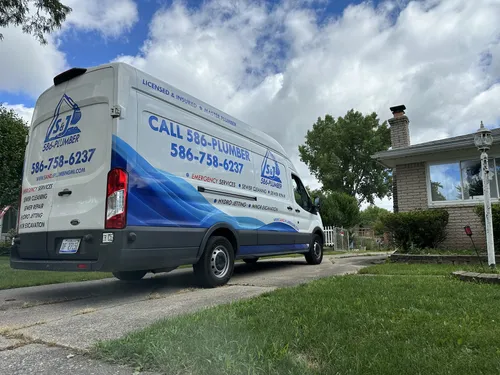
S&J Plumbing
33757 Groesbeck Hwy, Fraser, MI 48026
S&J Plumbing is a licensed and certified plumbing company serving Detroit, MI, since 2018. They provide a range of services including water heater repair, sump pump repair, and drain cleaning. The company emphasizes clear and honest communication throughout the service process to keep customers informed. Their dependable solutions cover plumbing repairs and installations without hidden costs or delays.
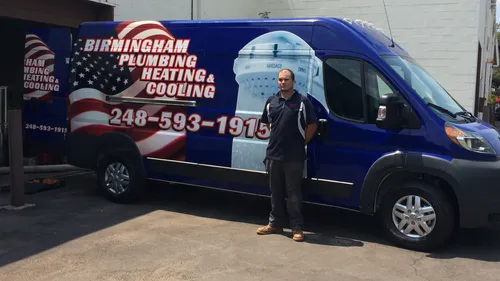
Birmingham Plumbing Heating & Cooling Company
655 S Eton St, Birmingham, MI 48009
Birmingham Plumbing Heating & Cooling Company is a family-owned and operated business serving Detroit, MI, and surrounding Michigan areas including Macomb, Oakland, and Wayne Counties. They specialize in residential and light commercial plumbing, heating, and cooling services. Their offerings include sewer camera inspections, drain cleaning, sewer line repairs, sump pump repairs, and water heater installations. The company uses advanced technology such as telescope cameras to detect hidden plumbing issues. Founded in 2008 by a third-generation tradesman, Birmingham Plumbing Heating & Cooling has grown to operate over 20 service vehicles and has more than 15 years of combined experience in the industry.
Why Farmington Hills Homes Need Sump Pumps
The need for effective basement water management in Farmington Hills is driven by several local environmental factors. The region's soil composition, particularly clay-heavy soil, can prevent proper drainage, leading to a high water table. This means groundwater levels are naturally close to the surface, especially during Michigan's rainy seasons and spring thaws. When this water saturates the ground around your foundation, it creates hydrostatic pressure-a force that pushes water through cracks in your basement floor and walls 1. Without a way to relieve this pressure, water will inevitably find its way inside.
A sump pump system actively combats this by collecting incoming water in a specially dug pit (the sump basin) and pumping it away from your home's foundation. This not only prevents flooding but also controls basement humidity, which is crucial for inhibiting mold and mildew growth2. For many homes, a sump pump isn't just an upgrade; it's a necessary component for protecting your property's value and ensuring a dry, healthy living space.
Core Components of a Sump Pump System
A complete sump pump installation involves more than just dropping a pump into a hole. It's an integrated system designed to capture and eject water efficiently.
- The Sump Pit (Basin): This is a cylindrical hole, typically lined with a durable plastic or concrete basin, dug into the lowest point of your basement floor. It collects water that flows in from the surrounding soil or from a perimeter drain system.
- The Pump: The heart of the system, available in different types (detailed below), sits inside the pit. It is activated by a float switch when water reaches a certain level.
- Discharge Line: This pipe carries the pumped water from your basement to a designated drainage area outside, such as a storm drain or a sloped area well away from your foundation. A check valve is installed on this line to prevent pumped water from flowing back into the pit.
- Perimeter Drains (Often French Drains or WaterGuard): For comprehensive protection, many systems include a network of perforated pipes installed around the interior or exterior perimeter of your basement footing. These drain tile systems capture water from under the floor slab and along the walls, channeling it directly into the sump pit before it can seep into the living space. This is especially important for handling significant hydrostatic pressure.
Types of Sump Pumps: Choosing the Right One
Selecting the correct pump type is vital for performance and reliability. Local professionals can help determine the best fit for your home's water volume, pit size, and power reliability.
- Pedestal Sump Pumps: In this design, the motor is mounted on a long, vertical shaft (pedestal) above the sump basin, with only the pump intake submerged. They are generally less expensive upfront and easier to access for service 3. However, they tend to be louder and are often less powerful than submersible models, making them better suited for pits with less water volume or where noise is less of a concern.
- Submersible Sump Pumps: The entire pump and motor unit is designed to operate underwater inside the sump basin. These units are typically more powerful, quieter, and more discreet than pedestal pumps. They are better at handling larger volumes of water and are often preferred for primary installations in homes with significant water intrusion. While they may have a higher initial cost, their efficiency and durability are advantages.
- Battery Backup Sump Pumps: This is arguably the most critical addition for Farmington Hills homeowners. A battery backup system provides protection during power outages, which frequently accompany the severe storms that cause the most flooding 4. It consists of a secondary pump (often smaller) connected to a large, rechargeable battery. When the main pump loses power, the backup automatically takes over. Considering the cost of a flooded basement, this add-on is a wise investment for complete peace of mind.
- Water-Powered Backup Pumps: These backups use your home's municipal water pressure to pump water out of the sump pit. They don't require a battery or electricity, offering a different kind of reliability 5. However, they depend on strong, consistent water pressure and can significantly increase your water usage during an outage.
The Professional Installation Process
A proper sump pump installation by a licensed professional ensures the system works correctly and complies with local building codes. The process typically involves:
- Assessment and Planning: A technician will evaluate your basement's water issues, identify the best location for the pit (usually where water naturally pools), and discuss system options.
- Excavation: Concrete is cut, and the sump pit is dug to the appropriate depth and width.
- Basin Placement: The liner or basin is set into the pit and leveled. Gravel is often placed around it for stability and drainage.
- Pump and Plumbing Installation: The primary pump is placed in the basin and connected to the discharge piping. A check valve is installed. If included, a perimeter drain system is tied into the basin.
- Electrical Connection: The pump is wired to a dedicated GFCI (Ground Fault Circuit Interrupter) outlet for safety.
- Testing and Finalization: The system is tested by pouring water into the pit to activate the float switch and ensure proper pumping and discharge. The area around the basin is then finished.
Find the perfect sump pump installation & repair companies for your needs
Get personalized recommendations and expert advice
Recognizing the Need for Repairs and Common Issues
Even the best sump pumps require attention. Ignoring signs of trouble can lead to a failure when you need it most. Common problems that necessitate sump pump repair include:
- Strange Noises: Loud grinding, rattling, or screeching can indicate a damaged impeller, worn bearings, or a loose component.
- Constant Running: If the pump runs non-stop, even without rain, it could be a stuck switch, a faulty check valve allowing water backflow, or an undersized pump for the water inflow.
- Failure to Start: This could be due to a failed float switch, a tripped circuit breaker, a burned-out motor, or a clogged intake screen.
- Visible Rust or Corrosion: This can weaken the pump housing and lead to leaks.
- Vibrating Excessively: Often caused by an impeller jammed with debris or a pump that is not sitting level on the basin floor.
Regular maintenance, like cleaning the pit and testing the pump every few months, can catch many of these issues early. For repairs, it's best to rely on a professional who can accurately diagnose the problem, whether it's a simple switch replacement (typically on the lower end of repair costs) or a full motor replacement.
Understanding Costs for Installation and Repair
Costs for sump pump services in Farmington Hills vary based on the system's complexity, the type of pump, and the extent of labor required. Here's a general breakdown based on industry data:
- Sump Pump Unit Only: A basic pedestal pump can cost between $100 and $300, while a high-capacity submersible pump can range from $200 to $500 or more 6.
- Basic Pump Installation: Installing a single pump in an existing pit typically ranges from $500 to $1,000+, including labor, materials, and the pump itself.
- Complete New System Installation: This involves digging a new pit, installing the basin, pump, discharge line, and often connecting to or installing perimeter drains. These complex jobs can range from $1,200 to $3,000 or more7 8.
- Battery Backup System: Adding a quality battery backup pump and battery unit, with installation, can add $1,000 to $2,000+ to the total project cost 9 10.
- Repair Costs: Minor repairs like replacing a float switch or check valve may cost $150 to $300. More significant repairs, such as replacing a motor or the entire pump, can range from $400 to $750+11.
- Annual Maintenance: Many companies offer service plans for around $200 per year to inspect, clean, and test your system, which can prevent costly emergencies 12 13.
For an accurate quote, it's recommended to contact local Farmington Hills plumbing and waterproofing specialists like AJ Danboise Plumbing, Moore Mechanical, or basement-specific experts such as Basement Systems Inc. for an in-person assessment.
Frequently asked questions
Sources
Footnotes
-
Farmington Hills, MI Waterproofing & Foundation Repair - https://staydrywaterproofing.com/locations/michigan/farmington-hills-basement-waterproofing/ ↩
-
Farmington Basement Waterproofing - Michigan Basements - https://michiganbasements.com/farmington-basement-waterproofing/ ↩
-
Sump Pump Service Farmington Hills MI | Diversified Heating & Cooling, Inc. - https://www.diversifiedhtg.com/sump-pump-service ↩
-
Sump Pump Services Farmington Hills | AJ Danboise Plumbing - https://ajdanboise.com/plumbing/sump-pumps/ ↩
-
COMMON TYPES OF SUMP PUMPS IN MICHIGAN - https://www.callcartersplumbing.com/blog/common-types-of-sump-pumps-in-michigan/ ↩
-
How Much Does a Sump Pump Cost: A Clear Breakdown of Prices and ... - https://harrisplumbing.ca/Blog/blogpost/12be9385-8928-4051-a0e8-08ddd67fa1f3 ↩
-
Our Sump Pump Installation Process In Greater Detroit - https://www.basementfix.com/basement-waterproofing/products/sump-pumps/sump-pump-install.html ↩
-
Drain Tile Installation Cost: Top Facts for 2025! - https://basementwaterproofingscientists.com/drain-tile-installation-cost/ ↩
-
We Provide Basement Waterproofing Services in Farmington Hills, MI - https://www.basementsystems.com/basement-waterproofing/michigan-mi/farmington-hills-waterproofers.html ↩
-
Sump Pump Replacement Cost in Michigan | Factors & Installation - https://thorntonandgrooms.com/blog/sump-pump-replacement-cost-michigan ↩
-
Sump Pump Repair & Replacement Costs (2026 Guide) - Modernize - https://modernize.com/foundations/basement-waterproofing/sump-pump-repair-replacement-cost ↩
-
Sump Pump Installation Services | Moore Mechanical - https://mooremech.net/sump-pump-installation/ ↩
-
Basement Sump Pumps: Types, Costs, and Maintenance - https://www.arkbasementservices.com/basement-sump-pumps-types-costs-and-maintenance/ ↩