Find the Best Sump Pump Installation & Repair Companies for Your Business
No obligation • Fast responses • Nationwide coverage

Why you can trust Search a Plumber
Search a Plumber is a leading United States resource for finding and evaluating professional plumbing services. Our team researches licensing, experience, and customer feedback to create unbiased, fact-driven overviews. Companies cannot pay to change ratings or placement, ensuring homeowners get trustworthy information.
Search providers near you
Top Sump Pump Installation & Repair Companies in Alpharetta, Georgia Ranked
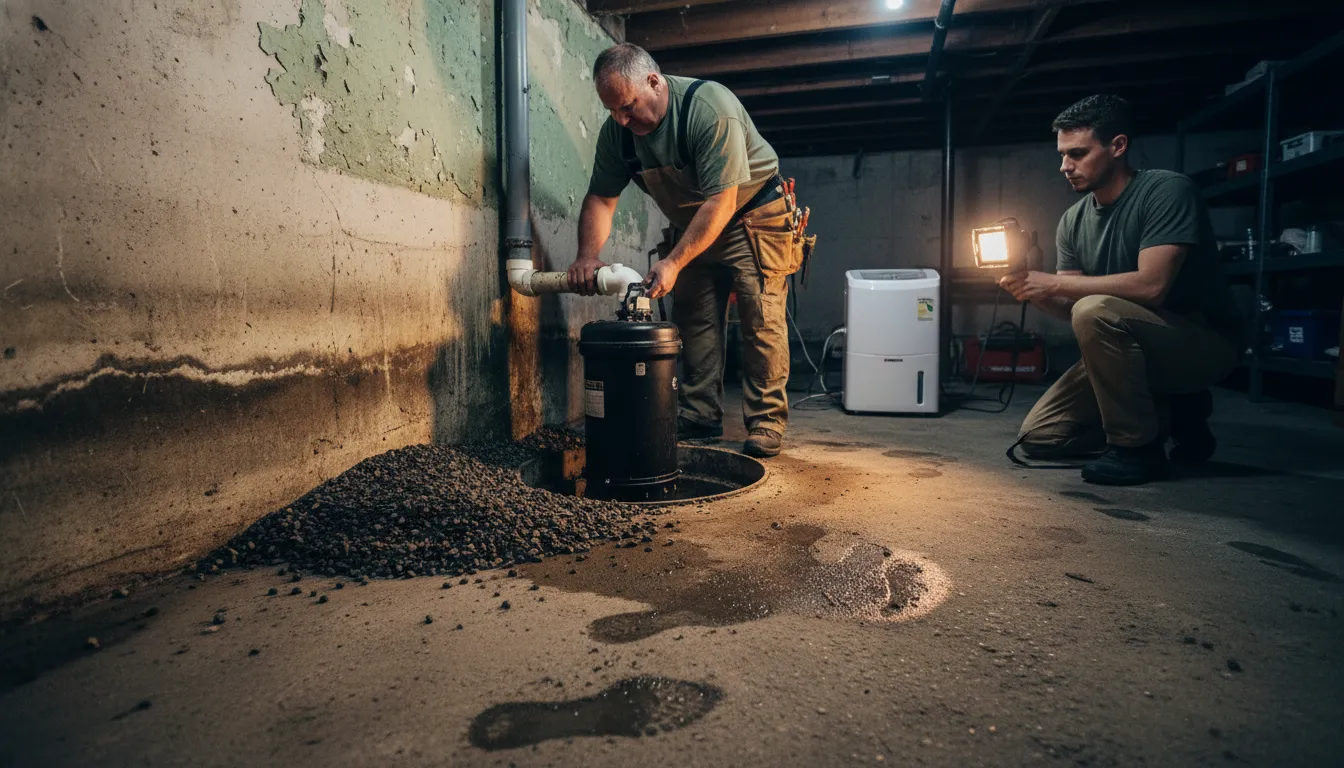
A properly functioning sump pump is a critical line of defense for Alpharetta homeowners, protecting basements and crawl spaces from costly water damage. This service involves installing, maintaining, or repairing the pump and its associated drainage system to actively remove groundwater before it can enter your home. Given the local soil and weather conditions, a reliable sump pump system is not just an appliance-it's essential home infrastructure. This guide will help you understand your options and connect with qualified local professionals who specialize in keeping your foundation dry.

Zoom Drain
8601 Dunwoody Pl, Sandy Springs, GA 30350
Zoom Drain is a plumbing company based in Atlanta, GA, specializing in drain and sewer cleaning, sump pump repair, and toilet repair for both residential and commercial customers. They serve Atlanta and surrounding areas including Sandy Springs, Alpharetta, Brookhaven, Buford, Chamblee, and Doraville. Zoom Drain offers expert solutions for clogged drains and sewer issues using advanced tools and sustainable cleaning methods. They provide specialized services such as grease trap maintenance and tailored maintenance plans for property managers and businesses. The company is known for handling emergency plumbing repairs, including after-hours service, with a focus on clear communication and quality workmanship.

Honeycomb Plumbing
Atlanta, GA
Honeycomb Plumbing is a residential plumbing company serving Atlanta, GA, and surrounding counties including Cobb, Fulton, Dekalb, and Gwinnett. Founded this year, the company brings a decade of expertise to a wide range of plumbing services such as water heater installation and maintenance, drain cleaning with camera inspections, water softener and filtration system installation, sump pump repairs, gas line installation, and full repiping projects. They offer 24/7 emergency plumbing services to address urgent issues and prevent property damage.
Plumb Works Inc.
3116 Chestnut Dr #101, Atlanta, GA 30340
Plumb Works Inc. is a plumbing company serving the Atlanta, GA area since 1989. They provide a wide range of residential, commercial, and underground plumbing services including sewer camera inspections, water heater repair and installation, sump pump repair, drain cleaning, hydro jetting, sewer line repair, trenchless sewer repair, leak detection, repiping, gas line installation, toilet repair, and garbage disposal repair. The company offers specialized sewer line camera inspections to identify underground pipe issues and provides detailed reports with repair recommendations. Plumb Works also offers emergency plumbing services to address urgent plumbing problems promptly.

Panther Plumbing
5701 Mableton Pkwy SW Suite 212, Mableton, GA 30126
Panther Plumbing is a veteran-owned plumbing company serving homeowners in Atlanta, GA, and the surrounding Metro Atlanta area. They offer a wide range of services including sewer camera inspections, water heater repair and installation for both tank and tankless systems, water softener installation, sump pump repair, drain cleaning, hydro jetting, sewer line repair, leak detection, repiping, gas line installation, and toilet repair. The company is licensed and insured, with a fourth-generation master plumber leading the team. Panther Plumbing provides 24/7 emergency plumbing services to address urgent issues promptly.
K L Contractor Plumbing Inc
4901 Olde Towne Pkwy Suite 100, Marietta, GA 30068
K L Contractor Plumbing Inc is a plumbing company serving the Atlanta, GA area with over 24 years of experience. They provide a wide range of residential and commercial plumbing services including sewer camera inspections, hydro jetting, trenchless sewer repairs, water heater installation and repair, sump pump services, gas line installation, and repiping. Their licensed plumbers use advanced technology to address complex plumbing issues efficiently. The company offers 24/7 emergency plumbing services to handle urgent needs anytime.
Why Alpharetta Homes Need Sump Pumps
Alpharetta's unique geology and climate create a perfect storm for potential basement flooding. The primary culprit is the region's prevalent heavy clay soil. Unlike sandy soil that allows water to percolate down, clay is dense and retains moisture, leading to significant water buildup around your home's foundation. This creates hydrostatic pressure, where water literally forces its way through cracks or porous concrete in basement walls and floors. Combine this with Georgia's high annual rainfall, and many homes face a constant battle against water intrusion.
Ignoring these signs can lead to serious consequences. Persistent moisture fosters mold and mildew growth, which can impact indoor air quality and require expensive remediation. Over time, water can also compromise the structural integrity of your foundation, leading to cracks and settling that are far more costly to repair than installing a preventative pump system 1. Common symptoms that indicate you may need a sump pump evaluation include damp or wet spots on basement walls, a persistent musty odor, or efflorescence-a white, powdery mineral deposit left on walls as water evaporates 2.
Core Components of a Sump Pump System
A complete basement waterproofing or water management solution involves more than just the pump itself. Understanding the parts helps you discuss options with a contractor.
- The Sump Pit: This is a hole (typically 18-24 inches in diameter and 24-36 inches deep) dug into the basement floor. It collects water that flows in from the drainage system.
- The Primary Pump: This is the workhorse installed inside the sump pit. It activates automatically via a float switch when water reaches a certain level, pumping it out and away from your home through a discharge pipe.
- Drainage System (Drain Tile): For a system to be effective, water must be directed to the sump pit. This is often done with an interior drain tile system, like a BasementGutter, which involves installing perforated pipes along the interior perimeter of the basement floor. These pipes capture water seeping through the cove joint (where the wall meets the floor) and channel it to the sump pit.
- Battery Backup System: Since power outages often occur during the severe storms that cause flooding, a backup pump powered by a deep-cycle battery is crucial. It provides a second layer of protection when you need it most.
Types of Sump Pumps and Systems
Choosing the right equipment depends on your home's specific needs, the volume of water, and your budget.
Primary Pump Types:
- Submersible Pumps: These units sit entirely within the sump pit, submerged in water. They are generally quieter, more powerful, and can handle larger volumes of water, making them a preferred choice for many Alpharetta installations 3. Because they are sealed, they are also less prone to overheating.
- Pedestal Pumps: In this design, the motor is mounted on a pedestal above the pit, with only the pump intake extending down into the water. They are typically less expensive and easier to access for service, but they are louder and often less powerful than submersible models 4.
System Configurations:
- Basic Single-Pump System: A standard installation with one primary pump (submersible or pedestal). This is suitable for areas with moderate water intrusion.
- System with Battery Backup: This adds a secondary pump, usually powered by a dedicated battery, that takes over if the primary pump fails or if a power outage occurs during a storm. This is considered a minimum standard for reliable protection in our area.
- Triple-Safe or Redundant Systems: For maximum security, especially in homes with finished basements or valuable contents, high-end systems incorporate three components: a primary AC-powered pump, a secondary powerful backup pump, and a battery backup unit. This ensures water is removed even under multiple failure scenarios 5.
Find the perfect sump pump installation & repair companies for your needs
Get personalized recommendations and expert advice
The Professional Installation and Repair Process
Proper installation is key to a system's long-term performance. A professional service typically follows these steps:
- Assessment: A technician will inspect your basement or crawl space, identify signs of water intrusion, and discuss your goals.
- Pit Excavation: If a pit doesn't exist, concrete is cut and excavated to create the sump pit.
- Drainage Installation: For a comprehensive solution, an interior drainage channel may be installed around the perimeter. This involves breaking a narrow channel in the concrete floor, laying perforated pipe, and covering it with clean gravel and new concrete.
- Pump & Plumbing Setup: The pump is placed in the pit and connected to a check valve (to prevent backflow) and a discharge pipe that carries water well away from the foundation.
- Electrical & Testing: The pump is wired to a dedicated GFCI outlet, and the entire system is tested to ensure it activates and discharges water correctly.
Common Repairs include addressing pump motor failure, unclogging stuck float switches, cleaning out obstructed discharge lines, fixing switch problems, or replacing a failed backup battery. Due to the involvement of plumbing, electrical work, and potential concrete work, these tasks are best left to licensed professionals familiar with local codes.
Understanding Costs for Sump Pump Services in Alpharetta
Costs can vary widely based on the complexity of the job, the type of equipment selected, and the extent of existing water damage.
- Basic Sump Pump Installation: Installing a new primary pump in an existing pit typically ranges from $500 to $1,200, including the pump unit and labor.
- Adding a Battery Backup System: Installing a quality battery backup pump to complement your primary system can add $150 to $300+ to the project cost 6.
- Complete Interior Waterproofing System: For homes requiring a full solution-including excavating a new pit, installing an interior drain tile system, and setting up a primary pump-costs often range from $4,000 to $15,000 7. Premium systems with advanced backups and warranties can reach $7,000 to $10,000 or more 8.
It's important to get detailed, written estimates from reputable local providers like Schmitt Waterproofing, AquaGuard, or specialized plumbing services that outline all equipment, labor, and warranty information 9 10.
Maintenance for Long-Term Reliability
A sump pump is a mechanical device that needs occasional attention to ensure it works in an emergency.
- Test Regularly: Pour a bucket of water into the sump pit every few months to ensure the pump activates, runs, and shuts off automatically.
- Inspect the Discharge Line: Ensure the pipe outside is clear of debris, ice, or obstructions and that it discharges water at least 10-20 feet away from your foundation.
- Check the Backup Battery: If you have a battery backup, test it according to the manufacturer's instructions and plan to replace the battery every 3-5 years.
- Clean the Pit: Periodually, unplug the pump, remove any gravel, silt, or debris that has accumulated in the bottom of the pit, which can clog the pump intake.
- Listen for Unusual Noises: Grinding or rattling sounds can indicate a worn impeller or motor bearing, signaling it's time for a professional inspection.
Frequently asked questions
Sources
Footnotes
-
Basement Leak Repair Alpharetta, GA - Schmitt Waterproofing - https://www.schmittwaterproofing.com/fulton-county/alpharetta/basement-leak-repair-in-alpharetta-ga/ ↩
-
Foundation Repair in Alpharetta, GA - https://www.groundworks.com/service-areas/foundation-repair-alpharetta-ga/ ↩
-
Sump Pump Guide: Types, Installation & Maintenance Tips - https://www.esogrepair.com/products/sump-pump/ ↩
-
How Much Does Sump Pump Installation Cost? 5 Factors - https://freedomplumbingmidwest.com/sump-pump-installation-cost/ ↩
-
Sump Pump Installation in Georgia and South Carolina - https://www.lowcountryfoundationrepair.com/sump-pump.html ↩
-
Backup Sump Pumps - Atlanta Basement Systems - https://www.atlantabasementsystems.com/basement-waterproofing/products/sump-pumps/backup-pump.html ↩
-
2025 Drain Tile Costs: What to Expect for Interior, Exterior, and Sump ... - https://basementwaterproofingscientists.com/drain-tile-installation-cost-guide/ ↩
-
Basement Sump Pumps: Types, Costs, and Maintenance - https://www.arkbasementservices.com/basement-sump-pumps-types-costs-and-maintenance/ ↩
-
Basement Waterproofing in Alpharetta, GA - https://www.aquaguard.net/service-areas/basement-waterproofing-alpharetta-ga/ ↩
-
Sump Pump Installation & Repair Services | A Plus Priority - https://emergencylocalplumber.com/sump-pumps/ ↩