Find the Best Sump Pump Installation & Repair Companies for Your Business
No obligation • Fast responses • Nationwide coverage

Why you can trust Search a Plumber
Search a Plumber is a leading United States resource for finding and evaluating professional plumbing services. Our team researches licensing, experience, and customer feedback to create unbiased, fact-driven overviews. Companies cannot pay to change ratings or placement, ensuring homeowners get trustworthy information.
Search providers near you
Top Sump Pump Installation & Repair Companies in Longmont, Colorado Ranked
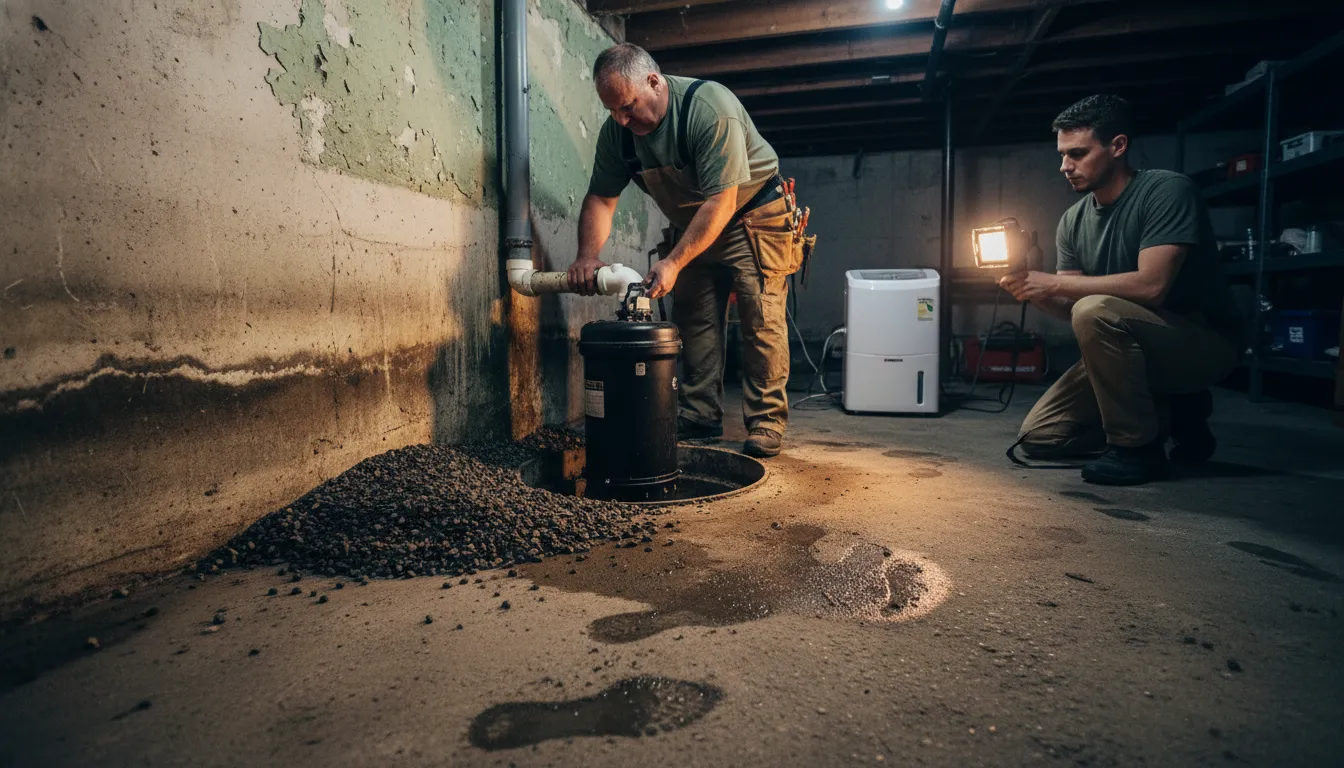
A sump pump is a critical defense system for your Longmont home, designed to protect your basement or crawl space from flooding caused by groundwater, heavy rain, and snowmelt. This specialized plumbing equipment works by collecting water in a pit and pumping it safely away from your foundation. Finding a reliable local expert for sump pump installation, maintenance, or emergency repair is essential for maintaining a dry, healthy, and structurally sound home. This guide will help you understand your options, the local considerations, and how to connect with qualified professionals in the Longmont area.
Big Apple Plumbing LLC - Broomfield, CO
1022 Depot Hill Rd Unit 10, Broomfield, CO 80020
Big Apple Plumbing LLC - Broomfield, CO provides a wide range of plumbing services in Denver, CO, including drain cleaning, sewer line repair, water heater installation and repair (tank and tankless), leak detection, gas line installation, sump pump repair, and repiping. The company serves both residential and commercial clients, handling routine maintenance, emergency repairs, and new installations with licensed plumbers. They specialize in sewer line services and offer 24/7 emergency plumbing solutions to address urgent issues like burst pipes and leaks. Big Apple Plumbing is locally owned and operated, with a focus on safety and code compliance. Their team is experienced in gas line installations and water heater replacements, ensuring efficient and reliable service. The company is known for upfront pricing, timely arrivals, and clear communication, serving Broomfield and surrounding areas including Anthem, The Broadlands, and Interlocken/FlatIron Crossing.
Midwest Plumbing Co. LLC
8360 Auburn Ln, Westminster, CO 80031
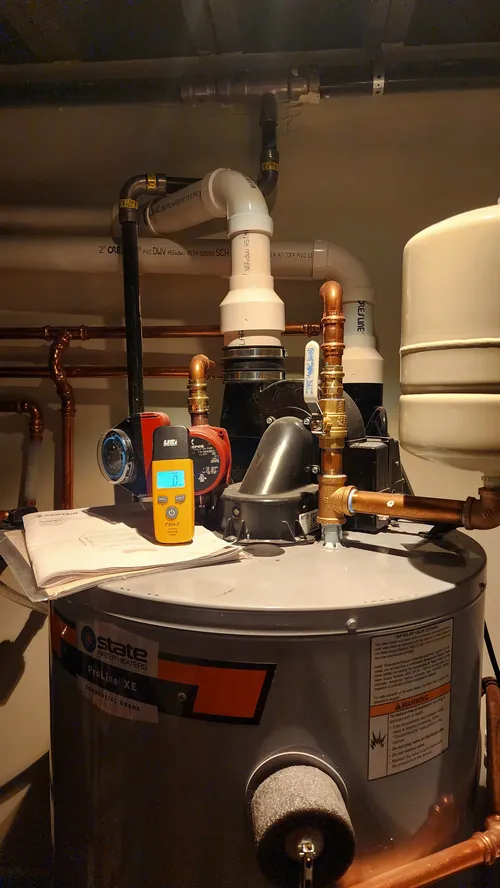
Midwest Plumbing Co. LLC is a plumbing service provider based in Denver, CO, offering a wide range of plumbing solutions. Their services include water heater repair and installation, sump pump repair, sewer line repair with trenchless technology, leak detection, repiping, gas line installation, toilet and garbage disposal repair, and more. The company uses advanced equipment and techniques to address both simple and complex plumbing issues, aiming to provide long-term solutions. They serve residential customers and emphasize careful, tailored service for each home. Midwest Plumbing Co. LLC offers 24/7 emergency plumbing services to assist customers whenever needed.
Jim Needham Heating Cooling Plumbing and Drain
8700 Grant St STE 300, Thornton, CO 80229
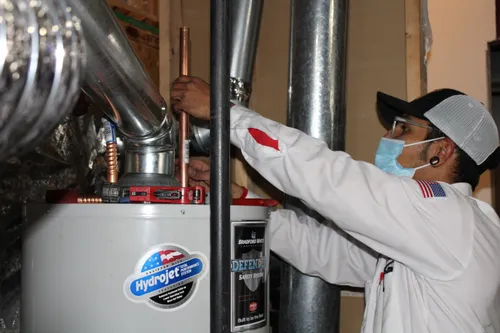
Jim Needham Heating Cooling Plumbing and Drain is a full-service company based in Denver, CO, offering plumbing, drain, heating, and air conditioning services. Their team handles a wide range of plumbing needs including sump pump repair, leak detection, and drain cleaning. With over 100 years of combined experience, they provide skilled solutions to maintain home comfort throughout the year. The company is BBB-accredited and was recognized as Best Plumbers in Westminster in 2022. They also offer 24/7 live answering service to assist customers at any time.
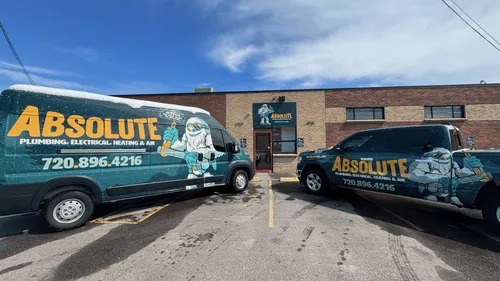
Absolute Plumbing, Electrical, Heating & Air
5590 Havana St Unit A, Denver, CO 80239
Absolute Plumbing, Electrical, Heating & Air provides a wide range of plumbing, electrical, heating, and air conditioning services in Denver, CO. Their plumbing services include sewer camera inspections, water heater repair and installation, water softener installation, sump pump repair, drain cleaning, hydro jetting, sewer line repair, leak detection, repiping, gas line installation, toilet repair, and garbage disposal repair. The company has over a decade of experience serving the Denver Metro area and offers fully stocked trucks and certified, insured technicians to handle most jobs efficiently. They emphasize honest, upfront pricing and satisfaction guaranteed.
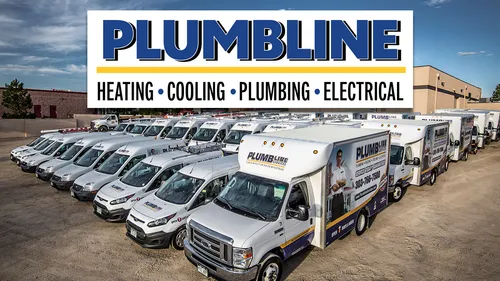
Plumbline Services
5980 W 59th Ave, Arvada, CO 80003
Plumbline Services offers plumbing, HVAC, and electrical services to homeowners in Denver, CO, and the surrounding areas. Their skilled team handles a wide range of plumbing needs including water heater repair and installation, sump pump and sewer line repairs, drain cleaning, leak detection, gas line installation, and garbage disposal repairs. They also provide HVAC services such as furnace and air conditioning repair and installation, along with electrical work including circuit breakers, lighting, and EV charging stations. Plumbline Services is available 24/7 to assist with emergencies and routine maintenance, serving customers from Fort Collins to Castle Rock.
Why Longmont Homes Need Sump Pumps
Longmont's unique climate and geography make basement waterproofing systems a wise investment for many homeowners. The city experiences intense seasonal weather patterns that can threaten your home's lowest levels.
- Heavy Rainfall and Snowmelt: Colorado weather is known for its sudden, heavy storms and significant spring snowmelt. This rapid influx of water can overwhelm the soil's ability to absorb it, leading to saturated ground and hydrostatic pressure against your foundation walls and floor.
- High Water Tables: Certain neighborhoods in and around Longmont may have naturally high water tables. This means the level of saturated soil is close to the surface, making basements particularly susceptible to seepage and flooding year-round 1.
- Foundation Protection: The primary goal of a sump system is to manage this excess groundwater. By collecting and redirecting water, it relieves pressure on your foundation, preventing cracks, leaks, and costly structural damage over time.
Understanding Sump Pump Systems: Types and Components
Not all sump pumps are the same. Understanding the different components will help you choose the right system for your Longmont home.
Primary Sump Pumps
This is the main workhorse of the system. It sits inside a specially dug sump pit in the lowest part of your basement. When water fills the pit to a certain level, a float switch or sensor activates the pump, which then ejects the water through a discharge pipe out of your home. There are two main types:
- Submersible Pumps: These units are designed to operate fully submerged in the sump pit. They are generally quieter, more powerful, and have a longer lifespan but can be more expensive. Their sealed design protects the motor from water.
- Pedestal Pumps: With this style, the pump motor is mounted on a pedestal above the sump pit, with only the impeller extending down into the water. They are typically less expensive and easier to access for service, but they can be noisier and are often less powerful than submersible models 2.
The Essential Backup: Battery-Powered Systems
In Longmont, a backup pump isn't a luxury-it's a necessity. The most common severe flooding events often coincide with power outages caused by the same storms. A battery backup pump provides a crucial fail-safe. It automatically takes over if the primary pump fails or loses power, ensuring your basement stays protected during the most critical times 3. Some advanced systems also offer water-powered backup options that use municipal water pressure.
Proper Discharge: Completing the System
Installing the pump is only half the battle. Where the water goes is equally important. The City of Longmont provides guidance on proper discharge to prevent erosion and avoid sending water back toward your foundation or onto a neighbor's property. Water should be directed onto a splash block or into a drainage system that allows for gradual infiltration into your yard, well away from the home's base 4.
Find the perfect sump pump installation & repair companies for your needs
Get personalized recommendations and expert advice
The Professional Process: Installation and Repair
Sump Pump Installation
Professional installation by a licensed plumber ensures your system is effective, up to code, and reliable. The process typically involves:
- Site Assessment: A technician evaluates your basement, identifies problem areas, and determines the optimal location for the sump pit.
- Pit Excavation: Concrete is cut and a pit is dug to the proper depth. In some cases, a pre-formed liner is used.
- Pump Placement: The primary pump (and backup, if included) is securely placed in the pit.
- Plumbing and Electrical Work: Discharge piping is installed, complete with a check valve to prevent backflow. A dedicated GFCI (Ground Fault Circuit Interrupter) electrical outlet is typically required for safe operation.
- System Testing: The entire system is tested with water to ensure proper activation, pumping, and shut-off.
Sump Pump Repair and Maintenance
Like any mechanical system, sump pumps require occasional maintenance and can fail. Common signs of trouble include unusual noises, constant running, failure to activate, or visible rust. A simple test is to slowly pour a bucket of water into the sump pit to see if the pump turns on and successfully clears it 5. For any complex issues, strange sounds, or electrical concerns, contacting a professional repair service like Mountain Valley Plumbing or Lion Home Service is the safest course of action 6. Regular professional check-ups, especially before the spring thaw or rainy season, can prevent unexpected failures.
Cost Considerations for Sump Pump Services in Longmont
The investment in a sump pump system varies based on the scope of work and components chosen. Here's a general breakdown of what Longmont homeowners might expect 7 8:
- Primary Pump Installation: Installing a standard primary sump pump typically ranges from $800 to $1,500. This price includes the pump, basic pit work, and discharge plumbing.
- Adding a Battery Backup: Incorporating a battery backup system to your primary pump usually adds $150 to $300 to the total cost.
- Complete System (Primary + Backup): For a full, robust installation of both a primary and a battery backup pump, costs often start around $1,200 and can exceed $2,000.
Several key factors influence the final price:
- Pump Type and Quality: Higher horsepower submersible pumps from reputable brands cost more than basic pedestal models.
- Pit Construction: If a new pit needs to be dug through an existing concrete floor, this adds significant labor and material costs.
- Discharge Line Complexity: Routing the discharge pipe to an appropriate yard location can be simple or complex, affecting the price.
- Electrical Work: The need to run a new dedicated circuit or outlet will add to the project cost.
Frequently asked questions
Sources
Footnotes
-
Sump Pump Installation | Colorado | HomeStrong - https://buildhomestrong.com/basement-waterproofing/solutions/sump-pumps/ ↩
-
How Much Does Sump Pump Installation Cost? 5 Factors - https://freedomplumbingmidwest.com/sump-pump-installation-cost/ ↩
-
Basement Sump Pumps: Types, Costs, and Maintenance - https://www.arkbasementservices.com/basement-sump-pumps-types-costs-and-maintenance/ ↩
-
Residential Excess Runoff - City of Longmont - https://longmontcolorado.gov/wp-content/uploads/2024/07/ResidentailExcessRunoff_Brochure_062922.pdf ↩
-
Sump Pump Repair Services in Longmont - Mountain Valley Plumbing - https://www.mtnvalleyplumbing.com/loveland-sump-pump-repair/ ↩
-
Longmont Sump Pump Repair - Lion Home Service - https://lionhomeservice.com/longmont-sump-pumps/ ↩
-
Longmont Sump Pumps | Expert Installation & Repair Services - https://www.mtnvalleyplumbing.com/longmont-sump-pumps/ ↩
-
How Much Does Sump Pump Installation Cost? - https://oriolebw.com/sump-pump-installation-cost-breakdown/ ↩