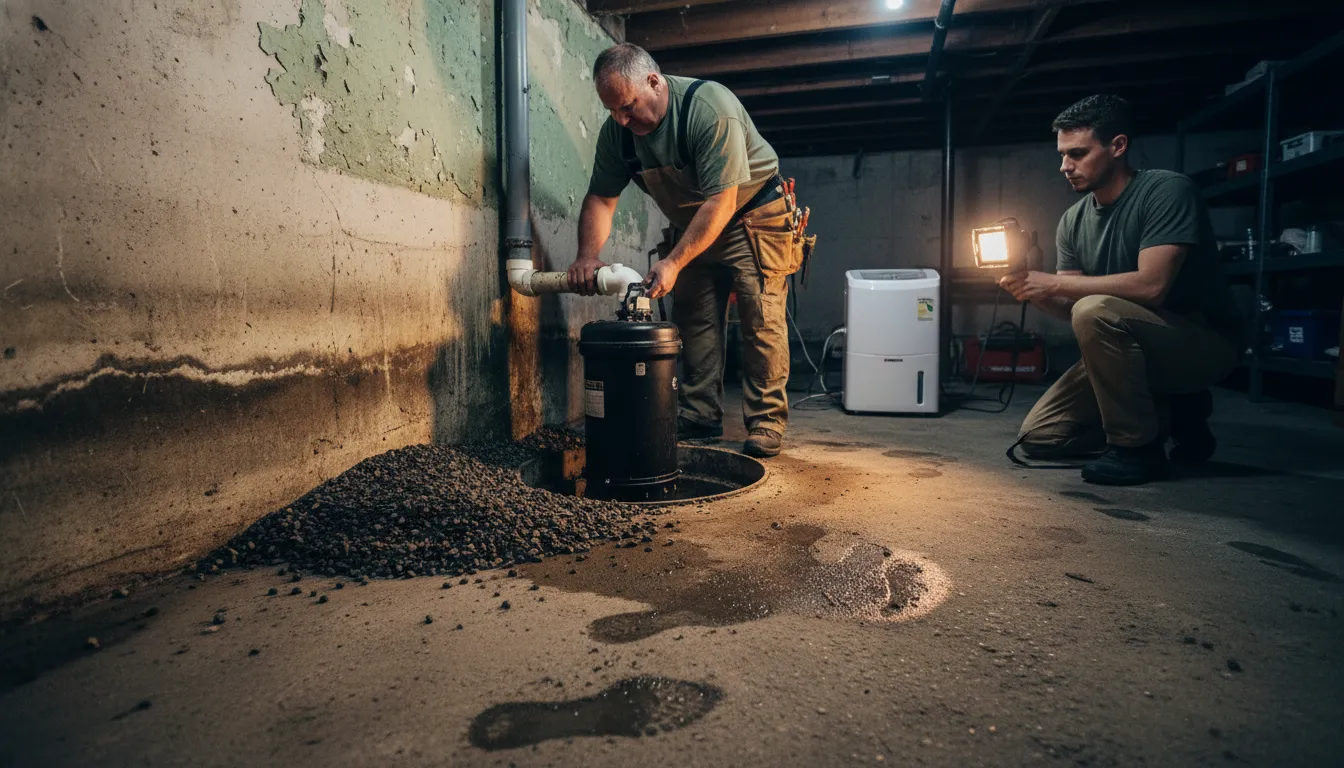
Find the Best Sump Pump Installation & Repair Companies for Your Business
No obligation • Fast responses • Nationwide coverage

Why you can trust Search a Plumber
Search a Plumber is a leading United States resource for finding and evaluating professional plumbing services. Our team researches licensing, experience, and customer feedback to create unbiased, fact-driven overviews. Companies cannot pay to change ratings or placement, ensuring homeowners get trustworthy information.
Search providers near you
Top Sump Pump Installation & Repair Companies in Arvada, Colorado Ranked
Living in Arvada means enjoying beautiful mountain views and a vibrant community, but it also comes with unique challenges for your home's foundation. The expansive clay soils and high water table in the Denver metro area can lead to significant water pressure against basement walls and floors. A properly functioning sump pump system is your primary defense against basement flooding, collecting and ejecting groundwater before it can cause damage. This guide will help you understand the critical aspects of sump pump services, from selecting the right system to recognizing signs you need repair, so you can confidently find a qualified local professional to protect your home.
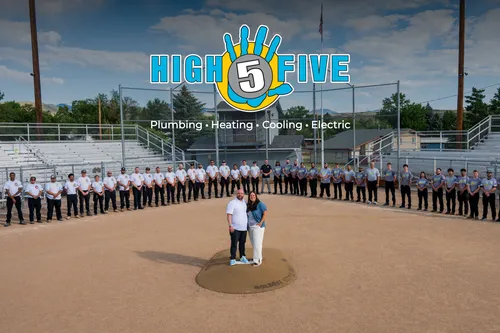
High 5 Plumbing, Heating, Cooling & Electric
15710 W Colfax Ave, Golden, CO 80401
High 5 Plumbing, Heating, Cooling & Electric is a full-service plumbing company serving Denver, CO. They provide a wide range of plumbing services including water heater installation and repair, drain cleaning, sewer line repair, leak detection, and gas line installation. The company uses advanced video technology for sewer camera inspections and offers trenchless sewer repair to minimize excavation. They also specialize in hydro jetting to clear blocked drains efficiently. High 5 Plumbing is licensed for gas plumbing and installs energy-efficient tankless water heaters. The company has received recognition such as the Angi Super Service Award and a BBB Torch Award for Ethics. They provide 24/7 emergency response for urgent plumbing needs.
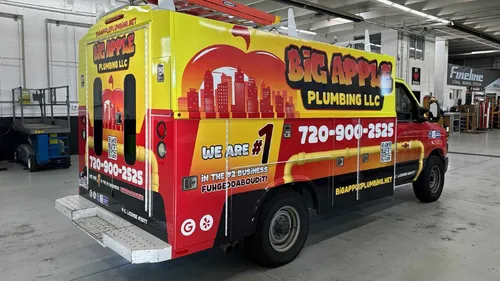
Big Apple Plumbing LLC - Broomfield, CO
1022 Depot Hill Rd Unit 10, Broomfield, CO 80020
Big Apple Plumbing LLC - Broomfield, CO provides a wide range of plumbing services in Denver, CO, including drain cleaning, sewer line repair, water heater installation and repair (tank and tankless), leak detection, gas line installation, sump pump repair, and repiping. The company serves both residential and commercial clients, handling routine maintenance, emergency repairs, and new installations with licensed plumbers. They specialize in sewer line services and offer 24/7 emergency plumbing solutions to address urgent issues like burst pipes and leaks. Big Apple Plumbing is locally owned and operated, with a focus on safety and code compliance. Their team is experienced in gas line installations and water heater replacements, ensuring efficient and reliable service. The company is known for upfront pricing, timely arrivals, and clear communication, serving Broomfield and surrounding areas including Anthem, The Broadlands, and Interlocken/FlatIron Crossing.
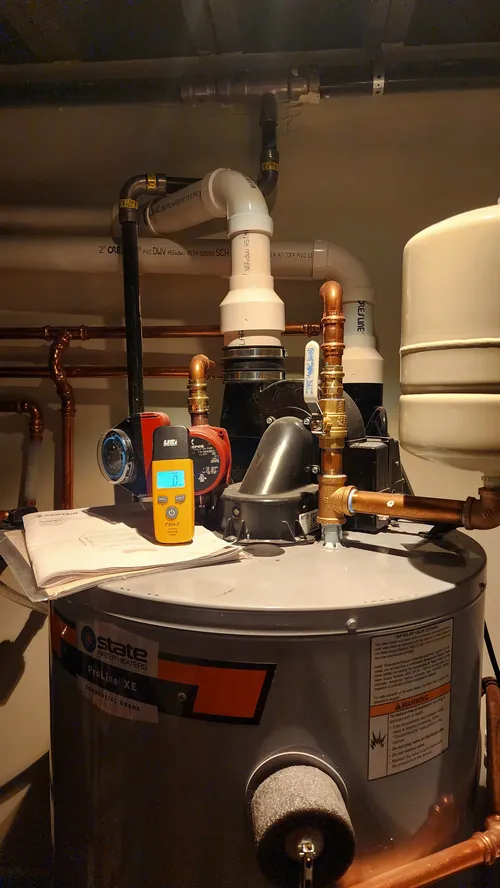
Midwest Plumbing Co. LLC
8360 Auburn Ln, Westminster, CO 80031
Midwest Plumbing Co. LLC is a plumbing service provider based in Denver, CO, offering a wide range of plumbing solutions. Their services include water heater repair and installation, sump pump repair, sewer line repair with trenchless technology, leak detection, repiping, gas line installation, toilet and garbage disposal repair, and more. The company uses advanced equipment and techniques to address both simple and complex plumbing issues, aiming to provide long-term solutions. They serve residential customers and emphasize careful, tailored service for each home. Midwest Plumbing Co. LLC offers 24/7 emergency plumbing services to assist customers whenever needed.
Cap Hill Plumbing
1770 E Colfax Ave unit A, Denver, CO 80218
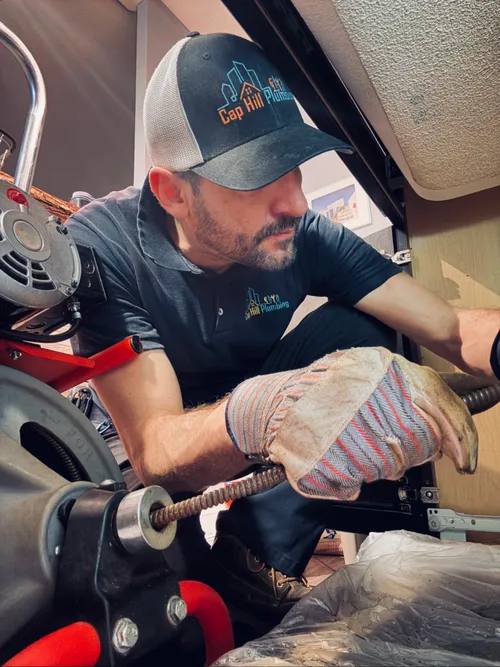
Cap Hill Plumbing is a licensed and insured plumbing service based in Denver, CO. They specialize in a wide range of plumbing services including sewer camera inspections, water heater repair and installation (both tank and tankless), drain cleaning, leak detection, sump pump repair, gas line installation, and sewer line repair. Serving Denver and the surrounding metro area, they are familiar with the unique plumbing challenges of older homes and local conditions. Their team uses camera inspections to diagnose sewer issues accurately and offers same-day repairs for many services. Cap Hill Plumbing provides upfront pricing and stands behind their work with warranties.

Mr. Perfect Plumbing
Denver, CO
Mr. Perfect Plumbing is a locally owned plumbing company serving the Denver, CO area. They offer a wide range of services including water heater repair and installation, sump pump repair, drain cleaning, sewer line repair, leak detection, repiping, gas line installation, and toilet repair. The team is licensed and trained to handle various plumbing needs with a focus on honest and compassionate service. They provide 24/7 emergency plumbing services and same-day appointments to address urgent issues promptly. With over 20 years of industry experience, Mr. Perfect Plumbing emphasizes a customer-first approach and supports their community through skilled and reliable plumbing solutions.
Understanding Arvada's Drainage Challenges
Before choosing a system, it's important to know what you're up against. Arvada's geology and climate create specific conditions that make basement water management a priority for many homeowners.
- Expansive Clay Soils: The region is known for its clay-rich soil, which expands when wet and holds moisture. This creates persistent hydrostatic pressure that can force water through even small cracks in your foundation 1.
- High Water Table: The groundwater level in parts of Arvada and the broader Denver area can be relatively high, especially following heavy rain or rapid snowmelt. This elevated water table pushes moisture upward into your basement or crawl space.
- Storm Intensity: Colorado is known for sudden, intense storms. These can deliver a large volume of water in a short time, overwhelming perimeter drains and quickly filling a sump pit. This makes reliability and backup systems crucial.
- Water Flow: Gravity naturally directs surface runoff and subsurface water toward the lowest point, which is often your basement. A sump pit acts as a collection point, and the pump is the mechanical solution to move that water back outside and away from your home's foundation.
Types of Sump Pump Systems
Not all pumps are created equal. The right choice depends on your home's specific needs, the size of your sump pit, and your local conditions. Here are the common types installed by Arvada professionals.
- Submersible Sump Pumps: The pump and motor unit operate submerged in the sump pit. These are generally quieter, can handle heavier sediment (common with clay soil), and are ideal for deeper pits and homes with frequent water intrusion.
- Pedestal Sump Pumps: The motor is mounted on a pedestal above the pit, with only the pump impeller extending down into the water. They are easier to access for maintenance, typically less expensive, and a good fit for smaller, shallower pits where water demands are less intense.
- Battery Backup Systems: This is a secondary pump that operates on a dedicated battery. It is absolutely essential in Arvada, as it will activate during a power outage-which often coincides with the severe storms that cause flooding. It provides critical peace of mind 2.
- High-Capacity Pumps: For properties with a very high water table or significant water flow, a pump with a higher horsepower rating and gallons-per-hour (GPH) capacity may be recommended to keep up with the demand.
- Integrated Drainage Systems: Often, the pump is just one part of the solution. A perimeter drain system (like an interior French drain) is installed along the basement's interior footing to channel water toward the sump pit, making the pump's job much more effective 3.
The Professional Installation Process
A proper installation is key to long-term performance and reliability. Here's what a comprehensive service from a local expert typically involves.
- Site Inspection & Assessment: A technician will evaluate your basement, identify signs of moisture, check the water table level, and assess the current drainage situation.
- Pit Preparation: The sump pit (a basin in the floor) is either excavated or an existing one is modified. It must be deep and wide enough to accommodate the pump and allow the float switch to operate correctly.
- Pump Selection & Placement: Based on the assessment, the right type and capacity of pump is selected and securely placed in the pit.
- Discharge System Installation: A discharge pipe is run from the pump to the exterior, ensuring it directs water at least 10-20 feet away from the foundation. A check valve is installed on this pipe to prevent ejected water from flowing back into the pit.
- Electrical Connection: The pump is connected to a dedicated GFCI outlet with proper waterproof wiring. If a battery backup is installed, its components are set up and tested.
- System Testing & Final Check: The system is tested by pouring water into the pit to trigger the float switch and ensure the pump activates, moves water effectively through the discharge line, and shuts off automatically.
Find the perfect sump pump installation & repair companies for your needs
Get personalized recommendations and expert advice
Recognizing the Need for Repair or Replacement
Even the best systems need attention. Ignoring warning signs can lead to a failed pump and a flooded basement. Be on the lookout for these common issues.
- Frequent Cycling: The pump turns on and off too often, which can indicate a faulty float switch, an incorrectly sized pump, or a problem with the check valve.
- Unusual Noises: Grinding, rattling, or loud humming sounds often point to a worn bearing, a damaged impeller, or debris caught in the pump 4 5.
- Visible Rust or Corrosion: This is common in older units and can weaken the pump housing, eventually leading to leaks or failure.
- Running But Not Pumping: If the pump motor runs but no water is discharged, the impeller could be clogged or broken, or the discharge line may be frozen or blocked 6.
- Failure to Activate: The most obvious sign-water is rising in the pit but the pump doesn't start. This could be due to a stuck float switch, a tripped circuit breaker, or motor failure.
- Persistent Dampness or Flooding: If your basement is wet even though the pump seems to run, it may be undersized for the water volume, or there could be a leak in the discharge pipe inside the home.
Cost Considerations for Arvada Homeowners
Investing in a sump pump is an investment in protecting your home's value and livable space. Costs can vary based on system complexity and home-specific factors.
For a full professional installation in the Denver metro area, homeowners can expect a total cost range of approximately $1,100 to $2,500, with most jobs averaging around the $1,100 mark 7 8. This wide range accounts for different pump types and site conditions. The pump unit itself is a major factor: a pedestal pump typically costs between $400 and $800 installed, while a more durable submersible pump and its installation are generally priced higher 7 8. Adding a battery backup system is a wise upgrade for Arvada storms and usually adds $200 to $400 to the installation cost 7 9. Other elements that influence the final price include the horsepower of the pump, the amount of site preparation needed (like digging a new pit or trenching for a discharge line), and whether a perimeter drain system is also being installed 10 11.
Ensuring Long-Term Performance
Once your system is installed, a little maintenance goes a long way. While a professional should handle complex repairs, homeowners can perform a few simple checks. Periodically pour a bucket of water into the sump pit to ensure the pump activates and drains the pit completely. Listen for normal operating sounds. Keep the pit clear of debris like gravel, silt, or other obstructions that could clog the pump or impede the float switch. Before the storm season, check that the discharge line outlet outside is clear and directs water away from the foundation. Most importantly, know the age of your system; the average lifespan of a sump pump is 7-10 years, so proactive replacement of an older unit can prevent a catastrophic failure.
Frequently asked questions
Sources
Footnotes
-
Sump Pump Installation & Repair - Denver, CO - High 5 Plumbing - https://high5plumbing.com/denver/plumber/drain/sump-pump/ ↩
-
Sump Pump Installation & Repair in Denver | 24/7 Service - https://www.rotorooter.com/denver/sump-pump/ ↩
-
Installing a Sump Pump and Waterproofing Drain System in CO & NM - https://www.homeservicessouthwest.com/sump-pump/sump-pump-installation.html ↩
-
Sump Pumps Repair | Replacement | installation | Denver CO - https://kingrooterandplumbing.com/sump-pump-repair-installation/ ↩
-
Sump Pumps Repair, Service & Installation in Denver | Rooter66 - https://rooter66.com/services/sump-pumps/ ↩
-
Sump Pump Repair Arvada CO | Sump Pump Installation - https://mightypinehvac.com/plumbing/sump-pumps/ ↩
-
Sump Pump Installation & Repair in Denver, CO | Pasterkamp - https://pasterkamp.com/plumbing/sump-pumps/ ↩ ↩2 ↩3
-
Sump Pump Installation Cost Guide | 2026 Prices & Factors - Modernize - https://modernize.com/foundations/basement-waterproofing/sump-pump-installation-cost ↩ ↩2
-
Sump Pump Installation and Repair in Westminster, CO - https://midwestplumbingco.com/sump-pumps/ ↩
-
How Much Does a Sump Pump Installation Cost in Denver? - https://plumblineservices.com/help-guides/how-much-does-a-sump-pump-installation-cost-in-denver ↩
-
How Much Does a Sump Pump Cost: A Clear Breakdown of Prices and ... - https://harrisplumbing.ca/Blog/blogpost/12be9385-8928-4051-a0e8-08ddd67fa1f3 ↩