Find the Best Sump Pump Installation & Repair Companies for Your Business
No obligation • Fast responses • Nationwide coverage

Why you can trust Search a Plumber
Search a Plumber is a leading United States resource for finding and evaluating professional plumbing services. Our team researches licensing, experience, and customer feedback to create unbiased, fact-driven overviews. Companies cannot pay to change ratings or placement, ensuring homeowners get trustworthy information.
Search providers near you
Top Sump Pump Installation & Repair Companies in Santee, California Ranked
Protecting your Santee home from water damage starts with a reliable basement or crawl space drainage system. Sump pump services are essential for managing the unique challenges of our local soil and preventing costly flooding. This guide will help you understand the key considerations for sump pump installation and repair, from selecting the right equipment to navigating local costs, so you can find the right local expertise for your project.
United Plumbing Heating Air & Electric
6767 Nancy Ridge Dr Unit C, San Diego, CA 92121
United Plumbing Heating Air & Electric is a licensed and insured company serving San Diego, CA, since 1976. They provide a wide range of plumbing, electrical, and HVAC services including sewer camera inspections, water heater repair and installation, sump pump repair, drain cleaning, sewer line repair, leak detection, gas line installation, toilet repair, and garbage disposal repair. Their team is equipped to handle emergency plumbing needs with 24/7 availability and offers same-day service. With decades of experience, they focus on diagnosing problems accurately and delivering lasting solutions to residential and commercial customers in the San Diego area.
Exodus Plumbing
3553 Clairemont Mesa Blvd, San Diego, CA 92117
Exodus Plumbing is a family-owned plumbing company serving San Diego, CA, including Clairemont, Del Mar, and La Jolla. Since 2019, they have provided residential and commercial plumbing services such as water heater repair and installation, sump pump repair, drain cleaning, hydro jetting, sewer line repair, trenchless sewer repair, leak detection, repiping, and gas line installation. Their licensed technicians are equipped to handle a wide range of plumbing needs efficiently. Exodus Plumbing offers same-day service and free estimates to help customers address plumbing issues promptly.
John Padilla Plumbing
8101 La Mesa Blvd, La Mesa, CA 91942
John Padilla Plumbing is a locally owned plumbing company serving La Mesa, CA. The business offers a wide range of plumbing services including water heater repair and installation, drain cleaning, sewer line repair, leak detection, repiping, gas line installation, and sump pump services. They use advanced tools like sewer cameras and provide trenchless sewer repair options. With over a decade of experience, John Padilla Plumbing is BBB Accredited and known for addressing plumbing challenges specific to older homes and hard water conditions in the area. They also provide emergency plumbing services for urgent repairs.
Almco Plumbing
4838 Ronson Ct unit d, San Diego, CA 92111
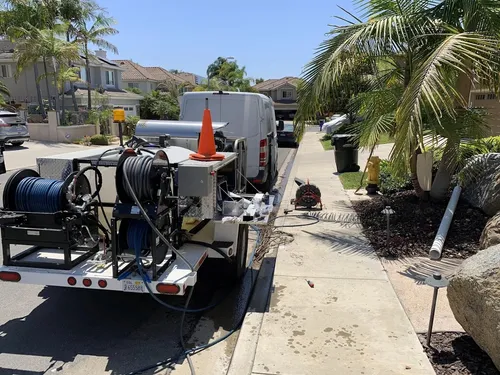
Almco Plumbing is a plumbing contractor serving San Diego, CA, with over 20 years of experience since 2001. They offer a wide range of residential and commercial plumbing services including sewer camera inspections, water heater repairs, sump pump repairs, drain cleaning, hydro jetting, leak detection, repiping, and trenchless sewer line repairs. Almco Plumbing specializes in advanced trenchless technology such as epoxy pipe lining and pipe bursting to repair sewer systems efficiently without extensive digging. They serve both homeowners and business owners, providing durable solutions designed to extend pipe life up to 50 years. Almco Plumbing operates during regular business hours and is known for handling complex plumbing challenges with state-of-the-art tools.
San Diego Zoom Drain
1465 Morena Blvd Floor One, San Diego, CA 92110
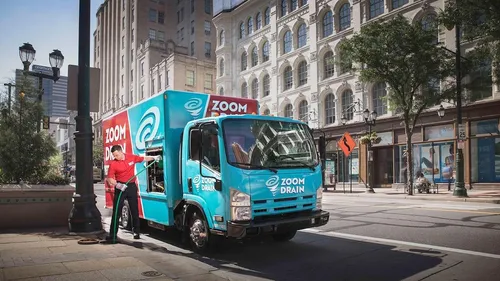
San Diego Zoom Drain provides drain and sewer cleaning, inspection, and repair services in San Diego, CA. They serve residential and commercial customers, including property managers, contractors, and the food and hospitality sector. Their services include drain cleaning, sewer line repair, sump pump repair, toilet repair, and sewer camera inspections. The company uses advanced tools and technology to address issues such as clogged drains and sewer line blockages. They also offer tailored maintenance plans and specialized services like grease trap maintenance. San Diego Zoom Drain is known for working with customers to find effective solutions and explaining options clearly.
Understanding Santee's Need for Sump Pumps
Santee, like much of the San Diego region, often has clay-heavy soil. This type of soil drains very slowly, which can lead to increased hydrostatic pressure against your home's foundation. During heavy rains or as groundwater levels rise, this pressure seeks relief, often finding its way into your basement or crawl space. A properly installed sump pump system is your first line of defense, actively collecting this water and discharging it away from your home's foundation to keep these areas dry and structurally sound 1.
Without an effective drainage system, persistent moisture can lead to mold growth, damage to stored belongings, and even compromise the integrity of your home's foundation over time. For Santee homeowners, investing in a sump pump isn't just about handling a current leak; it's a proactive measure to protect one of your most valuable assets from long-term, insidious water damage.
Core Components of a Sump Pump System
A functional sump pump setup is more than just a pump in a hole. It's an integrated system designed for efficiency and longevity.
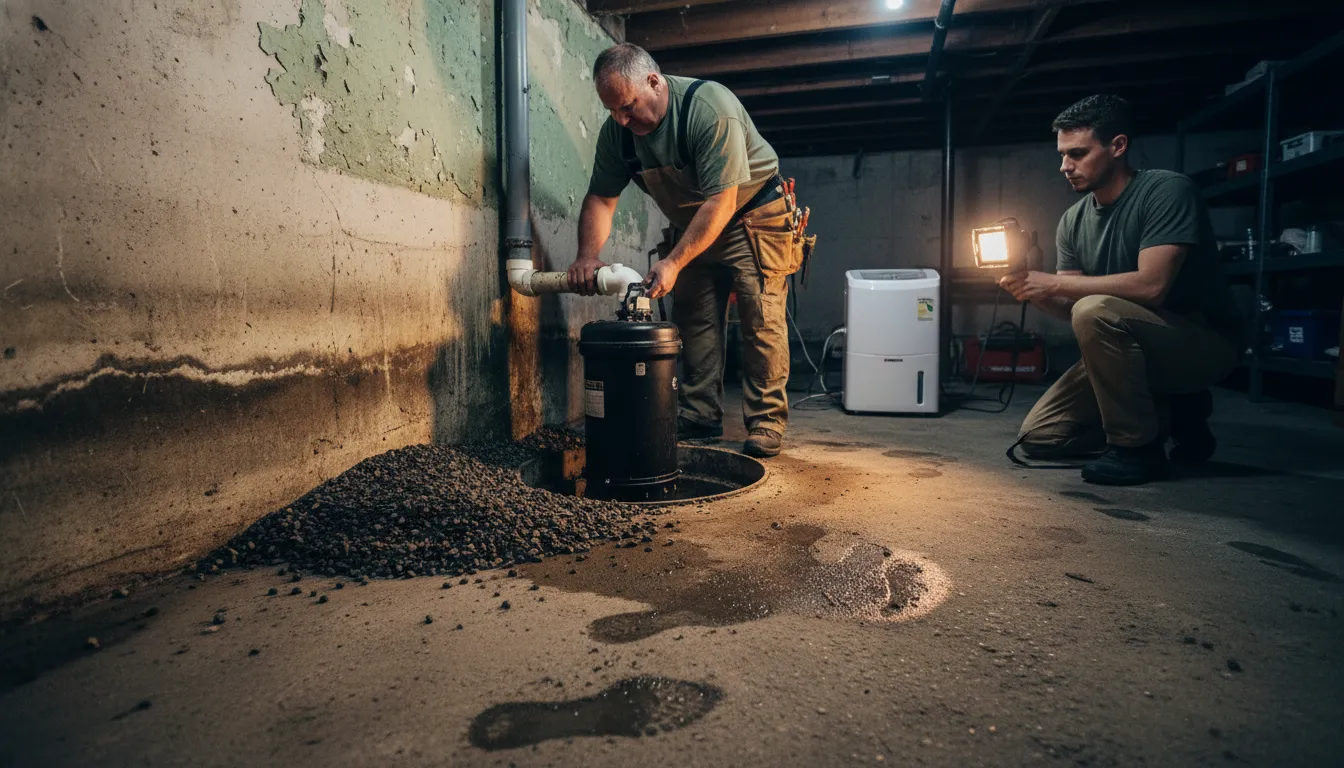
- The Sump Pit: This is the collection point, typically a lined basin set into the floor at the lowest point of the area you're protecting. Proper sizing is critical-a pit that's too small can cause the pump to cycle on and off too frequently (short-cycling), leading to premature burnout, while an oversized pit is inefficient. The pit is often surrounded by gravel for better water flow and filtration.
- The Pump Itself: This is the workhorse that moves the water. Choosing between pedestal and submersible models is a key decision, which we'll explore in the next section.
- Discharge Plumbing: Once the pump activates, it sends water through a discharge pipe. This pipe must have a proper slope to ensure water flows away from your home and is routed to a municipal storm drain, dry well, or other approved area. A check valve is installed in this line to prevent discharged water from flowing back into the pit once the pump turns off.
- The Lid: A sealed, airtight lid is highly recommended. It prevents debris from falling in, reduces operational noise, and most importantly, stops moist air from escaping into your home, which can contribute to humidity and odors.
- Power & Backup: The pump requires a dedicated GFCI (Ground Fault Circuit Interrupter) electrical circuit for safety. Given the importance of the system, especially during storms that may cause power outages, integrating a battery backup pump is a wise consideration for Santee homes.
Choosing the Right Pump for Your Home
Selecting the appropriate pump type depends on your specific needs, pit depth, and noise tolerance.
- Submersible Sump Pumps: These units are designed to operate completely submerged in the sump pit. They are generally quieter than pedestal models, more powerful for handling higher volumes of water, and are a common choice for new installations in residential basements. Because they are out of sight, they also offer a cleaner aesthetic.
- Pedestal Sump Pumps: In this design, the motor is mounted on a long pedestal above the sump pit, with only the impeller housing extending down into the water. They are a good option for shallower pits where a submersible won't fit and are often easier to access for service. However, they tend to be noisier during operation.
- Battery Backup Systems: This is not a primary pump type, but a critical add-on. A battery backup pump is a secondary unit that activates automatically if the main pump fails or if a power outage occurs during a storm. It provides crucial peace of mind, ensuring your basement remains protected even when the lights go out.
- Water-Powered Backup: These units use your home's municipal water pressure to create a suction that moves water out of the pit. They are a reliable backup option that doesn't require a battery, but their use depends on local code approval and they do consume potable water during operation.
Find the perfect sump pump installation & repair companies for your needs
Get personalized recommendations and expert advice
The Installation Process: What to Expect
Professional sump pump installation is a multi-step process that ensures long-term reliability and code compliance.
- Assessment & Planning: A technician will evaluate your basement or crawl space to identify the true lowest point for the pit and assess the water flow. They will also check local Santee and San Diego County requirements for permits, which can influence the project timeline and cost.
- Excavation: If a new pit is needed, this involves breaking through the concrete floor (in a basement) or digging in a crawl space. This is often the most labor-intensive part of the job and a significant cost driver.
- Pit Liner Placement: A durable, perforated sump liner is set into the excavated hole, often surrounded by gravel to facilitate water collection and filtering.
- Pump & Plumbing Setup: The chosen pump is placed and leveled in the pit. Discharge piping is installed, ensuring it has a consistent downward slope away from the house and includes a check valve. All connections are sealed to prevent leaks 2.
- Electrical Work: A licensed professional will run a dedicated electrical line to a GFCI outlet for the pump. If a battery backup is included, this system will also be wired and connected 3.
- System Testing & Finalization: The installer will test the pump by pouring water into the pit to trigger the float switch, ensuring it activates correctly, discharges water properly, and shuts off as designed. A sealed lid is then installed to complete the system 4.
Common Repair Issues and Maintenance
Even the best systems require occasional attention. Common signs you need sump pump repair include unusual noises, constant running, failure to activate, or visible rust and corrosion.
- Float Switch Problems: The float switch tells the pump when to turn on and off. If it gets stuck or fails, the pump may not run or may run continuously.
- Check Valve Failure: A faulty check valve allows water to flow back into the pit, causing the pump to re-pump the same water repeatedly (short-cycling), which wastes energy and wears out the pump.
- Clogged Intake or Discharge: Debris can clog the pump's screen or the discharge line, restricting water flow and causing the pump to overwork.
- Motor Burnout: Pumps have a finite lifespan. Overwork due to improper sizing, frequent power surges, or lack of maintenance can lead to motor failure.
Routine maintenance, like cleaning the pit, testing the pump by pouring in water, and ensuring the discharge line is clear, can extend your system's life. However, for repairs involving electrical components or major parts, professional service is strongly recommended. Repair costs in Southern California can range from a few hundred dollars for a simple part swap to over a thousand for more complex motor or plumbing issues.
Cost Considerations for Santee Homeowners
Sump pump service costs in Santee vary based on the scope of work, the equipment selected, and the complexity of the installation. Here's a general breakdown based on regional data:
- New Submersible Pump & Standard Installation: For replacing an existing pump in a pre-existing pit, homeowners can expect costs ranging from $800 to $2,000+, depending on the pump's horsepower and features 5.
- Complete New System Installation: This includes excavating a new sump pit, installing the liner, pump, and all new plumbing. This is a more involved project, with costs typically averaging between $1,500 and $3,500+ for the San Diego area 6 7. The need to break through concrete foundation is a major factor in this higher range.
- Adding a Battery Backup System: Installing a battery backup pump to complement your primary system generally adds $300 to $1,000 to the total project cost 8 9.
- Repair Costs: As mentioned, repairs can vary widely, from $100-$500 for minor part replacements to $1,000 or more for significant motor or system overhauls 10.
The final price for your project will be influenced by local labor rates, the specific pump model, any necessary electrical upgrades, and whether your home requires a perimeter drainage system (like a French drain) to channel water to the sump pit effectively 11 12. Always seek detailed, written estimates from qualified local professionals.
Frequently asked questions
Sources
Footnotes
-
Sump Pump Installation - Basement Systems - https://www.basementsystems.com/sump-pump/sump-pump-installation.html ↩
-
Sump Pump Installation in California | Six Steps to ... - https://www.socalcrawlspacesolutions.com/sump-pump/sump-pump-install.html ↩
-
How Much Does Sump Pump Service Cost In Los Angeles and San Diego? | McKowski's Maintenance Systems - https://mckowskis.com/blog/how-much-does-sump-pump-service-cost-in-los-angeles-and-san-diego/ ↩
-
Sump Pump Installation In the San Francisco Bay Area - https://www.foundationrepairofca.com/sump-pump/sump-pump-install.html ↩
-
The Ultimate Guide to Sump Pumps for Southern California - https://easypeezyplumbing.com/sump-pump-guide-southern-california/ ↩
-
Your Guide to Sump Pump Installation: Tips from the Pros - https://basementwaterproofingscientists.com/sump-pump-installation-guide-2025/ ↩
-
Sump Pump Labor Costs for Basement Installations - https://majewskiplumbing.com/sump-pump-labor-cost-pricing-guide-for-basement-installations/ ↩
-
Sump Pump Installation Cost Breakdown - Swift Plumbing & Heating - https://www.swiftplumb.com/blog/plumbing-service/the-cost-of-installing-a-sump-pump-what-to-expect/ ↩
-
Sump Pump Installation Cost Guide | 2026 Prices & Factors - https://modernize.com/foundations/basement-waterproofing/sump-pump-installation-cost ↩
-
Sump Pump Installation & Repair - SWAGS Plumbing and Rooter - https://www.swagsplumbing.com/sewer-drain/sump-pump-installation/ ↩
-
Sump Pumps & Drainage - - Silver Leaf Construction - - https://silverleaf-construction.com/sump-pumps-drainage/ ↩
-
Sump Pump Installation Costs: Hidden Expenses & Budgeting - https://sumppumpgurus.com/sump-pump-installation-cost-breakdown-8/ ↩