Find the Best Sump Pump Installation & Repair Companies for Your Business
No obligation • Fast responses • Nationwide coverage

Why you can trust Search a Plumber
Search a Plumber is a leading United States resource for finding and evaluating professional plumbing services. Our team researches licensing, experience, and customer feedback to create unbiased, fact-driven overviews. Companies cannot pay to change ratings or placement, ensuring homeowners get trustworthy information.
Search providers near you
Top Sump Pump Installation & Repair Companies in Milpitas, California Ranked
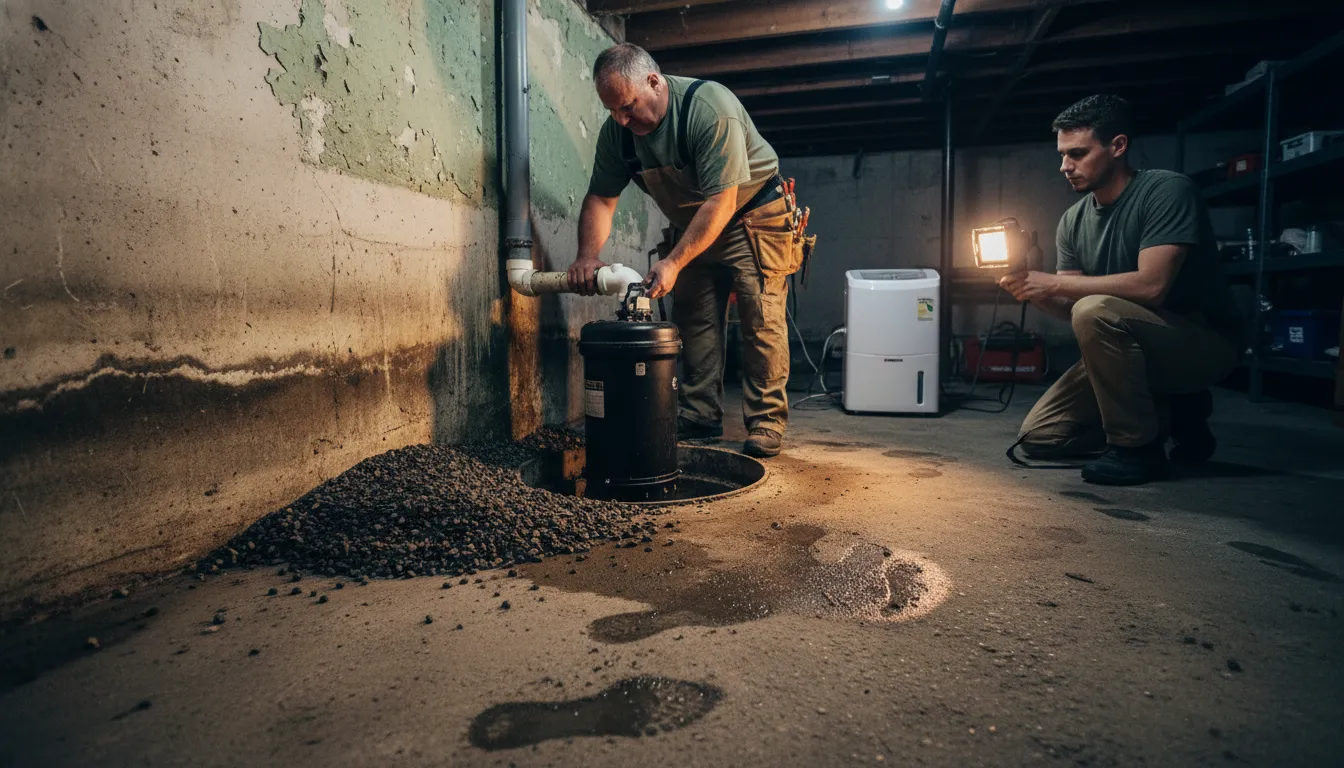
A properly functioning sump pump is your home's first line of defense against basement flooding and water damage. In Milpitas, where local soil conditions can increase flood risk, having a reliable water removal system is essential for protecting your property's foundation and value. This guide explains the critical aspects of sump pump services, from system design and installation to maintenance and repair, helping you connect with qualified local specialists who can assess your home's specific needs.

Caccia Home Services
1660 Gilbreth Rd, Burlingame, CA 94010
Caccia Home Services is a plumbing and home services provider based in Oakland, CA. They offer a wide range of plumbing solutions including water heater repair and installation, tankless water heaters, water softener installation, sump pump repair, hydro jetting, sewer line repair, trenchless sewer services, repiping, gas line installation, toilet and garbage disposal repairs. Their capabilities include advanced hydro jetting and trenchless sewer repair techniques. The company also provides emergency plumbing services and water treatment options.
Mr. Rooter Plumbing of The Oakland-Berkeley Area
50 Hegenberger Loop, Oakland, CA 94621
Mr. Rooter Plumbing of The Oakland-Berkeley Area provides a wide range of plumbing services to residential and commercial customers in San Francisco, CA, and the surrounding cities including Oakland, Berkeley, and Alameda. Their services include drain cleaning, sewer line repair, water heater installation and repair, sump pump repair, leak detection, and trenchless sewer repair. The company uses advanced technology such as HydroScrub® Jetting and plumbing video cameras to address plumbing issues effectively. With decades of experience, Mr. Rooter Plumbing offers emergency plumbing services and backs their work with a satisfaction promise to ensure quality results.
Michael Gardner Plumbing
16038 Vía Nueva, San Lorenzo, CA 94580
Michael Gardner Plumbing is a locally owned plumbing service based in San Francisco, CA. Established in 2022, the company offers a wide range of plumbing services including sewer camera inspections, water heater repair and installation, sump pump repair, drain cleaning, hydro jetting, sewer line repair, trenchless sewer repair, repiping, gas line installation, and toilet repair. Michael Gardner, a third-generation plumber, brings extensive experience from working with Oro Loma Sanitary District and ARS Rescue Rooter East Bay, specializing in gas, sewer, and water repair and replacement. The business is licensed, bonded, and insured, and provides services for new construction, remodels, and emergency plumbing needs.
Advanced Quality Plumbing & Rooter
7052 Santa Teresa Blvd #77, San Jose, CA 95139
Advanced Quality Plumbing & Rooter is a plumbing service provider based in San Jose, CA. They offer a wide range of plumbing solutions including water heater repair and installation, sewer camera inspections, hydro jetting, drain cleaning, sump pump repair, leak detection, repiping, and gas line installation. Their capabilities include high-quality 4K video pipe inspections and high-pressure hydro jetting with advanced tip technology. The company emphasizes craftsmanship and staying updated with the latest plumbing technologies to ensure thorough and reliable service.
Roto-Rooter Plumbing & Water Cleanup
2078 Walsh Ave c1, Santa Clara, CA 95050
Roto-Rooter Plumbing & Water Cleanup provides a wide range of plumbing services in San Jose, CA, including drain cleaning, water heater repair and installation, sewer line repair, and water softener installation. They serve both residential and commercial clients, offering specialized capabilities such as hydro jetting and trenchless sewer repair. The company is fully licensed and insured, with emergency plumbing services available 24/7 throughout the year.
Why Milpitas Homes Need Sump Pumps
The foundation of your home is constantly interacting with the surrounding soil and groundwater. In the San Francisco Bay Area, including Milpitas, the prevalence of clay soil is a significant factor for homeowners. Clay absorbs water slowly and drains poorly, which means during heavy rains, water can pool around your foundation instead of percolating away. This hydrostatic pressure forces moisture through cracks and joints, leading to a wet basement or crawlspace. A sump pump system actively manages this water by collecting it in a specially constructed pit and pumping it safely away from your home's foundation 1. For homes with basements or low-lying areas, this isn't just an upgrade-it's a crucial component of a dry, healthy living environment.
Designing an Effective Basement Drainage System
A successful installation starts with a professional assessment. Local experts don't just install a pump; they design a comprehensive water management solution tailored to your property. This process involves evaluating your home's grading, soil type, and the natural flow of water 2 3. A common and effective design includes a perimeter French drain system. This involves trenching around the interior perimeter of the basement footing, laying a perforated pipe in gravel, which collects incoming water and channels it to a central sump pit 4 5. The pump then activates to eject the water. This integrated approach addresses the water before it enters your living space, rather than just reacting to it.
Key Components of a Sump System
Understanding the parts of your system helps you communicate with professionals and make informed decisions:
- Sump Pit: A hole (typically 18-24 inches in diameter and 24-36 inches deep) dug in the lowest part of the basement or crawlspace, often lined with a durable plastic or concrete basin.
- Discharge Pipe: The pipe that carries water from the pump to the exterior. It must extend at least 10 feet from the foundation to ensure water is diverted effectively.
- Check Valve: Installed on the discharge pipe, this crucial valve prevents ejected water from flowing back into the pit once the pump turns off.
- Gravel Base: Placed in the bottom of the pit, it prevents debris from clogging the pump intake.
Types of Sump Pumps and Backup Systems
Choosing the right pump depends on your home's water volume, pit size, and noise preferences.
- Submersible Pumps: These units sit entirely within the sump pit, submerged in water. They are generally more powerful and quieter than pedestal models, making them a preferred choice for homes with significant water intrusion or living spaces near the basement. Their sealed design protects the motor from moisture.
- Pedestal Pumps: In this design, the motor is mounted on a long column (pedestal) above the sump pit, with only the impeller extending down into the water. They are typically less expensive, have a longer motor life due to better cooling, and are easier to access for service. They are a good fit for smaller pits or areas with less frequent water issues.
The most critical decision you can make is adding a backup system. Power outages often coincide with the severe storms that cause flooding. A backup pump ensures continuous protection.
- Battery Backup: A secondary pump powered by a deep-cycle battery and charger. It automatically takes over if the primary pump fails or if power is lost.
- Water-Powered Backup: Uses your home's municipal water pressure to create a suction that pumps water. It doesn't require electricity or batteries but does use municipal water while operating 6.
Many professionals recommend a combination system with a primary submersible pump and a battery-backed secondary pump for maximum reliability.
The Professional Installation and Repair Process
A proper installation by a licensed technician ensures your system works correctly when you need it most.
For a new installation, the process typically includes:
- Excavation: Digging the sump pit, which may involve breaking through concrete flooring.
- Electrical Work: Installing a dedicated, GFCI-protected outlet near the pit to safely power the pump.
- Plumbing: Connecting the discharge piping, securing it, and ensuring it terminates properly away from the foundation. Installing the check valve is a key step here 7 8.
- System Setup: Placing the liner and gravel, installing the pump, testing the float switch (which activates the pump), and verifying the entire system operates automatically.
Repair services are often a more immediate and cost-effective solution than a full replacement if your existing system fails. Common repairs include:
- Replacing a burned-out or failing pump.
- Clearing a stuck or faulty float switch.
- Unclogging the pump intake or discharge line.
- Fixing or replacing a malfunctioning check valve.
- Addressing issues with the backup battery or charger.
Find the perfect sump pump installation & repair companies for your needs
Get personalized recommendations and expert advice
Understanding Costs for Sump Pump Services in Milpitas
Investment in a sump pump system varies based on the scope of work, the type of equipment, and your home's specific challenges. Here's a breakdown of what to expect:
- Basic Pump Installation: Installing a new primary pump into an existing, functional pit typically ranges from $800 to $2,000. This includes the pump, basic labor, and necessary plumbing/electrical connections.
- New Pit Excavation: If a new pit needs to be dug, especially through a concrete basement floor, this adds significant labor and cost, generally between $1,500 and $3,500 to the total project 9.
- Battery Backup System: Adding a quality battery backup pump and battery unit usually costs an additional $300 to $1,000 10.
- Comprehensive Drainage Solution: For a full system including interior French drains that channel water to the sump pit, costs can range from $4,000 to $8,000 or more, depending on the linear footage of drainage and complexity 11.
- Labor Rates: Professionals often charge between $100 and $200 per hour for this specialized work. A standard installation without major excavation might involve $400 to $1,200 in labor costs 12.
- Repair Costs: Repairing an existing system is frequently less expensive, as it focuses on specific components rather than a full installation. The cost depends entirely on the part that needs replacement.
While a DIY approach for parts alone might seem to cost between $245 and $815, professional installation is strongly advised 13. An expert ensures correct sizing, proper electrical and plumbing connections, and that the entire system-including the critical discharge location-is configured for long-term, reliable operation.
Maintaining Your Sump Pump
Once installed, simple maintenance can extend the life of your system and prevent failures.
- Test Regularly: Pour a bucket of water into the pit to trigger the float and ensure the pump activates and drains the pit completely.
- Inspect the Discharge Line: Ensure the exterior outlet is clear of debris, ice, or obstructions, especially after storms or in winter.
- Check the Check Valve: Listen for a "thump" when the pump turns off, indicating the valve is working to prevent backflow.
- Clean the Pit: Periodically remove any silt, gravel, or debris that may have accumulated in the pit, which can clog the pump.
- Backup Battery Care: If you have a battery backup, test it quarterly and have it serviced or replaced according to the manufacturer's recommendations.
Frequently asked questions
Sources
Footnotes
-
How Does a Sump Pump Work? - Roto-Rooter - https://www.rotorooter.com/blog/sump-pumps/the-purpose-of-a-sump-pump/ ↩
-
Sump Pumps & Drainage - - Silver Leaf Construction - - https://silverleaf-construction.com/sump-pumps-drainage/ ↩
-
Sump Pump Installation In the San Francisco Bay Area - https://www.foundationrepairofca.com/sump-pump/sump-pump-install.html ↩
-
We Provide Basement Waterproofing Services in Milpitas, CA - https://www.basementsystems.com/basement-waterproofing/california-ca/milpitas-waterproofers.html ↩
-
Sump Pump Installation in Milpitas, CA - Costs 01 / 2026 - https://www.homeyou.com/ca/sump-pump-installation-milpitas-costs ↩
-
Sump Pump Installation Cost Guide | 2026 Prices & Factors - https://modernize.com/foundations/basement-waterproofing/sump-pump-installation-cost ↩
-
Your Guide to Sump Pump Installation: Tips from the Pros - https://basementwaterproofingscientists.com/sump-pump-installation-guide-2025/ ↩
-
Sump Pump Basics and Basement Drainage - https://www.onpointnyct.com/2025/04/03/everything-you-need-to-know-about-sump-pumps-and-basement-drainage-systems/ ↩
-
Sump Pump Installation Cost Breakdown - https://www.swiftplumb.com/blog/plumbing-service/the-cost-of-installing-a-sump-pump-what-to-expect/ ↩
-
The Cost to Install a Sump Pump - The Basic Basement Co. - https://donefor9999.com/the-cost-to-install-a-sump-pump/ ↩
-
Basement sump pump installation: 7 Powerful Steps for Success 2025 - https://basementwaterproofingscientists.com/basement-sump-pump-installation/ ↩
-
How Much Does Sump Pump Installation Cost? 5 Factors - https://freedomplumbingmidwest.com/sump-pump-installation-cost/ ↩
-
How Much Does It Cost to Install a Sump Pump? [2026 Data] | Angi - https://www.angi.com/articles/sump-pump-installation-cost.htm ↩