Find the Best Sump Pump Installation & Repair Companies for Your Business
No obligation • Fast responses • Nationwide coverage

Why you can trust Search a Plumber
Search a Plumber is a leading United States resource for finding and evaluating professional plumbing services. Our team researches licensing, experience, and customer feedback to create unbiased, fact-driven overviews. Companies cannot pay to change ratings or placement, ensuring homeowners get trustworthy information.
Search providers near you
Top Sump Pump Installation & Repair Companies in Hawthorne, California Ranked
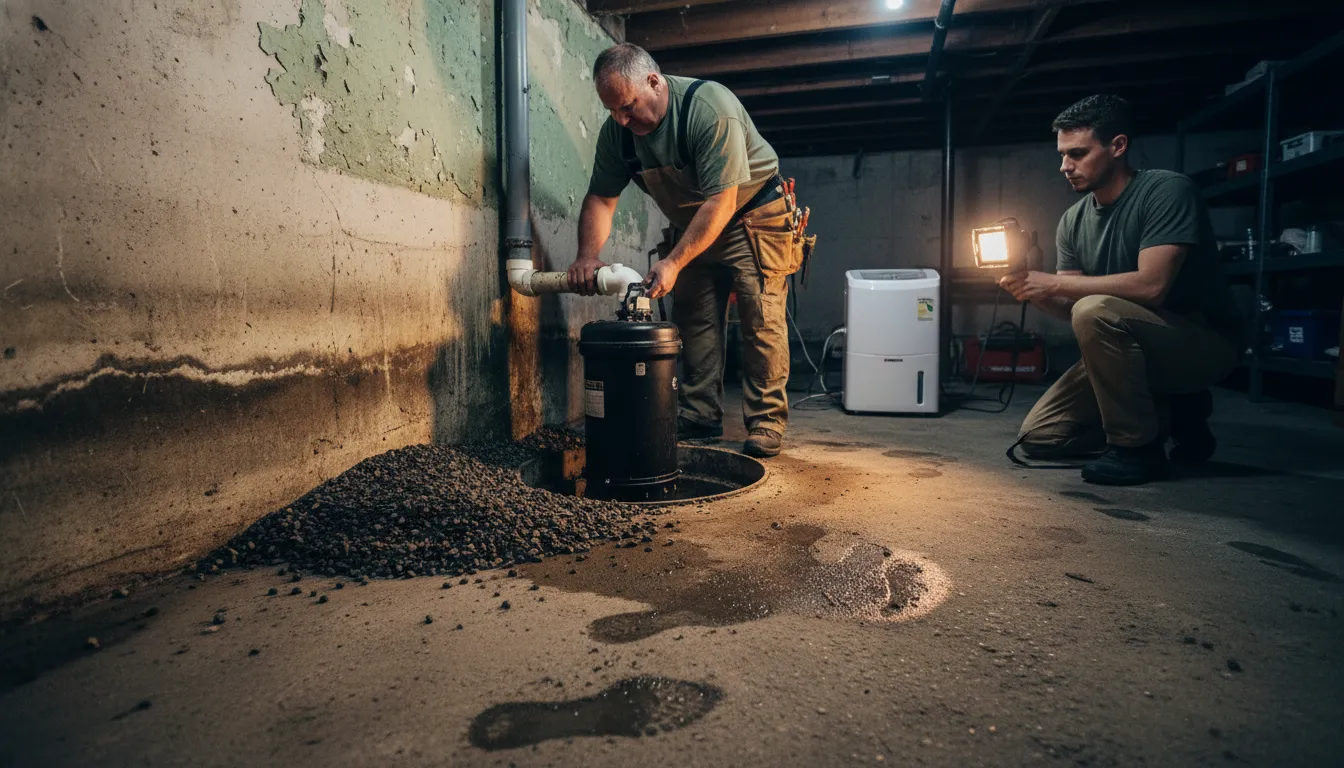
A sump pump is a critical line of defense for Hawthorne homes with basements or crawl spaces, actively protecting your property from costly water damage and mold growth. These systems work by collecting groundwater that seeps into a specially dug pit and pumping it safely away from your foundation. Given Southern California's unique soil conditions and the potential for heavy rains, a professionally installed and maintained sump pump is an essential investment. This guide will help you understand the key considerations for sump pump services, from selecting the right system to recognizing when you need a repair, so you can find the right local expert for your home.
Plumbing Service Solutions - Harbor City
25843 Frampton Ave, Harbor City, CA 90710
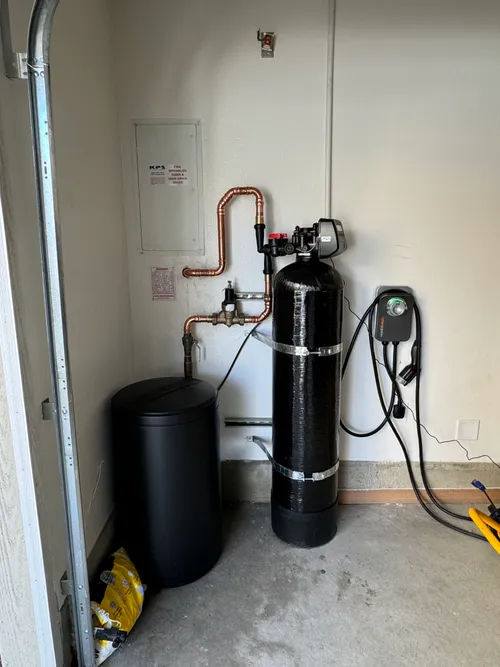
Plumbing Service Solutions - Harbor City offers a wide range of plumbing services in Long Beach, CA, including water heater repair and installation, sump pump repair, drain cleaning, sewer line repair, and gas line installation. They serve both residential and commercial customers in the South Bay Area with expertise in trenchless sewer repair and hydro jetting. The team uses modern tools and technology to deliver lasting plumbing solutions and is available 24/7 for emergencies.
Plumbing Service Solutions - San Pedro Ca
222 W 6th St #400, San Pedro, CA 90731
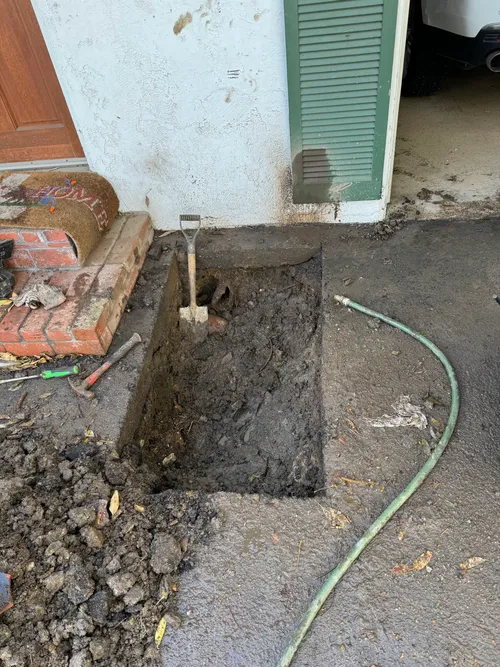
Plumbing Service Solutions - San Pedro Ca offers a wide range of plumbing services in Long Beach, CA, including water heater repair and installation, sump pump repair, drain cleaning, sewer line repair, and gas line installation. They serve both residential and commercial customers with expertise in trenchless sewer repair and hydro jetting. The team uses modern tools and technology to deliver accurate and lasting repairs. Available 24/7, they provide timely assistance for plumbing emergencies and routine maintenance.
Roto-Rooter Plumbing & Water Cleanup
201 N Brand Blvd Ste 2226, Glendale, CA 91203
Roto-Rooter Plumbing & Water Cleanup is a licensed plumbing company serving Los Angeles, CA, and the surrounding Glendale area. They offer a wide range of plumbing services including water heater repair and installation, drain cleaning, leak detection, sump pump repair, toilet repair, and garbage disposal repair. The company uses state-of-the-art equipment for drain cleaning and sewer camera inspections to effectively address plumbing issues. Established in 1935, Roto-Rooter has over 90 years of experience and provides 24/7 emergency plumbing services without extra charges for nights, weekends, or holidays.
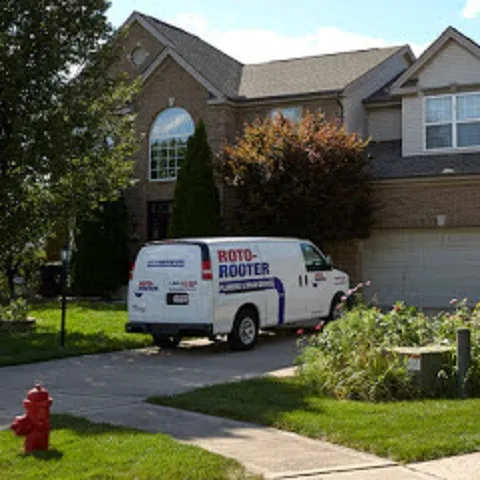
Roto-Rooter Plumbing & Water Cleanup
3115 W Olive Ave Ste 106, Burbank, CA 91505
Roto-Rooter Plumbing & Water Cleanup is a full-service plumbing company serving Los Angeles, CA. They offer a wide range of plumbing services including sewer camera inspection, water heater repair and installation, sump pump repair, drain cleaning, leak detection, toilet repair, and garbage disposal repair. The company uses state-of-the-art drain cleaning equipment and provides 24/7 emergency plumbing services with no extra charges for nights, weekends, or holidays. Established in 1935, Roto-Rooter has over 90 years of experience in the plumbing industry, ensuring reliable service for both residential and commercial clients.
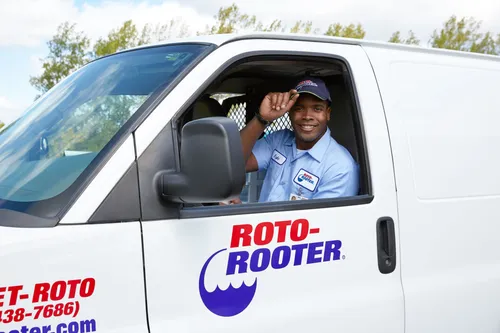
Roto-Rooter Plumbing & Water Cleanup
12240 Venice Blvd. Ste 24A, Los Angeles, CA 90066
Roto-Rooter Plumbing & Water Cleanup has been serving the Los Angeles, CA area since 1935, offering a wide range of plumbing services including sewer camera inspections, water heater repair and installation, sump pump repair, drain cleaning, sewer line repair, leak detection, toilet repair, and garbage disposal repair. The company provides full-service plumbing for both residential and commercial customers, using state-of-the-art equipment to diagnose and resolve plumbing issues efficiently. They offer 24/7 emergency plumbing and water cleanup services with no extra charges for nights, weekends, or holidays, ensuring help is available whenever needed.
Why Hawthorne Homes Need Sump Pumps
While Hawthorne may be known for its sunshine, the risk of basement and crawl space flooding is a real concern for many homeowners. The primary threat comes from groundwater, which can rise due to seasonal rains or the area's specific hydrological conditions. Southern California soils, often containing dense clay, are a significant factor. Clay soil impedes proper drainage, causing water to pool around your foundation instead of percolating down. This creates hydrostatic pressure that can force moisture through basement walls and floor cracks1 2.
A sump pump system directly combats this by intercepting water before it enters your living space. It acts as the endpoint for a perimeter drainage system, collecting water and ejecting it to a safe discharge point. Without this protection, you risk not just a wet basement but also long-term structural issues, damaged belongings, and unhealthy mold growth. For Hawthorne residents, installing a sump pump isn't just about handling a current leak; it's a proactive measure to safeguard your home's value and integrity against the region's challenging soil dynamics.
Key Components of a Sump Pump System
Understanding the parts of a sump pump setup will help you communicate effectively with service providers and make informed decisions.
- The Sump Pit: This is the cylindrical basin, typically made of durable plastic or concrete, buried in the lowest part of your basement or crawl space. It collects incoming groundwater.
- The Pump: The mechanical heart of the system. It sits inside or above the pit and activates automatically when water reaches a certain level.
- The Discharge Line: This pipe carries the pumped water from your home to a designated drainage area, such as a storm drain or a sloped area away from the foundation. Proper installation of this line is crucial to prevent water from circling back.
- The Check Valve: Installed on the discharge line, this one-way valve prevents ejected water from flowing back into the pit once the pump turns off.
- The Float Switch: This trigger mechanism turns the pump on and off. As water fills the pit, the float rises and activates the pump. Once the water level drops, the float falls and shuts the pump off.
- Backup Power Source: A critical addition for reliability. Since power outages often occur during severe storms, a battery backup or water-powered backup pump ensures your system continues to operate when you need it most.
Types of Sump Pumps: Submersible vs. Pedestal
Choosing between the two main types of sump pumps depends on your space, noise tolerance, and usage needs.
Submersible Sump Pumps: These units are designed to operate fully submerged in the water within the sump pit. The pump and motor are housed together in a sealed, watertight casing. Submersible pumps are generally quieter because the water muffles the motor sound, making them a preferred choice for living areas near the basement. They are also more discreet, as only the lid of the pit is visible. These pumps are often more powerful and suitable for homes with higher water volume or that experience frequent activation.
Pedestal Sump Pumps: In this design, the motor is mounted on a long pedestal above the sump pit, with only the pump impeller extending down into the water. The main advantage of a pedestal pump is its accessibility for service and repairs, as the motor is easy to reach3 4. They are typically less expensive and have a longer motor life due to better cooling. However, they are noticeably louder and take up more visible space in your basement. They are often a good fit for smaller, narrow pits or for auxiliary backup duty5.
For the most comprehensive protection, especially in Hawthorne's clay soil, the best practice is to integrate the sump pump with a perimeter drainage system, like a French drain, that channels water from around the entire foundation to the pit6 7.
The Professional Installation Process
A proper sump pump installation is not a simple DIY project. It involves excavation, plumbing, and electrical work to ensure long-term reliability and compliance with local codes. Here's what a professional installation typically entails:
- Site Assessment & Planning: A technician will evaluate your basement, identify the water entry points, and determine the optimal location for the sump pit-usually at the lowest point where water naturally collects.
- Excavation: The pit location is marked, and concrete is broken up (if necessary) to dig a hole deep and wide enough for the sump basin.
- Basin Placement: The sump basin is set into the hole, and the surrounding area is filled with gravel to facilitate water flow into the pit and provide stability.
- Pump & Plumbing Installation: The pump is placed inside the basin. The discharge pipe is connected and routed to exit your home, ensuring it has a consistent downward slope. A check valve is installed.
- Electrical Connection: A dedicated grounded outlet is installed near the pit (required by code), and the pump is plugged in. For backup systems, the battery or water-powered unit is also connected.
- System Testing & Backfill: The system is tested by pouring water into the pit to trigger the float switch. Once confirmed operational, the area around the basin is backfilled, and the pit is sealed with an airtight lid to prevent moisture and radon gas from entering the home.
A full installation can take several hours to a full day, depending on the complexity and whether new drainage is being added.
Find the perfect sump pump installation & repair companies for your needs
Get personalized recommendations and expert advice
Recognizing the Need for Repairs
Even a well-installed sump pump requires attention. Catching problems early can prevent a failure during the next downpour. Be alert for these common signs:
- Unusual Noises: Grinding, rattling, or screeching sounds often indicate a damaged impeller or worn bearings.
- Constant Running: If the pump runs continuously without shutting off, it could be due to a stuck float switch, an incorrectly set switch, or a pump that is undersized for the water inflow.
- Failure to Activate: This is the most serious warning sign. The cause could be a failed float switch, a tripped circuit breaker, a burnt-out motor, or a clogged intake screen.
- Visible Rust or Corrosion: This can signal that the pump is aging or that the pit is not draining properly, leaving the pump sitting in water.
- Cycling On and Off Rapidly: This short-cycling can be caused by a float switch tangled in debris or a check valve that isn't holding, allowing water to flow back into the pit.
Common repairs involve replacing the float switch, clearing clogs in the pump or discharge line, or fixing a faulty check valve 8. If the pump motor has failed, replacement is usually more cost-effective than repair, especially for units over seven years old.
Essential Maintenance for Longevity
Proactive maintenance is the key to ensuring your sump pump is ready when you need it. A typical system lasts 7 to 10 years, but neglect can shorten that lifespan significantly 9.
Quarterly DIY Checks:
- Test the Pump: Slowly pour a bucket of water into the sump pit until the float rises and activates the pump. Ensure it turns on, pumps out the water, and shuts off automatically.
- Inspect the Pit: Remove the lid and check for debris like silt, gravel, or sticks that could clog the pump. Clean the pit if necessary.
- Check the Discharge Line: Ensure the outdoor exit point is clear of leaves, dirt, or ice. Water should flow freely away from your foundation.
Annual Professional Service: Having a technician perform an annual inspection is highly recommended. They will:
- Thoroughly clean the pump and pit.
- Test the pump under a simulated load.
- Inspect the check valve and discharge line for integrity.
- Test and service the backup power system (battery, charger, etc.).
- Verify that all electrical connections are safe and secure.
This professional tune-up can identify small issues before they lead to a catastrophic failure.
Understanding Costs in Hawthorne
The cost of sump pump services in Hawthorne varies based on the scope of work, the type of pump, and the complexity of the installation.
- Full System Installation: For a new sump pump system including the pump, pit, plumbing, and electrical work, homeowners can expect an average cost between $1,000 and $2,50010 11. A basic, straightforward installation may be on the lower end, while integrating the pump with a new perimeter drain or dealing with difficult access can increase the price.
- Pump-Only Replacement: If you have an existing pit and plumbing in good condition, replacing just the pump unit typically costs less, with pump prices ranging from about $80 for a basic model to $1,200 for a high-capacity, durable unit 12.
- Comprehensive Waterproofing System: For homes with significant water issues, a full solution involving interior French drains, multiple sump pits, and high-capacity pumps can reach $4,000 or more due to the extensive labor and materials required13 14.
- Repair Costs: Common repairs like replacing a float switch or clearing a clog are generally less expensive, often ranging from $150 to $400, depending on the part and labor involved. A full motor replacement will cost more, similar to a new pump installation.
Always seek detailed, written estimates from local Hawthorne professionals that break down labor and material costs.
Frequently asked questions
Sources
Footnotes
-
Sump Pump Installation - Basement Systems - https://www.basementsystems.com/sump-pump/sump-pump-installation.html ↩
-
Sump Pumps - https://www.duluthwaterproofingcompany.com/sump-pumps ↩
-
Sump Pump Installation In the San Francisco Bay Area - https://www.foundationrepairofca.com/sump-pump/sump-pump-install.html ↩
-
Characteristics like lifespan, reliability, capacity, noise and lifetime cost of submersible sump pumps. - https://www.cleancrawlspace.com/sump-pump/sump-pump-reviews.html ↩
-
Basement Sump Pumps: Types, Costs, and Maintenance - https://www.arkbasementservices.com/basement-sump-pumps-types-costs-and-maintenance/ ↩
-
Sump Pump Types: Choosing the Right Protection for Your Home - https://www.qualitywaterproofing.com/blog/sump-pump-types-choosing-the-right-protection-for-your-home ↩
-
Sump Pumps & Sump Pits Explained - YouTube - https://www.youtube.com/watch?v=KodiWjEf17o ↩
-
Sump Pump Installation Services in Southern California - https://www.rapidplumbing.net/sump-pump-installation ↩
-
Basement sump pump installation: 7 Powerful Steps for Success 2025 - https://basementwaterproofingscientists.com/basement-sump-pump-installation/ ↩
-
The Real Deal: How Much Does Sump Pump Labor Truly Cost? - https://oriolebw.com/what-is-the-labor-cost-to-install-a-sump-pump/ ↩
-
How Much Does It Cost to Install a Sump Pump? [2026 Data] | Angi - https://www.angi.com/articles/sump-pump-installation-cost.htm ↩
-
Your Guide to Sump Pump Installation: Tips from the Pros - https://basementwaterproofingscientists.com/sump-pump-installation-guide-2025/ ↩
-
The Ultimate Guide to Sump Pumps for Southern California - https://easypeezyplumbing.com/sump-pump-guide-southern-california/ ↩
-
How much does it cost to waterproof a basement? 2025 Powerful Guide - https://basementwaterproofingscientists.com/how-much-does-it-cost-to-waterproof-a-basement/ ↩