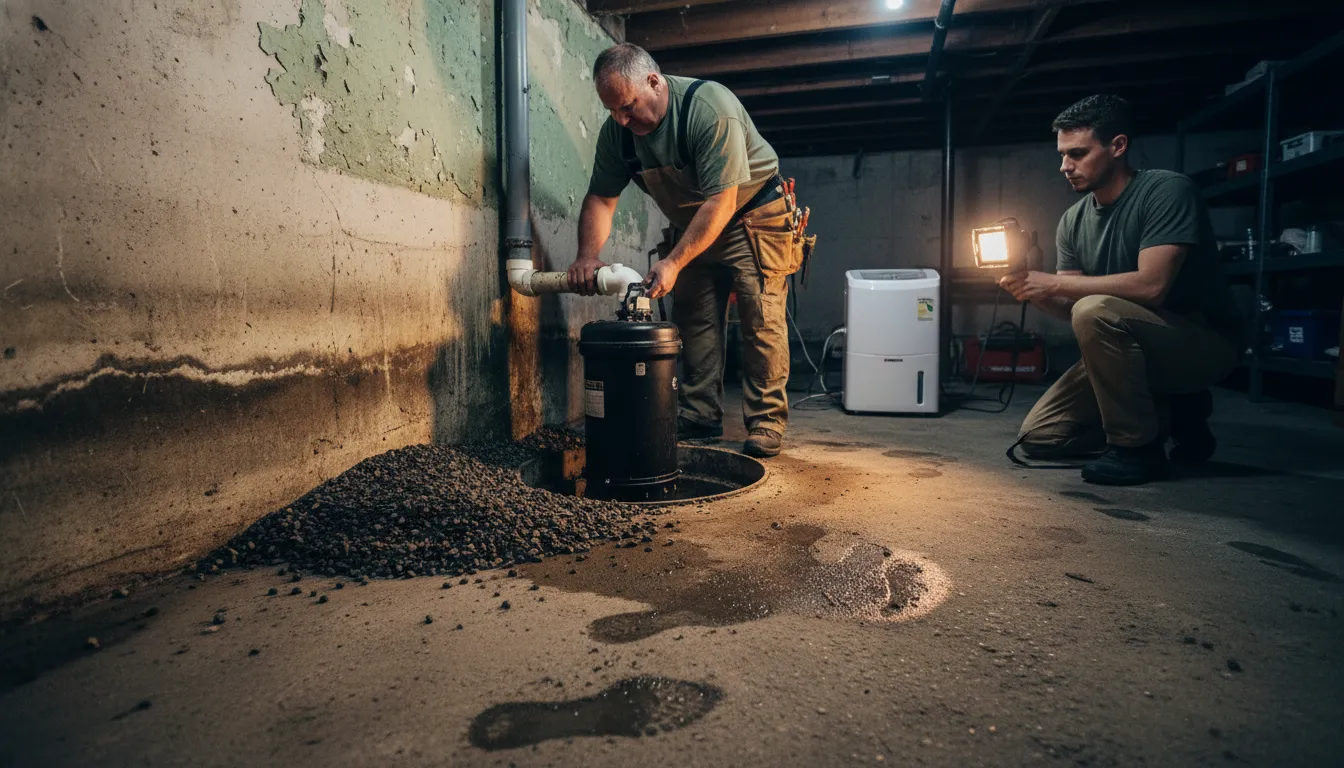
Find the Best Sump Pump Installation & Repair Companies for Your Business
No obligation • Fast responses • Nationwide coverage

Why you can trust Search a Plumber
Search a Plumber is a leading United States resource for finding and evaluating professional plumbing services. Our team researches licensing, experience, and customer feedback to create unbiased, fact-driven overviews. Companies cannot pay to change ratings or placement, ensuring homeowners get trustworthy information.
Search providers near you
Best Sump Pump Installation & Repair Companies in Alaska Ranked
In Alaska, a reliable sump pump system is a critical line of defense against basement and crawl space flooding. The state's unique climate, with its high groundwater tables, heavy snowmelt, and frequent power outages, makes these systems essential for protecting your home's foundation and interior from costly water damage. This guide provides a detailed overview of sump pump services, from selecting the right type of pump for Alaskan conditions to understanding installation requirements and maintenance. You can use this information to find qualified local professionals who can assess your property and implement an effective water management solution.
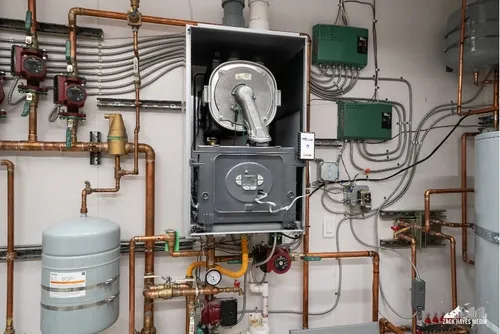
Extreme Heating and Air
16805 Farm Ave, Eagle River, AK 99577
Extreme Heating and Air provides plumbing and HVAC services in Anchorage, AK, and surrounding areas including Eagle River, Big Lake, Girdwood, Palmer, and Wasilla. Their services cover water heater repair and installation, water softener installation, sump pump repair, gas line installation, and toilet repair. The company is known for its certified technicians who stay updated with the latest industry advancements. They demonstrated strong community commitment during the 2018 Anchorage earthquake by working extended shifts to restore heat and hot water. Extreme Heating and Air also offers 24-hour emergency service for urgent needs.
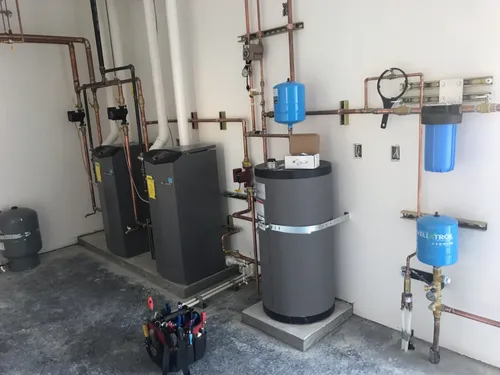
Boiler Man Plumbing & Heating
9161 E Frontage Rd, Palmer, AK 99645
Boiler Man Plumbing & Heating is a family-owned business serving Anchorage, AK, since 2008. They provide a wide range of plumbing and heating services for both residential and commercial customers, including water heater installation and repair, gas line installation, sump pump repair, and boiler system services. The company is experienced in handling new construction, remodels, and additions, with capabilities such as hydronic in-floor heating and gas piping. Led by a team with over 28 years of industry experience, Boiler Man Plumbing & Heating has built a reputation based on quality work and customer referrals. They also offer maintenance plans and emergency heating services.
Why Sump Pumps Are Essential in Alaska
Alaska's environment presents specific challenges that make sump pumps more than just a convenience-they are a necessity for many homeowners. The primary threats come from groundwater intrusion and seasonal snowmelt. During the spring thaw, vast amounts of frozen ground and snow release water, which can saturate the soil around your foundation and seep into your basement. Furthermore, many areas in Alaska have naturally high water tables, meaning groundwater is consistently close to the surface, putting constant hydrostatic pressure on basement walls and floors.
Without a proper drainage system, this water has nowhere to go but into your home, leading to mold growth, structural damage, and ruined belongings. A sump pump system actively collects this water in a pit and pumps it safely away from your foundation, keeping your basement dry and stable year-round.
Types of Sump Pumps for Alaskan Homes
Choosing the correct pump type is crucial for effective operation in Alaska's demanding conditions. The main categories are defined by their placement and power source.
Submersible Pumps: These units are designed to sit directly inside the sump pit, submerged in water. They are typically quieter than other types, as the water muffles the motor sound, and are sealed to be waterproof. Submersible pumps are generally more efficient for handling heavier water volumes, making them a popular choice for primary systems.
Pedestal Pumps: In this design, the motor is mounted on a long pedestal above the sump pit, with only the intake pipe extending into the water. They are often more cost-effective upfront and can be easier to access for minor repairs. However, they tend to be noisier and are less efficient for high-volume water removal.
Battery Backup Systems: This is arguably the most critical feature for an Alaskan sump pump. Power outages during storms are common, which is precisely when your pump is needed most. A battery backup pump (often integrated into a system like a TripleSafe unit) automatically kicks in when the main power fails, providing crucial protection until electricity is restored 1 2. For maximum security, many professionals recommend a system with a primary pump, a secondary backup pump, and a battery-powered third pump.
Water-Powered Pumps: These pumps use the pressure from your municipal water supply to create a vacuum and pump water out. They are a reliable backup option that doesn't rely on electricity or batteries, but they are less common and require a significant amount of water to operate, which may be a consideration 3 4.
Key Components of a Sump Pump System
A functional system involves more than just the pump itself. Proper installation of all components is key to long-term performance.
- The Sump Pit: This is a hole (typically 18-24 inches in diameter and 24-36 inches deep) dug in the lowest part of the basement or crawl space, often near a foundation wall. It is lined with a durable plastic or concrete liner and surrounded by gravel to facilitate water flow into the pit 5. In existing concrete floors, excavating for a new pit is a significant part of the installation cost.
- The Discharge Line: This pipe carries the pumped water away from your home. It must have a consistent downward slope to prevent water from flowing back. In Alaska, insulating exposed discharge lines is critical to prevent them from freezing and blocking the system, which could cause the pump to burn out or allow water to back up into the basement.
- Perimeter Drainage (French Drain): For comprehensive protection, a network of perforated pipes is installed around the interior or exterior perimeter of the foundation, beneath the floor. These pipes collect water seeping through the walls or up from the ground and channel it directly into the sump pit 6.
- Electrical Requirements: A sump pump should be connected to a dedicated Ground Fault Circuit Interrupter (GFCI) electrical outlet to prevent shock hazards, especially in the damp environment of a basement.
Find the perfect sump pump installation & repair companies for your needs
Get personalized recommendations and expert advice
The Installation Process: What to Expect
Professional installation ensures your system is built to handle Alaskan conditions. The process typically involves:
- Site Assessment: A technician will evaluate your basement, identify the water source and the lowest point, and check local building codes.
- Excavation: Using specialized tools, a hole is cut into the concrete floor and the pit is dug. This is the most labor-intensive step.
- Pit Lining and Gravel Base: The liner is placed, and gravel is added around it to aid drainage.
- Pump Placement: The primary pump (and backup pump if included) is positioned in the pit and connected to the discharge line.
- Discharge Line Routing: The PVC pipe is run from the pump, through the basement wall (via a drilled hole with a sealed sleeve), and extended to a point where water can drain safely away from the foundation. Insulation is applied to above-ground sections.
- Electrical Connection: The pump is wired into a dedicated GFCI circuit, and the backup battery system is configured.
- System Testing: The installer will test the pump by pouring water into the pit to activate the float switch and ensure proper operation and discharge.
Recognizing When You Need Repair or Replacement
Even well-maintained pumps eventually wear out. Knowing the signs of trouble can prevent a failure during the next big melt or storm.
Common Signs of a Failing Pump:
- Unusual Noises: Grinding, rattling, or loud humming sounds often indicate a worn motor or damaged impeller.
- Continuous Running: If the pump runs constantly without cycling off, it could be undersized for the water volume, have a stuck switch, or there may be an issue with the check valve allowing water to flow back into the pit.
- Failure to Start: The most obvious sign. This could be due to a faulty float switch, a tripped circuit breaker, or a burned-out motor 7.
- Visible Rust or Corrosion: This suggests moisture has breached the pump housing, which can lead to electrical failure.
- Frequent Cycling: Turning on and off too quickly can strain the motor and switch.
Repair vs. Replacement: Minor repairs, such as fixing a stuck float switch, replacing a check valve, or clearing a clogged intake, typically cost between $150 and $750. However, if your pump is over 7-10 years old, requires repeated repairs, or cannot keep up with water inflow, full replacement is often more cost-effective and reliable in the long run. Replacement costs for the entire unit generally range from $800 to $1,600 or more, depending on the pump type and complexity of the system.
Maintenance for Alaskan Conditions
Proactive maintenance is the best way to ensure your pump works when you need it most, especially before the spring thaw.
- Quarterly Testing: Pour a 5-gallon bucket of water into the sump pit to trigger the pump. Ensure it activates, pumps out the water, and shuts off automatically.
- Clean the Pit: At least once a year, unplug the pump, remove it, and clean out any gravel, silt, or debris that has accumulated in the pit, which can clog the pump or affect the float switch.
- Check the Discharge Line: Ensure the outdoor exit point is clear of leaves, ice, and debris. Before winter, verify that above-ground piping is properly insulated 8 9.
- Inspect the Check Valve: Listen for a "thump" when the pump shuts off; this indicates the valve is working to prevent backflow.
- Maintain Gutters and Grading: Keep roof gutters clean and ensure downspouts extend at least 10 feet away from your foundation. This reduces the amount of water entering the ground around your home.
- Battery Care: For backup systems, test the battery according to the manufacturer's instructions and replace it every 2-3 years.
Understanding Costs in Alaska
Sump pump service costs in Alaska vary based on the pump type, labor for excavation, and system complexity.
- Pump Unit Only: A basic pedestal pump can cost $100-$200, while a high-quality submersible pump or a primary pump with a built-in battery backup can range from $500 to $1,200 or more 10.
- New Complete Installation: Installing a new system with a pit, pump, discharge line, and electrical work typically ranges from $600 to $4,000+ in Alaska. The higher end includes complex excavation, perimeter drain installation, and high-end backup systems 11.
- Standard Replacement: Swapping out an old pump for a new one in an existing pit usually costs between $800 and $1,600+, including labor and the new unit 12.
- Repair Costs: As noted, most repairs fall in the $150 to $750 range, depending on the part and labor required 13 14.
Frequently asked questions
Sources
Footnotes
-
Sump Pump Installation in Alaska - https://www.foundationrepairanchorage.com/sump-pumps.html ↩
-
How Does A Sump Pump Work? | Mountain Mechanical - https://mountainmechanicalak.com/sump-pump/ ↩
-
Sump Pump Installation Guide - WaterSmart Systems - https://www.watersmartsystems.com/blog/2023/11/8/sump-pump-installation-guide ↩
-
Preventing Basement Flooding Through Strategic Sump Pump ... - https://zoellerpumps.com/2025/01/08/prevent-basement-flooding-strategic-pump-placement/ ↩
-
Your Guide to Sump Pump Installation: Tips from the Pros - https://basementwaterproofingscientists.com/sump-pump-installation-guide-2025/ ↩
-
Sump Pump Basics and Basement Drainage - https://www.onpointnyct.com/2025/04/03/everything-you-need-to-know-about-sump-pumps-and-basement-drainage-systems/ ↩
-
Basement sump pump installation: 7 Powerful Steps for Success 2025 - https://basementwaterproofingscientists.com/basement-sump-pump-installation/ ↩
-
Sump Pump Maintenance Guide for Alaskan Homeowners - https://www.allstaralaska.com/blog/sump-pump-maintenance-guide ↩
-
Installing a Sump Pump System in Anchorage, Wasilla, Juneau, AK - https://www.foundationrepairanchorage.com/sump-pumps/sump-pump-install.html ↩
-
Basement Sump Pumps: Types, Costs, and Maintenance - https://www.arkbasementservices.com/basement-sump-pumps-types-costs-and-maintenance/ ↩
-
Cost to install a sump pump in Anchorage, AK - https://www.handoff.ai/construction-costs/install-a-sump-pump/anchorage-ak ↩
-
Sump Pump Installation Cost Guide | 2026 Prices & Factors - https://modernize.com/foundations/basement-waterproofing/sump-pump-installation-cost ↩
-
How to Protect Your Anchorage Basement Against Water Leaks - https://alaskaproservices.com/blog/f/how-to-protect-your-anchorage-basement-against-water-leaks ↩
-
Sump Pump Repair & Replacement Costs (2026 Guide) - Modernize - https://modernize.com/foundations/basement-waterproofing/sump-pump-repair-replacement-cost ↩