Find the Best Sewer Camera Inspection Companies for Your Business
No obligation • Fast responses • Nationwide coverage

Why you can trust Search a Plumber
Search a Plumber is a leading United States resource for finding and evaluating professional plumbing services. Our team researches licensing, experience, and customer feedback to create unbiased, fact-driven overviews. Companies cannot pay to change ratings or placement, ensuring homeowners get trustworthy information.
Search providers near you
Best Sewer Camera Inspection Companies in New York Ranked
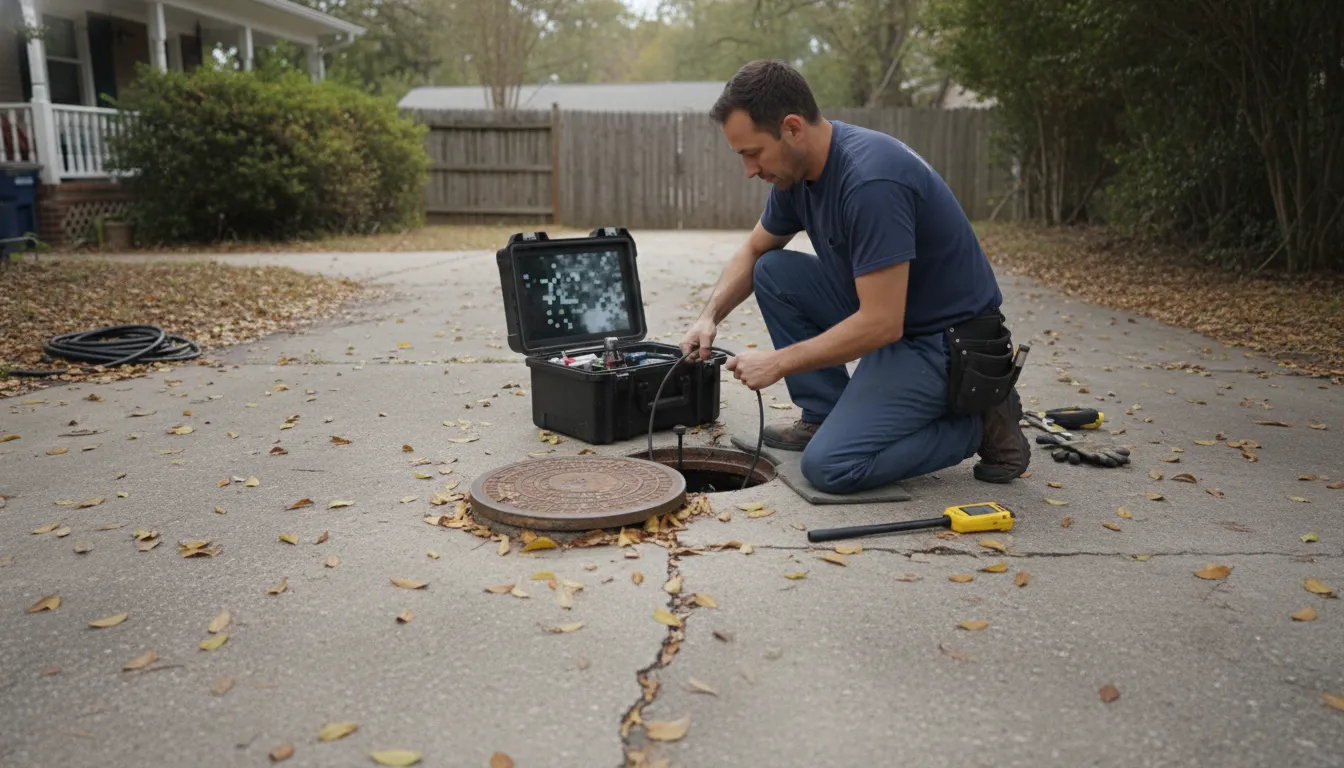
A sewer camera inspection is a modern diagnostic procedure that uses a flexible, waterproof camera to visually inspect the interior of your underground sewer line. This service is critical for identifying hidden problems like blockages, root intrusion, or pipe damage before they lead to costly backups or property damage. For New York homeowners and buyers, using this resource helps you find qualified local specialists who can provide a clear assessment of your property's most vital-and often neglected-drainage system.
PowerFlo Sewer Service
2277 Victory Blvd, Staten Island, NY 10314
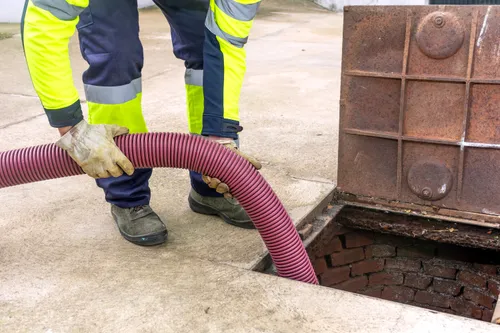
PowerFlo Sewer Service is a sewer and drain cleaning company based in New York, NY. They provide a range of services including sewer camera inspections, hydro jetting, flood control, grease trap cleaning, and vacuum pumping for residential, commercial, and condominium clients. Their team has decades of field experience and focuses on clear communication and respectful service, ensuring no mess is left behind.
Royal Rooter and Drain Cleaning LLC
74 Jefferson Ave, Lodi, NJ 07644
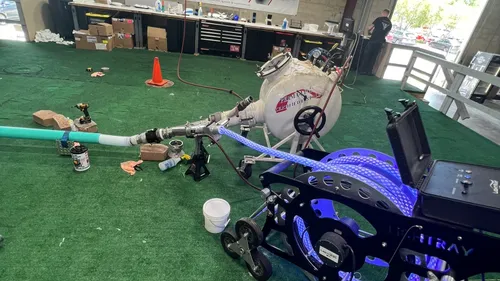
Royal Rooter and Drain Cleaning LLC provides plumbing services in New York, NY, specializing in sewer camera inspections, drain cleaning, hydro jetting, and sewer line repairs. Their team uses camera inspections to accurately locate sewer issues and offers trenchless repair methods such as UV lining to minimize property disruption. Hydro jetting is available when pipes are suitable for this powerful cleaning technique.
Victor Sewer & Drain Services
4009 Quentin Rd, Brooklyn, NY 11234
Victor Sewer & Drain Services is a plumbing company based in New York, NY, specializing in sewer camera inspections, drain cleaning, and hydro jetting. They use advanced waterproof camera technology to accurately diagnose pipe issues and offer comprehensive cleaning solutions including high-pressure water jetting to remove blockages and restore pipe condition. With over 50 years of experience, Victor Sewer & Drain Services serves the Brooklyn area and is equipped to handle problems such as grease buildup, tree root intrusion, and pipe damage.
Liberty Drain and Sewer Inc.
180 E Prospect Ave, Mamaroneck, NY 10543
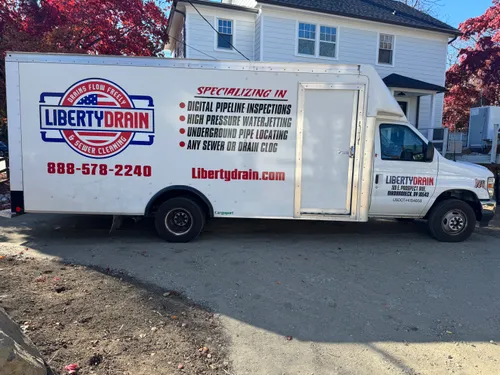
Liberty Drain and Sewer Inc. is a plumbing company serving New York, NY, and the surrounding Westchester County area, including Mamaroneck, Mt. Vernon, and Yonkers. They provide drain cleaning, sewer camera inspections, and hydro jetting services for both residential and commercial properties. Their hydro jetting service uses high-pressure water to clear stubborn clogs and debris, restoring pipe flow effectively. Established in 2012, Liberty Drain and Sewer Inc. has built experience over more than a decade. They also offer emergency services to address urgent plumbing needs.
Hazlett Plumbing
3689 California Rd Unit 19, Orchard Park, NY 14127
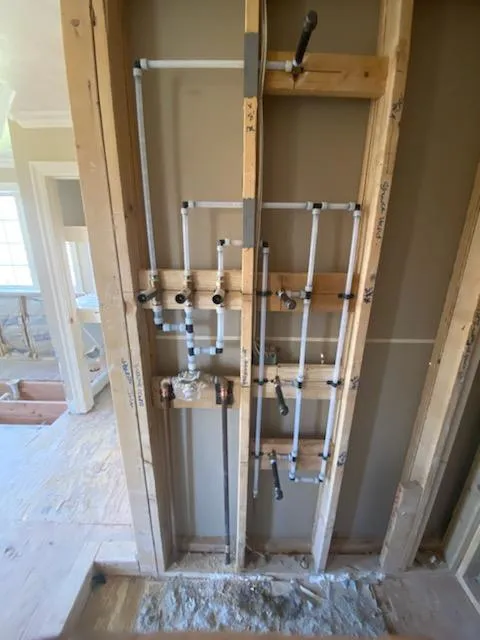
Hazlett Plumbing is a plumbing contractor serving Buffalo, NY, and the Greater Western New York area. Established in 2016, the company offers a range of plumbing services including sewer camera inspections, water heater repair and installation, sump pump repair, drain cleaning, sewer line repair, repiping, and toilet repair. They specialize in sewer and drain cleaning with permanent solutions targeting root causes. Hazlett Plumbing also handles commercial and residential new builds, remodels, and retrofits. The company emphasizes honesty, integrity, and community care in its operations.
What is a Sewer Scope Inspection?
Often called a sewer scope or video pipe inspection, this process involves a plumbing technician feeding a high-resolution camera mounted on a flexible rod into your main sewer line. The camera transmits a live video feed to a monitor, allowing the technician to see the exact condition of the pipe from your home to the city main connection. This non-invasive method provides definitive visual evidence of issues that other diagnostic tools can only guess at, making it an essential tool for proactive home maintenance and informed real estate transactions.
The Step-by-Step Inspection Process
A professional sewer camera inspection in New York follows a systematic approach to ensure a thorough and accurate diagnosis.
- Locate the Access Point: The technician will first find the main sewer cleanout. This is typically a white, black, or brass pipe with a removable cap, located in a basement, crawl space, or outside near the foundation. If no cleanout exists, they may need to access the line through a toilet drain or roof vent, which can add to the complexity.
- Insert and Navigate the Camera: A waterproof, high-definition camera head is attached to a flexible, push-rod cable. This assembly is carefully fed into the access point and pushed through the sewer line. The technician controls the camera's direction and distance traveled.
- Video Recording and Monitoring: As the camera travels, it broadcasts a live feed to a monitor. The technician watches in real-time for any anomalies. The entire inspection is usually recorded for later review and to provide you with a copy.
- Identify and Mark Issues: When a problem is spotted-such as a crack, root mass, or blockage-the technician can use the camera's built-in locator. This device sends a signal to the surface, allowing them to mark the exact location of the issue above ground, which is invaluable for any future repair work 1.
- Provide a Detailed Report: After the inspection, you should receive a comprehensive report. This includes the digital video recording, a written summary of findings, still images of problems, and a map showing their locations. Most importantly, the report will include professional recommendations for any necessary repairs or cleaning.
Common Problems Uncovered in New York Sewer Lines
Sewer scope inspections in New York regularly reveal a range of issues, many exacerbated by the state's older housing stock, dense tree roots, and seasonal ground movement.
- Tree Root Intrusion: This is one of the most frequent and severe problems. Roots seek out moisture and nutrients, infiltrating tiny cracks or loose joints in sewer pipes. Once inside, they grow rapidly, causing complete blockages and significant pipe damage.
- Grease and Debris Blockages: Accumulations of fats, oils, grease (FOG), hair, and non-flushable items can build up over time, restricting flow and eventually causing backups into your home.
- Cracked, Broken, or Collapsed Pipes: Older pipes made of clay, cast iron, or Orangeburg can deteriorate with age. Ground shifting from freeze-thaw cycles, soil settlement, or nearby construction can also cause pipes to crack, break, or fully collapse.
- Pipe Corrosion: Especially common in older cast iron pipes, internal corrosion creates rough, uneven surfaces that catch debris and lead to blockages. Eventually, the pipe can corrode through entirely.
- Pipe Bellies (Sags): A "belly" is a low spot in the sewer line caused by ground erosion or poor initial installation. Water and waste collect in this sag, leading to chronic slow drains and sediment buildup that causes blockages.
- Misaligned or Separated Joints: Sections of pipe can shift apart at their connections due to ground movement or settling. This creates an immediate leak point for sewage to escape into the surrounding soil and for roots to enter 2 3.
- Improper Installation: Issues like incorrect pipe slope (preventing proper flow), the use of substandard materials, or poor connections can be identified, often in newer construction where it's least expected.
Find the perfect sewer camera inspection companies for your needs
Get personalized recommendations and expert advice
Understanding the Cost of an Inspection in New York
The investment for a sewer camera inspection is modest, especially when weighed against the cost of unexpected major repairs. In New York, pricing is influenced by several factors.
- Typical Cost Range: For a standard residential inspection of a single-family home, you can expect to pay between $250 and $600+ 4 5. In New York City and its immediate suburbs, the average cost tends to be on the higher end of this spectrum, with some data suggesting an average around $510 6 5.
- Factors Affecting Price:
- Line Length and Depth: Longer sewer lines or those buried very deep require more camera cable and time.
- Access Difficulty: If a cleanout needs to be installed or access is obstructed, the price will increase.
- Additional Services: Many homeowners bundle the inspection with a sewer line cleaning (hydro-jetting) or a smoke test to detect leaks in the vent system.
- Emergency Service: Inspections requested outside of normal business hours or on an urgent basis will incur a premium 7.
- The Value Proposition: Spending $250-$500 on an inspection can reveal problems that, if left untreated, could lead to excavation and repair bills of $5,000 to $25,000 or more. For home buyers, this inspection is a crucial part of due diligence, potentially saving you from purchasing a property with a severe, undisclosed defect 8 9 10.
When is a Sewer Camera Inspection Essential?
Consider scheduling a sewer scope inspection in the following situations:
- Before Buying a Home: This is arguably the most critical time. A standard home inspection does not evaluate underground sewer lines. Discovering a major issue before closing gives you leverage to negotiate repairs or a price reduction.
- Experiencing Chronic Drain Problems: If multiple drains are slow, you hear gurgling sounds from toilets, or experience frequent backups, a camera inspection can pinpoint the exact cause and location 11 12.
- After Major Landscaping or Construction: Work near your sewer line could have damaged it. An inspection provides peace of mind or early detection.
- For Older Homes (40+ years): The lifespan of many sewer pipe materials is 50-100 years. Proactive inspection of an aging system can help you plan and budget for eventual replacement 13.
- Prior to Selling Your Home: A clean inspection report can be a powerful selling point, demonstrating to potential buyers that the home's critical infrastructure is in good condition.
Choosing a Qualified Provider in New York
Not all plumbing companies offer true sewer camera inspections with professional-grade equipment and experienced technicians. Look for providers who:
- Use high-resolution, locator-equipped cameras.
- Provide a detailed written report and a copy of the video.
- Have extensive experience specifically with sewer diagnostics.
- Are licensed, insured, and have positive reviews related to inspection services.
- Can clearly explain their findings and offer unbiased repair recommendations.
Frequently asked questions
Sources
Footnotes
-
What Is A Sewer Line Scope Inspection? - https://www.currenenvironmental.com/blog/what-is-a-sewer-line-scope-inspection ↩
-
Common Problems Detected by Sewer Camera Inspections and ... - https://www.federalec.com/blog/common-problems-detected-by-sewer-camera-inspections-and-how-to-address-them/ ↩
-
10 Common Problems Revealed by a Sewer Camera Inspection - https://www.varcopumper.com/10_common_problems_revealed_sewer_camera_inspection.asp ↩
-
Estimated Costs to Run a Camera Through a Sewer Line - https://usaborescopes.com/news/estimated-costs-to-run-a-camera-through-a-sewer-line/ ↩
-
How Much Does a Sewer Line Camera Inspection Cost in 2025? - https://www.homeadvisor.com/cost/plumbing/sewer-inspection/ ↩ ↩2
-
How Much Does a Sewer Line Camera Inspection Cost? [2026 Data] - https://www.angi.com/articles/sewer-camera-inspection-cost.htm ↩
-
How Much Does a Sewer Line Camera Inspection Cost? - https://sanyipace.com/blogs/product-guide-application-insights/sewer-line-camera-inspection-cost ↩
-
Is Sewer Camera Inspection Worth It? | Expert Plumbing Advice - https://www.eliterooter.com/is-sewer-camera-inspection-worth-it/ ↩
-
The Homeowner's Guide to Sewer Line Inspections - https://maplewoodplumbing.com/blog/sewer-inspection-important/ ↩
-
The Importance of a Sewer Scope Inspection When Buying a Home - https://www.tpcar.org/2023/02/07/the-importance-of-a-sewer-scope-when-buying-a-home/ ↩
-
Sewer Camera Inspection: What It Finds & When to Use One - https://anchorplumbingservices.com/what-is-sewer-camera-inspection/ ↩
-
What is a sewer scope inspection and do I need one? - https://www.rocketmortgage.com/learn/sewer-scope-inspection ↩
-
Sewer Scope Inspection Checklist: A Full Guide - Triplett Test Equipment - https://www.triplett.com/blogs/news/sewer-scope-inspection-checklist-a-full-guide ↩