Find the Best Sewer Camera Inspection Companies for Your Business
No obligation • Fast responses • Nationwide coverage

Why you can trust Search a Plumber
Search a Plumber is a leading United States resource for finding and evaluating professional plumbing services. Our team researches licensing, experience, and customer feedback to create unbiased, fact-driven overviews. Companies cannot pay to change ratings or placement, ensuring homeowners get trustworthy information.
Search providers near you
Best Sewer Camera Inspection Companies in Iowa Ranked
A sewer camera inspection is a modern diagnostic procedure that uses a specialized, waterproof camera to visually inspect the interior of your home's main sewer line. This service is crucial for identifying hidden problems like tree root intrusion, cracks, or blockages before they lead to messy and expensive backups. For Iowa homeowners, understanding this process and connecting with qualified local professionals is the best way to protect your property's most critical underground system.
What is a Sewer Scope Inspection?
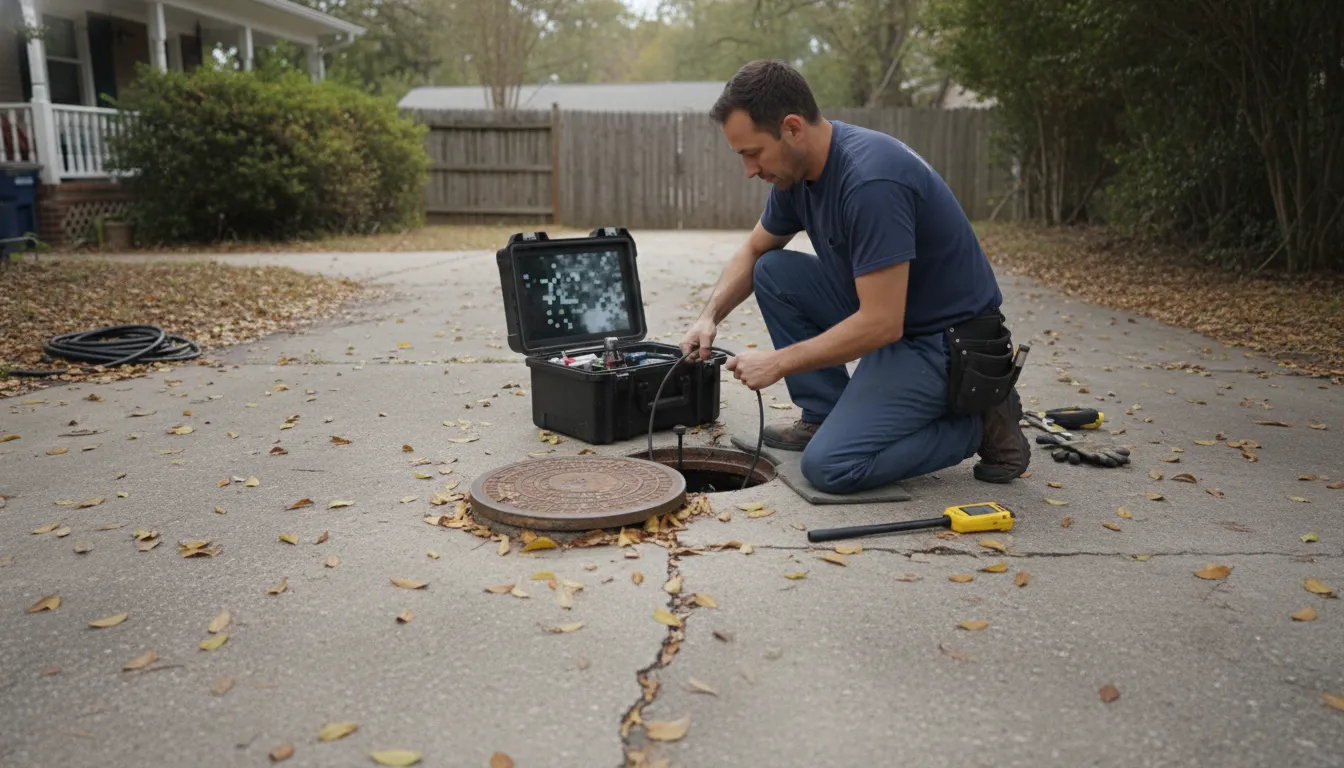
A sewer scope inspection, or sewer camera inspection, is a non-invasive diagnostic tool used to assess the condition of underground sewer pipes. A licensed plumber feeds a flexible, high-resolution camera attached to a cable through an access point, called a cleanout. The camera transmits live video to a monitor, allowing the technician to see exactly what's happening inside the pipe in real-time. This technology provides a clear, undeniable view of issues that would otherwise remain hidden until a major failure occurs.
In Iowa, this service is particularly valuable due to factors like expansive clay soils, mature tree root systems, and aging infrastructure in many communities. It turns a guessing game into a precise science, giving you the evidence needed to make informed decisions about maintenance or repairs.
The Inspection Process: Step-by-Step
A professional sewer line inspection in Iowa follows a systematic process to ensure a thorough and accurate assessment.
- Locate the Cleanout: The technician will first locate an accessible cleanout on your property. This is usually a white, capped pipe found in the basement, crawlspace, or outside near the foundation. If no cleanout exists, the plumber may need to access the line through a toilet drain or roof vent, which can add to the complexity.
- Insert the Camera: A flexible, waterproof cable with a high-resolution camera lens on its tip is carefully fed into the sewer line through the cleanout. Modern cameras are self-leveling and provide a clear, color image.
- Navigate and Record: As the camera travels through the line-often up to 200 feet or more-it transmits a live video feed to a monitor. The technician watches for any anomalies, controlling the camera's direction and focus. The entire inspection is typically recorded for later review 1.
- Locate and Mark Problems: When an issue is identified, such as a crack or root mass, the technician uses a locating device. This tool pinpoints the exact depth and horizontal location of the problem, often marking it on the ground above with spray paint or a flag for easy reference.
- Provide a Detailed Report: You don't just get a verbal summary. A professional service will provide you with a copy of the video recording (on a USB drive or via email) and a written report detailing the findings, the location of any issues, and recommended solutions or next steps.
Common Problems Found During Iowa Inspections
A sewer camera survey can reveal a variety of issues that commonly plague Iowa homes. Identifying these early is key to preventing disaster.
- Tree Root Infiltration: This is one of the most frequent problems. Tree roots seek out moisture and can infiltrate sewer lines through tiny cracks or loose joints. Once inside, they grow rapidly, creating a dense net that catches debris and causes complete blockages.
- Blockages and Buildup: Over time, grease, soap scum, non-flushable items, and general debris can accumulate on pipe walls, restricting flow and eventually causing a clog. A camera inspection can determine the composition and severity of the buildup.
- Cracked, Broken, or Collapsed Pipes: Shifting Iowa soils, freezing and thawing cycles, ground pressure, and simple old age can cause pipes to crack, break, or even collapse. This is a serious issue that requires immediate attention to prevent sewage from leaking into the surrounding soil 2.
- Sagging Pipes (Bellies): A "belly" is a low spot or dip in the sewer line caused by soil erosion or improper installation. In this sag, waste and water collect instead of flowing freely, leading to recurrent clogs and sediment buildup 3.
- Offset or Separated Joints: The sections of pipe can shift over time, becoming misaligned at the connections. These offset joints create a ledge that catches waste and are a prime entry point for tree roots.
- Corrosion and Deterioration: Older pipes, especially Orangeburg (bituminous fiber conduit) or cast iron, can corrode, rust, or deteriorate from the inside out. A camera inspection can assess the remaining wall thickness and overall integrity 4.
Find the perfect sewer camera inspection companies for your needs
Get personalized recommendations and expert advice
Understanding the Cost of Sewer Inspections in Iowa
The cost of a sewer camera inspection in Iowa is an investment in peace of mind and future savings. Prices are influenced by several factors specific to your property.
- Average Cost Range: For a standard residential inspection, most Iowa homeowners can expect to pay between $250 and $500. This typically covers a standard-length line with a readily accessible cleanout.
- Factors That Influence Price:
- Line Length and Depth: Longer or deeper sewer lines require more camera cable and time.
- Accessibility: If a cleanout needs to be installed or if access is difficult (e.g., through a roof vent), the price may increase.
- Property Size and Complexity: Larger properties or complex layouts can add to the inspection time.
- Location: Prices can vary between urban (e.g., Des Moines, Cedar Rapids) and more rural areas of Iowa 5 6.
- Higher-End Costs: For extensive lines, complex diagnostic needs, or emergency after-hours service, costs can reach $900 or more 7 8. Some companies may also charge more for advanced camera technology.
- The Value Proposition: While there is an upfront cost, it pales in comparison to the expense of a full sewer line replacement, which can cost thousands of dollars. An inspection can precisely identify a problem, allowing for a targeted, less expensive repair like trenchless pipe lining, or provide crucial documentation during a real estate transaction.
When Should You Get a Sewer Inspection?
Proactive and reactive inspections are both smart strategies for Iowa homeowners.
- Before Buying a Home: This is arguably the most critical time. A sewer scope inspection during the due diligence period can reveal hidden defects that are not covered by a standard home inspection. It can save you from inheriting a $10,000+ repair bill 9.
- Recurring Drain Problems: If you experience frequent slow drains, gurgling sounds from toilets, or multiple backups, a camera inspection can find the root cause (often literally) rather than just repeatedly snaking the line.
- Before Major Landscaping: If you plan to plant new trees, install a patio, or build an addition, knowing the exact location and condition of your sewer line is essential to avoid damaging it.
- For Older Homes: Homes built before the 1980s are more likely to have aging clay, cast iron, or Orangeburg pipes that are prone to deterioration and root intrusion.
- After Severe Weather: Significant ground saturation from heavy rains or dramatic freeze-thaw cycles can shift soil and stress underground pipes.
Choosing a Qualified Iowa Professional
Not all plumbing services offer the same level of expertise for sewer diagnostics. When looking for a provider, ensure they:
- Use Modern Technology: Ask about the type of camera used. High-resolution, self-leveling cameras with locator transmitters provide the best results.
- Provide Full Documentation: They should offer a clear video recording and a written report, not just a verbal opinion.
- Are Licensed and Insured: This is non-negotiable for work that impacts your home's essential infrastructure.
- Have Local Experience: A technician familiar with Iowa soil conditions, common pipe materials used in your area, and local regulations is invaluable.
- Explain Findings Clearly: A good professional will walk you through the video, point out what you're seeing, and explain all your repair options without pressure.
Frequently asked questions
Sources
Footnotes
-
The Homeowner's Guide to Sewer Line Inspections - https://maplewoodplumbing.com/blog/sewer-inspection-important/ ↩
-
Sewer Camera Inspections in Cedar Rapids, IA - https://www.masterplumbingcr.com/plumbing/sewer-camera-inspection/ ↩
-
10 Common Problems Revealed by a Sewer Camera Inspection - https://www.varcopumper.com/10_common_problems_revealed_sewer_camera_inspection.asp ↩
-
Sewer Scope Inspection Checklist: A Full Guide - Triplett Test Equipment - https://www.triplett.com/blogs/news/sewer-scope-inspection-checklist-a-full-guide ↩
-
Reliable Sewer Line Inspection Services Des Moines, IA - https://desmoinesdrainandsewer.com/sewer-line-inspection/ ↩
-
How Much Does a Septic Inspection Cost? [2025 Data] | Angi - https://www.angi.com/articles/septic-inspection-cost.htm ↩
-
How Much Does a Sewer Line Camera Inspection Cost? [2026 Data] - https://www.angi.com/articles/sewer-camera-inspection-cost.htm ↩
-
How Much Does Drain Camera Service Cost? - https://nexgenairandplumbing.com/blog/how-much-does-drain-camera-service-cost/ ↩
-
Should I Get A Sewer Scope inspection? [Yes, Here's Why] - https://www.foreverhomeinspectioniowa.com/blog/homebuyer-sewer-scope-inspection ↩