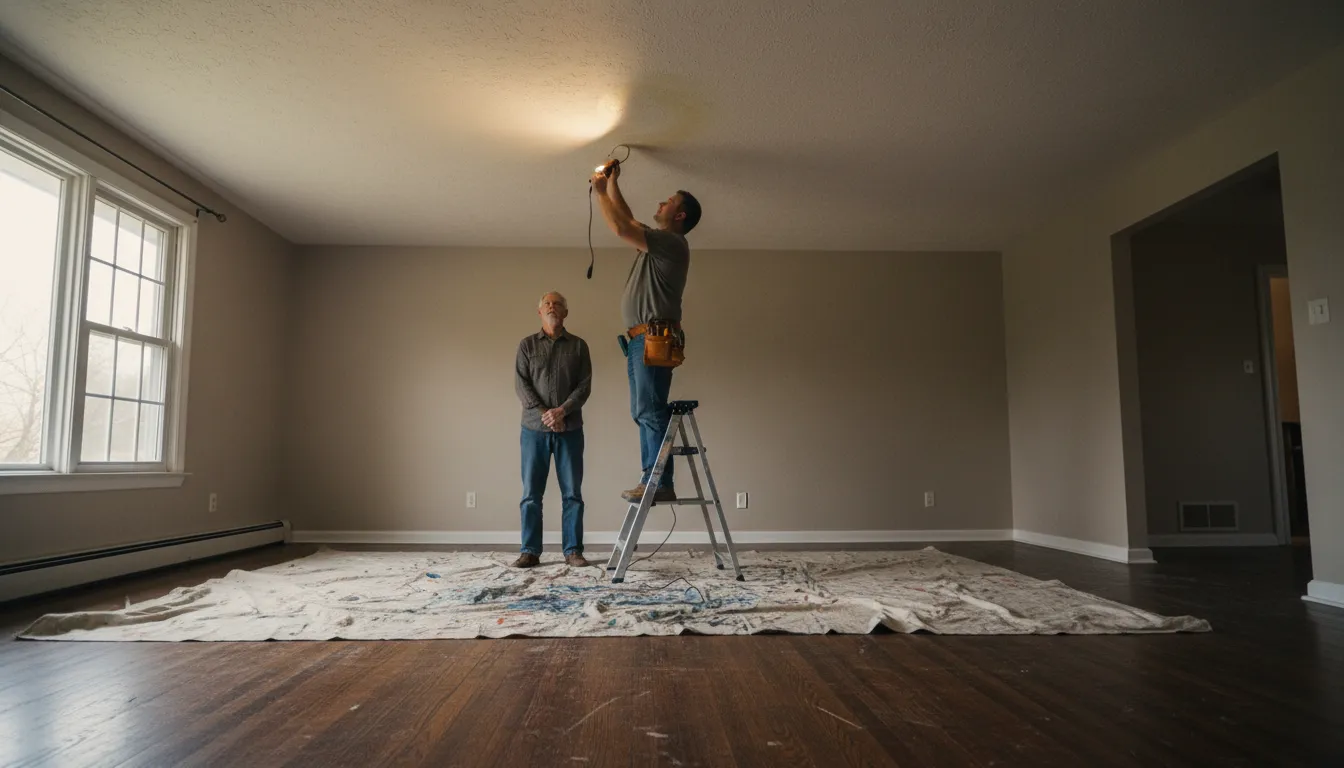
Find the Best Leak Detection & Repair Companies for Your Business
No obligation • Fast responses • Nationwide coverage

Why you can trust Search a Plumber
Search a Plumber is a leading United States resource for finding and evaluating professional plumbing services. Our team researches licensing, experience, and customer feedback to create unbiased, fact-driven overviews. Companies cannot pay to change ratings or placement, ensuring homeowners get trustworthy information.
Search providers near you
Top Leak Detection & Repair Companies in West New York, New Jersey Ranked
A hidden water leak is more than an inconvenience; it's a silent threat to your home's structure, your wallet, and your family's health. Professional leak detection and repair services in West New York are essential for identifying the source of water loss, whether it's behind a wall, under a concrete slab, or deep in your yard, and implementing a lasting solution. This guide will help you understand the signs of a leak, the advanced methods local experts use to find them, and what to expect from the repair process, empowering you to connect with the right specialists in our community.
Above and Beyond Plumbing and Heating LLC
5 Van Winkle Rd, Pine Brook, NJ 07058
Above and Beyond Plumbing and Heating LLC is a plumbing and heating service provider based in New York, NY. They offer a wide range of services including water heater repair and installation, water softener installation, drain cleaning, sewer line repair, leak detection, repiping, gas line installation, toilet repair, and garbage disposal repair. The company is known for its 24-hour emergency plumbing services, ensuring help is available whenever needed. They also specialize in boiler installation and repair, and install water filtration and softening systems to improve water quality. With over a decade of experience, Above and Beyond Plumbing and Heating LLC serves New York and surrounding areas, providing tailored solutions to meet specific plumbing and heating needs.
Consider It Done Plumbing, Water Heaters, and Drain Cleaning
9 White St, Brooklyn, NY 11206
Consider It Done Plumbing, Water Heaters, and Drain Cleaning is a licensed and insured plumbing service based in New York, NY. They provide water heater repair and installation, drain cleaning, and leak detection services throughout the city. The company emphasizes a customer-first approach and employs skilled plumbers to ensure jobs are done correctly and safely the first time. Their transparent pricing and community-backed reputation highlight their commitment to dependable and professional plumbing solutions.
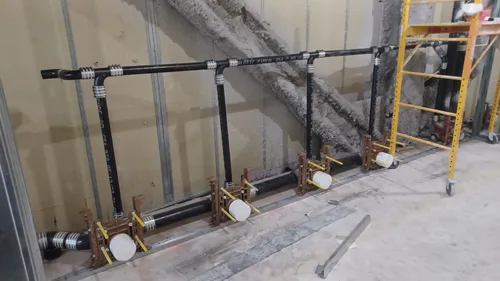
Affordable Plumbing and Leak Repair
New York, NY
Affordable Plumbing and Leak Repair provides a wide range of plumbing services in New York, NY, including water heater repair and installation, drain cleaning, leak detection, repiping, and gas line installation. They serve Staten Island and surrounding areas such as Queens, The Bronx, Brooklyn, and Jersey City. The company offers emergency plumbing services to address urgent issues like burst pipes and clogged drains. Their team is equipped to handle various plumbing needs, including dryer and washer hookups, with a focus on preventing future problems through quality repairs and installations.
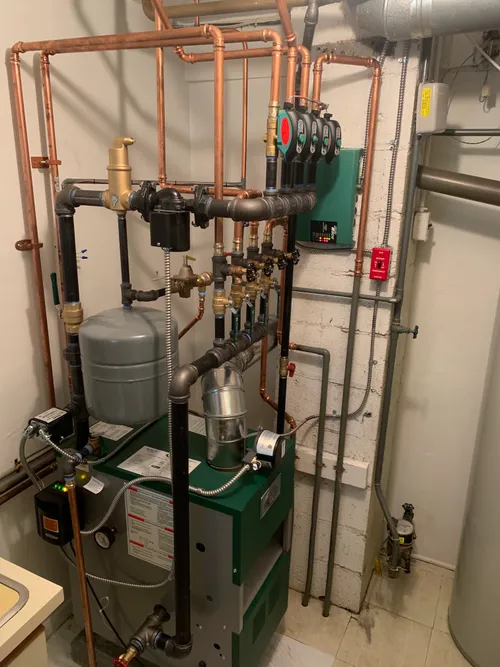
MR. PIPE PLUMBING AND HEATING LLC
62 Washington Pl, Totowa, NJ 07512
MR. PIPE PLUMBING AND HEATING LLC provides plumbing and heating services in New York, NY, specializing in residential and commercial repair and maintenance. Their services include water heater installation and repair, tankless water heater expertise, drain cleaning, and leak detection. With over 10 years of experience, their licensed technicians handle a variety of plumbing and heating issues, including boiler installation and repair. The company is fully bonded and insured, focusing on honest and upfront pricing.
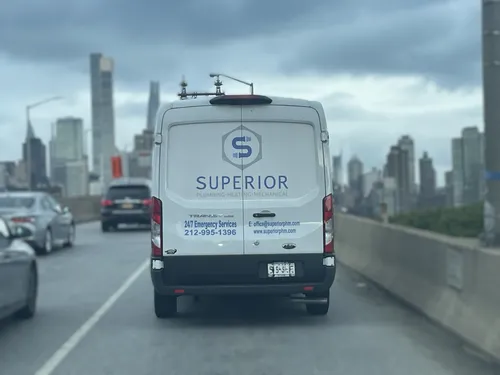
Superior Plumbing, Heating, & Mechanical, LLC
New York, NY
Superior Plumbing, Heating, & Mechanical, LLC is a family-owned business serving New York, NY, and surrounding areas including the five boroughs, Long Island, and Westchester County. Since 2003, they have provided commercial plumbing, heating, and mechanical services to building owners, managers, and engineers. Their licensed team offers a range of services such as drain cleaning, leak detection, gas line installation, toilet repair, backflow prevention, and water leak detection. They are certified for gas piping and backflow testing and provide 24/7 emergency and scheduled maintenance services to ensure building systems operate efficiently and comply with local codes.
Recognizing the Warning Signs of a Hidden Leak
Water leaks often announce themselves subtly before causing major damage. Knowing these early indicators can save you thousands in repairs and prevent mold growth. The signs vary depending on the leak's location, but heightened vigilance is key.
Inside Your Home: Walls and Ceilings Leaks within your home's framework often leave visual clues. Be on the lookout for:
- Unexplained stains or discoloration on walls or ceilings, which may appear as yellow, brown, or copper-colored rings.
- Peeling paint or bubbling wallpaper, caused by moisture breaking the adhesive bond.
- A persistent musty odor or visible mold growth, especially in corners, closets, or along baseboards.
- Warped or buckling flooring, such as laminate planks or hardwood, indicating moisture from below.
- Warm spots on floors or walls (detectable by touch or thermal imaging), which can signal a hot water line leak 1.
Underneath Your Home: Slab Leaks A slab leak occurs when pipes beneath your home's concrete foundation break. These are particularly troublesome and may show as:
- A sudden, unexplained spike in your water bill with no change in usage.
- The sound of running water when all faucets and appliances are turned off.
- Cracks in your foundation or interior walls.
- Hot spots on concrete floors or areas where flooring feels damp.
Outside Your Home: Yard and Underground Lines Exterior leaks waste water and can undermine your property's stability. Warning signs include:
- Soggy patches, sinkholes, or areas of unusually lush grass in your yard, especially when it hasn't rained 2.
- A significant drop in water pressure throughout the house.
- Visible wet spots or pooling water near the foundation or along the path of buried water lines.
- Dirt or air blowing back into your home through plumbing fixtures, which can indicate a break in a sewer line 3.
How Leaks Are Found: From DIY Checks to Professional Technology
Once you suspect a leak, the next step is confirmation and pinpointing its exact location. This process ranges from simple homeowner checks to sophisticated diagnostic tools used by professionals.
Initial DIY Assessment You can perform a preliminary check using your water meter:
- Ensure all water use in the home is completely stopped-no faucets, toilets, ice makers, or irrigation.
- Locate your water meter and watch the leak indicator (often a small triangle or wheel). If it is moving, you likely have a leak 4.
- For a more precise test, record the meter reading, wait 1-2 hours without using any water, and check again. A change in the reading confirms a leak.
Professional Leak Detection Methods Local West New York specialists employ non-invasive technology to find leaks without unnecessary damage to your property. Common methods include:
- Acoustic or Ultrasonic Detection: Highly sensitive listening devices amplify the sound of water escaping under pressure, allowing technicians to trace the noise to its source, even through walls and concrete.
- Thermal Imaging Cameras: These cameras detect temperature differences behind walls and under floors. Since leaking water changes the temperature of surrounding materials, thermal imaging can reveal hidden moisture patterns that are invisible to the naked eye.
- Moisture Meters: Professionals use these tools to measure the moisture content in building materials like drywall and wood, confirming and mapping the extent of water damage from a leak 5.
- Tracer Gas Detection: For very small or hard-to-find leaks, an inert, harmless gas (like hydrogen) is introduced into the pipe. Specialized sensors then detect the gas as it escapes from the leak point, providing a highly accurate location 6.
- Pressure Testing: This method is often used for underground lines. The plumber isolates a section of pipe and pressurizes it with air or water. A drop in pressure confirms a leak exists in that segment before pinpointing begins.
Find the perfect leak detection & repair companies for your needs
Get personalized recommendations and expert advice
The Repair Process: What to Expect After Detection
Finding the leak is only half the battle. The repair strategy depends entirely on the leak's location, severity, and the type of pipe involved. A reputable professional will clearly explain the plan, including any necessary demolition and restoration.
Common Repair Scenarios
- Accessible Pipe Repairs: If the leak is in an exposed pipe under a sink, in a basement, or in a crawl space, the repair is often straightforward. The damaged section is replaced, and the area is tested. These repairs can frequently be completed in a matter of hours or a single day.
- Wall or Ceiling Repairs: For leaks inside a wall, a small access hole is strategically cut-often guided by detection equipment-to reach the pipe. After the pipe is fixed, the opening is patched, textured, and repainted. This process typically takes a few days to allow for drying times 7.
- Slab Leak Repairs: These are more complex. Technicians may use one of two primary methods: spot repair, which involves breaking through the concrete slab directly above the leak, or re-piping, where a new pipe is routed through walls or attics to bypass the damaged line under the slab. Slab leak projects can take several days to weeks, including concrete work and floor restoration.
- Underground Line Repairs: Excavation is required to reach the broken pipe in the yard. After repair and testing, the trench is refilled and the landscape is restored as agreed. Timeline and disruption depend on the depth and length of the excavation.
Understanding Timelines and Costs in West New York The scope of work directly influences both the project duration and cost. It's important to get detailed estimates from local providers.
- Leak Detection/Location Service: The fee for using advanced equipment to pinpoint a hidden leak typically ranges from approximately $125 to over $300 in the West New York area 8.
- Minor Repairs: Fixing an accessible leak, such as under a kitchen sink, may cost between $100 and $500+ for labor and materials 9.
- Major Repairs: Complex jobs involving slab, wall, or underground leaks involve multiple trades (plumbing, demolition, concrete, drywall, painting). These projects can range from $1,000 to $5,000 or more, depending on the extent of damage and restoration needed 10 11.
Finding Specialized Help in West New York
For specialized leak detection, some homeowners contact dedicated services like American Leak Detection of North Jersey 12. For comprehensive detection and repair, checking local listings for established plumbing companies such as DC Piping & Heating Corp or Prime Solution Piping & Heating can connect you with experienced professionals familiar with the specific challenges of homes in our area.
Frequently asked questions
Sources
Footnotes
-
Signs of Hidden Plumbing Leaks: How to Detect Them - https://www.paramountplumbing.nz/hidden-plumbing-leaks-how-to-detect-them/ ↩
-
Signs of Underground Leaks and How to Detect Them | Tuck & Howell - https://tuckandhowell.com/10-warning-signs-of-underground-leaks-and-how-plumbers-detect-them/ ↩
-
Help! My Basement Leaks When It Rains - https://www.basementsystems.com/company/news-and-events/22380-help-my-basement-leaks-when-it-rains.html ↩
-
How to perform a do-it-yourself (DIY) internal leak assessment - https://www.airselangor.com/support/topic/details/e6e406f7-2507-4f51-bb85-7502e075d6d5 ↩
-
How Home Inspections Can Uncover Hidden Water Leaks - https://eliteinspections.com/how-home-inspections-can-uncover-hidden-water-leaks/ ↩
-
Understanding the 3 Types of Leak Detection - Glanz Buffat - https://www.glanz-buffatphc.com/understanding-the-3-types-of-leak-detection/ ↩
-
How Do Plumbers Fix Leaks Behind Walls? | Barker's - https://www.barkerservices.com/plumbing/leak-detection/how-do-plumbers-fix-leaks-behind-walls/ ↩
-
TOP 10 BEST Water Leak Detection in West New York, NJ - Yelp - https://m.yelp.com/search?find_desc=Water+Leak+Detection&find_loc=West+New+York%2C+NJ ↩
-
Cost to Repair a Plumbing Leak - https://www.sofi.com/learn/content/plumbing-leak-costs/ ↩
-
Leak Repair in West New York, NJ - Costs 12 / 2025 - Homeyou - https://www.homeyou.com/nj/leak-repair-west-new-york-costs ↩
-
How Much Does a Pipe Leak Repair Cost? (2025) - https://homeguide.com/costs/pipe-leak-repair-cost ↩
-
American Leak Detection of North Jersey - https://www.americanleakdetection.com/north-jersey/ ↩