Find the Best Leak Detection & Repair Companies for Your Business
No obligation • Fast responses • Nationwide coverage

Why you can trust Search a Plumber
Search a Plumber is a leading United States resource for finding and evaluating professional plumbing services. Our team researches licensing, experience, and customer feedback to create unbiased, fact-driven overviews. Companies cannot pay to change ratings or placement, ensuring homeowners get trustworthy information.
Search providers near you
Best Leak Detection & Repair Companies in North Carolina Ranked
A hidden water leak can silently damage your home's structure, inflate your utility bills, and create an environment for mold. Professional leak detection and repair services in North Carolina are essential for identifying the source of these elusive problems, whether they're behind walls, under the foundation, or deep in your yard. This guide explains the common signs, advanced detection methods, and what to expect when you need to find and fix a leak, helping you connect with skilled local specialists who can protect your property.
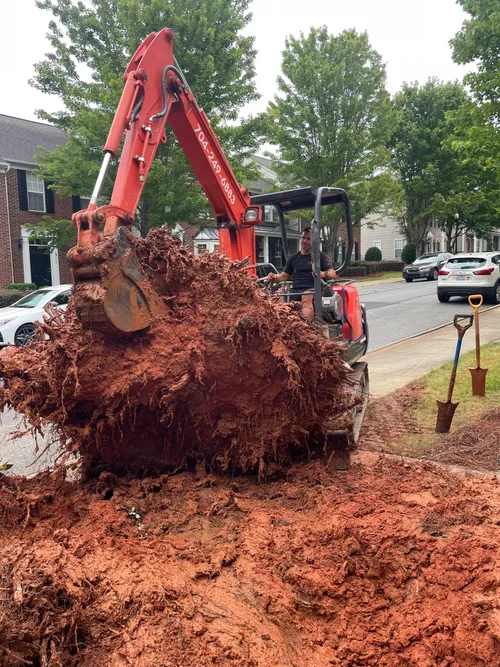
Service Pro Plumbing
6744 Drakestone Rd, Concord, NC 28027
Service Pro Plumbing is a family-owned and operated plumbing company serving Charlotte, NC, and surrounding areas including Concord, Kannapolis, and Mooresville. Established in 2008 with over 20 years of industry experience, they provide residential and light commercial plumbing services. Their offerings include water heater repair and installation, drain cleaning, leak detection, sewer line repair, hydro jetting, and trenchless sewer repair. They are certified in backflow testing and equipped for underground leak detection. Service Pro Plumbing is licensed, bonded, and insured, focusing on quality workmanship and customer satisfaction.

HOTCO The Hot Water Heater Company Carolinas
104 Peachtree Rd, Rock Hill, SC 29730
HOTCO The Hot Water Heater Company Carolinas is a locally owned plumbing business serving Charlotte, NC, and nearby areas including Rock Hill, Fort Mill, and York County, SC. They specialize in water heater repair, installation, and replacement services for both traditional and tankless water heaters. Their offerings include leak detection and comprehensive safety installations such as temperature and pressure relief valves, expansion tanks, and gas connectors. Established in 2004, HOTCO provides licensed and insured plumbing services with a focus on using high-quality materials and meeting local safety codes. They also offer special discounts for military personnel and seniors.
M.D. Plumbing & Mechanical
2240 Stevens Mill Rd, Matthews, NC 28104
M.D. Plumbing & Mechanical is a female-owned, family-run plumbing and mechanical service provider based in Charlotte, NC. With over 30 years of experience, they offer a wide range of residential and commercial plumbing services including water heater installation and repair, drain cleaning, sewer line repair, leak detection, and bathroom remodeling. The company uses advanced technologies such as trenchless sewer repair and state-of-the-art leak detection to minimize disruption and improve efficiency. Licensed and insured in both North and South Carolina, M.D. Plumbing & Mechanical emphasizes personalized service and expert care to meet the unique needs of their customers in Charlotte and surrounding areas.
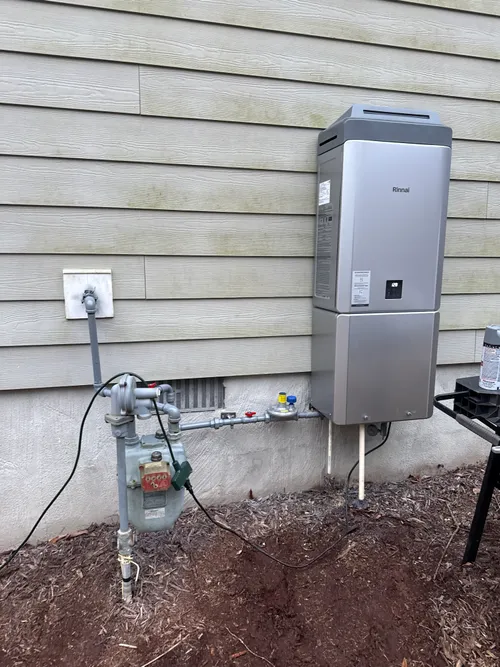
Thor's Plumbing Solutions
1223 Byrdsville Rd, Hillsborough, NC 27278
Thor's Plumbing Solutions is a locally and family-owned plumbing company serving Durham, NC, and nearby areas. With over 20 years of experience, they offer a wide range of plumbing services including sewer camera inspections, water heater repairs and installations, drain cleaning, leak detection, repiping, and gas line installations. The company uses advanced diagnostic tools to identify issues such as sewer line problems and provides tailored solutions for both residential and commercial properties. They also provide 24/7 emergency services to address plumbing needs at any time.
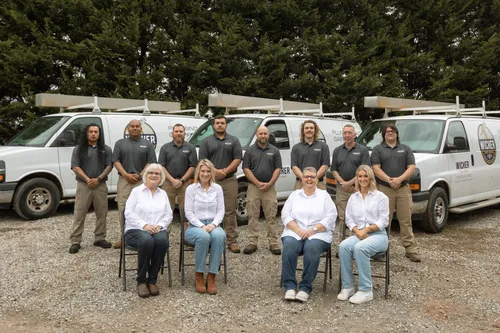
Wicker Trade Service Inc - Plumbing & Gas Piping
Charlotte, NC
Wicker Trade Service Inc - Plumbing & Gas Piping is a plumbing and gas piping company serving Charlotte, NC. Established in 2010, they offer a wide range of services including water heater installation and repair, tankless water heater installation, sewer line repair, gas line installation and repair, drain cleaning, hydro jetting, leak detection, repiping, and garbage disposal repair. Their certified technicians provide comprehensive plumbing and gas piping solutions for both residential and commercial clients. The company emphasizes safety and quality, particularly in their gas line services, and offers emergency plumbing repairs with 24/7 availability to address urgent issues promptly.
Why Prompt Leak Detection is Critical in NC Homes
Water is a relentless force, and even a small, persistent leak can lead to significant consequences. In North Carolina's climate, with its humidity and varied soil conditions, the risks are amplified. Undetected moisture can weaken wooden framing, corrode metal supports, and saturate insulation, leading to costly structural repairs. Furthermore, damp environments behind walls or under floors are perfect breeding grounds for mold and mildew, which can impact indoor air quality and health 1. The most immediate sign for many homeowners is a sudden, unexplained spike in their water bill, a clear indicator that water is being lost somewhere in the system 2. Addressing leaks quickly isn't just about saving money on your bill; it's about preserving the integrity and safety of your home.
Common Sources of Water Leaks in North Carolina
Leaks can originate from almost any part of your plumbing system, indoors and out. Knowing the common culprits can help you know where to look first.
Indoor Leak Sources:
- Running Toilets: Often the most common source of water waste, a faulty flapper or fill valve can leak hundreds of gallons per day.
- Leaky Faucets & Showerheads: Dripping fixtures are easy to spot but often ignored, wasting water continuously.
- Appliance Connections: The supply hoses for your washing machine, dishwasher, and water heater can degrade and burst or slowly leak.
- Pipe Corrosion: Over time, pipes within walls or ceilings can corrode at joints or develop pinhole leaks.
- Slab Leaks: Perhaps the most serious, these occur in water lines running beneath your home's concrete foundation slab. They are challenging to detect and can undermine the foundation.
Outdoor & Underground Leak Sources:
- Irrigation Systems: Damaged sprinkler heads or cracked lines in your lawn watering system are major sources of hidden water loss.
- Underground Water Supply Lines: The pipe running from the city meter to your house can crack due to soil shift, aging, or root intrusion.
- Outdoor Spigots: Faulty hose bibs or frost-damaged spigots can leak into the surrounding wall or foundation.
- Sewer Lines: Breaks or cracks in the underground sewer line can cause waste water to seep into the soil, creating sinkholes and health hazards.
Signs You May Have a Hidden Water Leak
Before water stains appear on your ceiling, there are often subtle clues. Being alert to these signs can help you catch a leak early.
- Unexplained Increase in Water Bills: A consistent rise in your water usage, without a change in habits, is one of the strongest indicators of a leak.
- The Sound of Running Water: If you hear the sound of water running when all faucets and appliances are off, it's a clear sign of a leak somewhere in the system.
- Visible Moisture or Stains: Damp spots on walls, ceilings, or floors, or the appearance of mysterious water stains, paint bubbles, or peeling wallpaper.
- Musty Odors: A persistent earthy or moldy smell in a room, cabinet, or basement can indicate hidden moisture.
- Warm Spots on Floors: For hot water line leaks, you might feel an unusually warm area on a concrete floor.
- Cracks in Foundation or Walls: While not always leak-related, new cracks can sometimes be exacerbated by soil expansion from underground water saturation.
- Low Water Pressure: A sudden drop in water pressure throughout the house can signal a significant breach in a main supply line.
Professional Leak Detection Methods
While homeowners can perform initial checks, professional plumbers use specialized, non-invasive technology to pinpoint leaks accurately without unnecessary damage to your property.
- Acoustic Listening Devices: These sensitive ground microphones and listening discs amplify the sound of water escaping under pressure, allowing technicians to hear leaks through walls, floors, and underground.
- Thermal Imaging Cameras: Infrared cameras detect temperature differences caused by moisture. A cool spot on a wall may indicate a cold water leak, while a warm spot can reveal a hot water line leak behind the surface.
- Video Pipe Inspection: A small, high-resolution camera on a flexible cable is fed into pipes to visually inspect the interior for cracks, breaks, or corrosion. This is especially useful for sewer line diagnosis 3.
- Tracer Gas Detection: For very small or hard-to-find leaks, an inert, non-flammable gas (like hydrogen) is introduced into the pipe. Specialized sensors then detect the gas as it escapes at the leak point, even through concrete 4.
- Pressure Testing: Plumbers isolate sections of your plumbing and use specialized gauges to monitor pressure drops. A loss of pressure confirms a leak is present in that isolated segment.
Find the perfect leak detection & repair companies for your needs
Get personalized recommendations and expert advice
Understanding Costs: Leak Detection & Repair in NC
The cost for leak services in North Carolina varies widely based on the leak's location, accessibility, and the repair method required. It's typically broken into two parts: detection and repair.
Leak Detection Costs: The fee for a professional to locate the leak generally ranges from $150 to $600 or more 5 6. Simple leaks in accessible areas are on the lower end. Complex searches for slab leaks or deep underground leaks, requiring more time and advanced equipment like thermal cameras or tracer gas, will be at the higher end of the scale.
Leak Repair Costs: This is highly variable. Repairing a leaky toilet flapper may cost very little, while fixing a slab leak can cost several thousand dollars 7. The repair cost depends on the need to excavate concrete, reroute piping, or repair structural damage caused by the water.
Insurance Considerations: Many homeowner's insurance policies include "trace and access" coverage 8. This can help pay for the cost of locating the leak and the necessary demolition (like cutting into a wall or floor) to access it. However, the insurance typically does not cover the cost to repair the broken pipe itself or the original source of the leak. Always check your specific policy details and contact your insurer when you suspect a major leak.
DIY Initial Assessment vs. Calling a Pro
There are a few preliminary steps you can take if you suspect a leak:
- Check Your Water Meter: Turn off all water inside and outside your home. Look at the meter's leak indicator (usually a small triangle or wheel). If it is still moving, you likely have a leak 9.
- Monitor Your Bill: Compare your current water usage to the same period last year.
- Conduct a Visual and Auditory Inspection: Look for dampness and listen for the sound of running water in quiet periods.
However, professional intervention is strongly recommended for accurate diagnosis. Professionals have the tools to find the exact location of a hidden leak on the first try, saving you from costly exploratory damage. Their expertise ensures the correct, long-term repair is made, preventing the issue from recurring and protecting your home from further damage 10 11.
Frequently asked questions
Sources
Footnotes
-
Signs You Have a Hidden Leak in your North Carolina Home - https://www.blantonsair.com/blog/fayetteville-hidden-leak-audit/ ↩
-
Plumbing Problems and a High Water Bill | AHS - American Home Shield - https://www.ahs.com/home-matters/cost-savers/plumbing-problems-and-high-water-bills/ ↩
-
What Are Different Methods Of Leak Detection? | Bobby L. Greene - https://greeneplumbing.com/what-are-the-different-methods-of-leak-detection/ ↩
-
Leak Detection and Repair - Delta Plumbers - https://deltaplumbersinc.com/leak-detection-and-repair/ ↩
-
Leak Detection in Fayetteville, NC - Haire Plumbing - https://www.haireplumbing.com/plumbing-services/leak-detection/ ↩
-
Leak Detection & Repair in Apex, NC | Element Service Group - https://callelement.com/services/plumbing/leak-detection-repair ↩
-
How Much Does Slab Leak Repair Cost? (2026 Guide) - https://www.thisoldhouse.com/foundations/slab-leak-repair-cost ↩
-
What is trace and access cover - Admiral - https://www.admiral.com/magazine/guides/home/what-is-trace-and-access-cover ↩
-
7 Ways To Find Hidden Water Leaks In Your Home - https://www.johnsoncomfort.com/7-ways-to-find-hidden-water-leaks-in-your-home ↩
-
Water Leak Detection & Repair In Raleigh, NC - https://streamlineplumbinginc.com/plumbing/raleigh/leak-detection-repair/ ↩
-
Understanding the 3 Types of Leak Detection - Glanz Buffat - https://www.glanz-buffatphc.com/understanding-the-3-types-of-leak-detection/ ↩