Find the Best Leak Detection & Repair Companies for Your Business
No obligation • Fast responses • Nationwide coverage

Why you can trust Search a Plumber
Search a Plumber is a leading United States resource for finding and evaluating professional plumbing services. Our team researches licensing, experience, and customer feedback to create unbiased, fact-driven overviews. Companies cannot pay to change ratings or placement, ensuring homeowners get trustworthy information.
Search providers near you
Best Leak Detection & Repair Companies in Minnesota Ranked
A hidden water leak is more than an inconvenience; it's a silent threat to your home's structure, your wallet, and your family's health. In Minnesota, where freeze-thaw cycles can rapidly turn a minor drip into a major rupture, timely leak detection and professional repair are critical. This guide explains the common sources of leaks in Minnesota homes, the advanced methods professionals use to find them, and what you can expect from the process, helping you connect with local experts who can protect your property.
Good Guys Plumbing LLC
St Paul, MN
Good Guys Plumbing LLC is a family-owned plumbing company serving St Paul, MN, and nearby areas including Oakdale and Woodbury. They provide a wide range of residential plumbing services such as water heater repair and installation, sump pump repair, leak detection, gas line installation, and water softener installation. The company specializes in working with PEX, copper, and galvanized water systems and offers backflow prevention and water treatment solutions. With over a decade of experience, Good Guys Plumbing focuses on residential plumbing needs and maintaining home plumbing systems.

Pronto Heating and Air Conditioning - Minneapolis
7415 Cahill Rd, Minneapolis, MN 55439
Pronto Heating and Air Conditioning - Minneapolis provides HVAC and plumbing services in Minneapolis, MN. They offer water heater repair and installation, leak detection, and gas line installation among their plumbing services. The company is a Bryant Factory Authorized Dealer with expertise in heating, cooling, and indoor air quality systems. They serve Minneapolis and nearby communities, focusing on system maintenance, repair, and installation. Pronto Heating and Air Conditioning emphasizes prompt emergency service and offers a One Day Installation and No-Stress Guarantee for upgrades and replacements.
Roto-Rooter Plumbing & Water Cleanup
1821 University Ave W #317, St Paul, MN 55104
Roto-Rooter Plumbing & Water Cleanup provides a wide range of plumbing services in St. Paul, MN, including residential and commercial plumbing, drain cleaning, sewer line repair, water heater installation and repair, water softener and filtration system installation, and leak detection. They offer specialized capabilities such as video camera sewer inspections and trenchless sewer repair methods to minimize disruption during repairs. Serving the St. Paul metro area, their team is available 24/7, 365 days a year to address plumbing emergencies and routine maintenance needs.
Roto-Rooter Plumbing & Water Cleanup
6440 Flying Cloud Dr #111, Eden Prairie, MN 55344
Roto-Rooter Plumbing & Water Cleanup provides comprehensive plumbing services in Minneapolis, MN, including water heater repair and installation, sump pump repair, drain cleaning, sewer line repair, leak detection, repiping, and toilet and garbage disposal repairs. The company offers 24-hour emergency plumbing services, including after-hours and holiday availability, and specializes in trenchless sewer repair using advanced equipment. With over 85 years of experience, Roto-Rooter is equipped to handle a wide range of plumbing challenges and water damage cleanup.
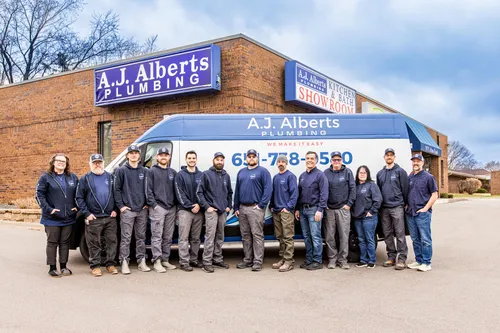
AJ Alberts Plumbing
7975 Afton Rd, Woodbury, MN 55125
AJ Alberts Plumbing is a plumbing service provider located in St Paul, MN, serving the Twin Cities metro area and Western Wisconsin. They offer a complete range of plumbing services, including leak detection and repairs, with a focus on quick response times and minimizing service windows. With over 35 years of experience, AJ Alberts Plumbing has built a reputation for delivering accurate and respectful service to residential customers. They prioritize a hassle-free process that ensures each plumbing project is handled efficiently and with care.
Why Leak Detection is Critical in Minnesota
Minnesota's climate presents unique challenges for plumbing systems. The annual cycle of freezing and thawing puts tremendous stress on pipes, both inside and outside your home. A small, undetected crack can expand during a freeze, leading to significant water damage when it thaws. Beyond the immediate structural damage from water, persistent moisture creates the perfect environment for mold and mildew growth, which can impact indoor air quality and health. Early detection is the most effective way to prevent exorbitant water bills, foundation issues, and costly remediation projects.
Common Sources of Water Leaks in Minnesota Homes
Leaks can originate from almost any part of your plumbing system. Knowing where to look can help you identify early warning signs.
Indoor Leak Sources:
- Toilets: A constantly running toilet or a faulty flapper valve is a common and wasteful leak.
- Faucets & Under Sinks: Dripping faucets and loose connections under kitchen or bathroom sinks.
- Appliance Hoses: The supply lines to your dishwasher, washing machine, and refrigerator ice maker can degrade and burst.
- Water Heaters: Corrosion or a failing pressure relief valve can cause leaks.
- Behind Walls: Supply lines running inside walls can develop pinhole leaks, often hidden until damage is visible.
- Slab Leaks: Pipes running beneath your home's concrete foundation can crack and leak, a serious issue requiring specialized detection.
Outdoor & Underground Leak Sources:
- Irrigation & Sprinkler Systems: Damaged lines can waste thousands of gallons and saturate your yard.
- Hose Bibs (Outdoor Faucets): These can freeze and crack if not properly winterized.
- Sewer Lines: Tree root intrusion or ground shifting can crack sewer pipes.
- Sump Pump Discharge Lines: A cracked line can funnel water back against your foundation.
The Professional Leak Detection Process: From Clue to Cure
When you suspect a leak, a professional plumber follows a systematic approach to locate it accurately with minimal disruption to your home.
1. Initial Inspection and Interview The process begins with a visual check of all accessible plumbing fixtures, appliances, and areas with signs of moisture. The technician will also ask about changes in your water bill, the sound of running water when nothing is on, or any soggy spots in your yard.
2. Water Meter Test This simple but effective test involves turning off all water inside and outside the home and then observing the water meter. If the meter's leak indicator (often a small triangle or wheel) is still moving, it confirms a leak is present somewhere in the system1 2.
3. Advanced Detection Methods For hidden leaks, plumbers employ specialized tools:
- Acoustic Detection: Highly sensitive listening devices and ground microphones pick up the distinct sound of water escaping under pressure from pipes behind walls or underground.
- Thermal Imaging: Infrared cameras detect subtle temperature differences caused by moisture. Cooler areas on a wall or floor often indicate the presence of leaking water 3.
- Moisture Meters: These pin-type or scanning meters measure the moisture content in materials like drywall and wood, pinpointing the exact wet area 4.
- Pipe Inspection Cameras: For sewer line or larger pipe concerns, a small, waterproof camera is snaked through the pipe to visually identify cracks, blockages, or breaks5.
- Pressure Testing: The plumber may isolate sections of your plumbing and pressurize them with air or water. A drop in pressure indicates a leak in that segment6 7.
Find the perfect leak detection & repair companies for your needs
Get personalized recommendations and expert advice
Understanding Costs for Leak Detection and Repair
The cost for leak services in Minnesota varies based on the leak's location and complexity.
- Leak Detection: Professional detection typically ranges from $100 to $600 or more. The price depends on the time and technology required. Using a basic moisture meter is on the lower end, while employing ground-penetrating radar or extensive camera work for a slab leak is more involved8 9 10.
- Leak Repair: Repair costs are highly variable. A simple toilet flapper replacement is minimal, while repairing a leak behind a finished wall, under a slab, or in a main sewer line involves cutting, excavation, and restoration, which increases the cost significantly. The critical investment is in accurate detection, which prevents unnecessary damage and targets the repair precisely.
The Importance of Timely Repair
Once a leak is found, prompt repair is essential. In Minnesota, delaying repair can allow a small issue to escalate during the next cold snap. Professional repair ensures the root cause is addressed-not just the symptom-and that the work complies with local building codes. A proper repair restores the integrity of your plumbing system, prevents recurring problems, and protects your home from the cascade of damage that water can cause.
Choosing a Service Provider in Minnesota
Look for licensed, insured professionals who specialize in leak detection and have experience with Minnesota's specific challenges, such as slab leaks and freeze damage. They should be able to explain their detection methodology clearly and provide a detailed estimate that separates detection costs from repair costs. A reputable provider will focus on minimally invasive techniques to find the leak without unnecessary damage to your property.
Frequently asked questions
Sources
Footnotes
-
7 Ways To Find Hidden Water Leaks In Your Home - https://www.johnsoncomfort.com/7-ways-to-find-hidden-water-leaks-in-your-home ↩
-
How Do Plumbers Detect Hidden Water Leaks? - https://expressplumbingidaho.com/plumbers-find-leaks/ ↩
-
Understanding the 3 Types of Leak Detection - Glanz Buffat - https://www.glanz-buffatphc.com/understanding-the-3-types-of-leak-detection/ ↩
-
Leak Detection Services - Minneapolis - Drain Works Plumbing - https://drainworksnow.com/leak-detection-services/ ↩
-
Science Behind Leak Detection: Uncovering Hidden Plumbing Issues - https://magnificentplumbing.com/science-behind-leak-detection-hidden-plumbing-issues/ ↩
-
What Are Different Methods Of Leak Detection? | Bobby L. Greene - https://greeneplumbing.com/what-are-the-different-methods-of-leak-detection/ ↩
-
8 Effective Leak Detection Methods | NEXGEN HVAC & Plumbing - https://nexgenairandplumbing.com/blog/8-effective-leak-detection-methods/ ↩
-
Leak Detection in Shakopee, MN - https://affinitymn.com/leak-detection/ ↩
-
Leak Detection & Repair in Minneapolis & St. Paul, MN - https://www.northernbenfranklin.com/drains-sewers/leak-detection/ ↩
-
Water Leak Detection Cost: How Much Should You Pay? - Drizzlex - https://www.drizzlex.com/post/water-leak-detection-cost ↩