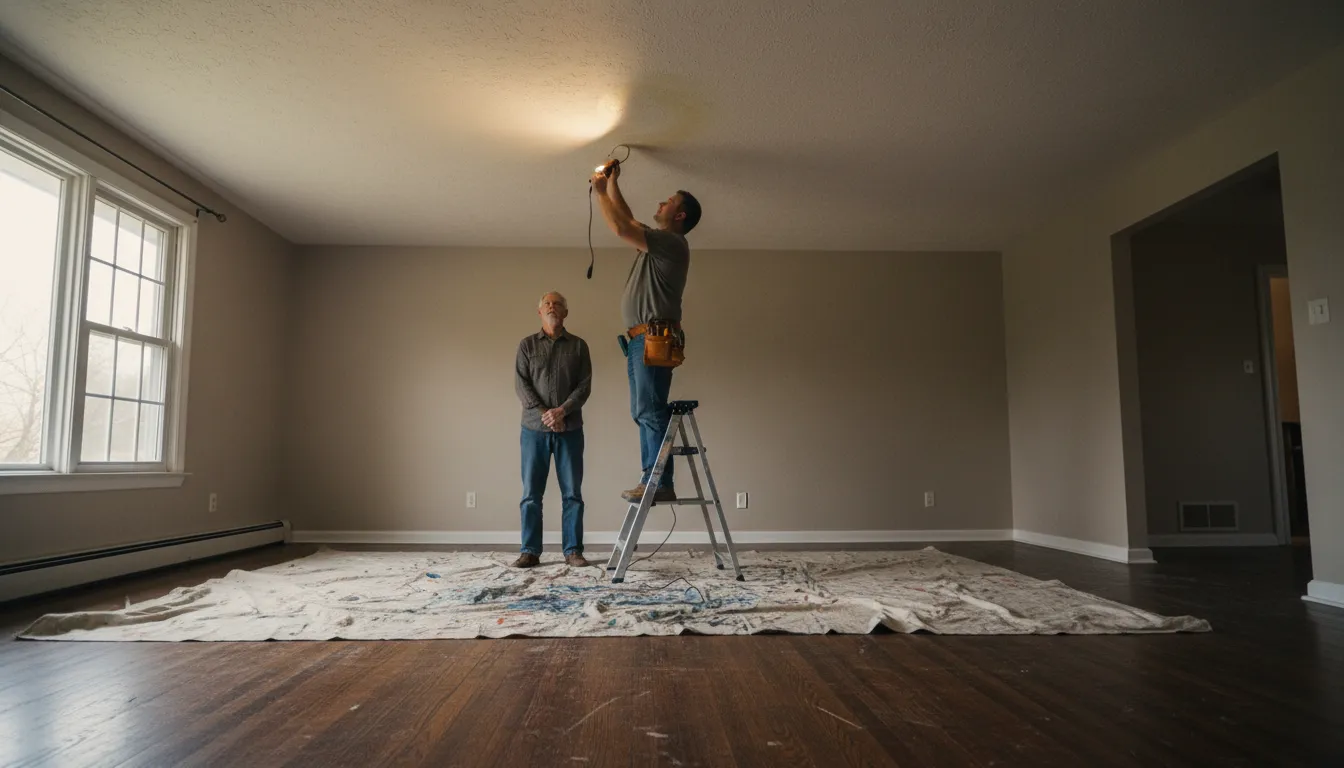
Find the Best Leak Detection & Repair Companies for Your Business
No obligation • Fast responses • Nationwide coverage

Why you can trust Search a Plumber
Search a Plumber is a leading United States resource for finding and evaluating professional plumbing services. Our team researches licensing, experience, and customer feedback to create unbiased, fact-driven overviews. Companies cannot pay to change ratings or placement, ensuring homeowners get trustworthy information.
Search providers near you
Best Leak Detection & Repair Companies in Indiana Ranked
A hidden water leak can silently damage your home's structure, encourage mold growth, and lead to shockingly high utility bills. Professional leak detection and repair services in Indiana are essential for identifying the source of these problems, whether they're behind walls, under slabs, or deep in your yard, and fixing them correctly. This guide will help you understand the signs of a leak, the advanced methods used to find them, and how to connect with qualified local professionals who can protect your Indiana home.
Roto-Rooter Plumbing & Water Cleanup
18 E Main St Ste 230, Greenfield, IN 46140
Roto-Rooter Plumbing & Water Cleanup provides a wide range of plumbing services in Indianapolis, IN, including sewer and drain cleaning, water heater repair and installation, sump pump services, and leak detection. They specialize in both residential and commercial plumbing, offering advanced solutions such as hydro jetting and trenchless sewer repair to address complex plumbing issues. Established in 1935, Roto-Rooter has a long history of innovation and expertise in plumbing, and they offer 24/7 emergency services to handle urgent plumbing problems at any time.

Home Heroes Plumbing Heating & Air
7768 Kane Ct, Fishers, IN 46038
Home Heroes Plumbing Heating & Air is a locally owned plumbing, heating, and air conditioning service provider based in Fishers, Indiana. Serving Indianapolis, IN, and surrounding areas, they offer a range of services including water heater repair and installation, tankless water heater services, water softener installation, sump pump repair, drain cleaning, leak detection, gas line installation, and toilet repair. The company specializes in handling plumbing emergencies during business hours and provides expert solutions such as Rheem water heater installations, including tankless models. With over a decade of experience, Home Heroes Plumbing Heating & Air is committed to delivering reliable service tailored to customer needs.
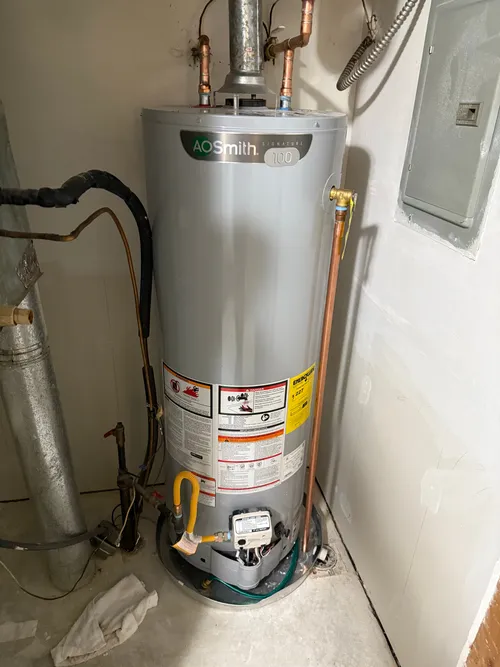
Plumber Near Me LLC
Indianapolis, IN
Plumber Near Me LLC is a family-owned plumbing company serving Indianapolis, IN, and nearby communities. They offer a wide range of plumbing services including water heater repair and installation, water softener installation, sump pump repair, drain cleaning, sewer line repair, leak detection, and garbage disposal repair. With over 40 years of combined experience, they provide solutions for both new installations and repairs, including emergency plumbing services for urgent issues like leaks and sewer backups. Their expertise includes professional water service repair and main shutoff valve installation to protect homes from water damage.

Cornwell Plumbing
5724 N Green St 2nd Floor, Brownsburg, IN 46112
Cornwell Plumbing is a family-owned plumbing company serving Indianapolis, IN, and surrounding areas including Brownsburg, Pittsboro, and Hendricks County. Established in 1989, they offer a wide range of plumbing services such as sewer camera inspections, water heater repair and installation, water softener installation, sump pump and sewage pump repair, drain cleaning, leak detection, repiping, toilet and garbage disposal repair. Their expertise includes using advanced tools like sewer cameras to diagnose pipe issues accurately. Cornwell Plumbing provides emergency plumbing services when available and focuses on personalized, honest service for both residential and commercial clients.
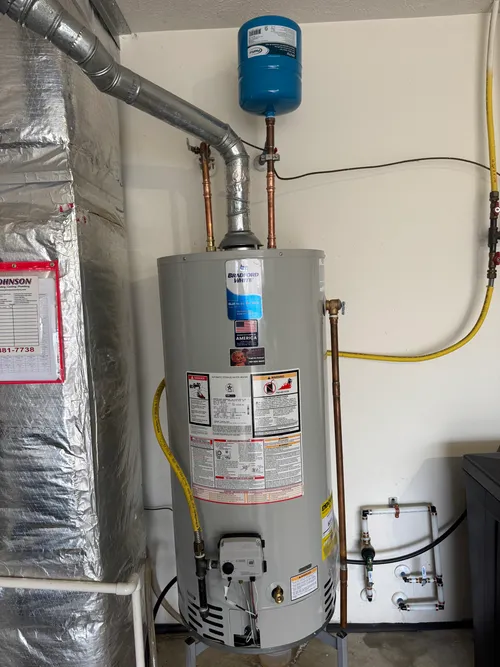
Price Right Plumbing
500 Polk St #27, Greenwood, IN 46143
Price Right Plumbing provides a wide range of plumbing services for homes and businesses in Indianapolis, IN. Their expertise includes water heater repair and installation, water softener installation, drain cleaning, hydro jetting, sewer line repair, leak detection, and gas line installation. They offer advanced leak detection and non-invasive pipe repairs, along with certified gas line services to ensure safety and compliance. Price Right Plumbing also provides 24/7 emergency plumbing support to address urgent issues promptly.
Why Prompt Leak Detection is Critical in Indiana
Ignoring the signs of a water leak can have serious consequences for Indiana homeowners. Beyond the immediate waste of a precious resource, undetected moisture can lead to foundational cracks, wood rot, and toxic mold infestations, which are costly to remediate. Indiana's climate, with its freeze-thaw cycles, can exacerbate pipe corrosion and joint failures, making proactive monitoring and swift repair a key part of home maintenance. Early intervention by a specialist can transform a potentially catastrophic repair into a manageable fix, saving you thousands of dollars and preserving your home's integrity.
Common Sources of Leaks in Indiana Homes
Understanding where leaks commonly occur can help you know where to look and when to call a professional. Leaks are typically categorized as indoor or outdoor.
Indoor Leak Sources:
- Corroded Pipes: Aging copper or PEX piping can develop pinhole leaks, especially at joints or where water pressure is consistently high 1.
- Fixture Failures: Worn seals and gaskets in toilets, faucets, and showerheads are frequent culprits. A constantly running toilet is a major source of water waste.
- Appliance Connections: The water supply lines and drain hoses for washing machines, dishwashers, and water heaters can degrade or loosen over time.
- Sewer Line Intrusions: Tree roots seeking moisture can infiltrate and break older clay or cast-iron sewer lines, causing blockages and leaks.
- Slab Foundation Leaks: Pipes running beneath your home's concrete foundation can leak due to corrosion, shifting soil, or abrasion, leading to a "slab leak".
Outdoor Leak Sources:
- Main Water Service Line: The pipe running from the city meter to your house can crack due to ground settling, freezing, or root pressure.
- Irrigation & Sprinkler Systems: Damaged sprinkler heads or cracked lateral lines in underground watering systems often go unnoticed.
- Hose Bibs & Outdoor Faucets: These can leak at the connection or fail to shut off completely internally, especially if not properly winterized.
- Foundation Cracks: Water can seep through cracks in your home's foundation during heavy rain or from saturated ground.
Recognizing the Signs of a Hidden Leak
Before water ever pools on your floor, your home gives off warning signals. Catching these early signs is the first step in the leak detection process.
- Unexplained Increase in Water Bills: A steady, unexplained rise in your water bill is often the most telling sign of a hidden leak.
- Sounds of Running Water: Hearing the sound of water running or dripping when all fixtures are turned off can indicate a leak behind walls or under floors.
- Visible Moisture and Stains: Discoloration on walls, ceilings, or floors, bubbling paint or wallpaper, and warped flooring are clear indicators of moisture.
- Musty Odors or Mold Growth: A persistent damp, musty smell or the visible growth of mold or mildew often points to a chronic moisture issue from a leak.
- Reduced Water Pressure: A sudden drop in water pressure throughout the house could signal a significant leak in the main supply line.
- Wet Spots in Yard: Unusually soggy, green, or sunken patches in your lawn when it hasn't rained may reveal an underground leak.
The Professional Leak Detection Process: From Clues to Diagnosis
When you suspect a leak, a professional plumber in Indiana will follow a systematic diagnostic process to locate it with precision and minimal disruption.
- Initial Assessment: The technician will discuss the symptoms you've observed and inspect visible plumbing fixtures and accessible pipes.
- Water Meter Test: A simple but effective test involves recording the reading on your home's water meter, ensuring no water is used for 30-60 minutes, and checking if the meter has moved.
- Advanced Diagnostic Tools: For hidden leaks, professionals employ specialized, non-invasive technology:
- Thermal Imaging Cameras: Infrared cameras detect subtle temperature differences caused by evaporating moisture or water seepage behind walls or under floors, creating a visual map of the problem area.
- Video Pipe Inspection: A flexible, waterproof camera is snaked into drain and sewer lines, providing a real-time video feed to pinpoint cracks, blockages, or root intrusions exactly 4.
- Pressure Testing: The plumber will isolate sections of your plumbing system and pressurize them with air or water. A drop in pressure confirms a leak in that section 5.
- Tracer Gas Detection: For very small or hard-to-find leaks (especially in gas lines or some water lines), an inert, harmless gas is introduced. Special detectors can then sniff out the precise exit point of the gas, which follows the same path as the leak 6 7.
Find the perfect leak detection & repair companies for your needs
Get personalized recommendations and expert advice
Understanding Repair Solutions and Associated Costs
Once the leak is precisely located, your technician will recommend a repair strategy. The method and cost depend entirely on the leak's location, severity, and the materials involved.
- Simple Fixture Repairs: Fixing a leaky faucet, toilet flapper, or valve seal is often the most straightforward and least expensive repair, typically ranging from $100 to $300+ for parts and labor.
- Accessible Pipe Repair/Replacement: For leaks in exposed pipes in basements, crawl spaces, or walls (once opened), the affected section can be cut out and replaced. Costs vary by pipe material and length but often fall between $200 and $1,000.
- Slab Leak Repair: This is one of the most complex and costly repairs. Solutions include:
- Spot Repair: If the leak is accessible, a small section of concrete is excavated, the pipe is repaired, and the slab is patched.
- Pipe Rerouting (Re-piping): Bypassing the leaking line under the slab by routing new pipes through walls or attics.
- Pipe Bursting: Pulling a new pipe through the old, damaged line without major excavation. Due to the complexity, slab leak repair in Indiana can range from $1,000 to $4,000 or more, depending on the chosen method and extent of damage 8 9.
- Main Water Line or Sewer Line Repair: Excavating to repair or replace the main service line is a significant undertaking. Costs are highly variable based on depth, length, and landscaping restoration needs, often starting in the thousands.
Important Note on Pricing: All cost ranges are estimates. The only way to get an accurate price for your specific situation is to obtain a detailed diagnosis and quote from a licensed, local professional.
Preventing Future Leaks in Your Home
After a repair, consider these steps to protect your plumbing system:
- Monitor Water Pressure: Install a pressure regulator if your home's water pressure consistently exceeds 80 PSI, as high pressure stresses pipes and joints.
- Insulate Pipes: Prevent freezing and subsequent bursting by insulating pipes in unheated areas like crawl spaces, attics, and garages.
- Practice Mindful Drain Use: Avoid pouring fats or chemical drain cleaners down drains, and be cautious of what you flush to prevent clogs and sewer line damage.
- Schedule Regular Inspections: Consider having a professional plumber perform a periodic inspection of your plumbing system, especially if your home is over 20 years old.
Frequently asked questions
Sources
Footnotes
-
Plumbing Leak Detection & Repair in Indianapolis, IN - https://northerncomfortsystems.com/indianapolis/plumbing/leak-detection-repair/ ↩
-
What Are Different Methods Of Leak Detection? | Bobby L. Greene - https://greeneplumbing.com/what-are-the-different-methods-of-leak-detection/ ↩
-
Leak Detection: How Plumbers Find Problems - https://www.benjaminfranklinplumbing.com/port-st-lucie/blog/2023/september/leak-detection-how-plumbers-find-problems/ ↩
-
Accurate Leak Detection & Repair | All-Pro Plumbing - Kokomo - https://allproway2go.com/leak-detection/ ↩
-
Water Leak Detection UK: Benefits & Cost Guide | Ideal Response - https://www.idealresponse.co.uk/blog/water-leak-detection-benefits-cost-guide-uk/ ↩
-
Comparing Different HVAC Leak Detection Methods - BuildOps - https://buildops.com/resources/comparing-different-hvac-leak-detection-methods/ ↩
-
8 Effective Leak Detection Methods | NEXGEN HVAC & Plumbing - https://nexgenairandplumbing.com/blog/8-effective-leak-detection-methods/ ↩
-
Common Types and Causes - Indiana Leak Detection - https://www.indianaleak.com/2022/02/leak-detection-common-types-and-causes ↩
-
How Much Does Slab Leak Repair Cost? (2026 Guide) - https://www.thisoldhouse.com/foundations/slab-leak-repair-cost ↩