Find the Best Leak Detection & Repair Companies for Your Business
No obligation • Fast responses • Nationwide coverage

Why you can trust Search a Plumber
Search a Plumber is a leading United States resource for finding and evaluating professional plumbing services. Our team researches licensing, experience, and customer feedback to create unbiased, fact-driven overviews. Companies cannot pay to change ratings or placement, ensuring homeowners get trustworthy information.
Search providers near you
Top Leak Detection & Repair Companies in East Honolulu, Hawaii Ranked
A hidden water leak can quietly cause thousands of dollars in damage to your East Honolulu home, from structural rot and mold growth to astronomical water bills. Professional leak detection and repair services use advanced technology to find the source of water loss without unnecessary destruction to your walls or slab. This guide explains the process, costs, and what to look for so you can connect with qualified local specialists to protect your property.
Oahu Jetting and Drains LLC
91-1663 Kaukolu St, Ewa Beach, HI 96706
Oahu Jetting and Drains LLC is a full-service plumbing company based in Honolulu, HI, serving both residential and commercial clients on Oahu. They specialize in drain cleaning and hydro jetting to address various clogging issues. Their services also include toilet repairs, valve replacements, garbage disposal installation and repair, leak detection, and other common plumbing maintenance tasks. The company offers emergency service and focuses on providing effective plumbing solutions to keep systems running smoothly.
A-1 Budget Plumbing
Honolulu, HI
A-1 Budget Plumbing is a plumbing service provider based in Honolulu, HI, offering leak detection and toilet repair among other plumbing services. The company serves residential customers and provides fast, 24-hour emergency plumbing services. With over 50 years of experience, A-1 Budget Plumbing employs licensed and insured technicians who handle a range of plumbing issues efficiently. They are known for clear communication and reliable scheduling, often notifying customers before arrival to accommodate their schedules.
Roto-Rooter Plumbing & Water Cleanup
2106 Lauwiliwili St Ste 101j, Kapolei, HI 96707
Roto-Rooter Plumbing & Water Cleanup offers comprehensive residential and commercial plumbing services in Honolulu, HI. Their experienced team handles a wide range of plumbing needs, including sewer line inspections and repairs, water heater installation and repair, drain cleaning, leak detection, and gas line installation. They specialize in trenchless sewer repair and provide emergency plumbing services available 24/7 throughout the year. With expertise in floodwater cleanup and mold remediation, Roto-Rooter is equipped to manage urgent water damage situations efficiently. Serving Kapolei and surrounding communities, they combine local knowledge with advanced tools like hydro jetting to address plumbing challenges effectively.
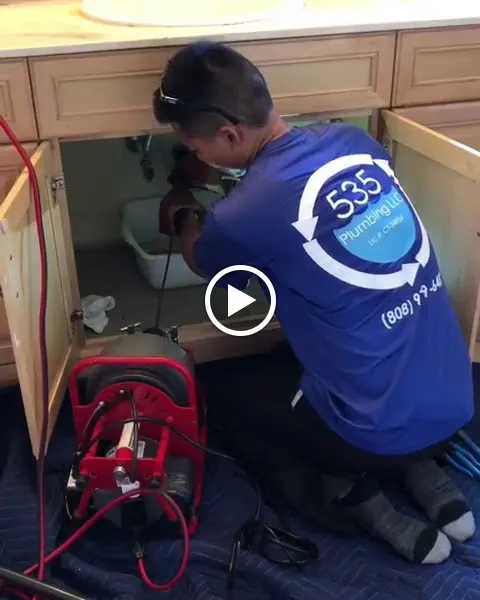
535 Plumbing LLC
1130 N Nimitz Hwy Suite B-180, Honolulu, HI 96817
535 Plumbing LLC is a family-owned plumbing company based in Honolulu, HI, serving residential, commercial, and new construction clients. Founded in 2015 by Shane Mizusawa, the company offers a wide range of services including water heater installation and repair, drain cleaning, sewer line repair, trenchless sewer repair, leak detection, repiping, and hydro jetting. They use advanced technology such as sewer camera inspections and pipe relining to diagnose and solve plumbing issues efficiently. 535 Plumbing is available every day, including holidays, and accommodates after-hours service requests to meet diverse scheduling needs.
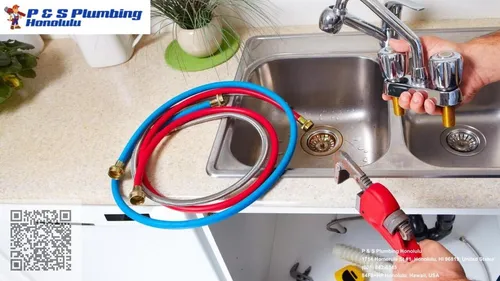
P & S Plumbing Honolulu
1714 Homerule St #1, Honolulu, HI 96819
P & S Plumbing Honolulu is a plumbing service provider based in Honolulu, HI, specializing in leak detection and toilet repair. They offer responsive plumbing repairs, including emergency leak detection and resolution, with a focus on thorough inspection and careful handling of homes. The team is known for addressing plumbing issues promptly, including after-hours emergencies, ensuring problems are diagnosed and fixed efficiently. Customers have noted their professionalism and clear communication throughout the repair process.
Recognizing the Signs of a Hidden Leak
Water doesn't always announce itself with a dramatic burst pipe. Often, a plumbing leak is a silent, hidden problem. Knowing the subtle warning signs can help you catch an issue early, potentially saving you from major repair bills and property damage. The symptoms often vary depending on where the leak is located in your home's system.
Common indicators include:
- Unexplained increases in your water bill that can't be attributed to more household usage.
- The sound of running water when all taps and appliances are off.
- Damp, spongy, or discolored spots on walls, ceilings, or floors.
- A persistent musty or moldy odor, especially in closed spaces like cabinets or closets.
- Warm spots on concrete floors or unusually damp carpeting, which can signal a hot water line leak under the slab.
- Cracks in foundation walls or flooring.
- In your yard, look for unusually lush, green patches of grass or areas that are constantly soggy when the rest of the lawn is dry.
Where Leaks Commonly Hide in Your Home
Leaks can occur anywhere in your plumbing system, but some areas are more prone to problems than others. Understanding these common trouble spots helps you know where to look and helps a technician know where to start their investigation.
Inside Walls and Ceilings
Pipes running behind drywall and above ceilings are vulnerable to leaks from loose connections, corrosion, or punctures. Signs include peeling paint, bubbling wallpaper, sagging drywall, and visible water stains that grow over time. These leaks can be particularly damaging as they can soak insulation and framing long before you see a visible mark.
Under Concrete Slabs
"Slab leaks" occur in water lines buried beneath your home's concrete foundation. They are among the most serious and costly to repair. Warning signs include a sudden drop in water pressure, the sound of water running under the floor, hot spots on the floor, or moisture seeping up around the edges of flooring. Because the leak is under tons of concrete, specialized electronic leak detection is almost always required to find it.
In Fixtures and Appliances
These are often the easiest leaks to spot and fix. Check for constant dripping from faucets, a toilet that runs intermittently, or pooling water around the base of toilets, showers, and tubs. A leaking toilet flapper can waste hundreds of gallons a day. A simple dye test-adding food coloring to the toilet tank and seeing if it appears in the bowl without flushing-can confirm this common issue 1.
In the Yard and Main Supply Line
The pipe running from the city water main to your house (the service line) can develop leaks. Evidence includes sinkholes or depressions in your yard, areas of extra-muddy or overly lush grass, and a water meter that runs when your home's main water valve is shut off.
The Professional Leak Detection Process: From Mystery to Solution
When you suspect a leak but can't find it, a professional leak detection specialist uses a combination of methodical diagnosis and high-tech tools. This non-invasive approach saves your walls, floors, and landscaping from unnecessary damage.
Step 1: Initial Assessment & Consultation A technician will first discuss the symptoms you've observed and review your water bill history. They will perform a visual inspection of your property, inside and out, looking for the classic signs mentioned above.
Step 2: Electronic Leak Detection This is where technology takes over. Specialists use tools like:
- Acoustic Listening Devices: Amplified headphones and ground microphones pick up the distinct sound of water escaping under pressure from pipes, even through concrete or soil 2.
- Thermal Imaging Cameras: These cameras detect subtle temperature differences caused by moisture. Cool spots may indicate a cold water leak, while warm spots can reveal a leaking hot water line behind a wall or under a slab 3.
- Moisture Meters: Pin-type and scanning meters measure the moisture content in materials like drywall and wood to pinpoint the wettest area and trace the leak's origin.
Step 3: Verification & Pinpointing Before any repair begins, a technician will verify the leak's exact location. This may involve a pressure test, where the plumbing system is pressurized with air to listen for escaping gas, or a specific water meter test to confirm water is moving when it shouldn't be 4.
Find the perfect leak detection & repair companies for your needs
Get personalized recommendations and expert advice
What to Expect During Leak Repair
Once the leak is precisely located, the repair strategy is formulated. The scope and timeline of the work depend entirely on the leak's location, severity, and the type of pipe involved.
Minor Repairs: Fixing a dripping faucet, replacing a toilet flapper, or tightening a connection under a sink are typically completed in a few hours.
Accessible Pipe Repairs: For a leak in a pipe behind a wall or ceiling, the process involves carefully cutting an access panel, repairing or replacing the faulty pipe section, pressure-testing the repair, and then restoring the wall with drywall and paint. This process generally takes 1 to 3 days5.
Major Repairs (Slab Leaks): Repairing a slab leak is a significant project. After electronic leak detection pinpoints the spot, a section of the concrete floor must be opened with a jackhammer. The pipe is then repaired or a new section is spliced in. In some cases, technicians may recommend "rerouting" the line through walls or attic to avoid disturbing the slab entirely. After the plumbing fix, the concrete is repoured and the flooring is reinstated. This process can take 2 to 5 days or more 6.
Understanding Costs for Leak Detection and Repair in East Honolulu
The cost for leak detection and pipe repair in East Honolulu varies widely based on the leak's complexity and location. It's always recommended to get detailed quotes from multiple licensed, local professionals.
- Leak Detection Service Fee: Many companies charge a separate fee for the electronic leak detection service, typically ranging from $200 to $500. This fee is often credited toward the total repair cost if you hire the same company to do the work 7.
- Minor Repairs: Simple fixes like replacing a valve, faucet cartridge, or toilet component might cost between $150 and $400 for parts and labor.
- Wall/Ceiling Access Repairs: Repairing a leak behind a wall, including the necessary plumbing work and drywall/paint restoration, can range from $400 to $1,500 or more, depending on the extent of damage and finish work required.
- Slab Leak Repairs: Due to the intensive labor and materials involved, repairing an underground leak under a concrete slab is the most expensive, with costs commonly ranging from $1,000 to $5,000+8 9. The final price depends on the depth of the pipe, the difficulty of access, and whether rerouting is a better option.
Choosing a Qualified Leak Detection Specialist in East Honolulu
When your home is on the line, choosing the right professional is critical. Look for a licensed, insured plumbing contractor with specific experience and positive reviews in leak detection. Companies like Steve's Plumbing, Waialae Plumbing, and other local specialists highlighted in community reviews often have the proven expertise and specialized equipment needed for accurate diagnosis 10. Ask about their detection methods, whether their detection fee applies to the repair, and request a detailed, written estimate that breaks down both detection and repair costs.
Frequently asked questions
Sources
Footnotes
-
How To: Check for Household Leaks - Cal Water - https://www.calwater.com/video/how-to-check-for-household-leaks/ ↩
-
Understanding the 3 Types of Leak Detection - Glanz Buffat - https://www.glanz-buffatphc.com/understanding-the-3-types-of-leak-detection/ ↩
-
How Home Inspections Can Uncover Hidden Water Leaks - https://eliteinspections.com/how-home-inspections-can-uncover-hidden-water-leaks/ ↩
-
Water Leak Testing: A Step By Step Guide For An Accurate Result - https://www.balkanplumbing.com/water-leak-testing-guide-accurate-result/ ↩
-
What to Do When Water Is Leaking from Your Ceiling - https://reynoldsep.com/what-to-do-when-water-is-leaking-from-your-ceiling/ ↩
-
Slab Leak Repair: A Step-by-Step Guide - https://mrrogersplumbing.com/step-by-step-process-of-slab-leak-repair/ ↩
-
Leak Detection Oahu | Fast & Accurate Leak Experts - https://waialaeplumbing.com/leak-detection-oahu/ ↩
-
Leak Detection Service Near Oahu, HI - Steve's Plumbing - https://www.stevesplumbinghawaii.com/oahu/plumbing-services/leak-detection/ ↩
-
How to Detect a Water Leak Under a Slab: Key Signs and Solutions - https://www.benjaminfranklinplumbing.com/league-city/blog/2025/february/how-to-detect-a-water-leak-under-a-slab-key-signs-and-solutions/ ↩
-
TOP 10 BEST Plumbing Leak Detection in East Honolulu, HI - https://m.yelp.com/search?find_desc=Plumbing+Leak+Detection&find_loc=East+Honolulu%2C+HI ↩