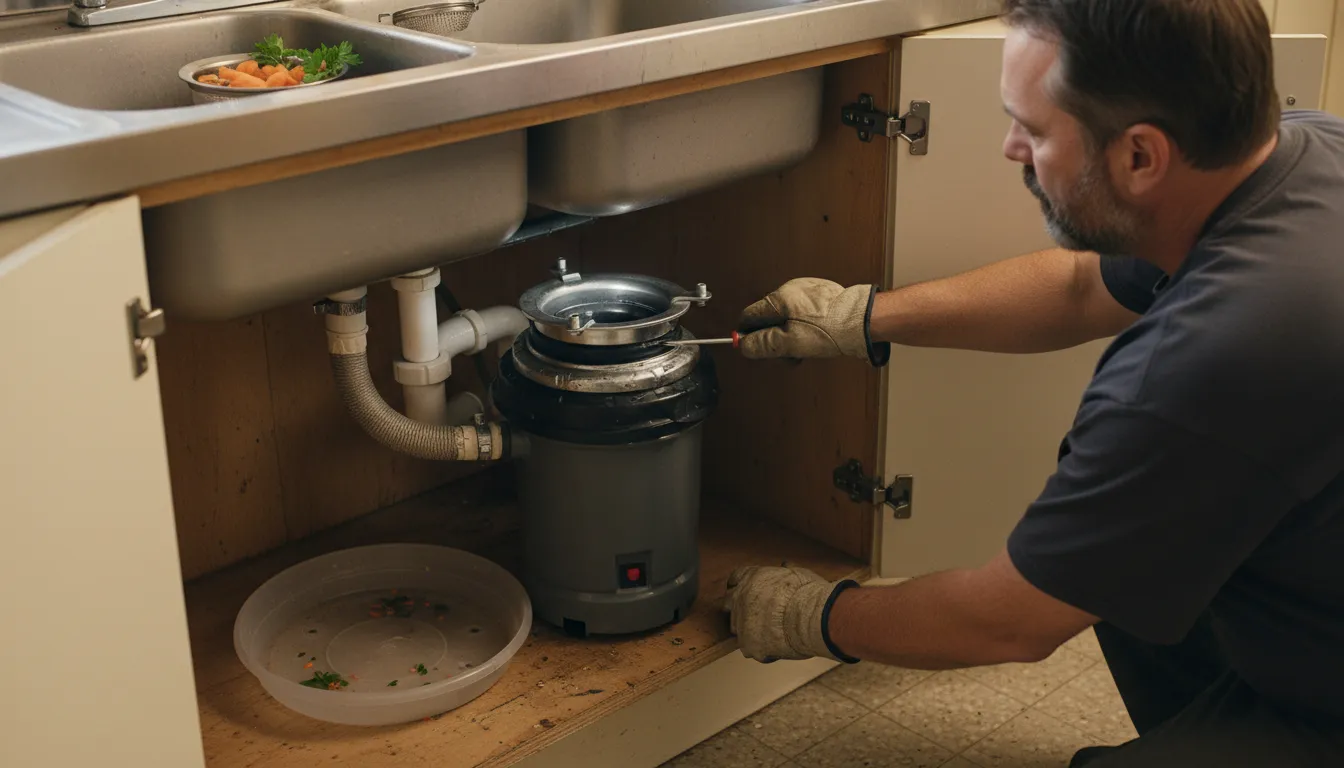
Find the Best Garbage Disposal Service Companies for Your Business
No obligation • Fast responses • Nationwide coverage

Why you can trust Search a Plumber
Search a Plumber is a leading United States resource for finding and evaluating professional plumbing services. Our team researches licensing, experience, and customer feedback to create unbiased, fact-driven overviews. Companies cannot pay to change ratings or placement, ensuring homeowners get trustworthy information.
Search providers near you
Top Garbage Disposal Service Companies in Milpitas, California Ranked
A functional garbage disposal is a cornerstone of a modern, efficient kitchen, making quick work of food scraps and reducing waste. When your unit malfunctions or you're upgrading your sink, professional repair or installation ensures the job is done safely and correctly, preventing leaks, clogs, and electrical hazards. This guide is designed to help Milpitas homeowners understand their options for garbage disposal services, from selecting the right model to navigating the installation process with a qualified local professional.
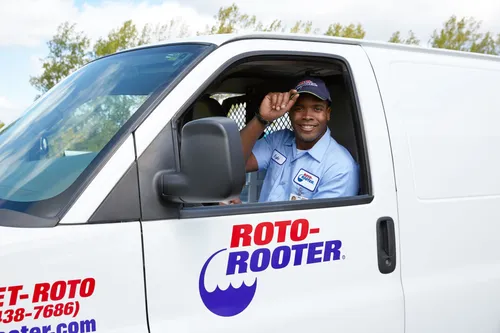
Roto-Rooter Plumbing & Water Cleanup
1780 Whipple Rd Ste 203G, Union City, CA 94587
Roto-Rooter Plumbing & Water Cleanup provides comprehensive plumbing services in San Jose, CA, specializing in residential and commercial plumbing solutions. Their offerings include sewer and drain cleaning, water heater repair and installation, leak detection, gas line installation, and trenchless sewer repair. The company is equipped to handle emergency plumbing situations with 24/7 availability, ensuring prompt response to issues like burst pipes and sewer backups. With extensive experience and advanced technology, Roto-Rooter addresses complex plumbing challenges efficiently. They also offer floodwater cleanup and mold remediation services, supporting property restoration after water damage. Serving the San Jose area and nearby communities, Roto-Rooter is a licensed and insured provider known for its broad range of plumbing capabilities and emergency service availability.

United Plumbing & Water Heaters
1159 Sonora Ct, Sunnyvale, CA 94086
United Plumbing & Water Heaters provides a wide range of plumbing services in San Jose, CA. They specialize in water heater repair, installation, and replacement for gas, tankless, and electric heat pump models. Their services also include drain cleaning, sewer line repair, leak detection, repiping, toilet repair, and garbage disposal repair. The company serves both residential and commercial clients, offering comprehensive plumbing solutions tailored to local needs. United Plumbing & Water Heaters is known for addressing plumbing issues with thorough inspections and preventative recommendations to extend system life.
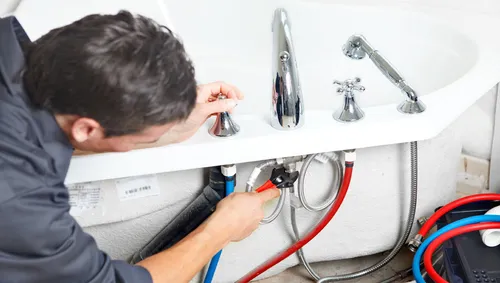
Plumbing Care Inc
2415 San Ramon Valley Blvd #4365, San Ramon, CA 94583
Plumbing Care Inc provides commercial and residential plumbing services in San Jose, CA, and the broader San Francisco Bay and Sacramento areas. They offer a wide range of services including water heater installation and repair, tankless water heater services, water softener installation, leak detection, repiping, drain cleaning, and garbage disposal repair. The company is experienced in handling slab repairs, spot repairs, and emergency plumbing needs. Plumbing Care Inc has completed over 75,000 jobs and serves multiple counties including Alameda, Contra Costa, Placer, and Sacramento.
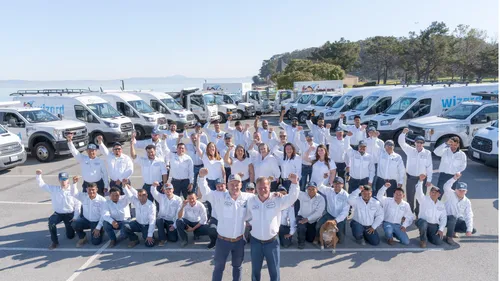
Caccia Home Services
1660 Gilbreth Rd, Burlingame, CA 94010
Caccia Home Services is a plumbing and home services provider based in Oakland, CA. They offer a wide range of plumbing solutions including water heater repair and installation, tankless water heaters, water softener installation, sump pump repair, hydro jetting, sewer line repair, trenchless sewer services, repiping, gas line installation, toilet and garbage disposal repairs. Their capabilities include advanced hydro jetting and trenchless sewer repair techniques. The company also provides emergency plumbing services and water treatment options.
Bell Plumbing
611 Industrial Rd #8, San Carlos, CA 94070
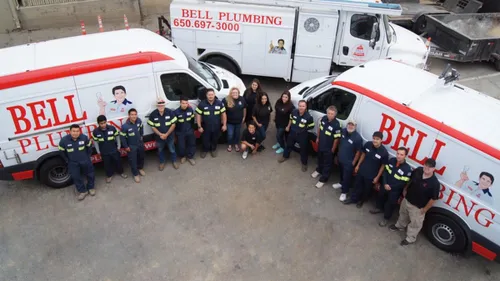
Bell Plumbing is a family-owned plumbing company serving Fremont, CA, and the surrounding Bay Area communities. With nearly 20 years of experience, they offer a wide range of plumbing services including sewer camera inspections, water heater repair and installation, drain cleaning, trenchless sewer repair, leak detection, repiping, gas line installation, toilet and garbage disposal repair. They hold an Underground Construction A License, enabling them to handle complex sewer and plumbing projects efficiently. Bell Plumbing is known for providing trenchless sewer repair options such as pipe bursting and pipe lining, which minimize disruption to properties. Their team is licensed, bonded, and insured, serving both residential and commercial clients across the Bay Area.
Understanding Your Garbage Disposal Options
Choosing the right disposal unit isn't just about horsepower; it's about matching the appliance to your household's needs and your kitchen's existing setup. The most common consideration is motor strength, typically measured in horsepower (HP). For light use in smaller households, a 1/2 HP model may suffice. For general family use, a 3/4 HP unit is a popular and reliable middle ground. For heavy-duty use or homes that frequently entertain, a 1 HP or higher model provides the extra torque needed to handle tougher food waste.
Beyond power, compatibility is key. Most kitchen sinks in Milpitas have a standard 3.5-inch drain opening, which fits the majority of disposal units. However, if you have a farmhouse or fireclay sink, you may need a special adapter kit. The disposal will connect to your home's existing 1.5-inch drain pipe, and many models include a port for connecting your dishwasher drain hose, which is a highly recommended feature for integrated cleaning 1.
The Professional Installation Process
While a handy homeowner might tackle a simple like-for-like replacement, professional installation is advised for new installations, complex plumbing, or any electrical work. A certified technician follows a meticulous process to ensure safety and longevity.
The process begins with safety: the power is shut off at the circuit breaker. The old unit is disconnected, which involves detaching the drain pipes and often releasing a twist-lock mounting mechanism. For a new installation, a plumber's putty is applied to the new sink flange before it's secured in the drain hole. The disposal unit is then mounted to this flange.
The critical connections come next. The drain assembly, including the P-trap, is reconnected to the 1.5-inch drain pipe. If applicable, the dishwasher drain hose is attached to the disposal's inlet port. Finally, the electrical connection is made. This typically involves plugging the unit into a dedicated, GFCI-protected outlet under the sink that is controlled by a wall switch. If such an outlet doesn't exist, new wiring may be required, which should be handled by a licensed electrician. The final step is a thorough test: running water to check for leaks, then powering the unit to ensure the motor operates smoothly.
Key Plumbing and Electrical Considerations
A successful installation hinges on two main systems: plumbing and electrical. Understanding these requirements can help you communicate effectively with your service professional.
Plumbing Requirements: The disposal must integrate seamlessly with your sink's existing drain. This includes a standard P-trap and a 1.5-inch drain pipe 2. The connection must be watertight to prevent leaks that can cause cabinet damage. The dishwasher connection, if used, is a simple hose clamp attachment but is vital for proper drainage from your dishwasher.
Electrical Requirements: For safety and code compliance, a garbage disposal must be on a dedicated circuit or a shared circuit with the dishwasher, and it must be controlled by an accessible switch (often an air switch on the countertop or a wall switch). The outlet under the sink must be Ground Fault Circuit Interrupter (GFCI) protected to prevent shock hazards 3 4. Lack of proper electrical setup is a common reason DIY installations require professional correction.
Cost Factors for Milpitas Homeowners
The total cost for garbage disposal services in Milpitas depends on the scope of work: a simple replacement versus a new installation requiring additional plumbing or electrical rough-ins.
The unit itself is a major variable, ranging from about $80 for a basic model to over $500 for a premium, high-horsepower, stainless-steel grind chamber unit. Labor costs are separate. For a straightforward replacement where the old unit is swapped for a new one with identical connections, labor typically ranges from $150 to $350.
However, if the installation is new or requires modifying plumbing, adding an electrical outlet, or installing a new switch, labor costs can increase to between $300 and $550 5. Therefore, the total installed cost for most Milpitas projects often falls between $250 and $800+, with many homeowners investing $300 to $450 for a professional replacement with a mid-grade unit 6 5.
Find the perfect garbage disposal service companies for your needs
Get personalized recommendations and expert advice
Common Repair Issues and Troubleshooting
Even the best garbage disposals can encounter problems. Knowing common issues can help you decide between a simple fix and a call for professional repair.
- Jamming: This is often caused by hard items like fruit pits or excessive fibrous vegetables. Most units have a hex key (or Allen wrench) slot on the bottom that allows you to manually turn the motor and dislodge the jam. Always ensure power is OFF before attempting this.
- Leaks: Leaks can occur at the sink flange, the drain pipe connections, or the dishwasher inlet. Tightening connections or replacing worn seals can often resolve this.
- Humming but Not Turning: This usually indicates a jam. Follow the manual un-jamming procedure. If it persists, the motor may be seized.
- Frequent Circuit Breaker Tripping: This can signal an overloaded circuit, a faulty disposal motor, or a problem with the GFCI outlet. An electrician or plumber can diagnose this.
- Persistent Clogs or Slow Drainage: This may not be a disposal issue but a clog further down the drain line. A professional can snake the drain to clear the blockage 7.
For any electrical issues, complex leaks, or if troubleshooting doesn't resolve the problem, contacting a professional is the safest and most effective course of action.
Benefits of Professional Service vs. DIY
The decision to hire a professional or attempt the job yourself depends on your skill level and the project's complexity.
A DIY replacement can save on labor costs if you are simply swapping an old unit for a new one of the same type and all connections are already in place. Many online tutorials and hardware store guides cover this process 8 9. However, the risks include improper sealing (leading to leaks and water damage), incorrect electrical connections (a safety hazard), and voiding the manufacturer's warranty if installation guidelines aren't followed.
Professional installation offers peace of mind. A licensed plumber or installer will ensure all plumbing connections are watertight and up to local code. They can handle unexpected issues, like corroded pipes or non-standard sink configurations. Most importantly, they guarantee the electrical work is safe and compliant, which is critical for an appliance that uses both water and electricity 10 11. Their work is often backed by a service guarantee, protecting your investment.
Maintaining Your Garbage Disposal
Proper maintenance extends the life of your disposal and prevents common problems. Always run a steady stream of cold water before, during, and for about 30 seconds after grinding. Cold water helps solidify any grease, allowing it to be chopped up and flushed away. Avoid putting fibrous vegetables (like celery husks), coffee grounds, eggshells, grease, or oil down the disposal. To keep it clean and smelling fresh, periodically grind ice cubes or citrus peels. Never use chemical drain cleaners, as they can damage the disposal's metal components and plumbing seals.
Frequently asked questions
Sources
Footnotes
-
Garbage Disposal Installation & Repair | San Francisco Plumbing - https://www.plumbingpro.com/plumbing/garbage-disposal-installation-repair/ ↩
-
Choosing a Garbage Disposal for Your Kitchen - Herbein Plumbing - https://herbeinplumbingllc.com/choosing-a-garbage-disposal-for-your-kitchen/ ↩
-
How To Install a Garbage Disposal in 6 Easy Steps - Lowe's - https://www.lowes.com/n/how-to/install-a-garbage-disposal ↩
-
Garbage Disposal Installation Cost Guide - The Home Depot - https://www.homedepot.com/services/c/cost-install-garbage-disposal/357654922 ↩
-
How Much Does Garbage Disposal Replacement Cost? - https://modernize.com/plumbing/garbage-disposal/replacement-cost ↩ ↩2
-
Kitchen Sink Garbage Disposal: Expert Advice, Costs, and ... - https://larrattbros.com/kitchen-sink-garbage-disposal-expert-advice-costs-and-maintenance/ ↩
-
How a Garbage Disposal Can Impact Your Home's Plumbing System - https://genevieplumbinginc.com/how-a-garbage-disposal-can-impact-your-homes-plumbing-system/ ↩
-
Replace your Garbage Disposal in 20 Minutes - https://www.youtube.com/watch?v=j_A3XyEew0k ↩
-
How do I install or replace a garbage disposal? - https://westlakehardware.com/resources/helpful-videos/how-do-i-install-or-replace-a-garbage-disposal/ ↩
-
Who Installs Garbage Disposals | Plumber or Electrician? - https://hallerent.com/blog/garbage-disposal-installation-plumber-or-electrician/ ↩
-
Do I Need to Hire a Plumber to Install a Garbage Disposal? - https://www.blazerservice.com/about-us/blog/2024/january/do-i-need-to-hire-a-plumber-to-install-a-garbage/ ↩